VOYAGER OF THE SEAS
October 16, 2026 | Los Angeles, California
Voyager of the Seas was photographed departing Los Angeles, California, on October 16, 2026, beginning a six-night Royal Caribbean cruise to Mexico. Her itinerary featured an overnight stay in Cabo San Lucas and a call at Ensenada before returning to Los Angeles on October 22.
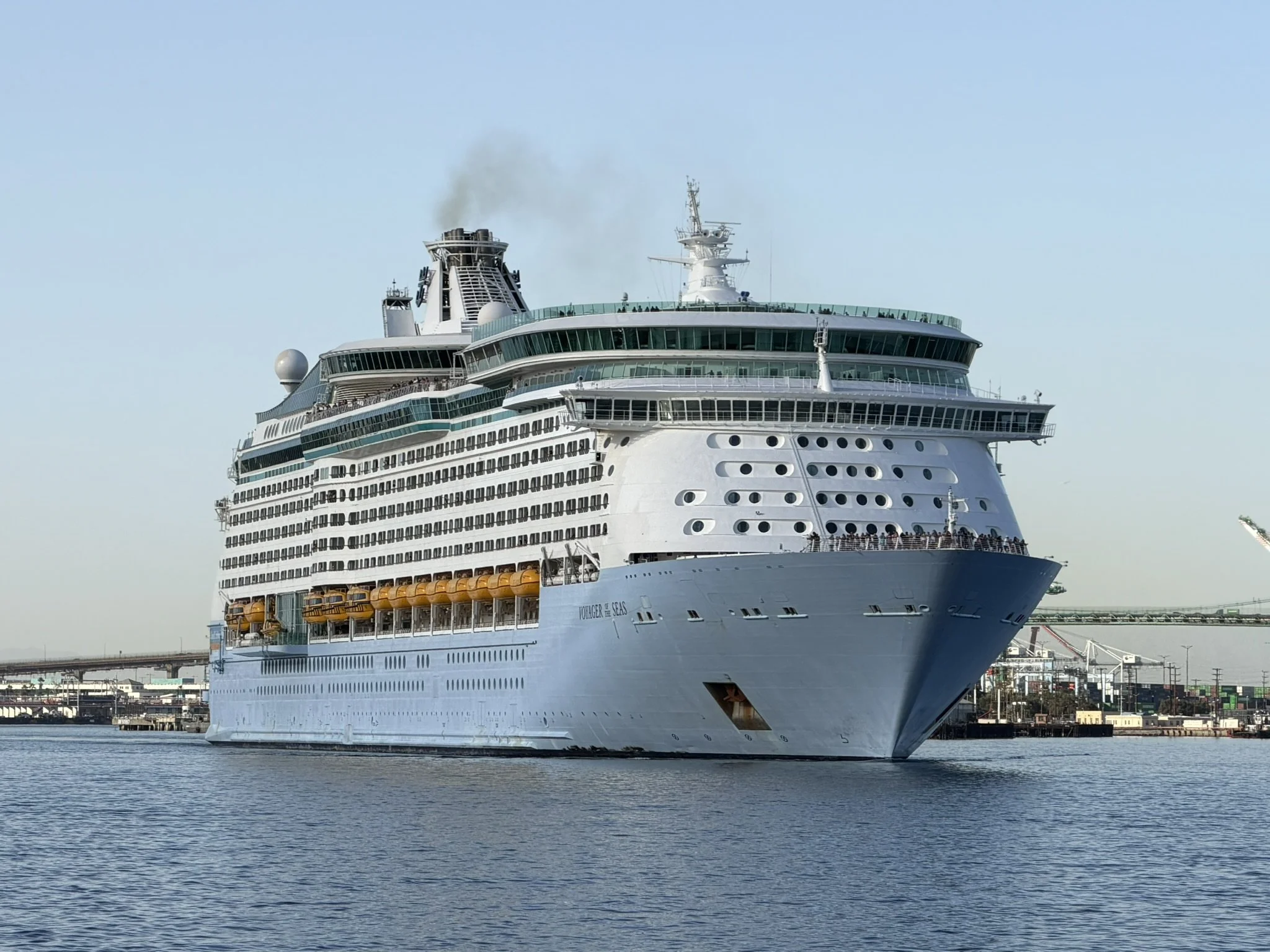
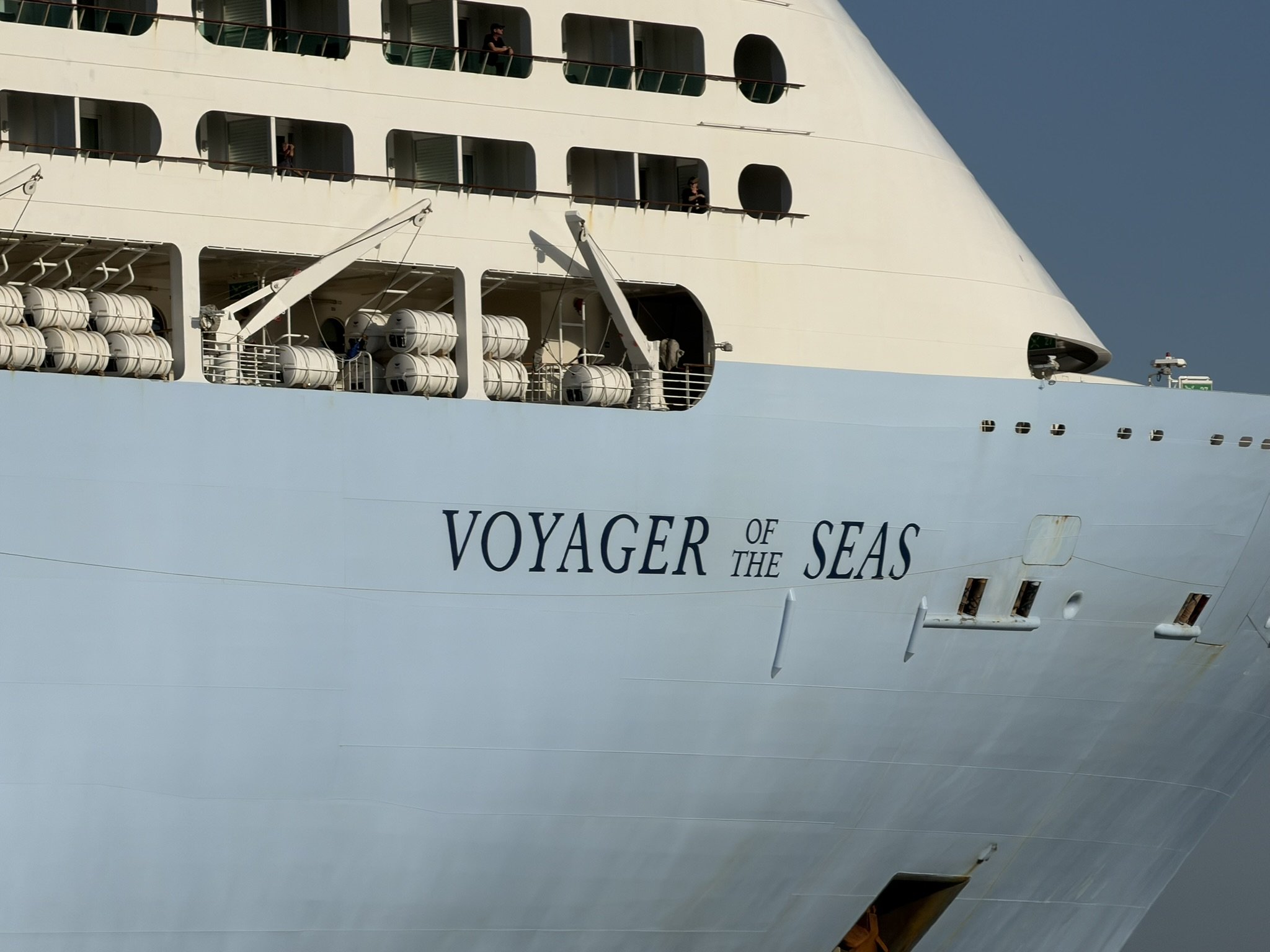
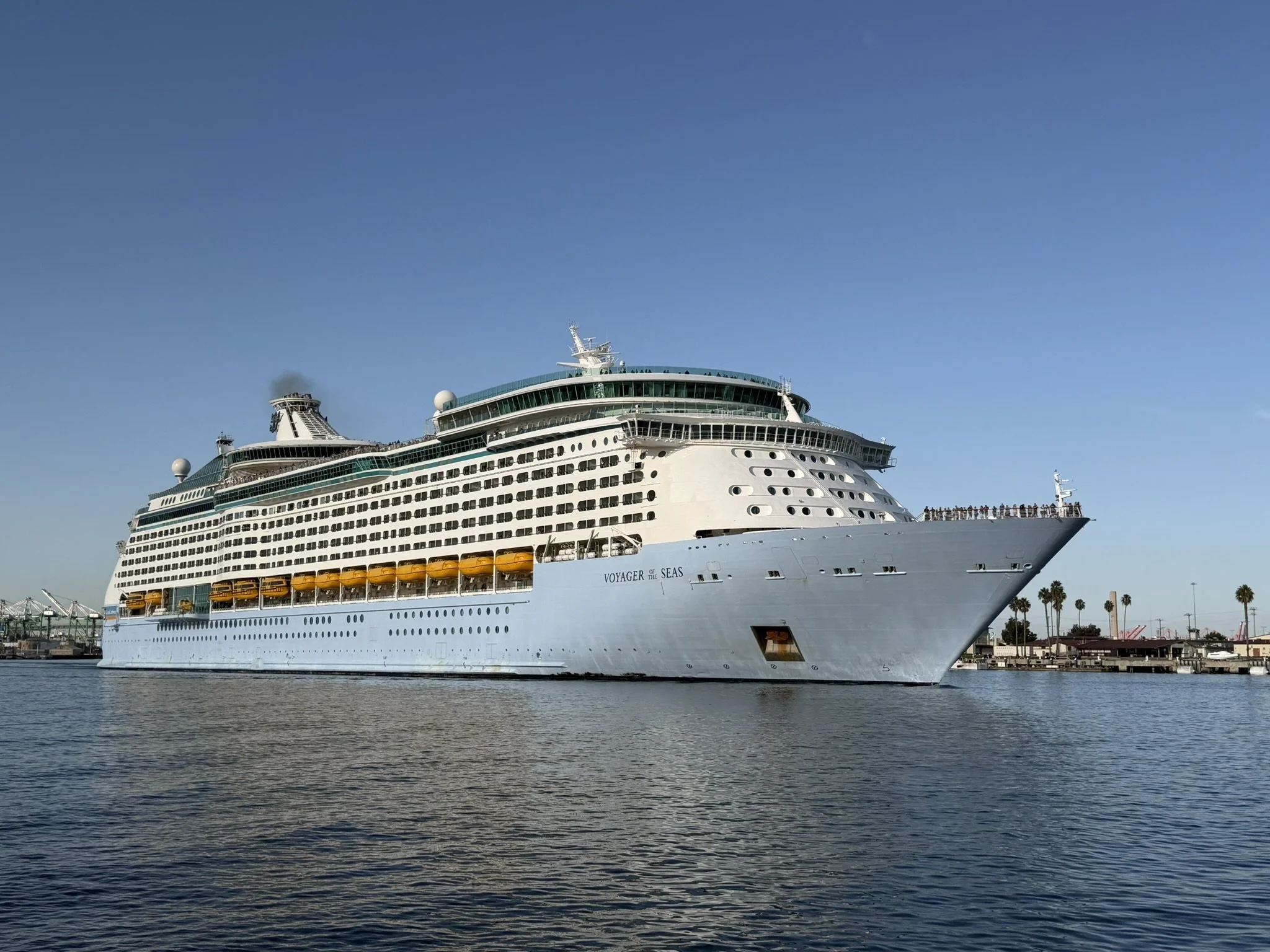
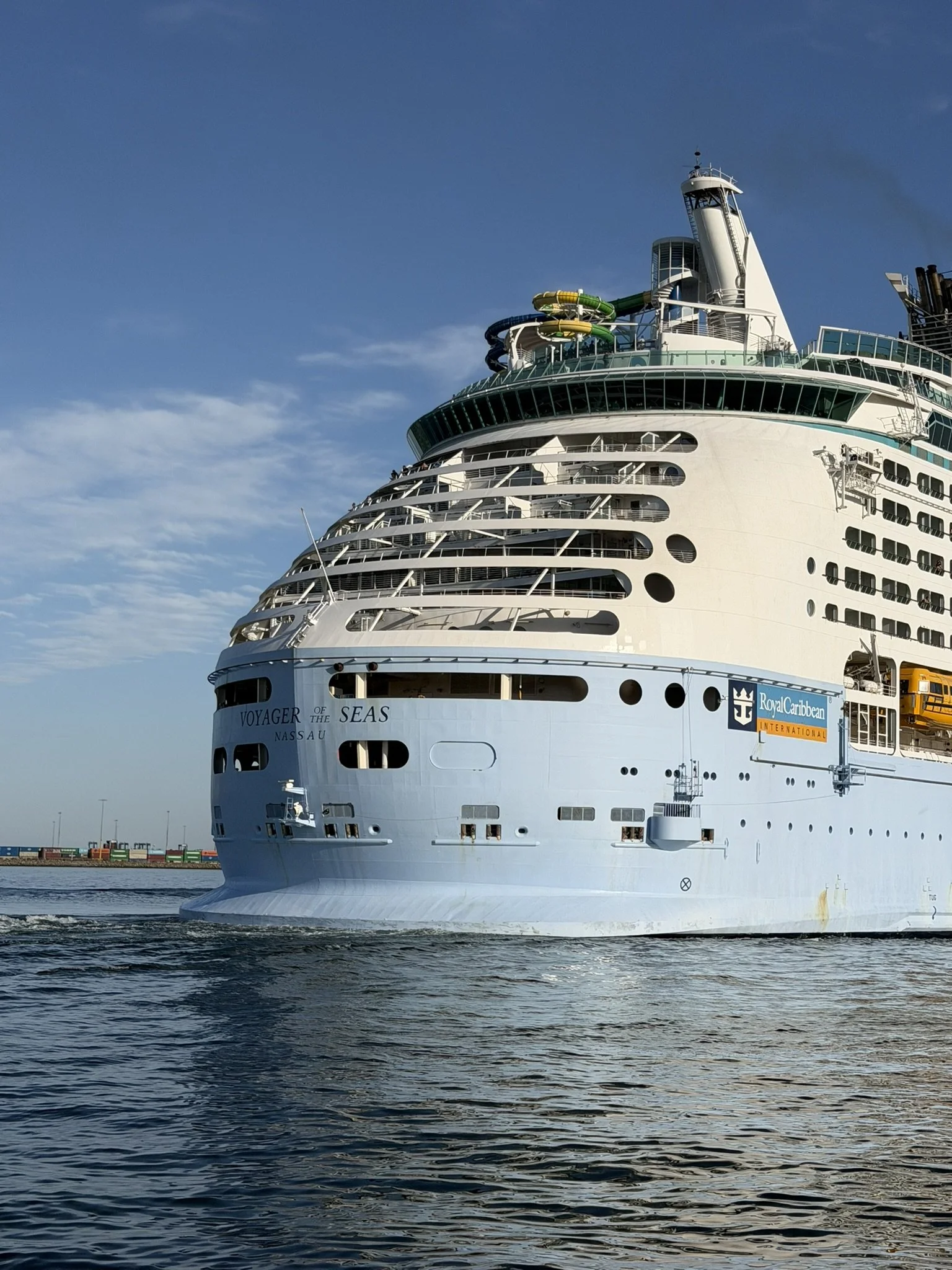
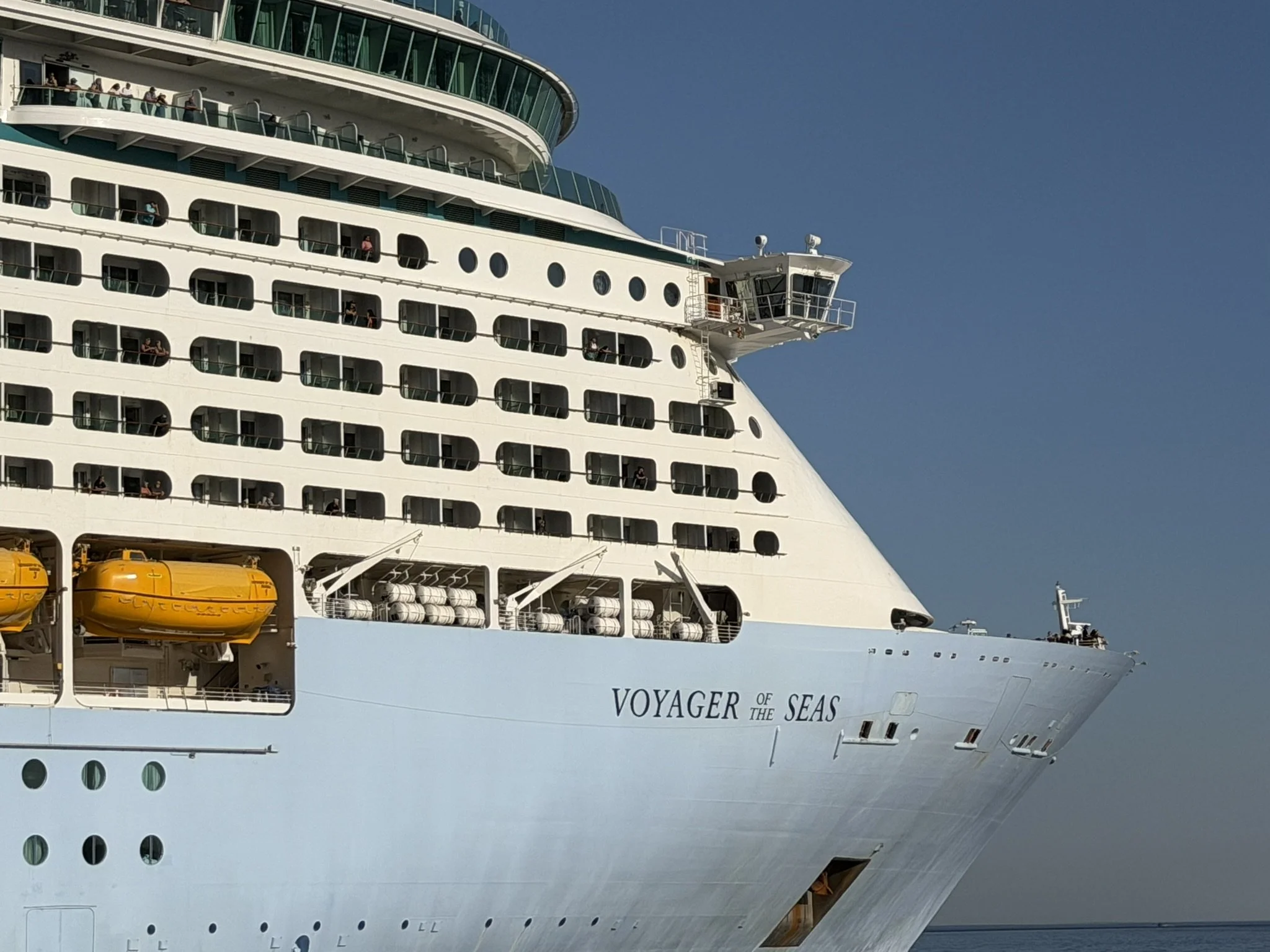
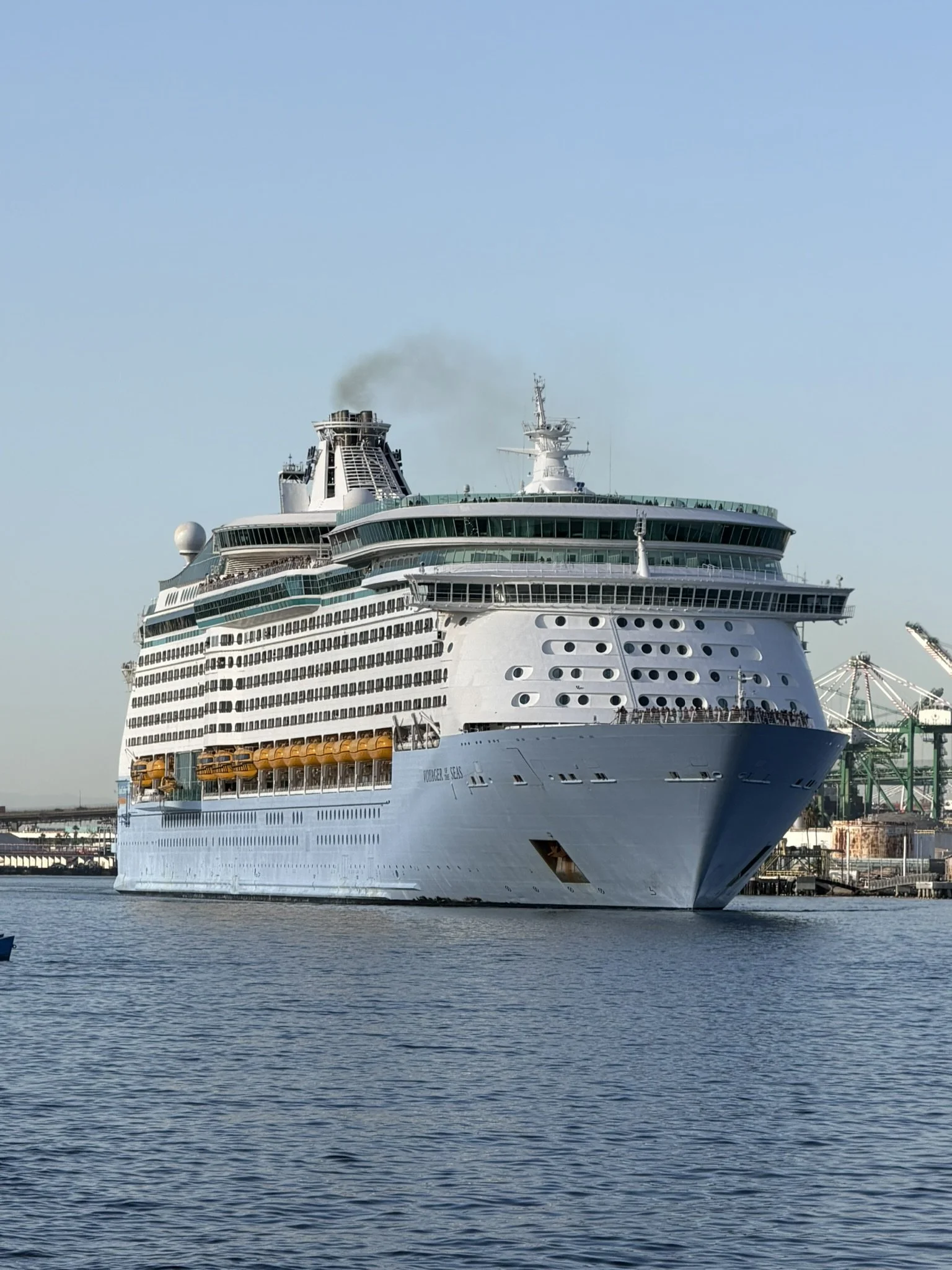
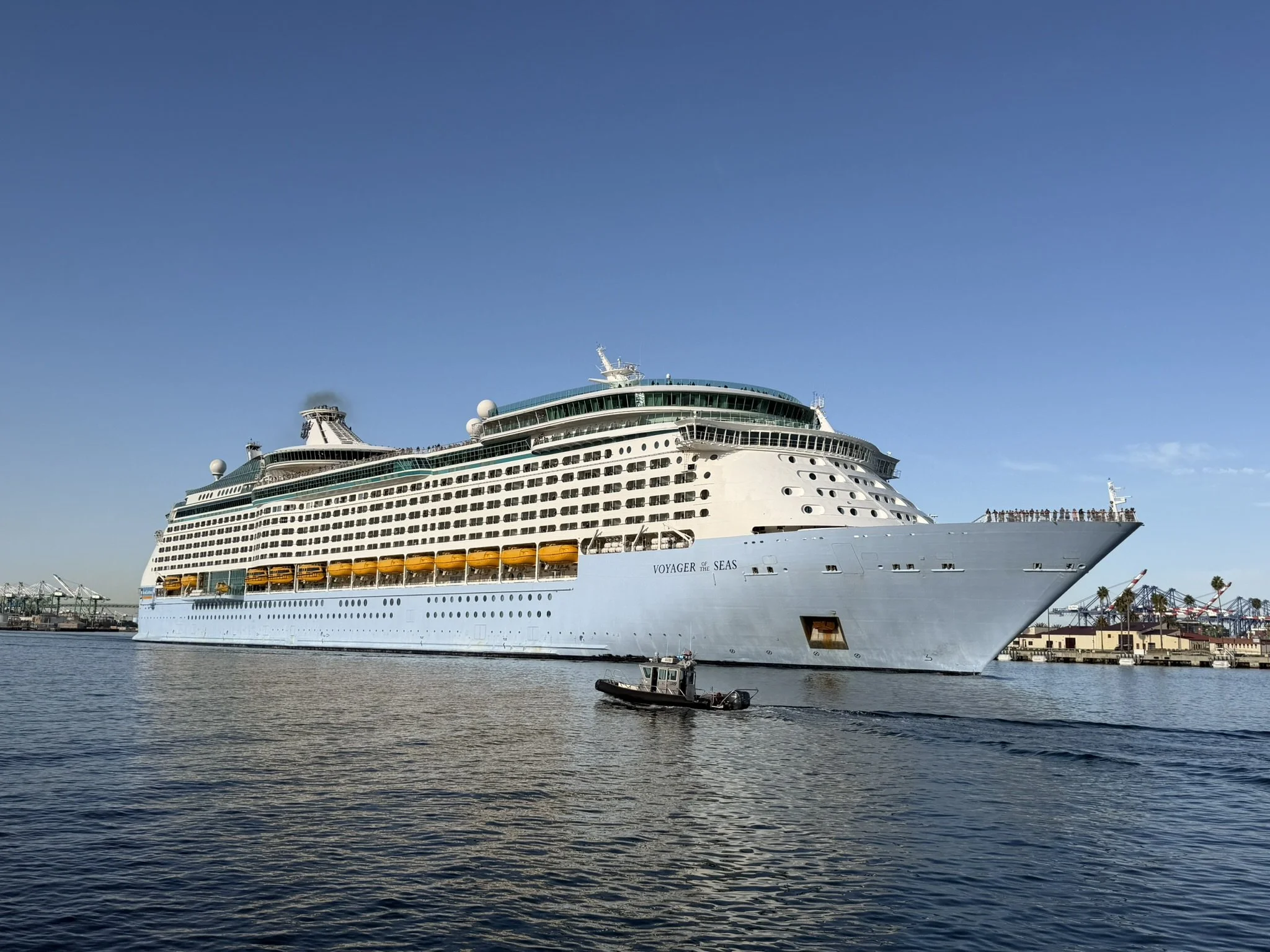
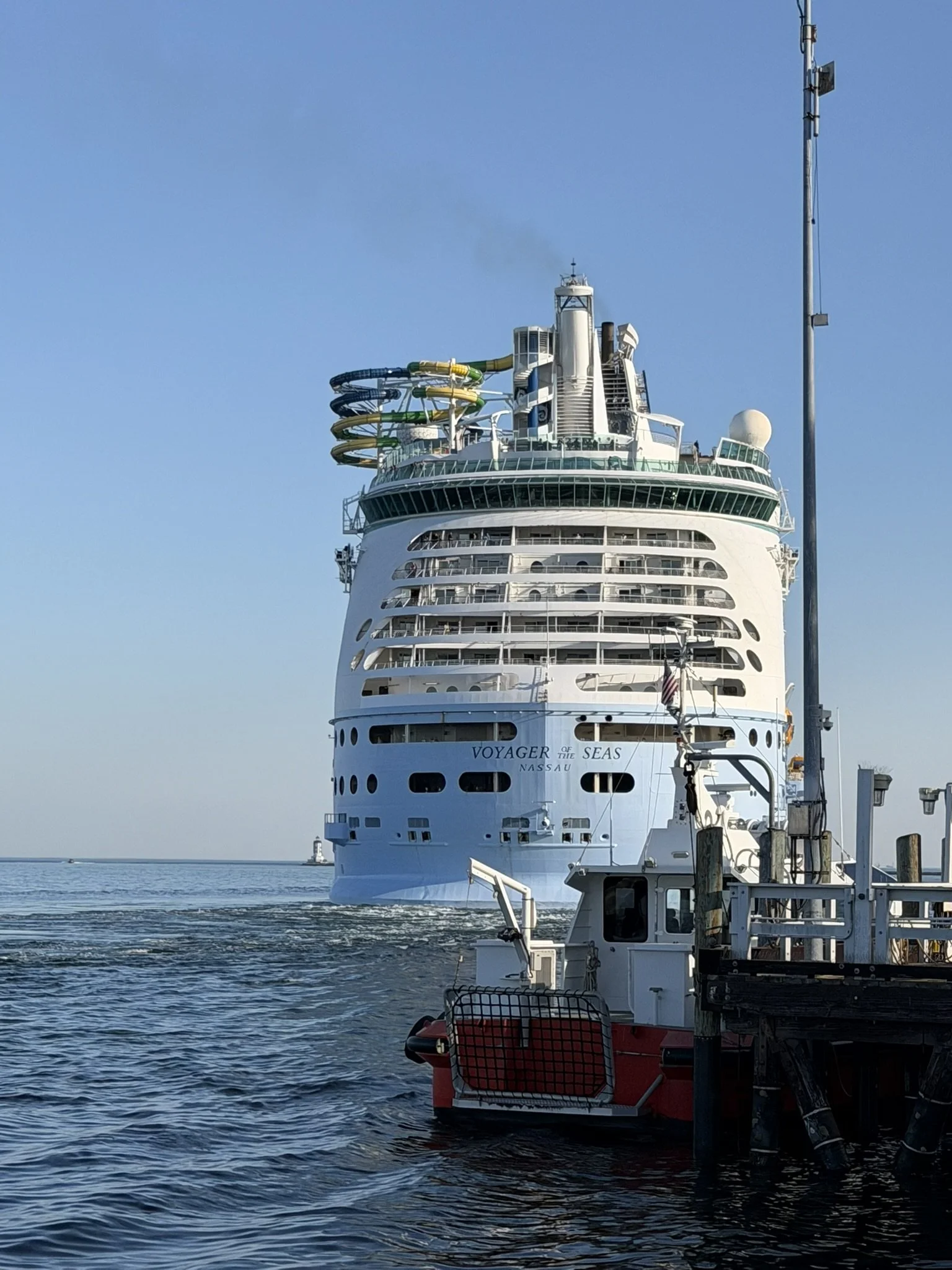
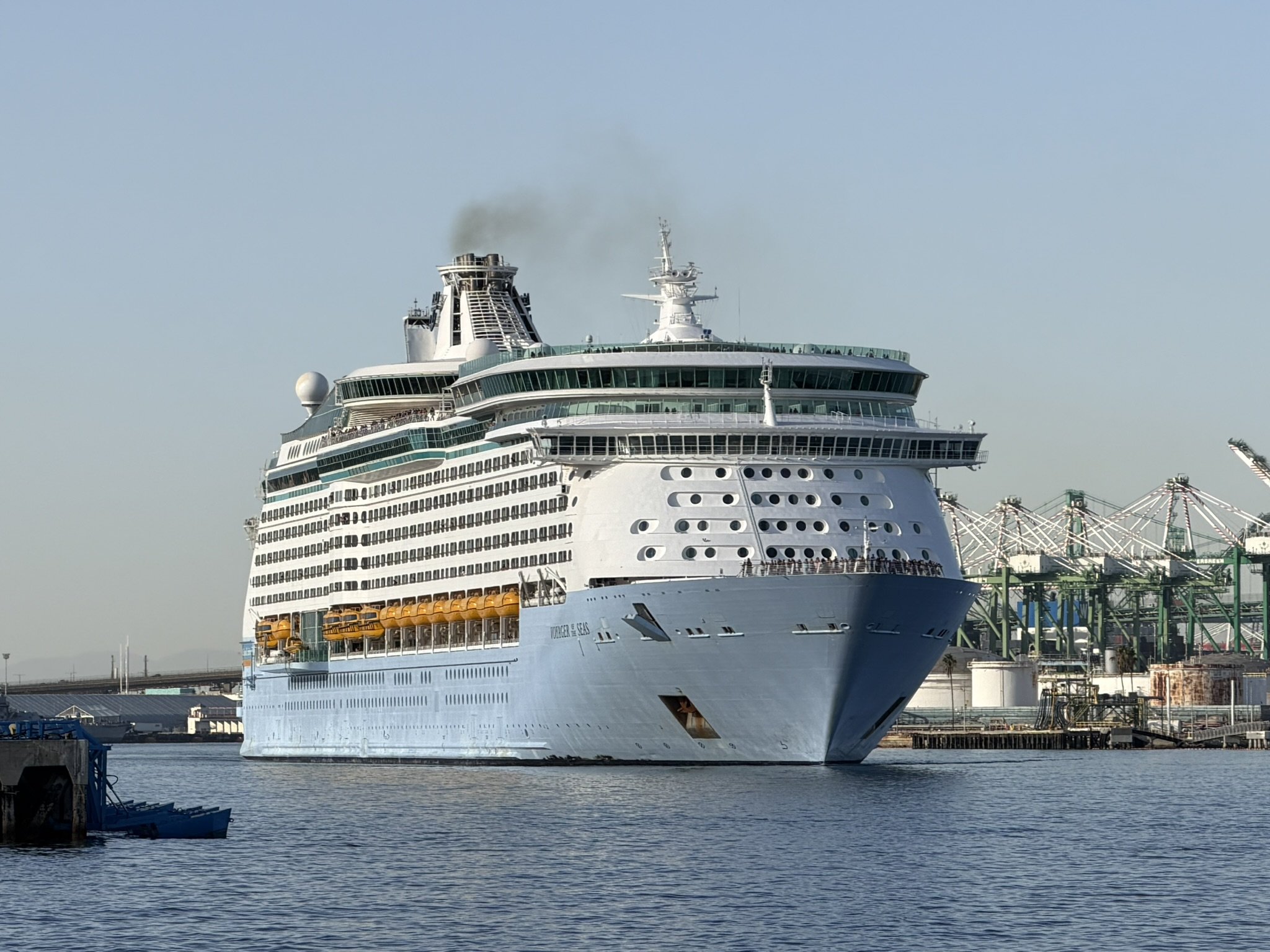
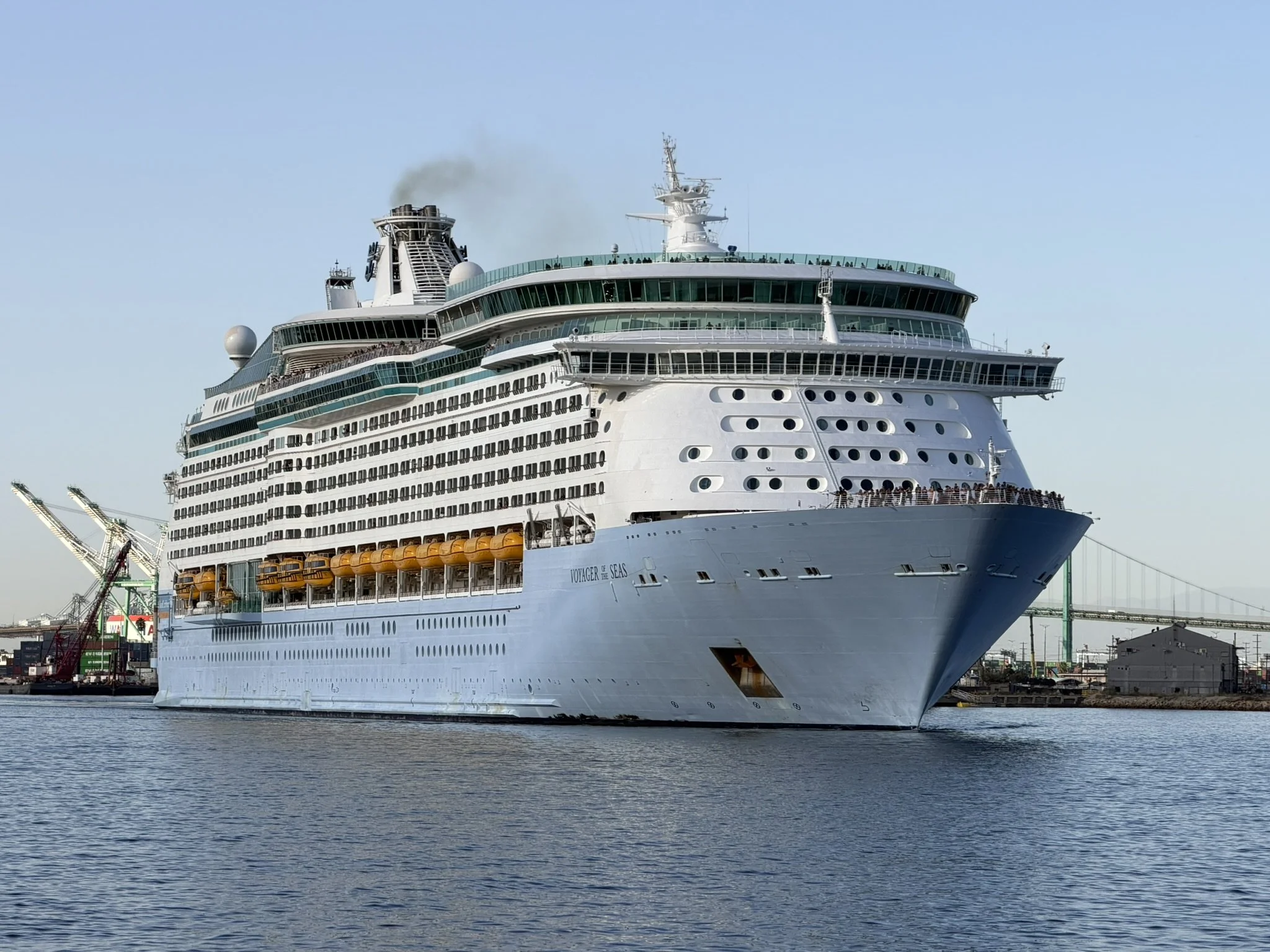
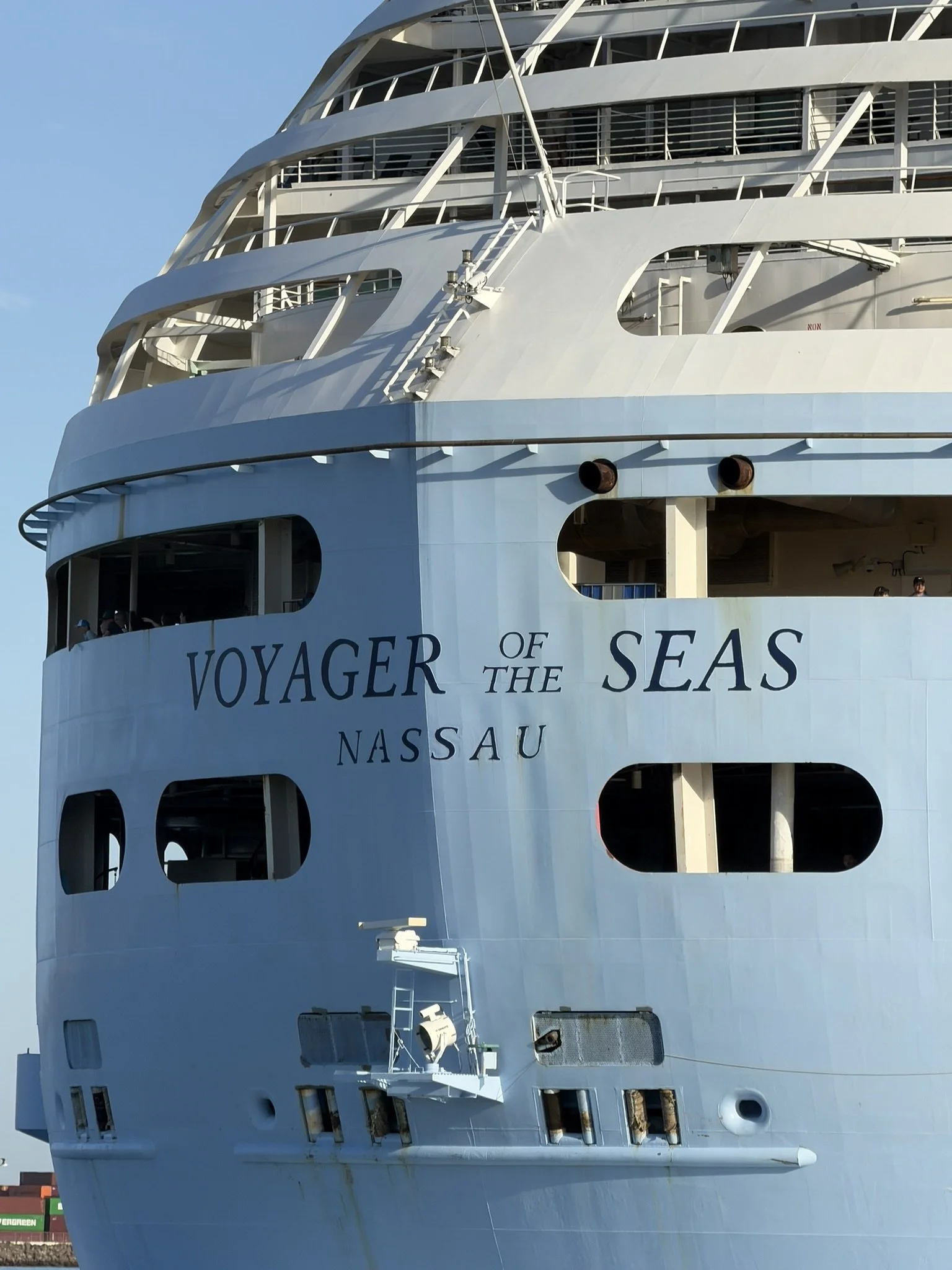
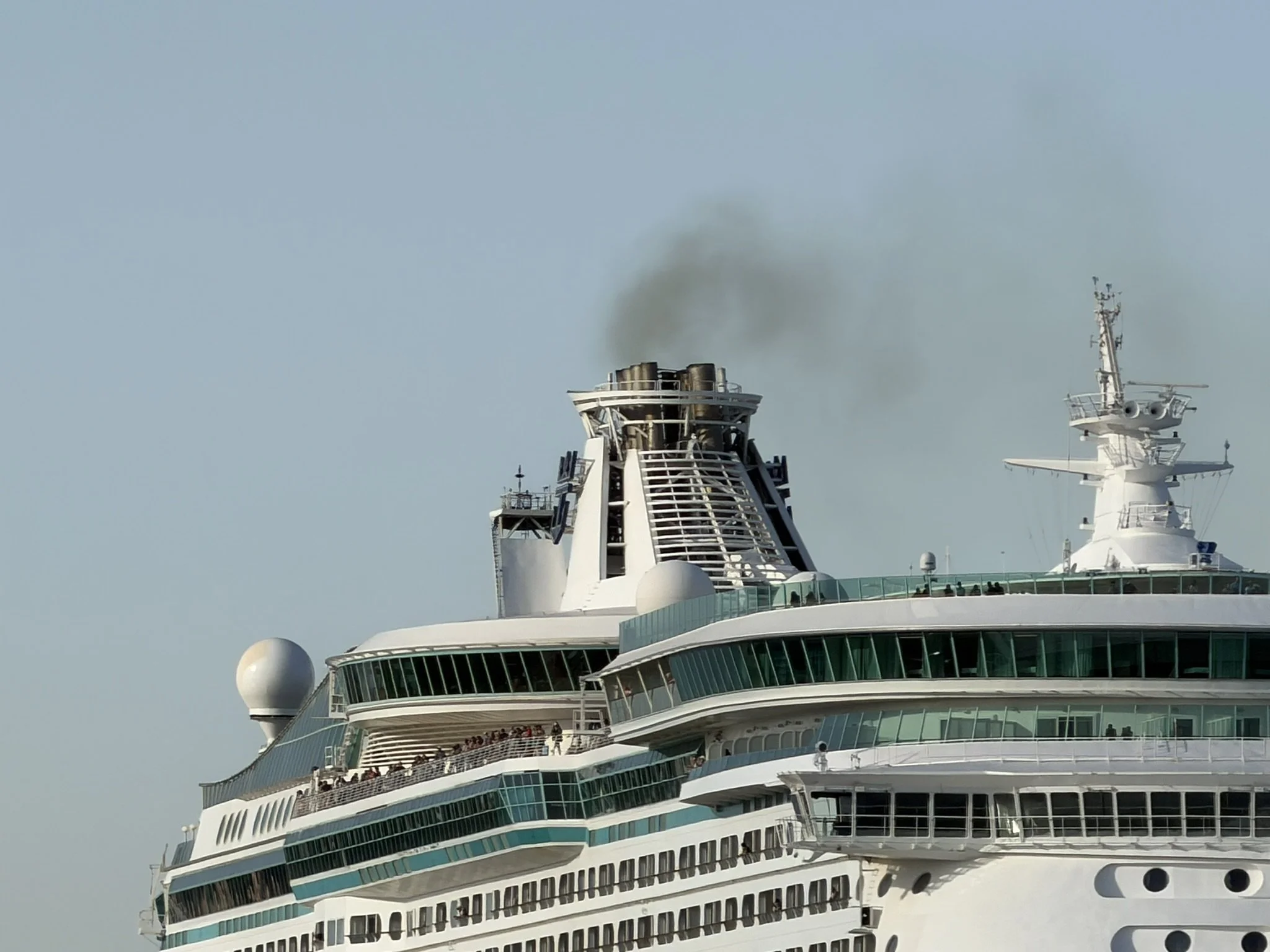
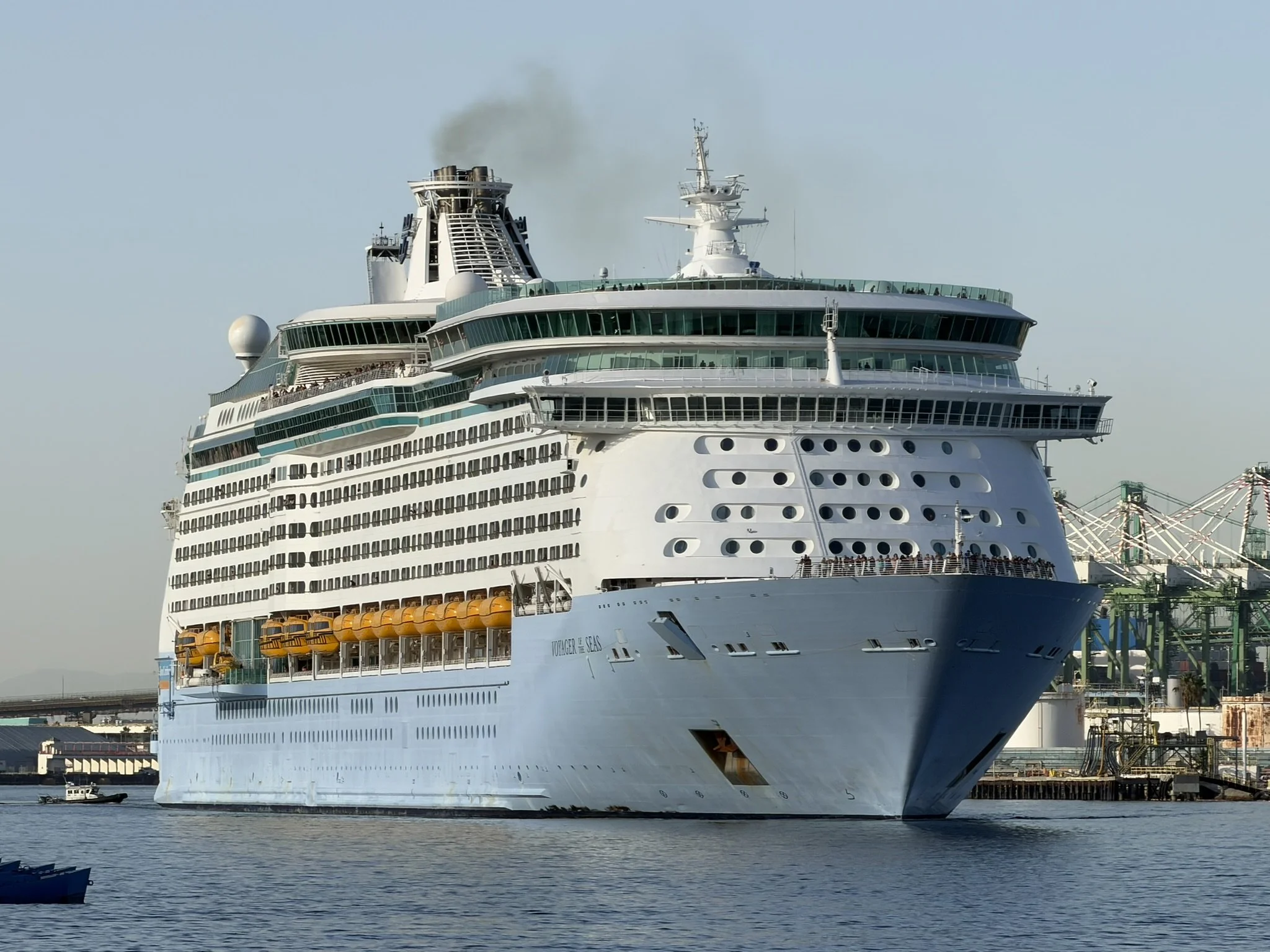
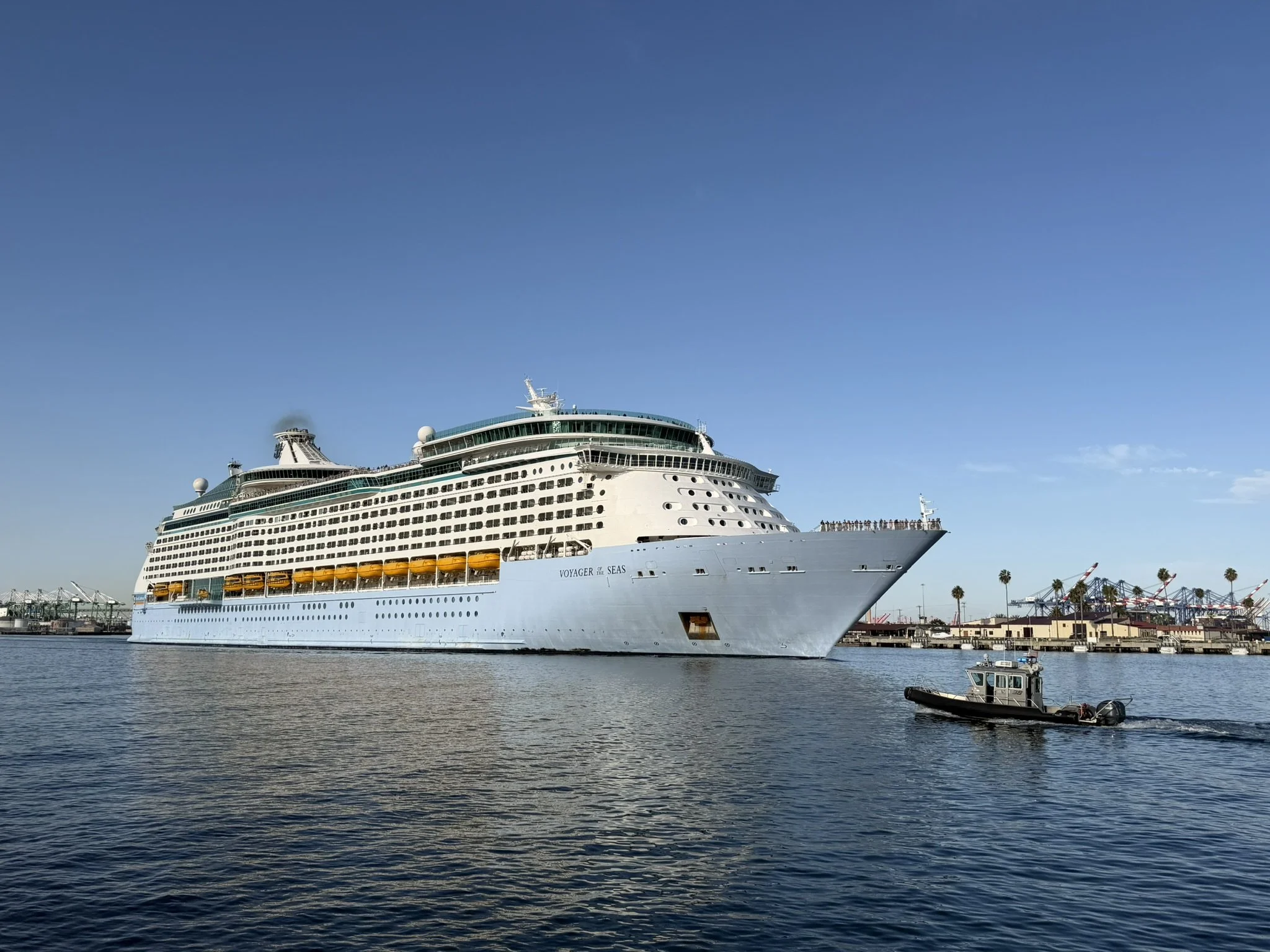
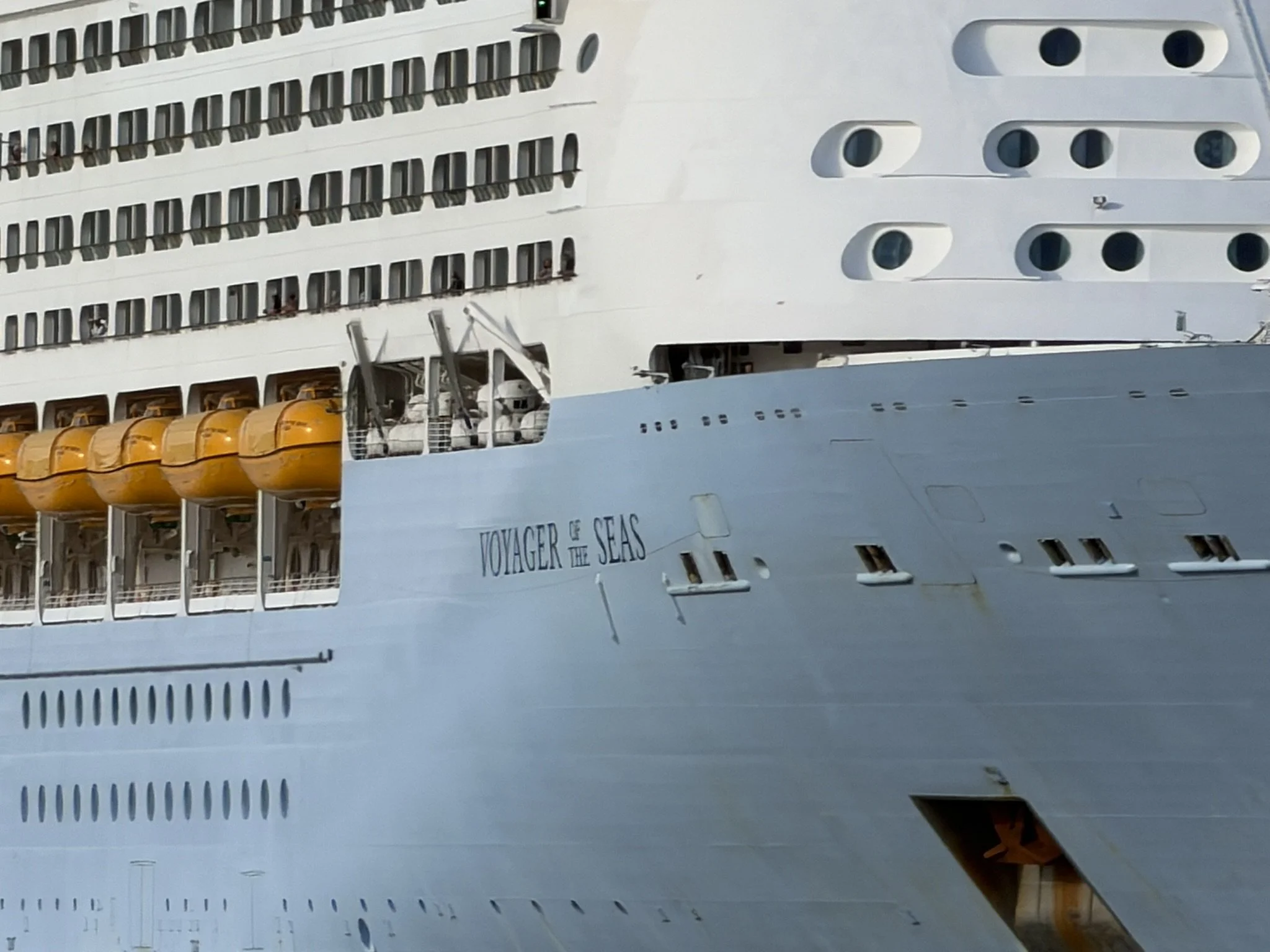
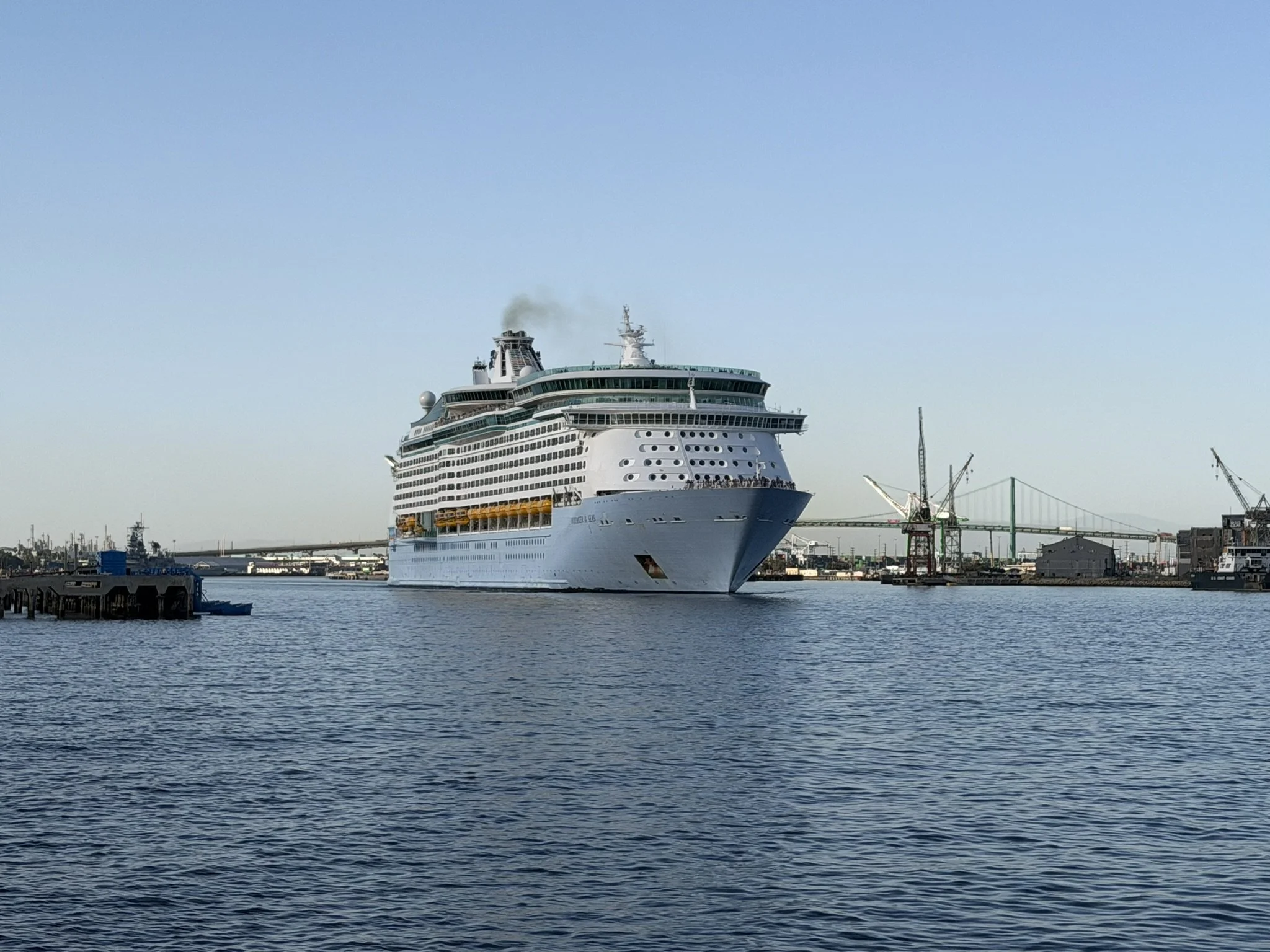
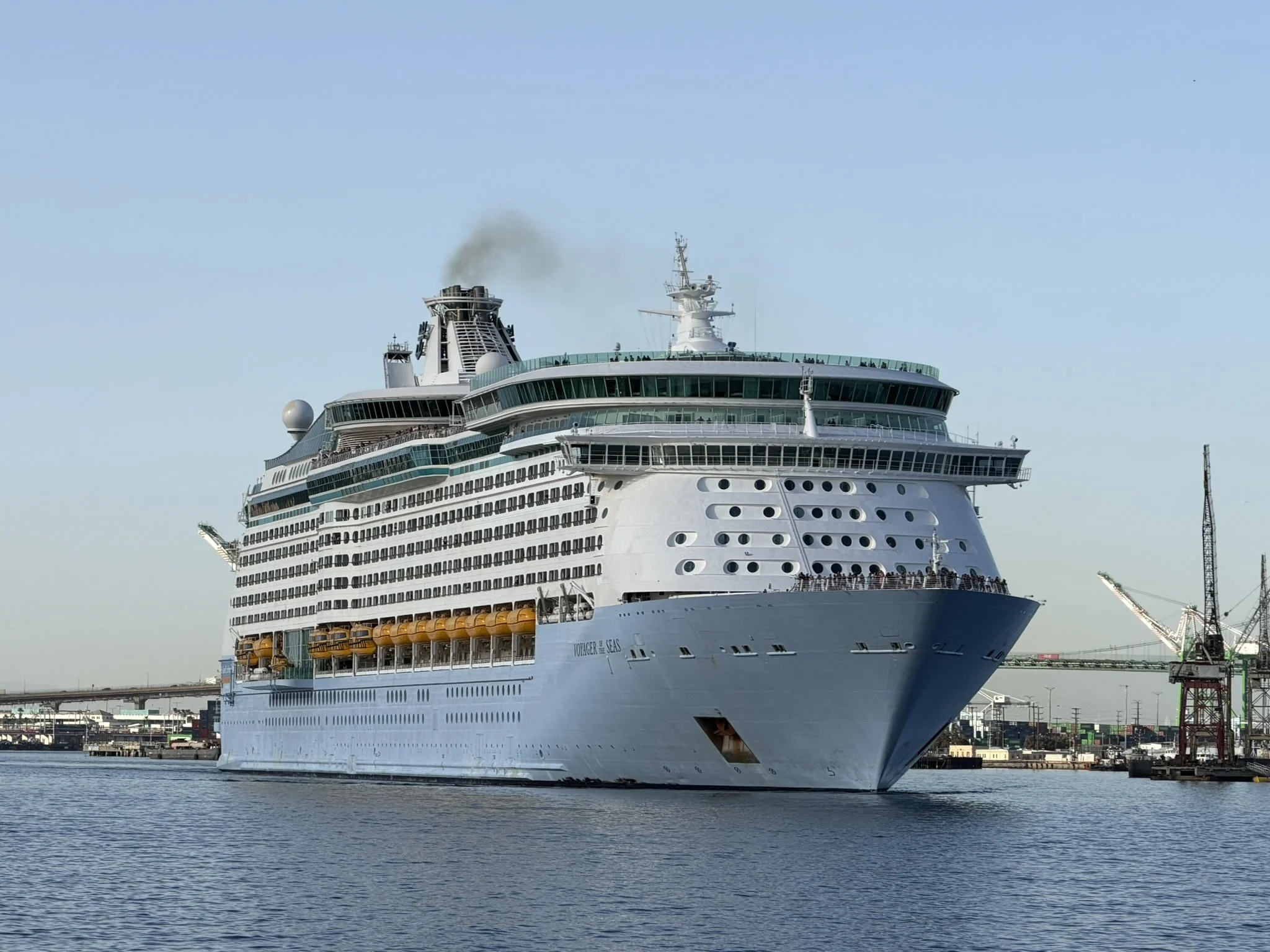
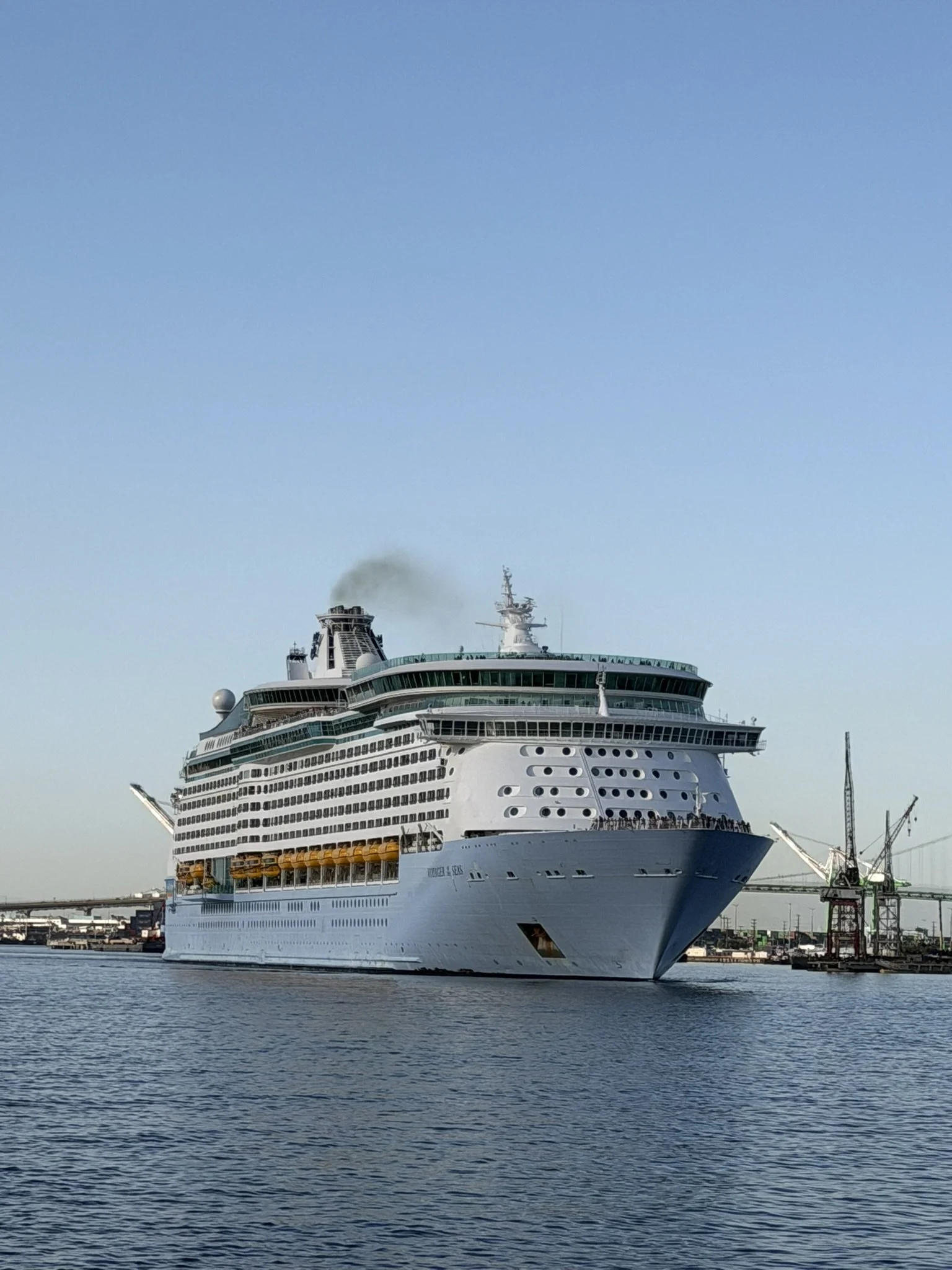
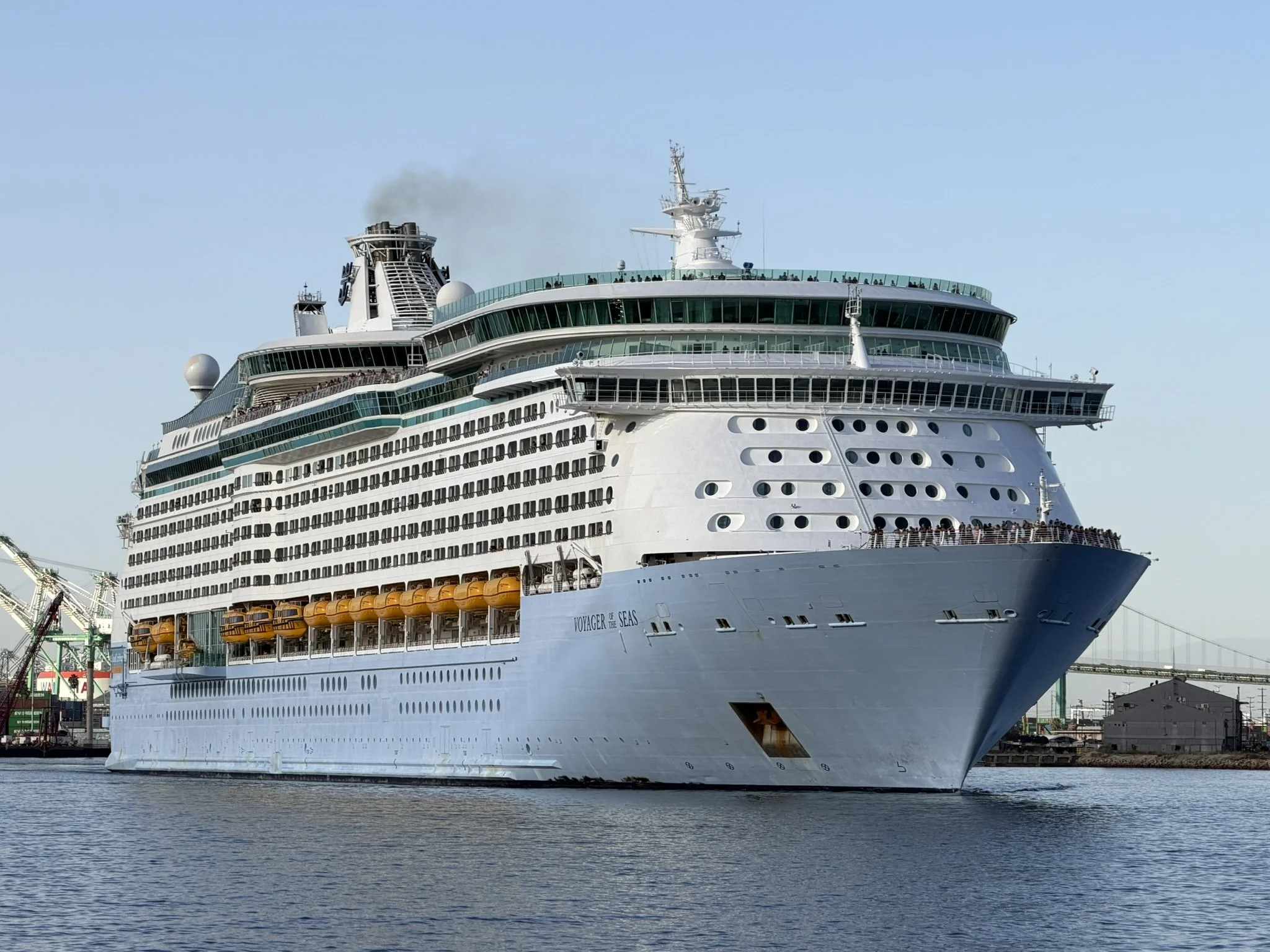
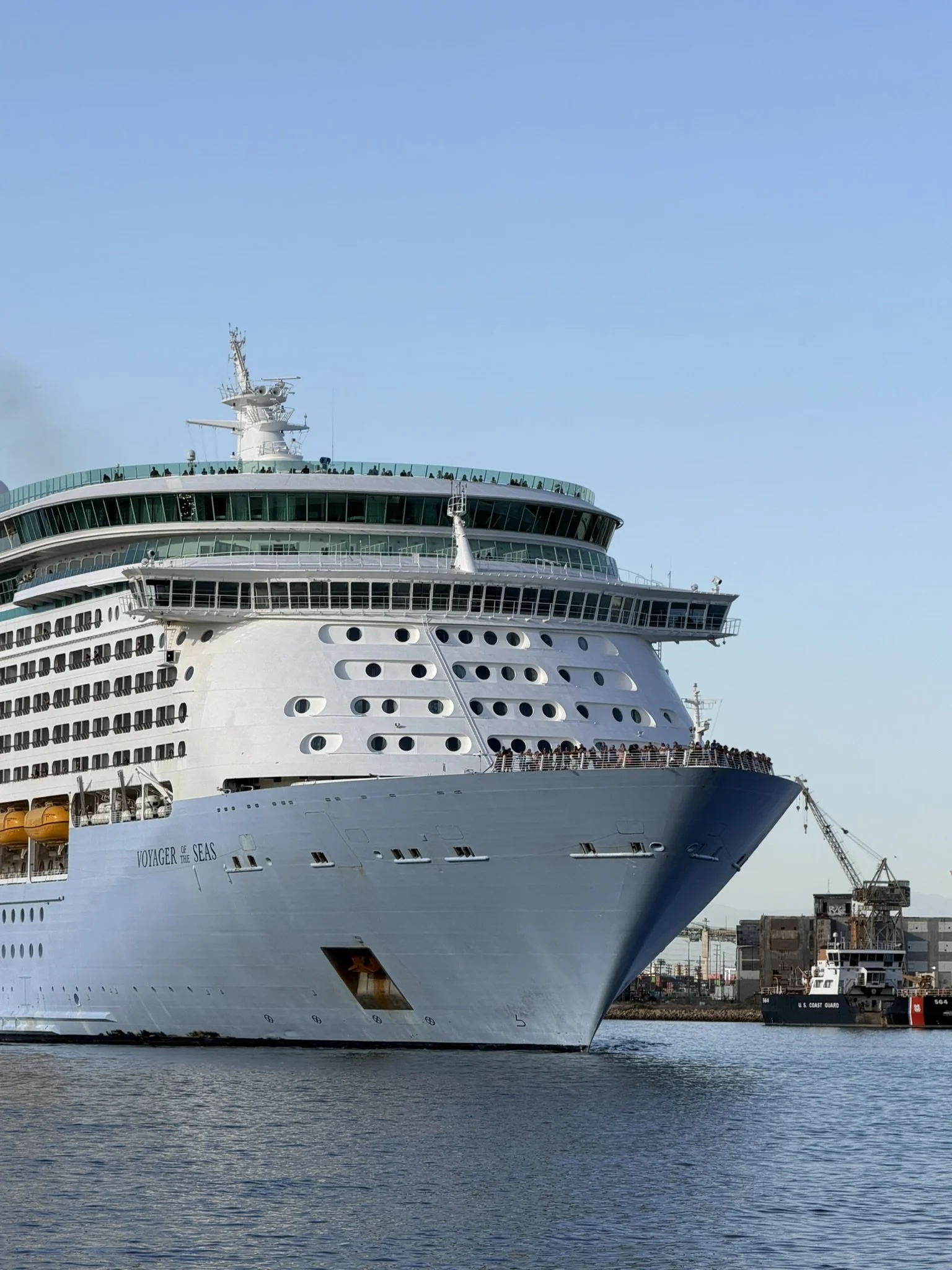
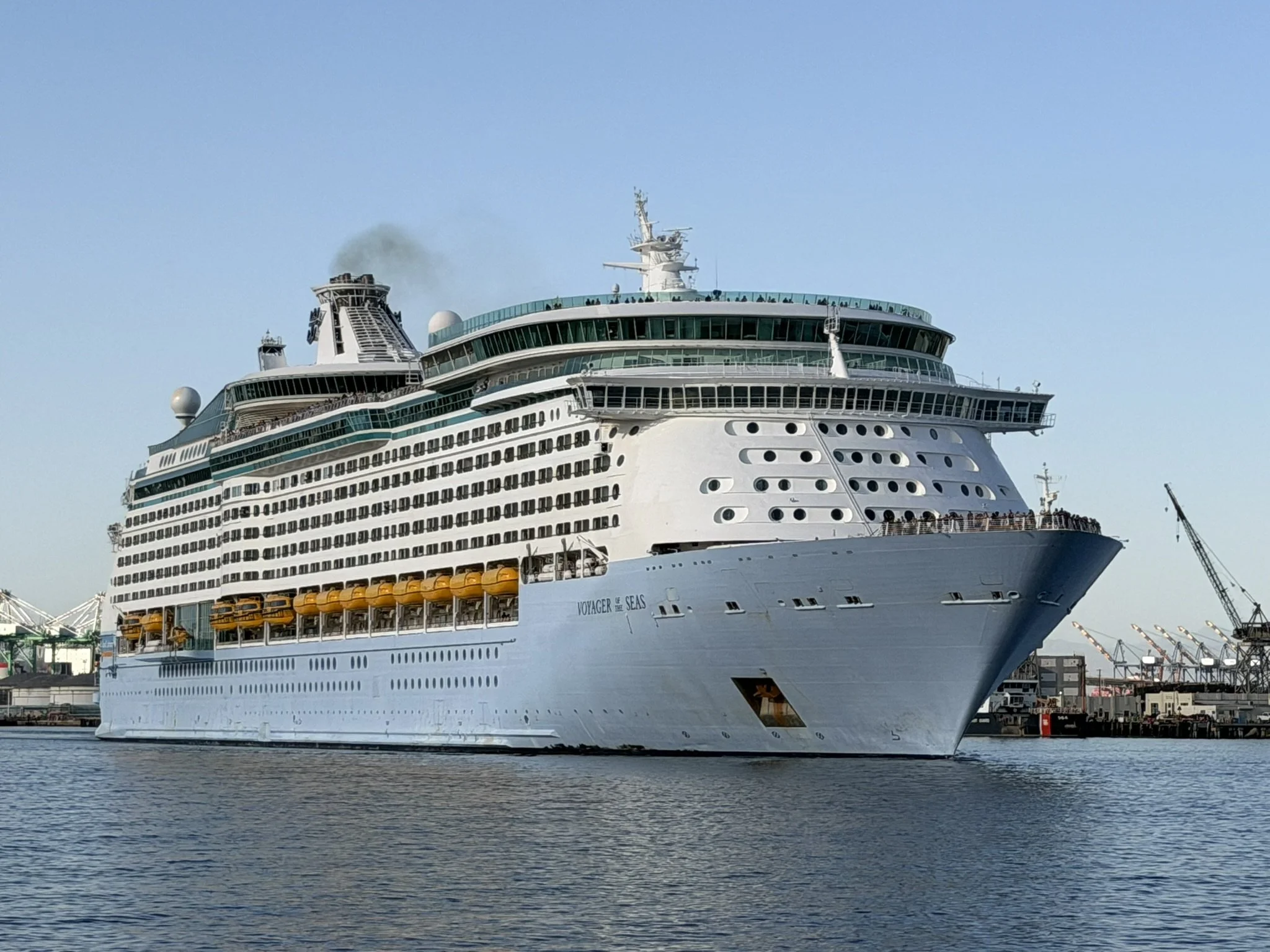
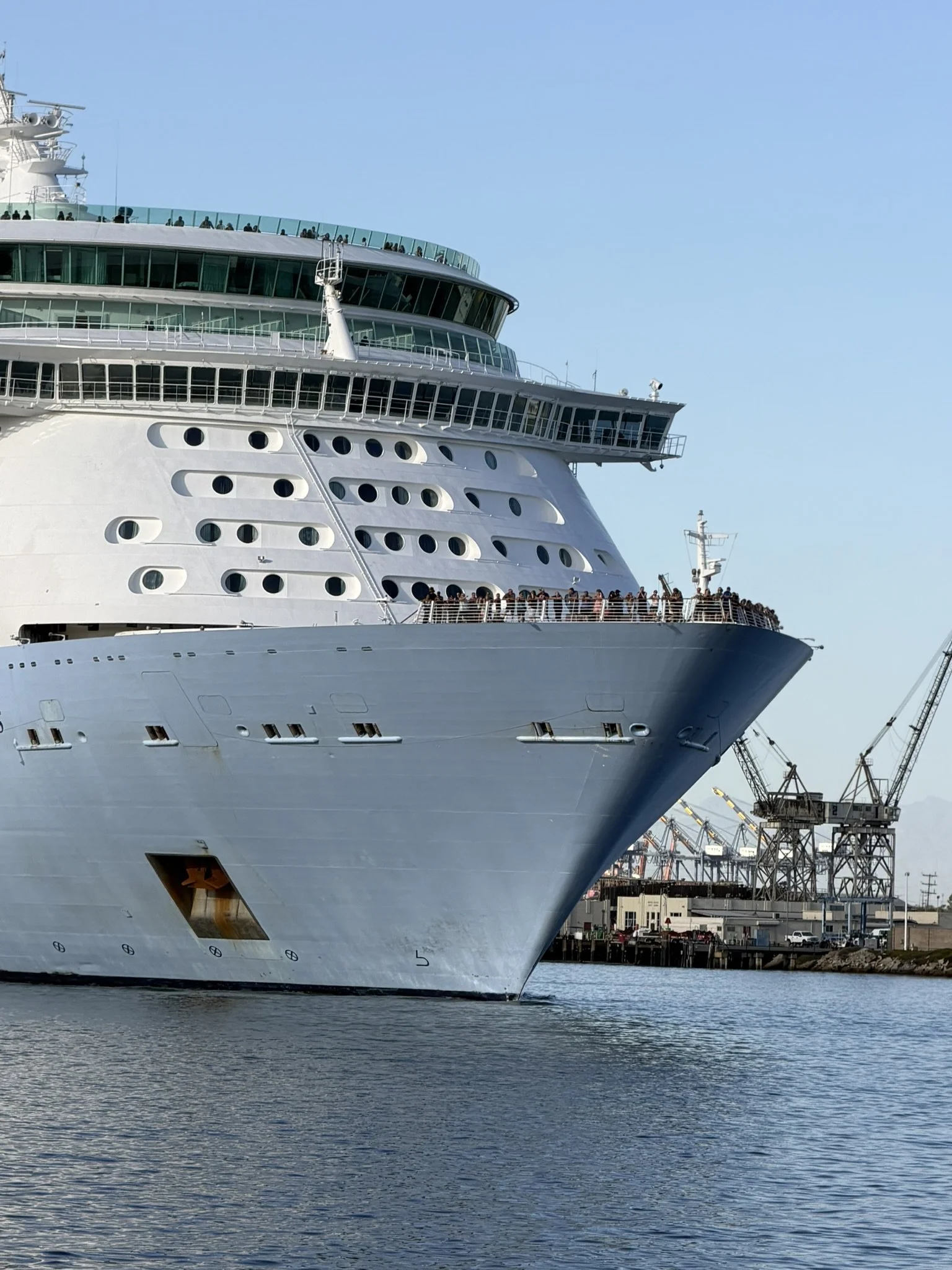
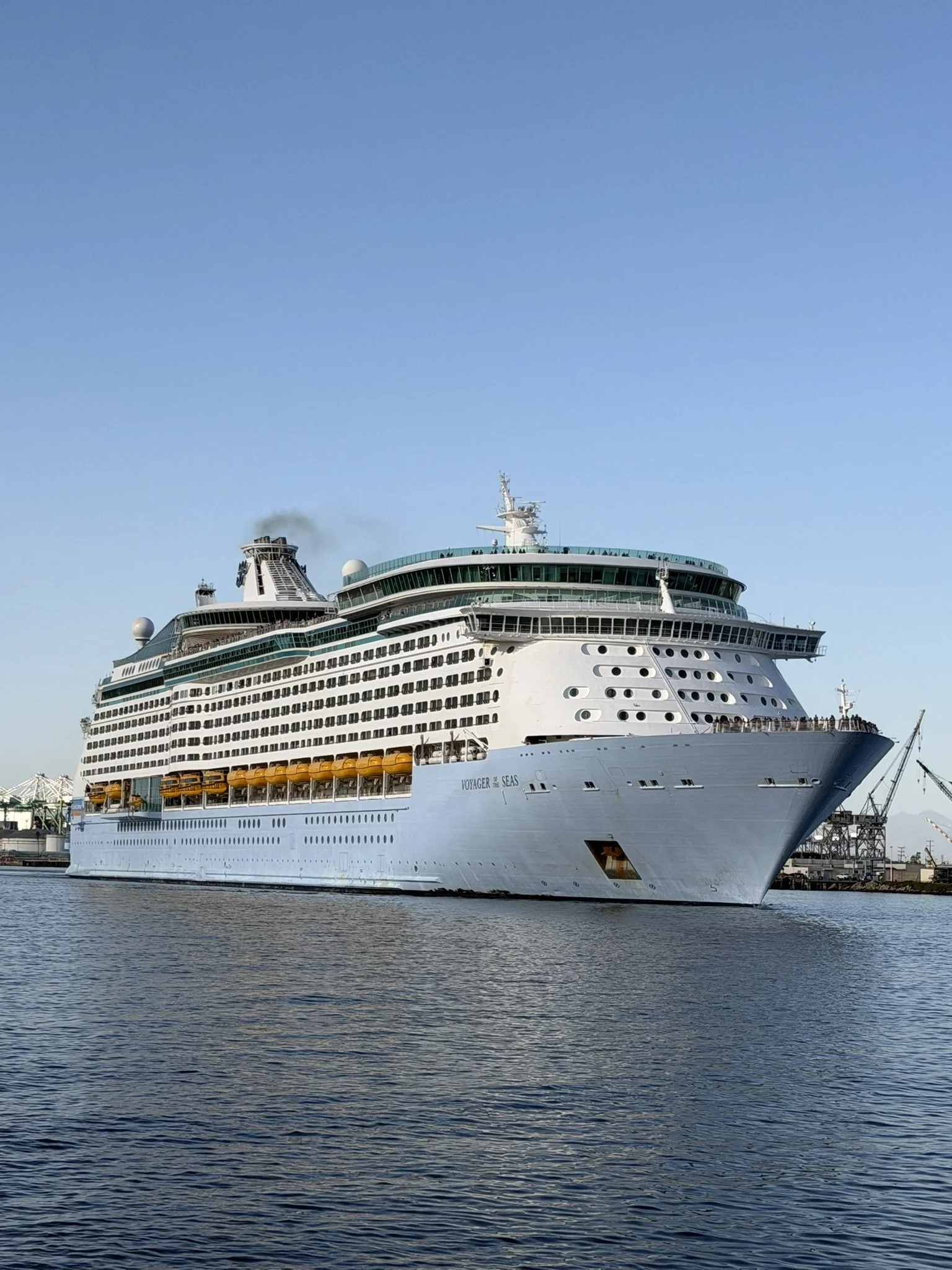
Voyager of the Seas was photographed leaving Los Angeles, California, on October 16, 2026, at the beginning of a six-night cruise to Mexico. Departing from San Pedro, she was setting out on Royal Caribbean’s Cabo Overnight & Ensenada itinerary, with an extended visit to Cabo San Lucas followed by a call at Ensenada. These photographs show her departure at the start of that voyage.
Introduced in 1999, Voyager of the Seas was the first ship in Royal Caribbean’s Voyager class and the largest cruise ship in the world when she entered service. Her debut brought together several features that became closely associated with the company, including an indoor Royal Promenade, an ice-skating rink and a rock-climbing wall. She helped establish a new scale for cruise ships, combining extensive accommodation with a much broader range of recreation and entertainment.
By October 2026, Voyager of the Seas combined those original design ideas with additions made during subsequent modernization work. Her 2019 Royal Amplified refurbishment introduced waterslides, laser tag and redesigned spaces for younger passengers, alongside changes to her spa and accommodation. Her departure from Los Angeles placed this pioneering ship in a different setting from her original Caribbean homeport, beginning a voyage along Mexico’s Pacific coast.
Information List
Ship: Voyager of the Seas
Operator: Royal Caribbean International
Class: Voyager class — first ship of the class
Builder: Kværner Masa-Yards, Turku, Finland
Entered Service: November 1999
Date Photographed: October 16, 2026
Location: Los Angeles, California — departing San Pedro
Voyage: Six-night Cabo Overnight & Ensenada cruise
Scheduled Ports: Cabo San Lucas and Ensenada, Mexico
Scheduled Return: Los Angeles on October 22, 2026
History and Features
Construction and Introduction:
Voyager of the Seas was built at Kværner Masa-Yards in Turku, Finland, as a major expansion of Royal Caribbean’s cruise-ship design.
Delivered in 1999, she became the largest cruise ship in the world at the time of her introduction.
Her arrival in Miami on November 11, 1999, preceded the celebrations surrounding her entry into service.
Her first passenger cruise departed Miami on November 21, beginning a program of seven-night Western Caribbean voyages.
A New Direction for Royal Caribbean:
As the first Voyager-class ship, Voyager of the Seas established the basic design for a new generation of Royal Caribbean vessels.
Her size allowed the company to bring together facilities that had previously been difficult to accommodate aboard a single cruise ship.
The design placed considerable emphasis on activities and entertainment as part of the shipboard experience.
Features introduced with her helped shape the identity of later Royal Caribbean ships, particularly their indoor gathering spaces and sports facilities.
The Royal Promenade:
The Royal Promenade introduced an indoor boulevard lined with shops, dining venues and places for passengers to gather.
It provided a substantial public space within the ship, extending the range of activities available away from the open decks.
Some interior staterooms were designed with windows overlooking the promenade, offering views into this central area.
This arrangement became one of the defining features associated with the Voyager class and later Royal Caribbean designs.
Studio B and Entertainment:
Voyager of the Seas introduced ice skating at sea, with Studio B providing a dedicated venue aboard a large passenger ship.
The rink brought a different form of live entertainment to cruising, complementing the ship’s theater productions.
Ice shows remain part of her entertainment offering, alongside stage performances and other onboard activities.
Studio B also accommodates Battle for Planet Z laser tag, added as part of her later modernization.
Open-Deck Recreation:
A rock-climbing wall was among the recreational features that distinguished Voyager of the Seas when she entered service.
Her present activity lineup also includes a FlowRider surf simulator and an outdoor miniature-golf course.
Swimming pools and whirlpools provide additional space for passengers spending time on the open decks.
The adults-only Solarium offers another pool area, while the sports facilities give passengers several options during days at sea.
The 2019 Royal Amplified Refurbishment:
Royal Caribbean’s approximately US$97 million modernization expanded the ship’s activities and updated a number of public spaces.
The Perfect Storm introduced the Typhoon and Cyclone racing waterslides, adding a prominent attraction to the upper decks.
Adventure Ocean and the teen areas were redesigned, and a nursery was introduced for younger children.
The work also included a relocated and enhanced Vitality Spa and Fitness Centre, refreshed Solarium facilities and 72 additional staterooms.
The October 16, 2026 Itinerary:
The six-night voyage began in Los Angeles on October 16, with the following day scheduled at sea.
Cabo San Lucas was scheduled for an overnight visit spanning October 18 and 19, allowing an evening in port.
A second sea day on October 20 was followed by a scheduled call at Ensenada on October 21.
The itinerary concluded with a scheduled return to Los Angeles on October 22, completing the round trip from Southern California.
Photographed Departing Los Angeles:
These photographs show Voyager of the Seas leaving Los Angeles on October 16, 2026.
The departure marked the beginning of her six-night voyage to Cabo San Lucas and Ensenada.
This gallery focuses on the ship underway as she left port, with the docked photographs forming a separate gallery.
OLP Social: Voyager of the Seas heads out from Los Angeles for six nights along Mexico’s Pacific coast, with an overnight stay in Cabo San Lucas ahead.