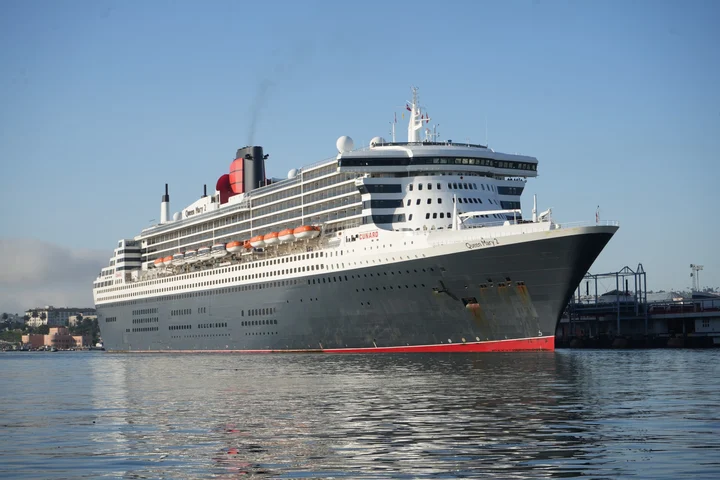
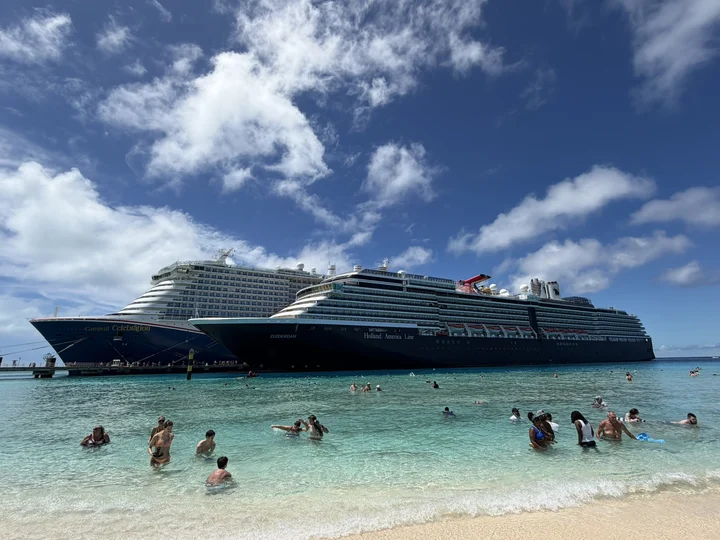
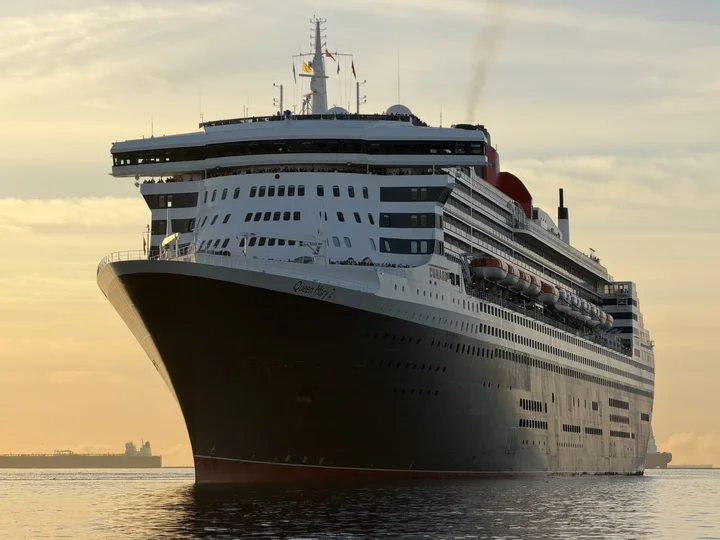
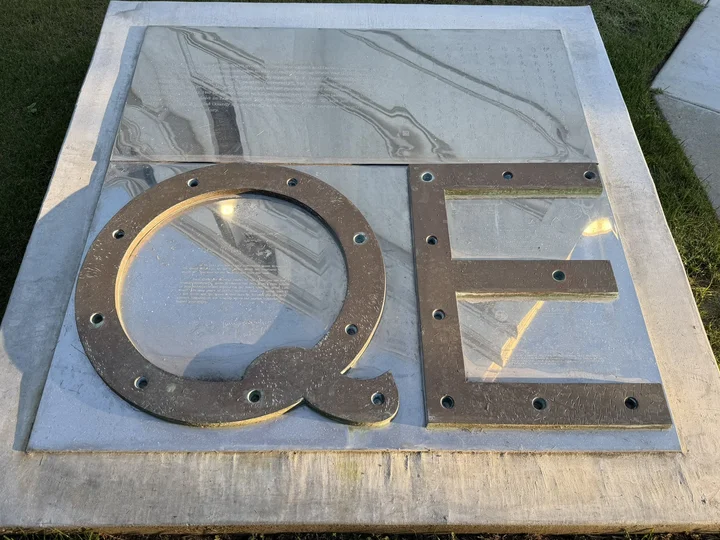
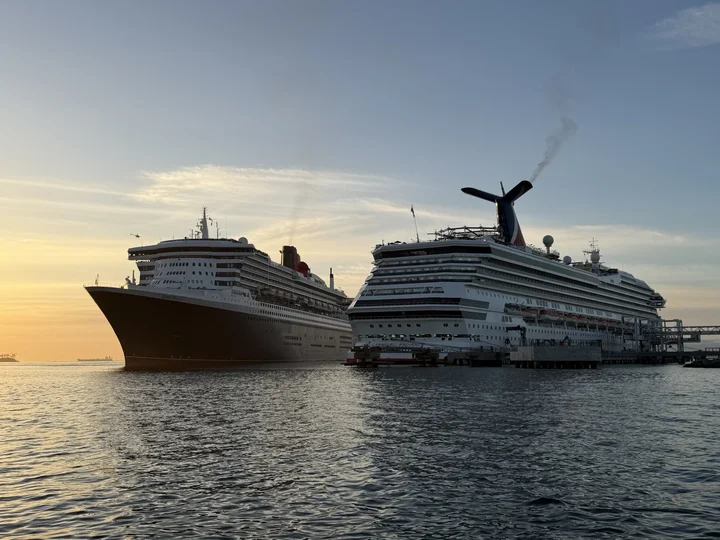
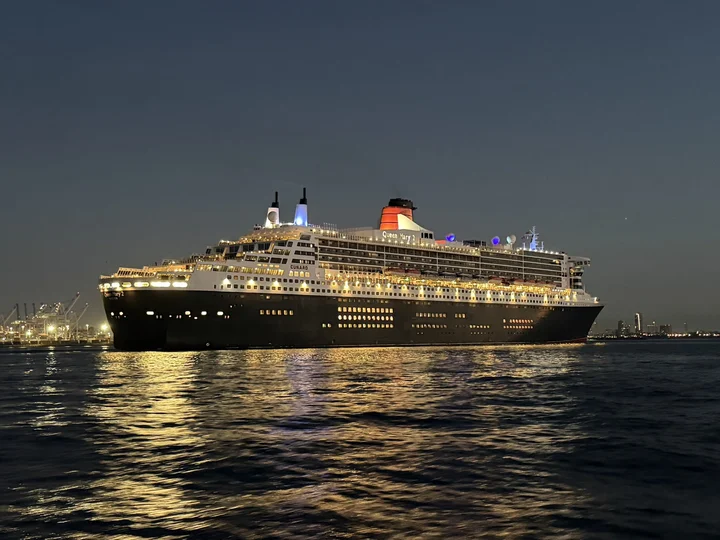
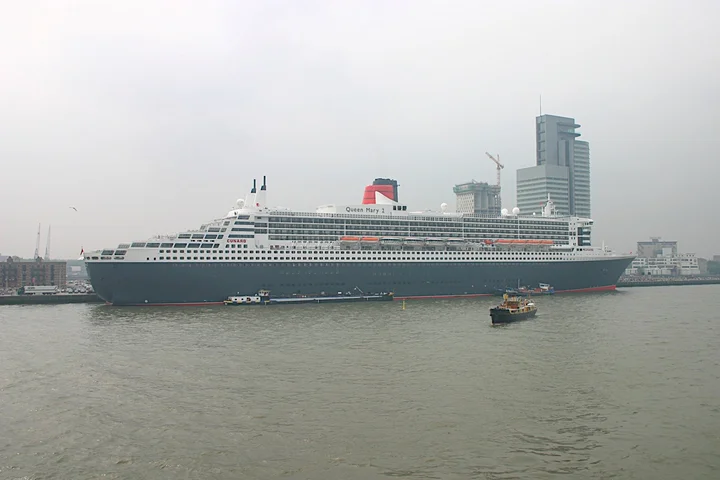
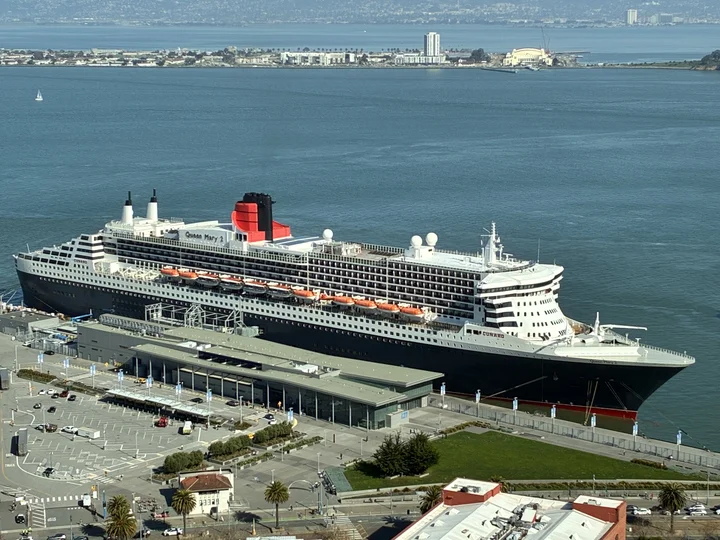
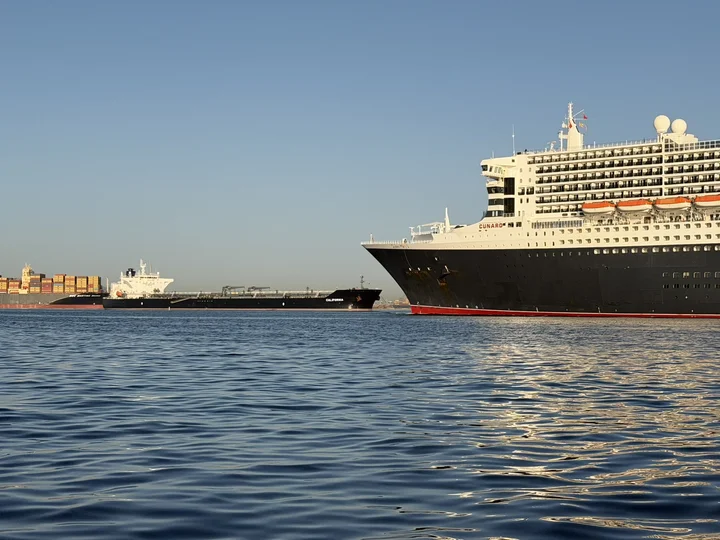
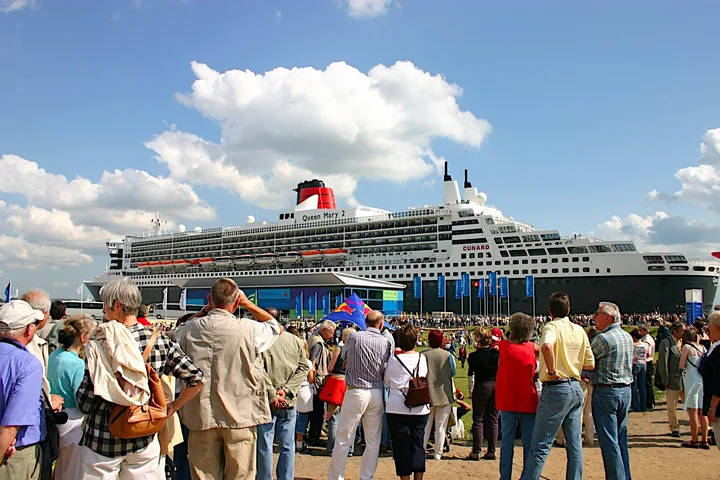
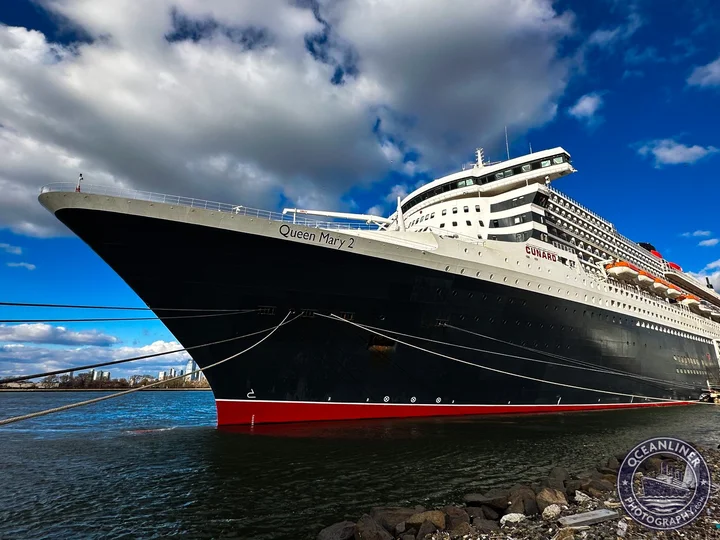
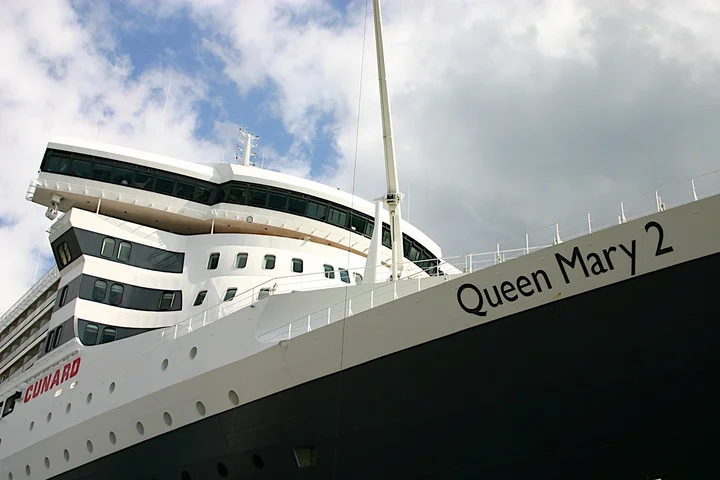
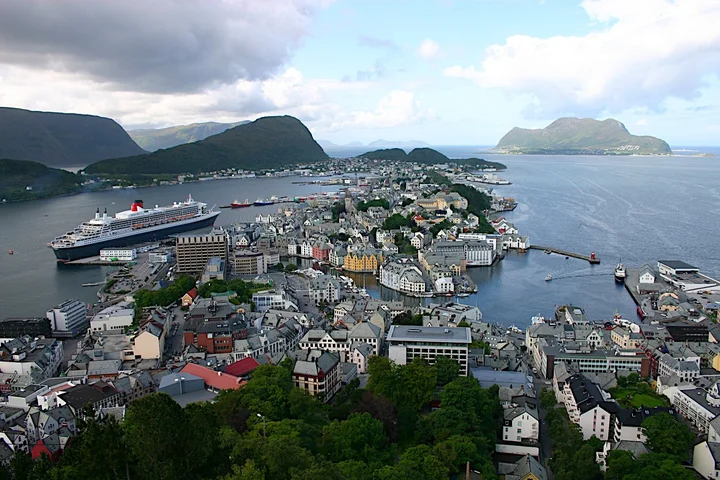
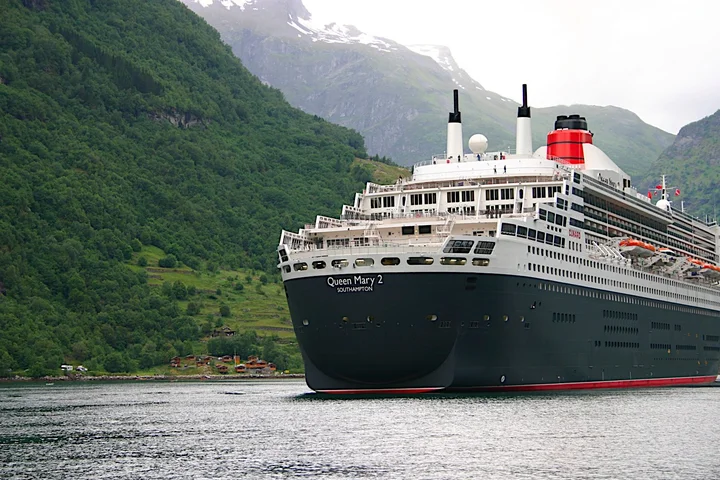
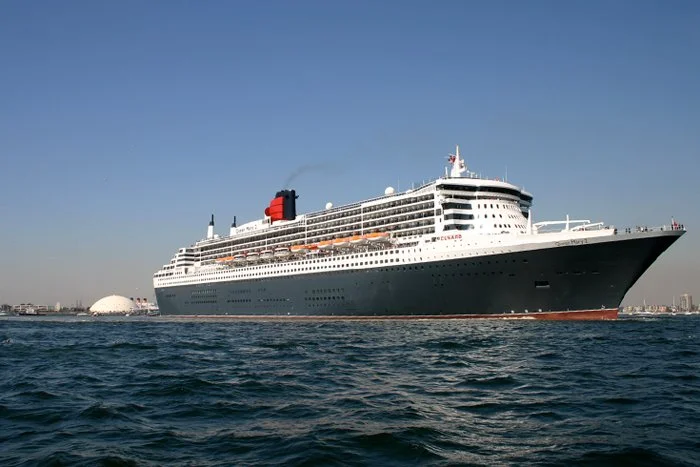
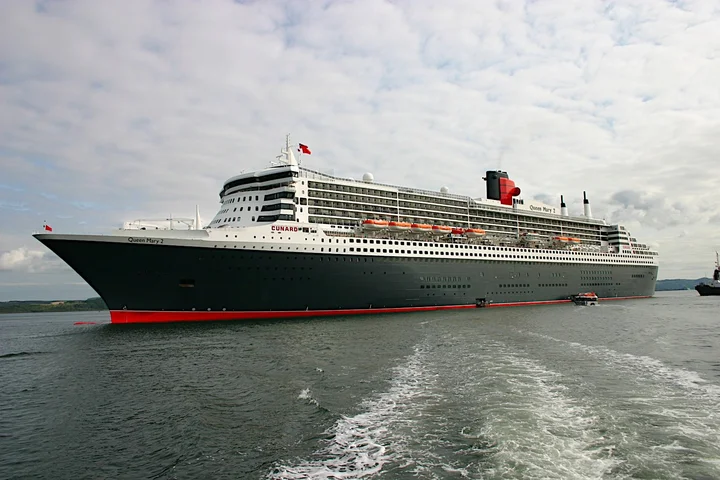
Queen Mary 2 is Cunard’s flagship ocean liner, built at Chantiers de l’Atlantique in Saint-Nazaire, France, and introduced in 2004. Designed for transatlantic service, she continues the tradition of crossings between Southampton and New York while also undertaking cruises and world voyages. Her long hull, black-and-red livery and single red funnel connect the appearance of classic liners with a modern passenger ship.
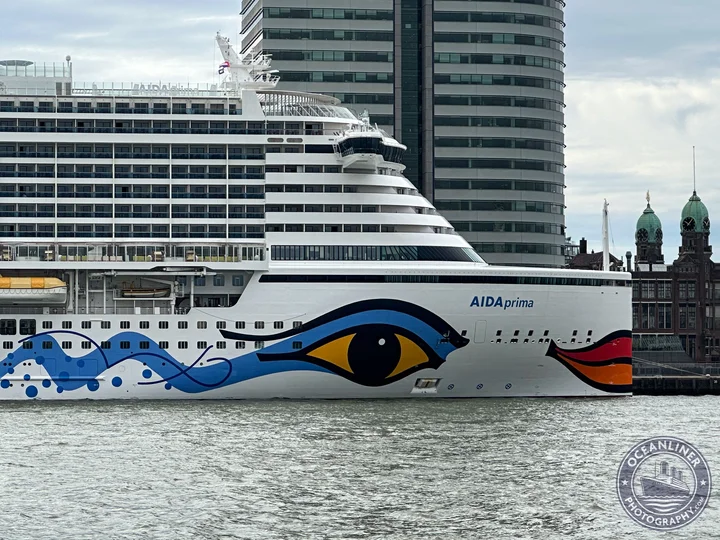
Built by Mitsubishi Heavy Industries in Nagasaki, Japan, AIDAprima was commissioned in March 2016. At approximately 124,100 gross tons and 300 meters long, she represented a major expansion in size and design for AIDA Cruises and introduced features developed specifically for year-round cruising in Northern Europe.
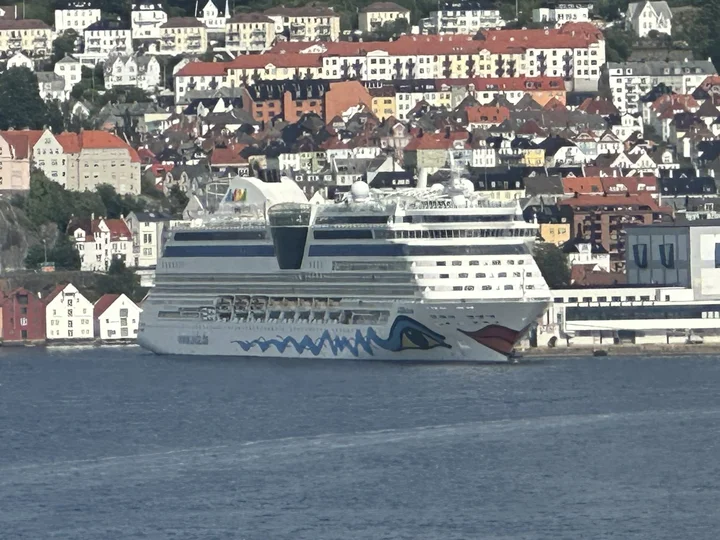
AIDAsol is part of the generation of ships that helped expand AIDA Cruises into one of the leading cruise brands serving the German market. Delivered by Meyer Werft in 2011, she belongs to the modified Sphinx class and followed the distinctive design established by the earlier ships in the series, including the large glass-fronted Theatrium at the center of the ship and AIDA’s unmistakable eye-and-lips artwork across the bow. Designed for informal resort-style cruising, AIDAsol has spent much of her career sailing from German ports to Northern Europe while also operating longer voyages to destinations throughout Europe and beyond.
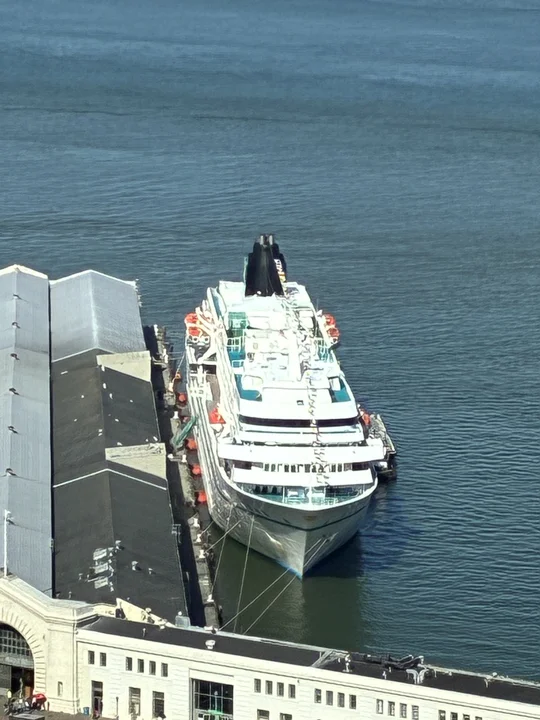
Amadea is a relatively small cruise ship with an unusual history connecting the Japanese and German cruise markets. Built by Mitsubishi Heavy Industries in Nagasaki, Japan, she entered service in 1991 as Asuka for NYK Cruises and became one of the most prominent modern cruise ships developed specifically for the Japanese market during that era. After approximately 15 years in Japanese service, she was replaced by the larger Asuka II and began a new career in 2006 as Amadea, operating for German tour operator Phoenix Reisen.
Aurora began her career in postwar Germany as Wappen von Hamburg, entering service in 1955 on excursions between Hamburg and Helgoland. Later converted for cruising, she sailed under several names, including Delos and Polar Star, with a career connecting European waters, Alaska and California. Her smaller scale and traditional passenger-ship profile distinguished her from the much larger cruise ships that followed.
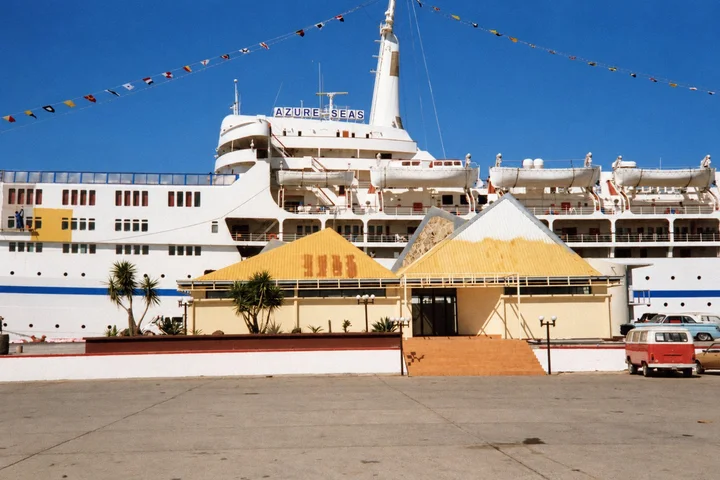
Azure Seas began life as Southern Cross, the passenger liner built by Harland & Wolff in Belfast for Shaw, Savill & Albion and introduced in 1955. Converted for cruising later in her career, she became a familiar West Coast ship under Admiral Cruises. Her history connects the era of long-distance passenger liners with the growth of short holiday cruises from Southern California.
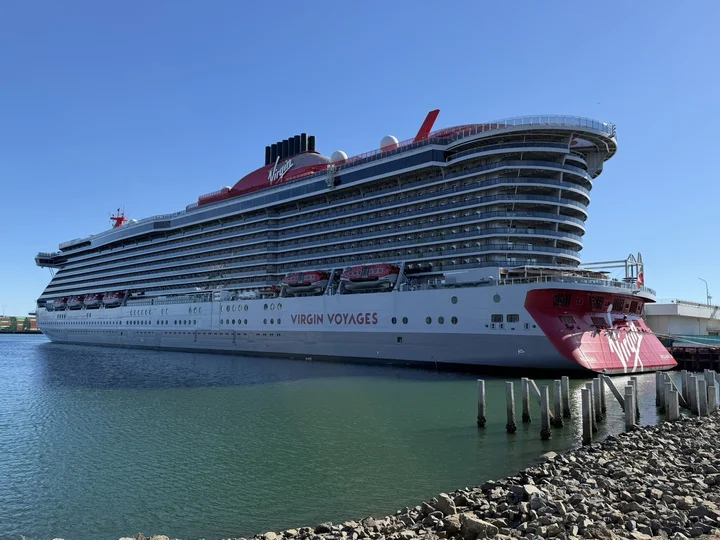
Built by Fincantieri in Italy, Brilliant Lady was floated out on November 25, 2022, and began her maiden voyage from New York on September 5, 2025. She followed Scarlet Lady, Valiant Lady and Resilient Lady as the fourth ship in the company’s original fleet. Although closely related to her sisters, she incorporated changes that enabled passage through the Panama Canal, giving her access to deployments on both sides of North America.
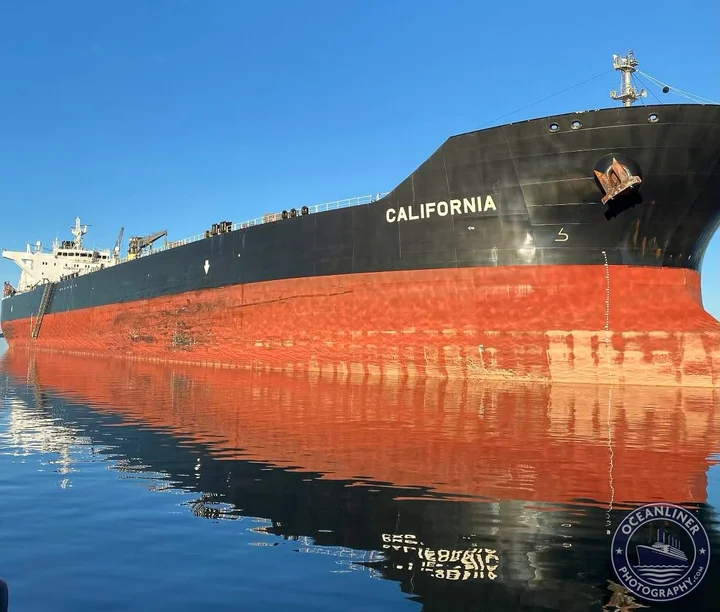
Built by Aker Philadelphia Shipyard in the United States, the tanker entered service in 2015 as Eagle Bay for SeaRiver Maritime. Crowley acquired and renamed her California in 2018, continuing her work carrying Alaskan crude oil to West Coast refineries. At about 823 feet long and 62,318 GT, she was designed around cargo tanks, pumping systems and the practical requirements of transporting petroleum between American ports.
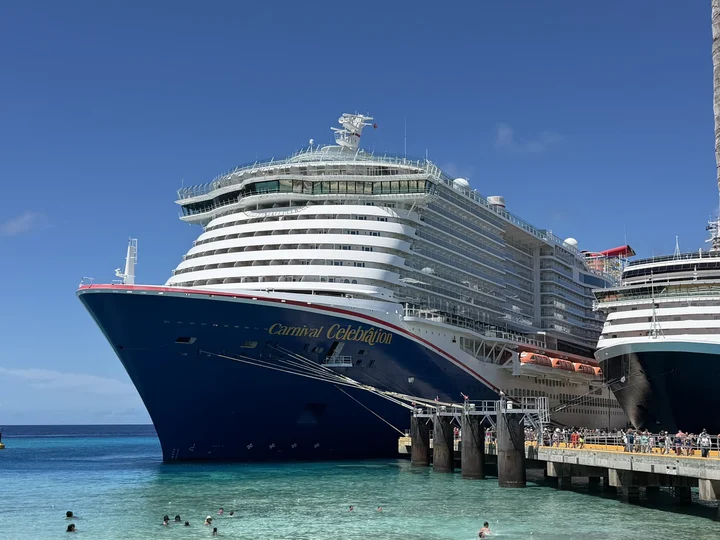
Carnival Celebration entered service in 2022 as Carnival Cruise Line’s second Excel-class ship, following Mardi Gras. Built by Meyer Turku in Finland, she represents a substantially larger generation of Carnival vessels, with a design developed around extensive accommodations, dining and entertainment spaces. Her name also connects this modern ship with Carnival’s earlier Celebration.
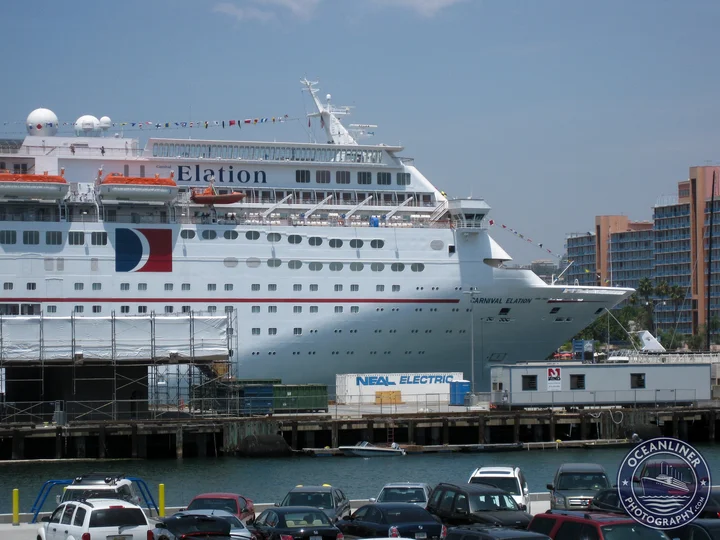
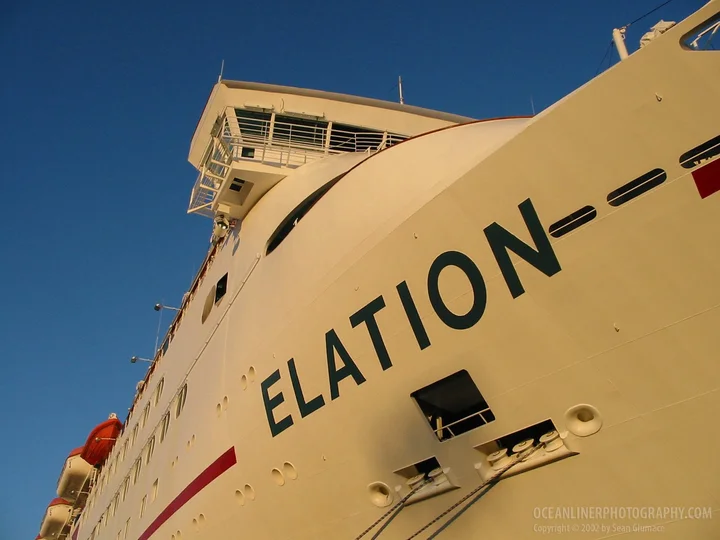
Carnival Elation entered service in 1998 as the seventh of Carnival Cruise Line’s eight Fantasy-class ships. Built by Kværner Masa-Yards in Finland and originally named Elation, she was also the first cruise ship equipped with ABB’s Azipod propulsion. Her career belongs to a generation of smaller Carnival vessels that helped expand the line’s short-cruise operations.
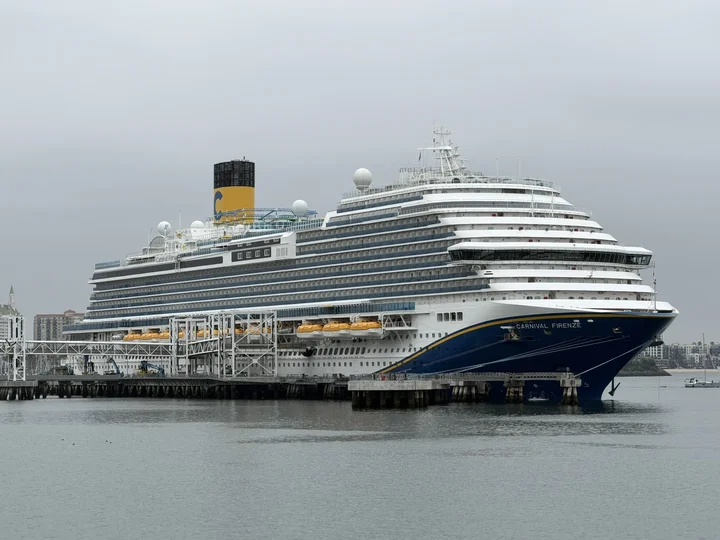
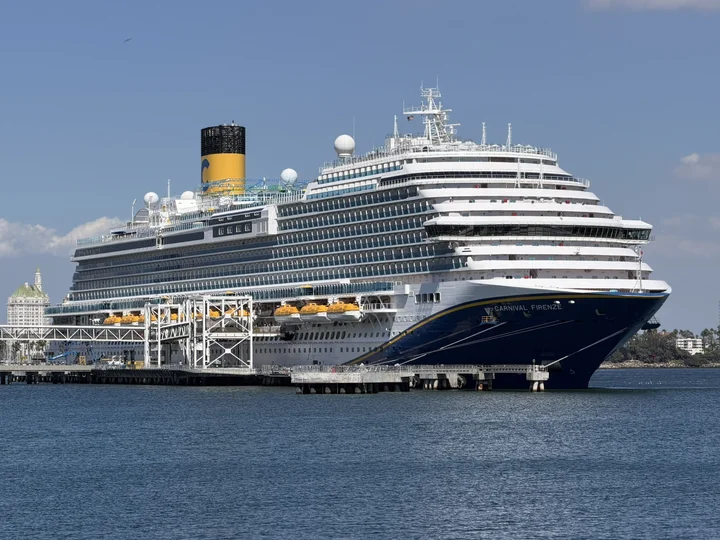
Carnival Firenze is a Vista-class cruise ship with an unusual history linking Costa Cruises’ expansion in Asia with Carnival Cruise Line’s growing presence on the West Coast. Built by Fincantieri at Marghera, Italy, and delivered in December 2020 as Costa Firenze, the ship was designed around the architecture, art, and atmosphere of Florence and the Italian Renaissance. Originally intended primarily for Costa’s Asian market, her career changed considerably following the disruption of the cruise industry during the COVID-19 pandemic.
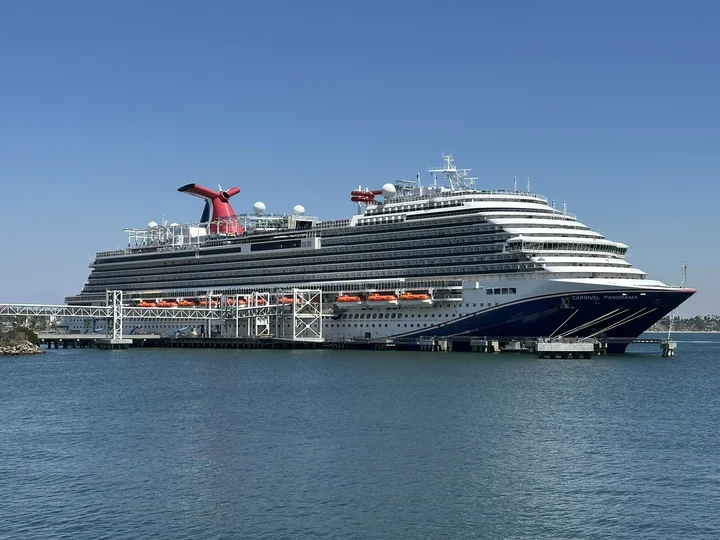
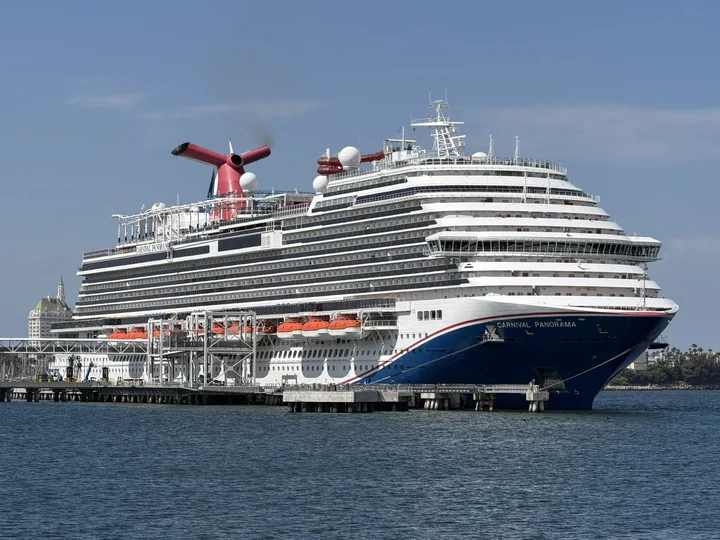
Built by Fincantieri at Marghera, Italy, Carnival Panorama entered service in December 2019 as the third ship in Carnival Cruise Line’s Vista class. Her introduction brought a newly built Carnival ship to a West Coast homeport for the first time in approximately 20 years, strengthening the company’s longstanding presence in Southern California.
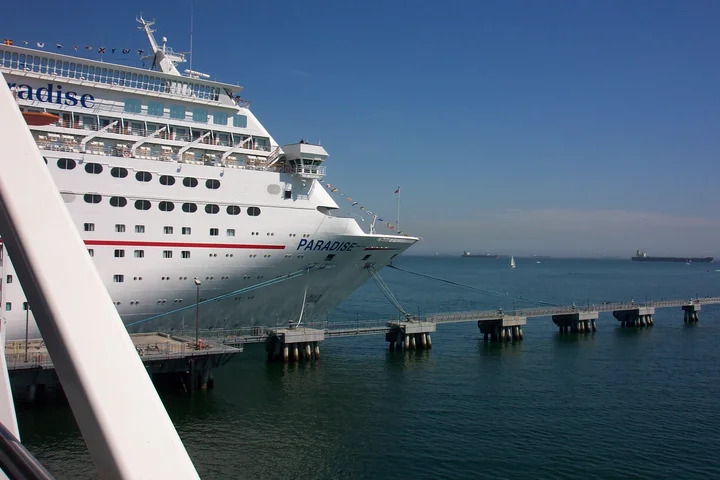
Entering service in 1998, Carnival Paradise was the eighth and final member of Carnival Cruise Line’s highly successful Fantasy class. Originally introduced as the world’s first completely non-smoking cruise ship, she later transitioned to conventional Carnival service and has gone on to have one of the longest careers of any ship in the company’s fleet.
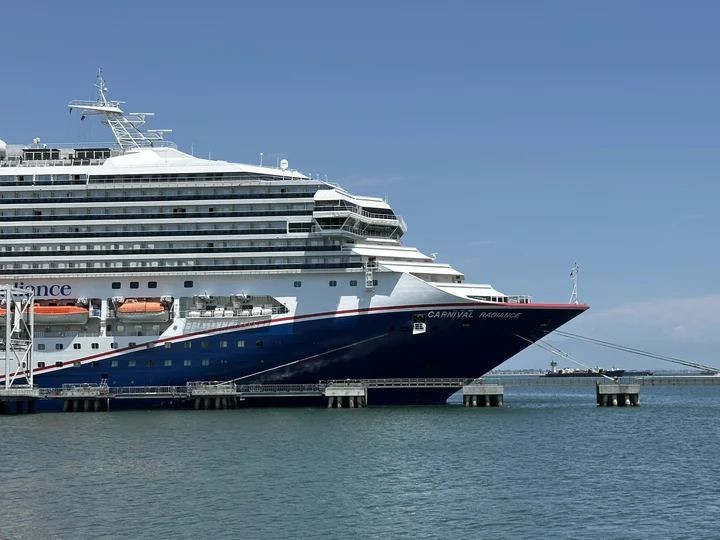
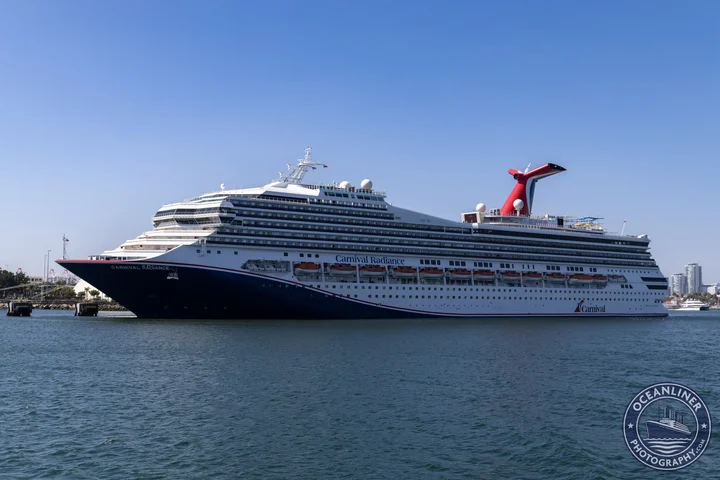
Carnival Radiance began her career with Carnival Cruise Line in 2000 as Carnival Victory. Built by Fincantieri in Italy, she underwent an extensive transformation completed in 2021 before returning under her new name. The change connected an earlier generation of Carnival ships with the dining, entertainment and public-space concepts developed for the line’s more recent vessels.
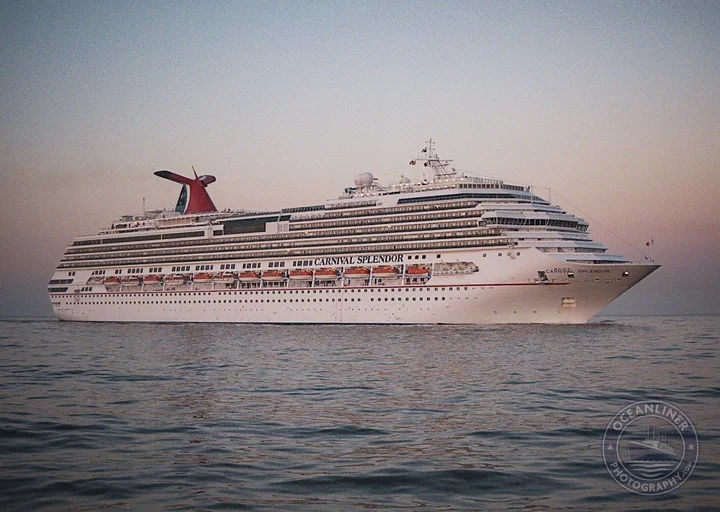
Built by Fincantieri at Sestri Ponente near Genoa, Italy, Carnival Splendor entered service in July 2008. Her design is closely related to the Concordia-class ships built for sister company Costa Cruises, but Carnival Splendor became the only ship of her particular design to enter the Carnival fleet.
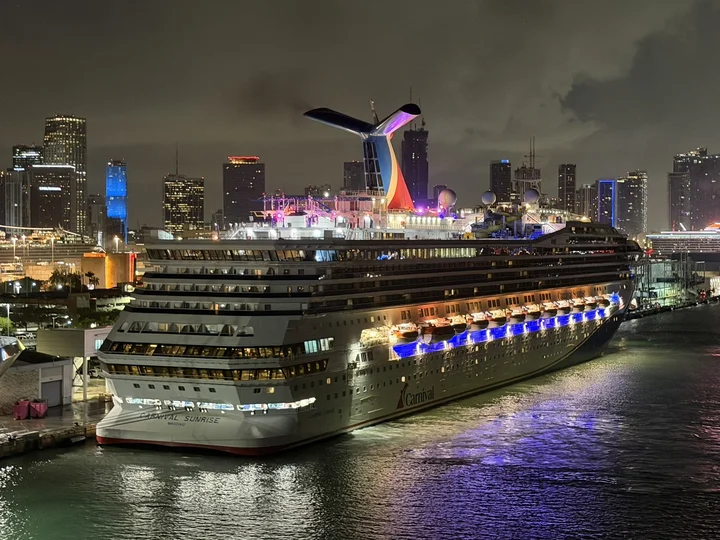
Carnival Sunrise entered service for Carnival Cruise Line in 1999 as Carnival Triumph. Built by Fincantieri in Monfalcone, Italy, she later received her present name following a substantial refurbishment that changed many of her passenger spaces. Her career shows how an established cruise ship can be adapted through new dining, entertainment and recreation facilities.
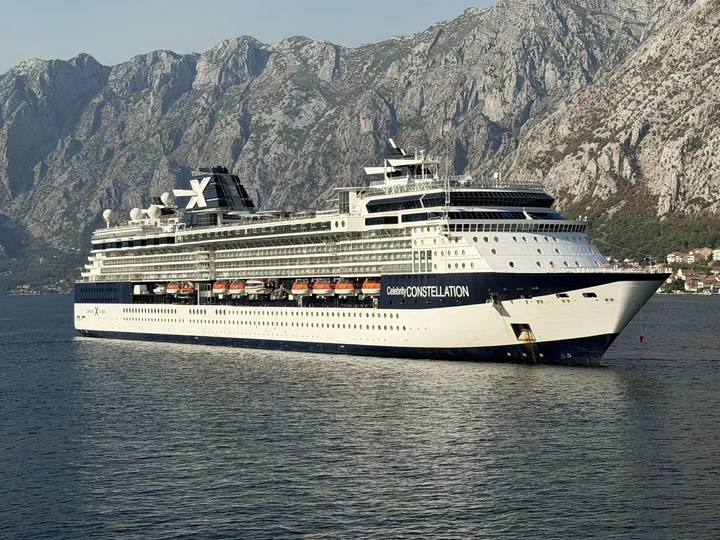
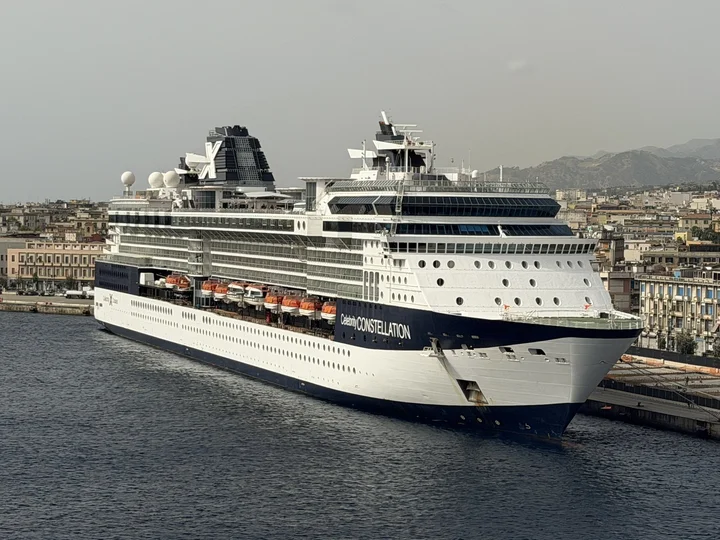
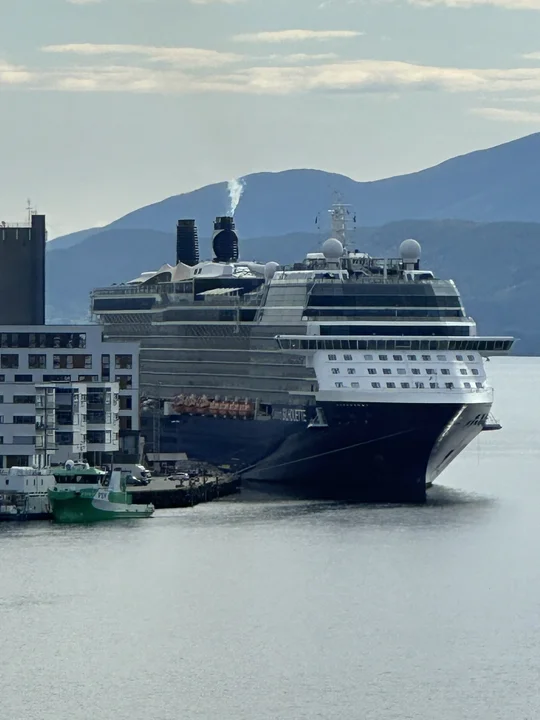
Celebrity Constellation entered service in 2002 as the fourth and final ship in Celebrity Cruises’ Millennium class. Built by Chantiers de l’Atlantique in Saint-Nazaire, France, she followed Celebrity Millennium, Celebrity Infinity and Celebrity Summit, completing a series that expanded the line’s fleet at the beginning of the twenty-first century.
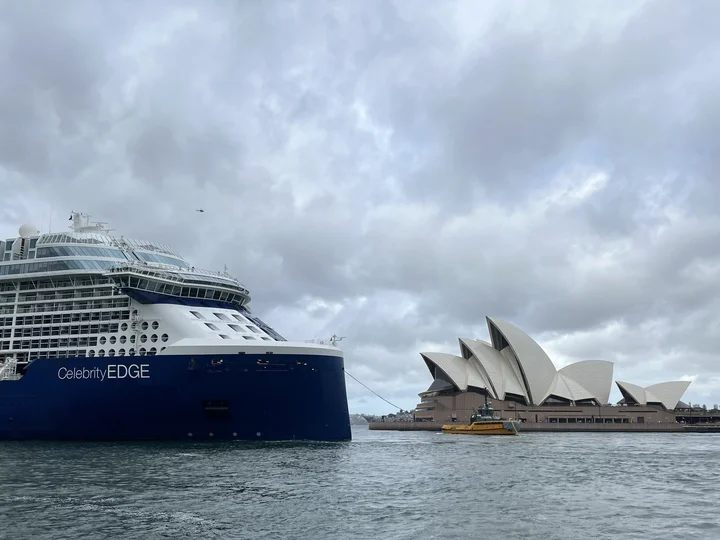
Entering service in 2018, Celebrity Edge introduced an entirely new generation of ships for Celebrity Cruises. Built by Chantiers de l’Atlantique in Saint-Nazaire, France, the ship departed significantly from the design of Celebrity’s earlier vessels, introducing features including the Magic Carpet, Infinite Veranda staterooms, and the outward-facing Resort Deck.
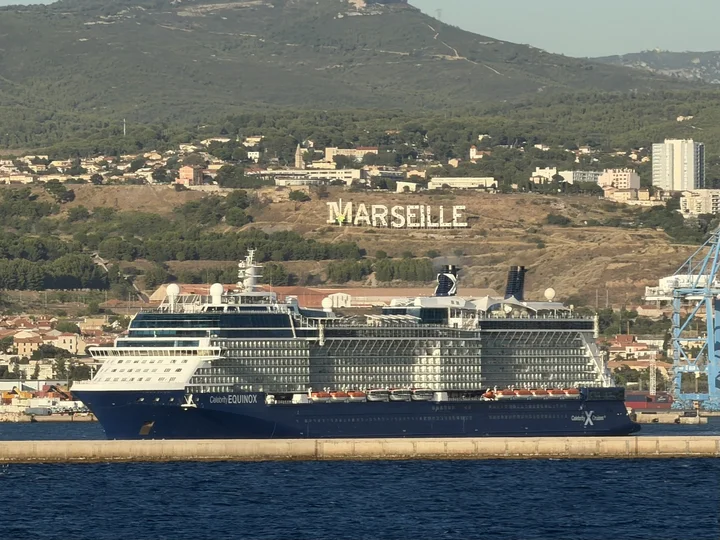
Celebrity Equinox entered service in 2009 as part of Celebrity Cruises’ Solstice class. Built by Meyer Werft in Papenburg, Germany, she belongs to the generation that followed the line’s Millennium-class ships and established a different fleet design.
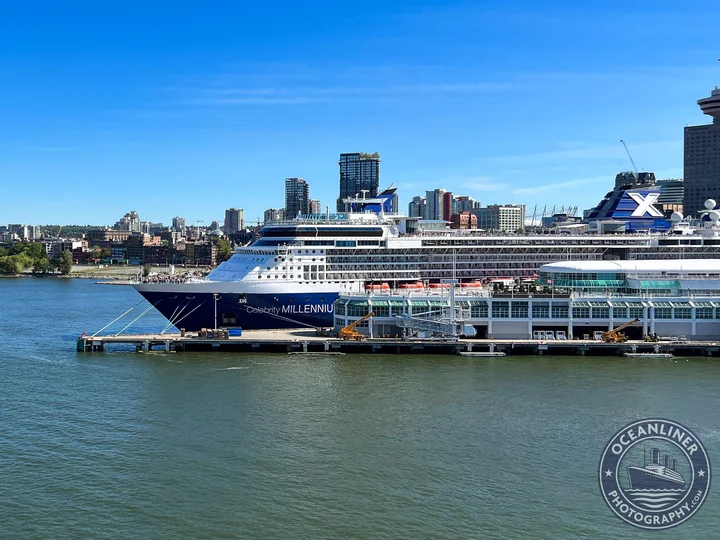
Built by Chantiers de l’Atlantique at Saint-Nazaire, France, Celebrity Millennium entered service in 2000 as the first of Celebrity Cruises’ four Millennium-class ships. The class introduced a new generation of vessels for Celebrity and was particularly notable for its gas-turbine power plant and azimuthing propulsion system.
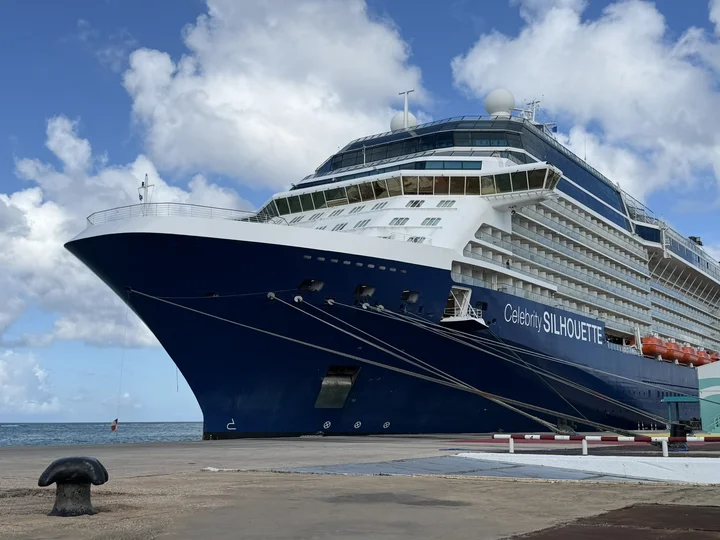
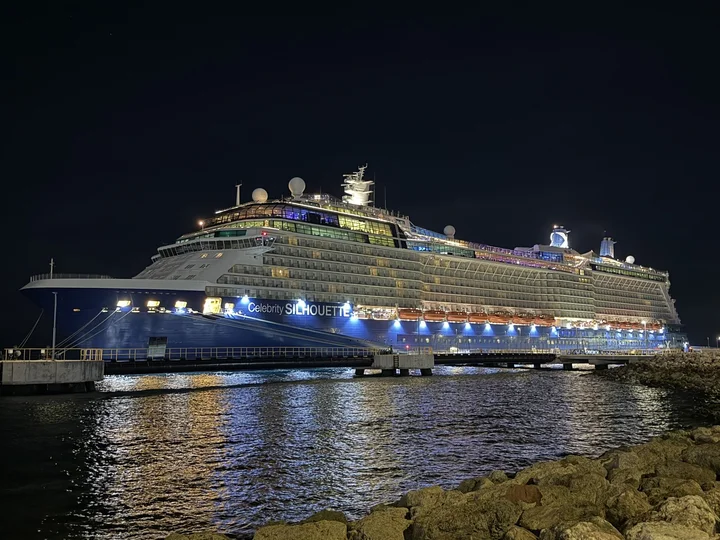
Built by Meyer Werft in Papenburg, Germany, Celebrity Silhouette continued the design introduced with Celebrity Solstice in 2008. At approximately 122,000 gross tons, she combines the large open interior spaces of the Solstice Class with distinctive features including a real grass lawn at sea, extensive balcony accommodations, and a broad selection of restaurants and lounges.
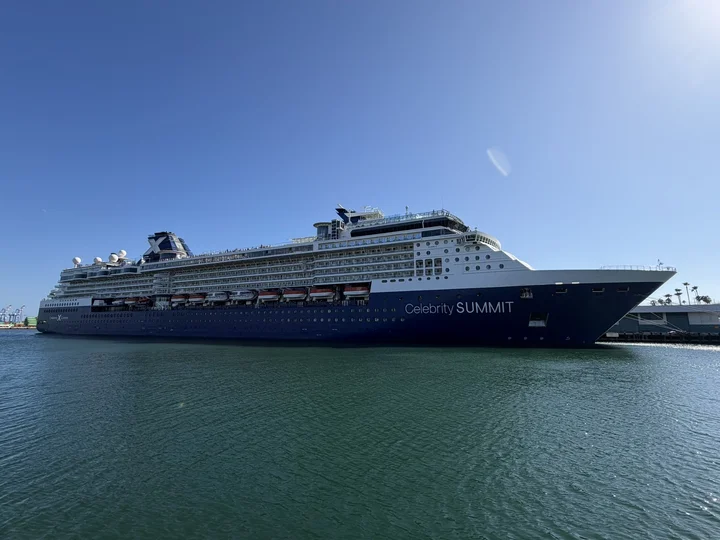
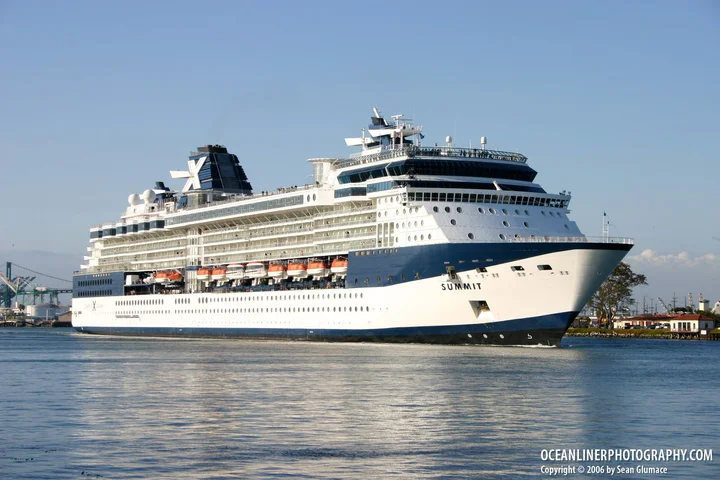
Celebrity Summit entered service in 2001 as the third ship in Celebrity Cruises’ Millennium class. Built by Chantiers de l’Atlantique in Saint-Nazaire, France, she followed Celebrity Millennium and Celebrity Infinity, with Celebrity Constellation completing the four-ship group the following year. Originally named Summit, she received the Celebrity prefix in 2008 as the company adopted a consistent naming style across its fleet.
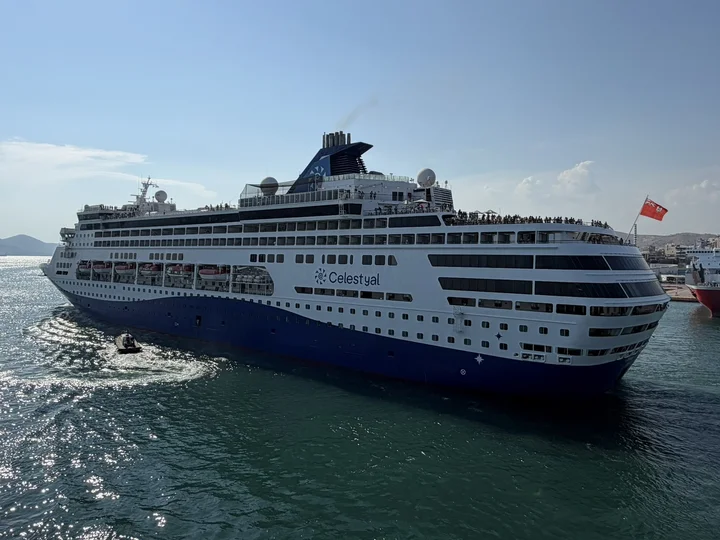
Built in Italy as the third member of Holland America Line’s Statendam class, Celestyal Journey is considerably smaller than many contemporary cruise ships. After careers with Holland America Line and P&O Cruises Australia, the ship underwent an extensive refurbishment before entering service with Celestyal Cruises in 2023.
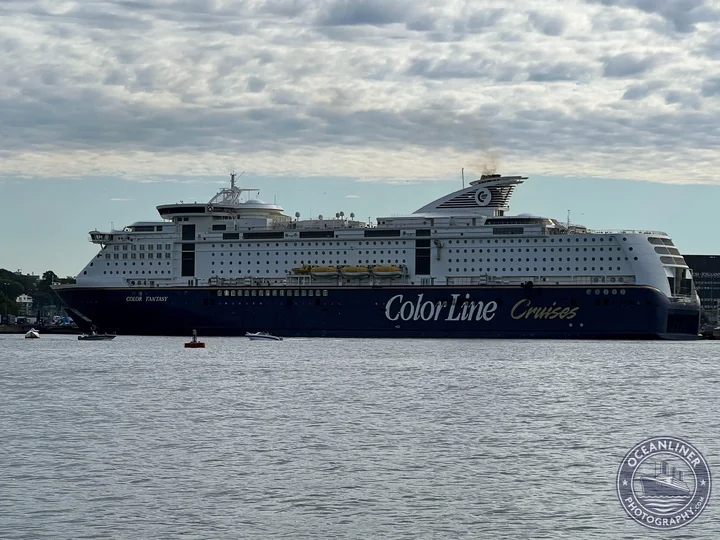
Entering service in 2004, Color Fantasy brought the scale and facilities of a large cruise ship to Color Line’s overnight route between Oslo and Kiel. Built in Finland, she combines extensive passenger accommodations and entertainment spaces with vehicle and freight decks. Together with her later sister ship, Color Magic, she became central to Color Line’s passenger connection between Norway and Germany.
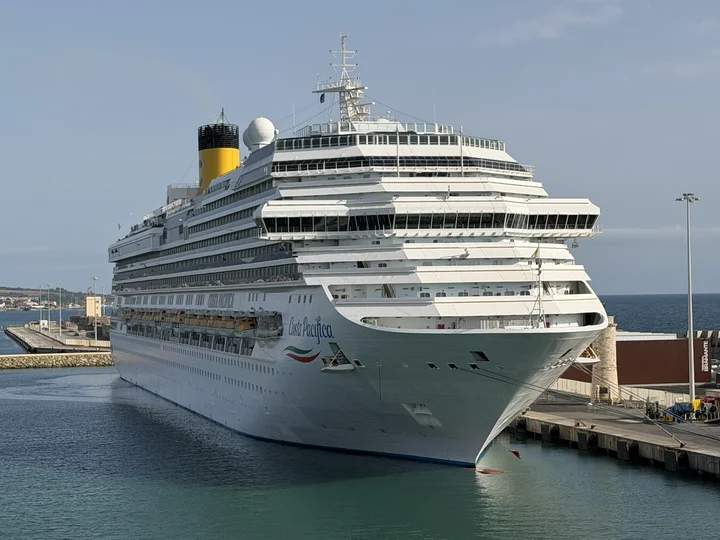
Entering service in 2009, Costa Pacifica is a Concordia-class cruise ship operated by Costa Cruises. Built by Fincantieri in Italy, the ship was designed around the theme of music, with different musical styles represented throughout her restaurants, lounges, theaters, and other public spaces.
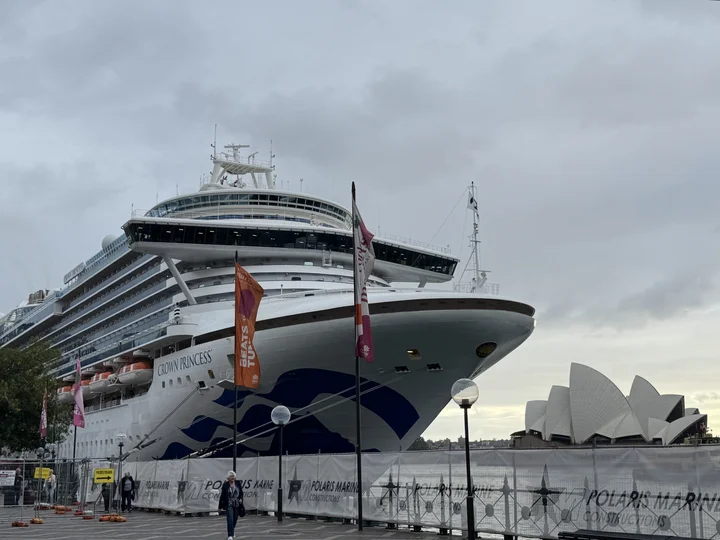
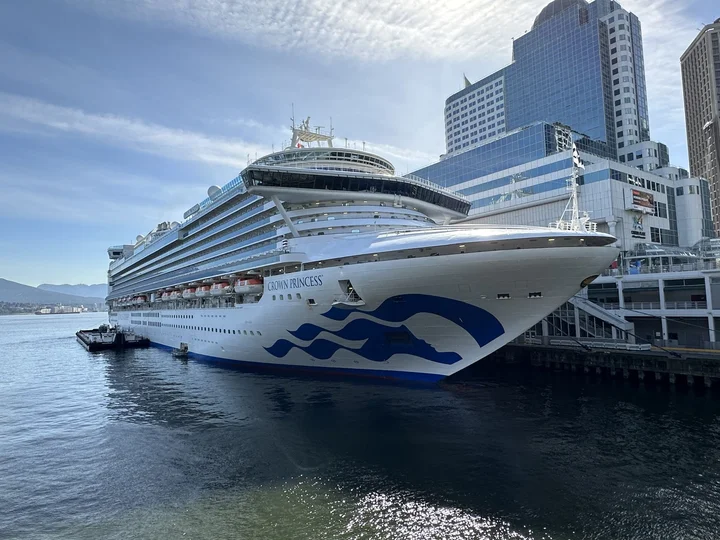
Entering service in 2006, Crown Princess is a member of Princess Cruises’ Grand-class family of ships. Built by Fincantieri in Italy, she continued the design developed through the line’s earlier Grand-class ships while introducing changes that would also appear aboard her close sisters Emerald Princess and Ruby Princess.
Entering service in 1994 as Crown of Scandinavia, Crown Seaways became a long-serving part of the passenger connection between Copenhagen and Oslo. Built in Croatia, she combined overnight accommodations, restaurants, entertainment, and vehicle transport in the Scandinavian cruise-ferry tradition. Her career has continued under the later name Nordic Crown.
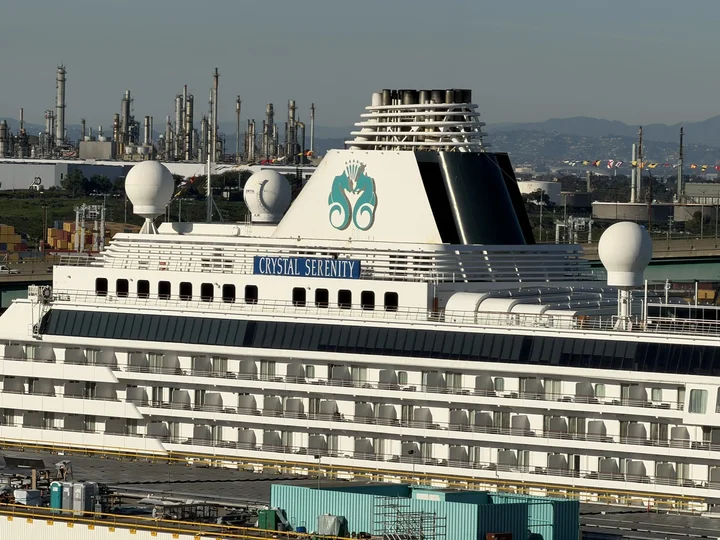
Crystal Serenity has been associated with luxury cruising since entering service in 2003 and represents a rare survivor from the original Crystal Cruises fleet. Built by Chantiers de l’Atlantique in Saint-Nazaire, France, she was introduced as the larger companion to Crystal Symphony and developed a following through extended international itineraries, World Cruises, and a comparatively spacious passenger-to-ship ratio. Her career changed dramatically when the original Crystal Cruises ceased operations in 2022, but the ship was subsequently acquired along with the Crystal brand by A&K Travel Group.
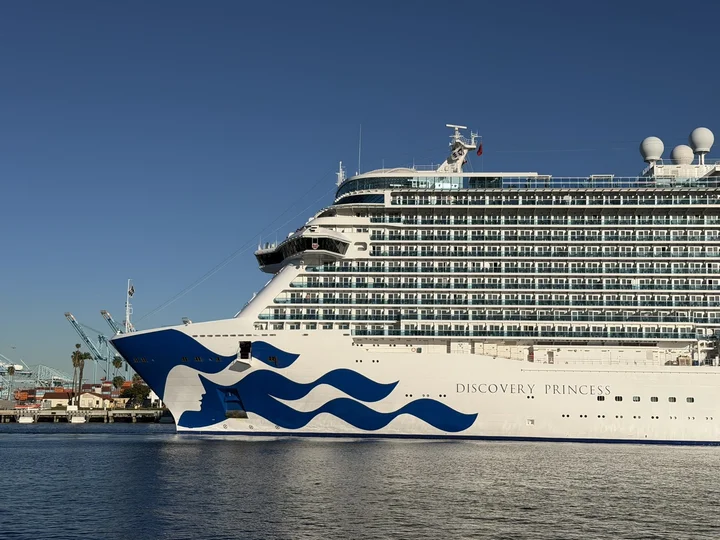
Built by Fincantieri in Italy, Discovery Princess was delivered in January 2022 and began her maiden voyage from Los Angeles that March. As the sixth and final Royal-class newbuild for Princess Cruises, she completed a series that began with Royal Princess in 2013. Her connection with Southern California therefore reaches back to the beginning of her passenger career, when Los Angeles served as the departure port for her inaugural Mexican Riviera cruise.
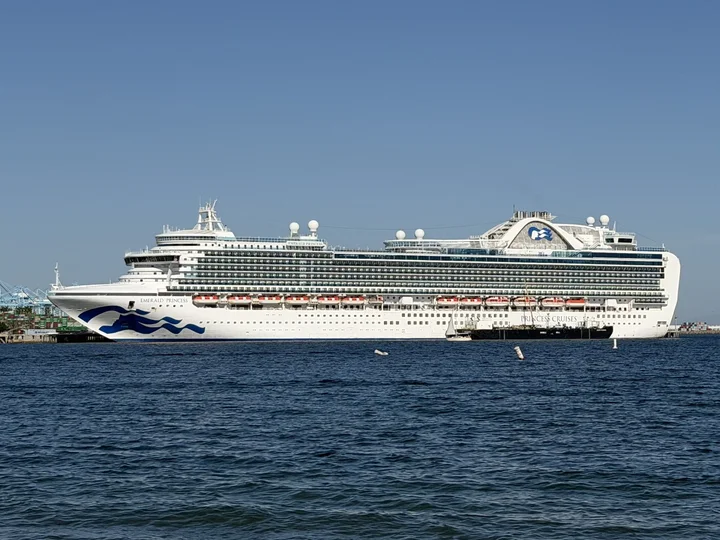
Introduced in April 2007, Emerald Princess belongs to the development of Princess’s Grand-class design represented by Crown Princess and Ruby Princess. Built at Fincantieri’s Monfalcone shipyard in Italy, she combined extensive balcony accommodation with public spaces such as the Piazza, multiple dining rooms and a selection of indoor and outdoor entertainment venues.
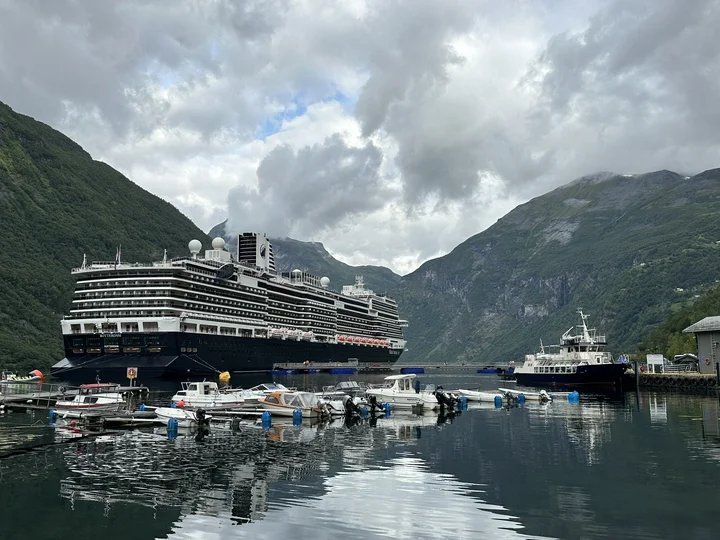
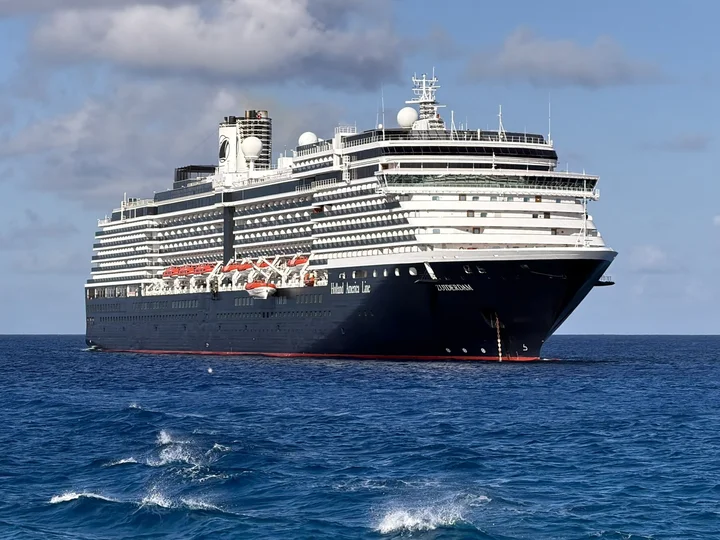
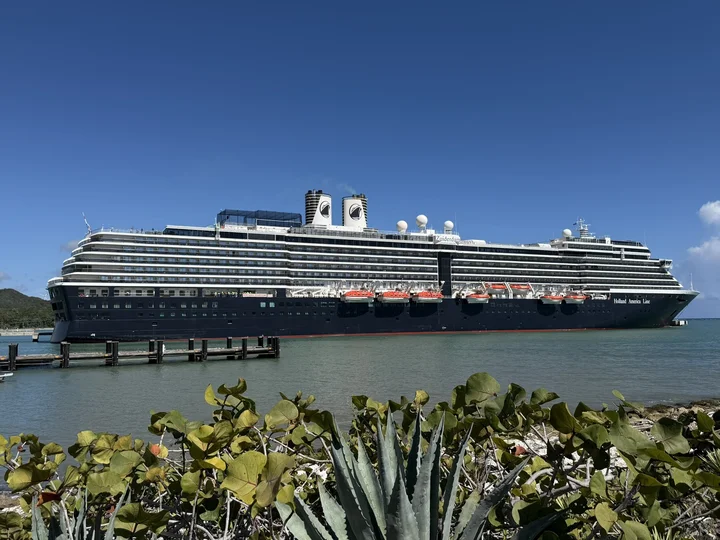
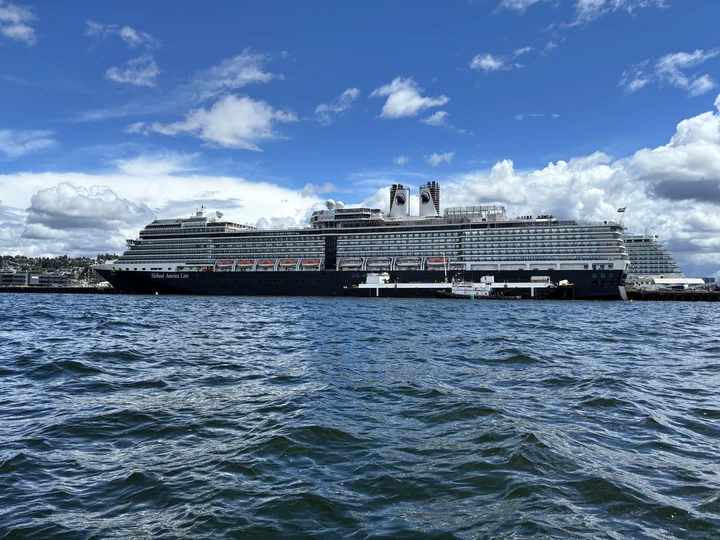
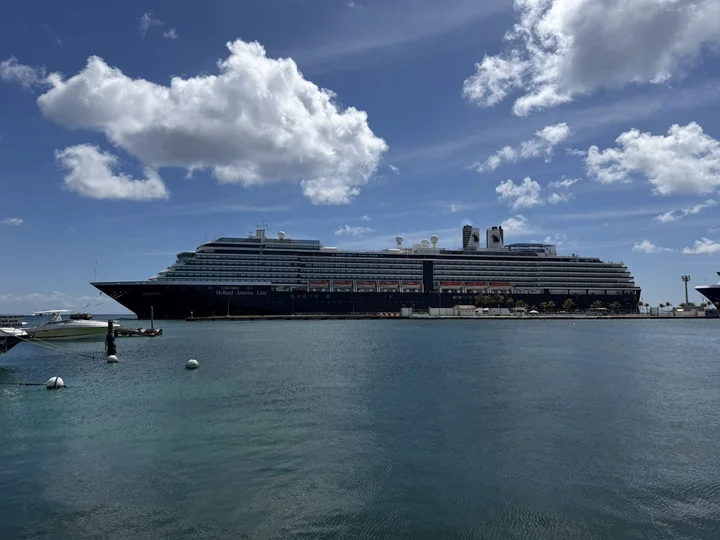
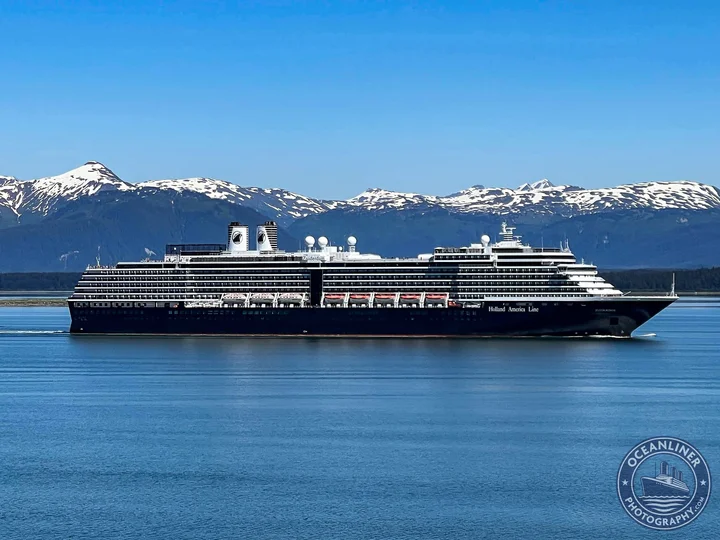
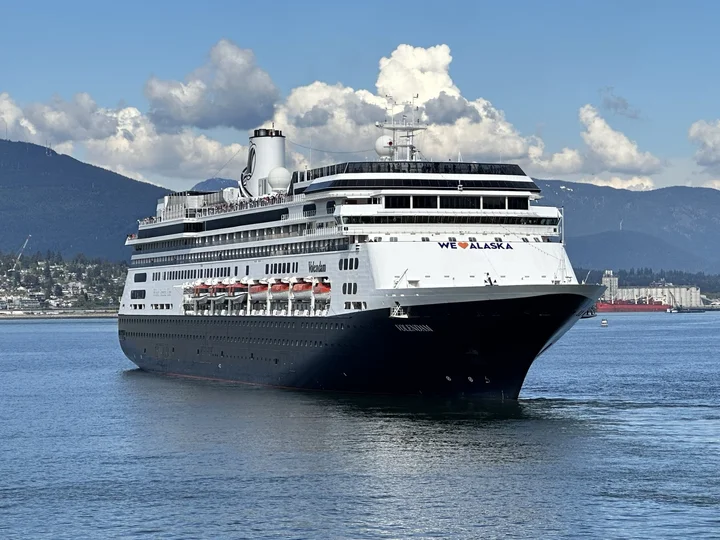
Entering service in 2008, Eurodam was the first ship in Holland America Line's Signature Class. Built for a combination of traditional cruising and expanded modern amenities, she has spent much of her career sailing in regions closely associated with Holland America, including Alaska, the Caribbean, and Europe.
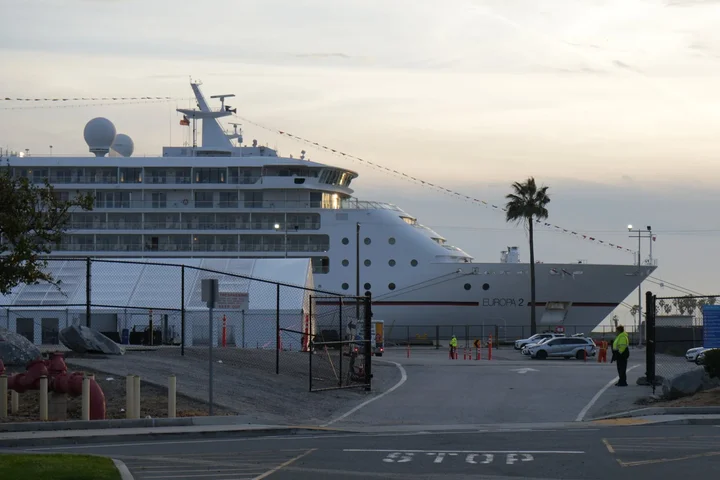
Entering service in 2013, EUROPA 2 is a small luxury cruise ship operated by Hapag-Lloyd Cruises. Built in Saint-Nazaire, France, she was designed around spacious accommodations, a high crew-to-passenger ratio, and a more contemporary and informal style than traditional luxury ships.
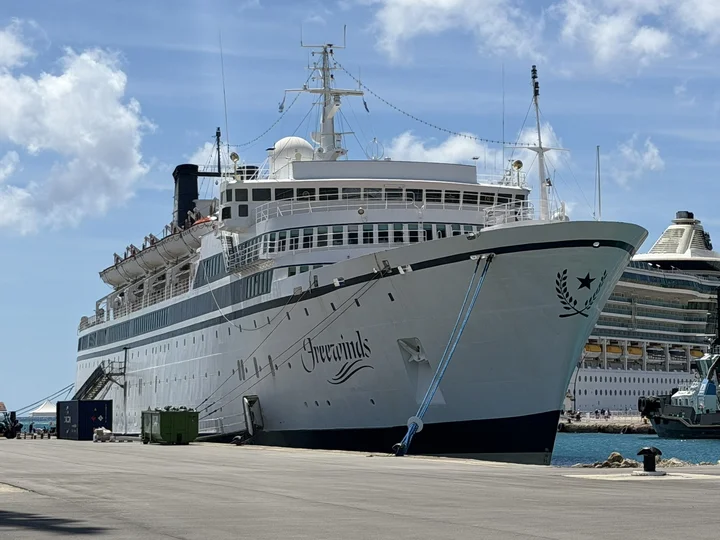
Built in Finland during the formative years of the modern cruise industry, Freewinds has experienced two very different careers. She spent her early years carrying vacationers through the Caribbean as Bohème before beginning a new chapter under her present name in the late 1980s.
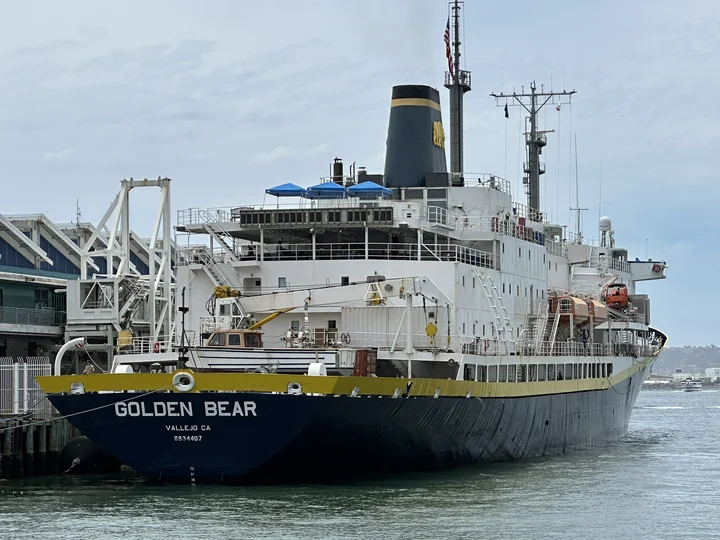
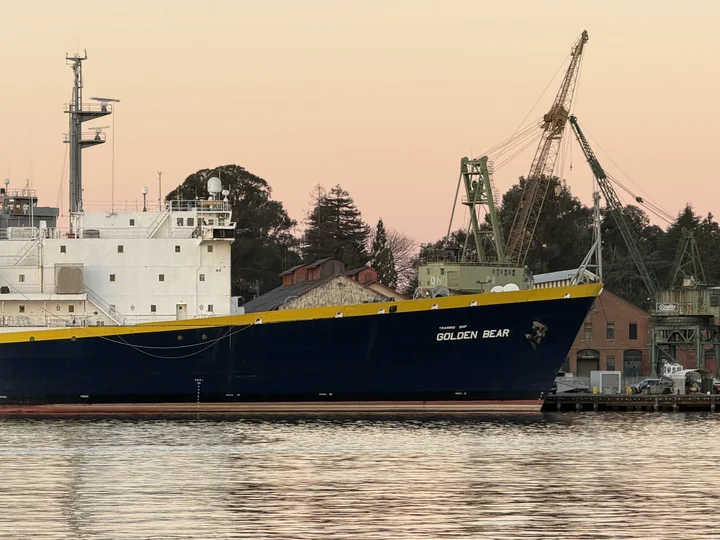
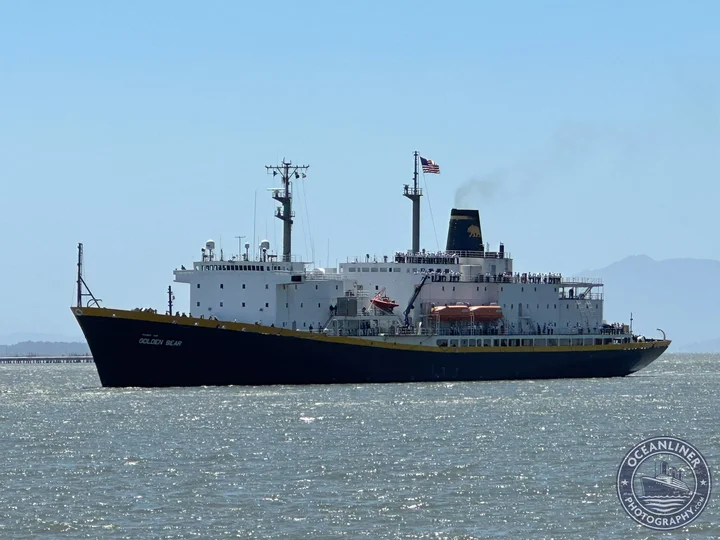
TS Golden Bear is the maritime training ship associated with Cal Maritime, providing a working shipboard setting for cadets’ education and sea experience. The vessel began her career as the U.S. Navy oceanographic survey ship USNS Maury before being adapted for maritime training. Her later role connects classroom study with life and work at sea.
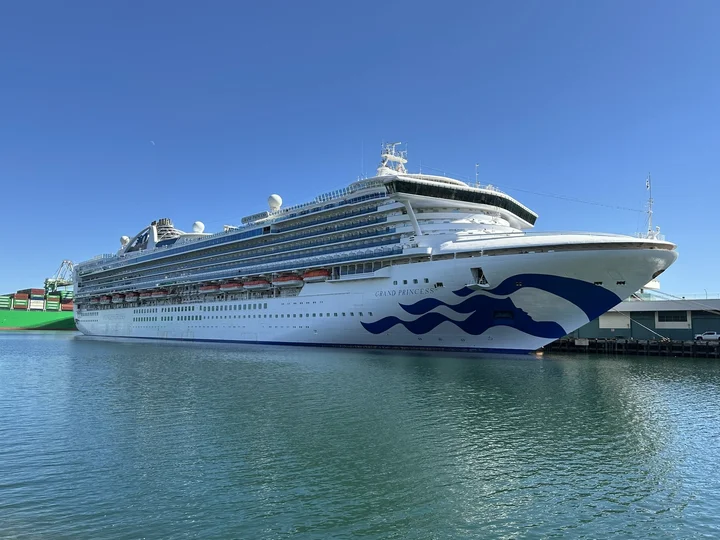
Entering service in 1998, Grand Princess introduced a new generation of large cruise ships for Princess Cruises. At the time of her debut, she was among the largest passenger ships in the world and became the first vessel in the Grand Class, a design that would influence much of the Princess fleet for years to come.
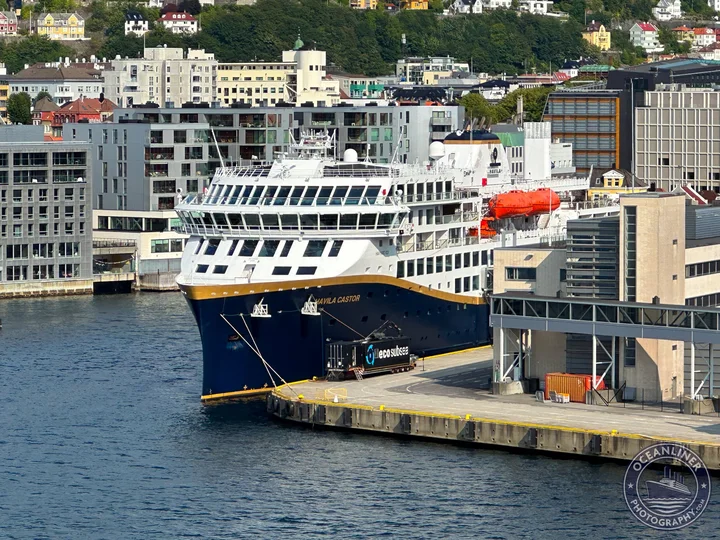
Havila Castor entered service in May 2022 as the second of Havila Voyages’ four new Norwegian coastal ships. Built by Tersan Shipyard in Turkey, she combines LNG and battery-hybrid propulsion with passenger accommodations for the coastal route between Bergen and Kirkenes. Her role includes transport between coastal communities as well as holiday travel.
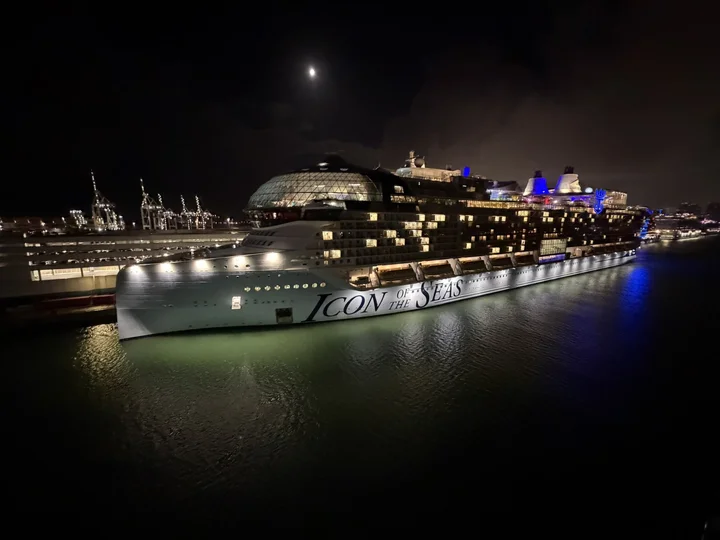
Entering service in 2024, Icon of the Seas introduced a new generation of ships for Royal Caribbean International. Built by Meyer Turku in Finland, she became the world’s largest cruise ship when delivered and introduced new Royal Caribbean concepts including the AquaDome, Thrill Island, Surfside, and The Hideaway.
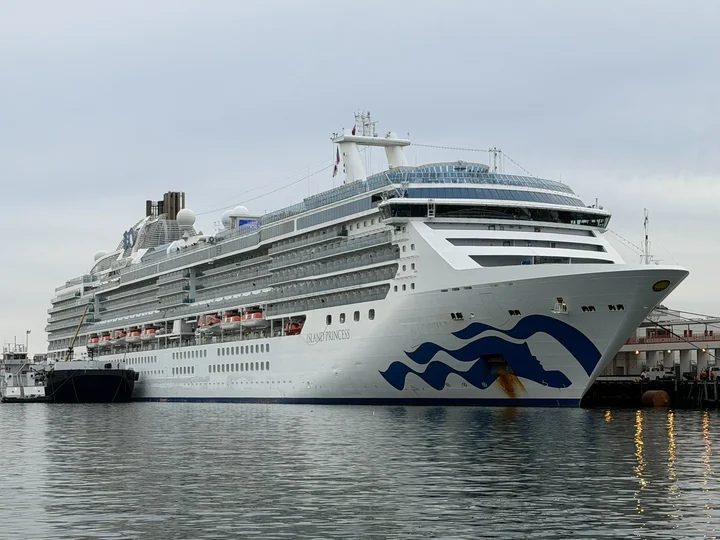
Island Princess is a Coral-class cruise ship operated by Princess Cruises and the sister ship of Coral Princess. Built in Saint-Nazaire, France, she entered service in July 2003 as part of a two-ship design developed for passage through the Panama Canal’s original locks. Her narrower hull distinguishes her from the larger ships that later became the mainstay of the Princess fleet.
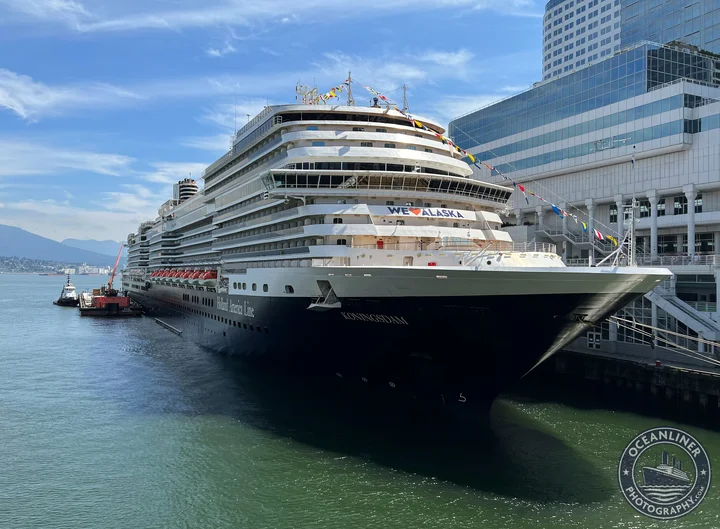
Built by Fincantieri at Marghera, Italy, Koningsdam entered service in 2016 as the first ship of Holland America Line’s Pinnacle class. Her introduction marked the beginning of a new generation for the company, combining a larger platform with updated accommodations, dining venues and entertainment spaces while retaining elements of Holland America’s Dutch maritime identity.
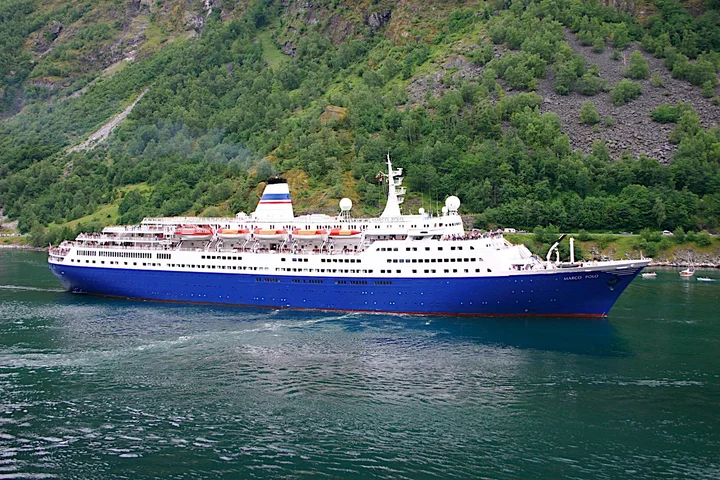
Marco Polo began her career as Aleksandr Pushkin, a Soviet passenger liner built in East Germany for the Baltic Shipping Company. Her later service with Orient Lines brought a traditional passenger ship into a different era of international cruising. Her strong hull, conventional proportions and long-distance passenger-service origins distinguished her from many newer cruise ships.
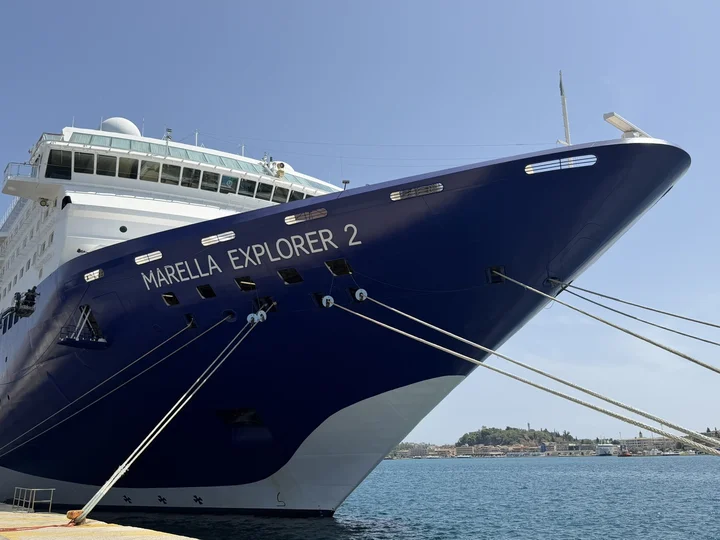
Marella Explorer 2 began her career in 1995 as Century, the first of three Century-class cruise ships built for Celebrity Cruises by Meyer Werft in Papenburg, Germany. Her design introduced a new generation of Celebrity ships, followed by the larger Galaxy in 1996 and Mercury in 1997. A multideck foyer, extensive public rooms and a prominent theater formed important parts of the original layout.
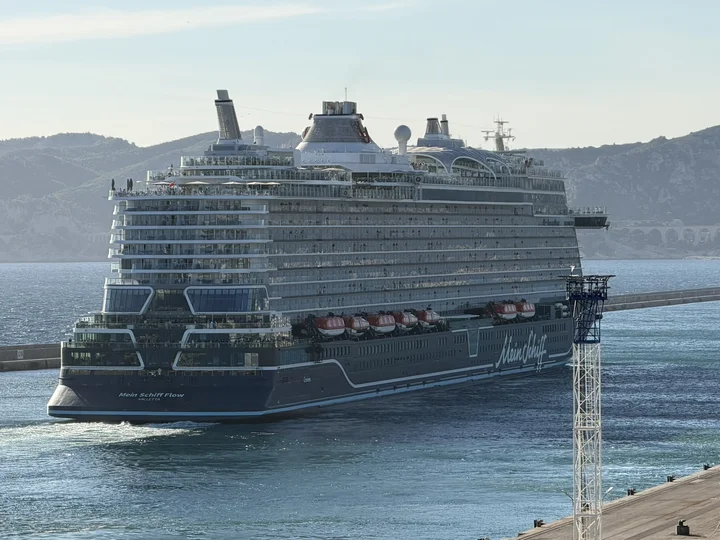
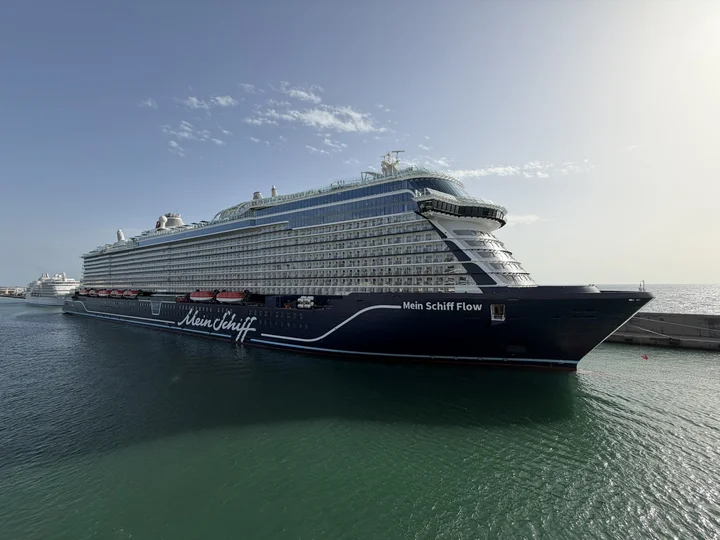
Entering service in 2026, Mein Schiff Flow was introduced as a new generation of ship for TUI Cruises. Built by Fincantieri in Italy, she is the second ship in the line's InTUItion Class and entered service alongside a new generation of larger ships developed specifically for the German cruise market.
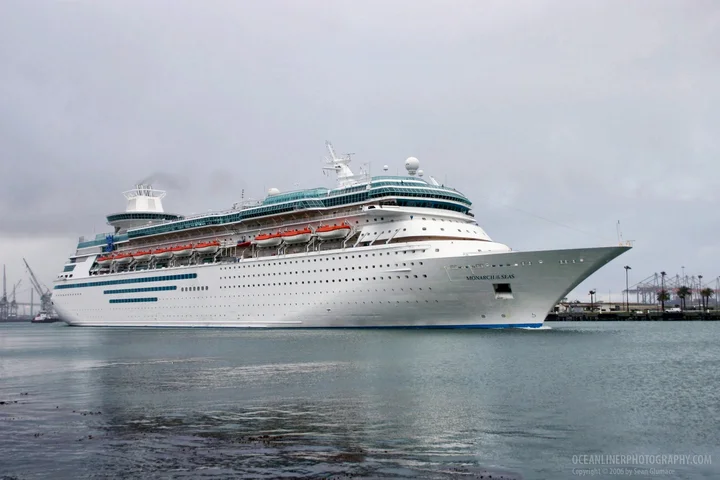
Built by Chantiers de l'Atlantique at Saint-Nazaire, France, Monarch of the Seas entered service for Royal Caribbean in 1991 as the second member of the Sovereign class. The class represented an important period of growth in the cruise industry, when passenger ships were becoming substantially larger and increasingly designed around the shipboard vacation experience. At nearly 74,000 gross tons and approximately 880 feet long, Monarch of the Seas was among the world's largest cruise ships when completed.
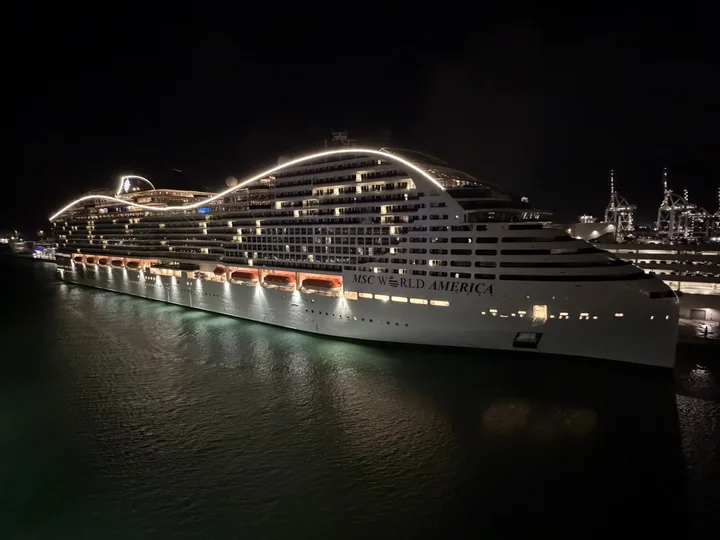
MSC World America was delivered in March 2025 as the second ship in MSC Cruises’ World Class, following MSC World Europa. Built by Chantiers de l’Atlantique in Saint-Nazaire, France, she was developed with the North American cruise market in mind while retaining MSC’s international identity. Her size and design place her within a new generation of large cruise ships.
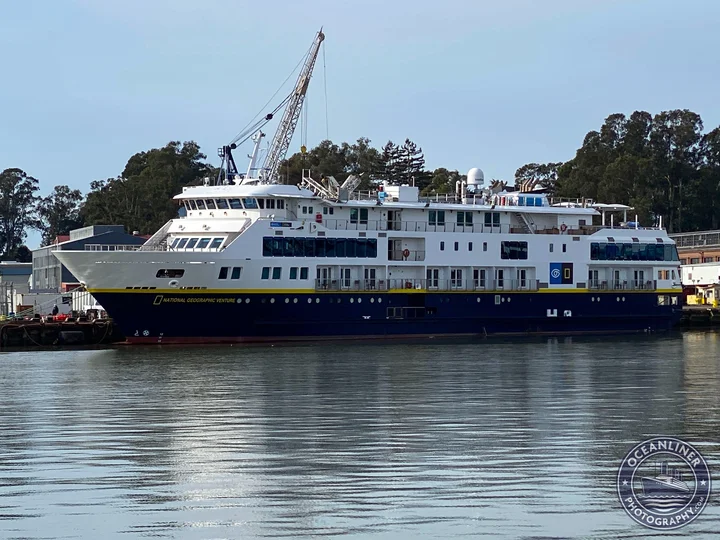
Purpose-built for expedition cruising, National Geographic Venture was designed to bring passengers closer to destinations that larger ships cannot easily access. Her relatively shallow draft, small size, observation areas and expedition equipment support itineraries focused on wildlife, natural landscapes and exploration.
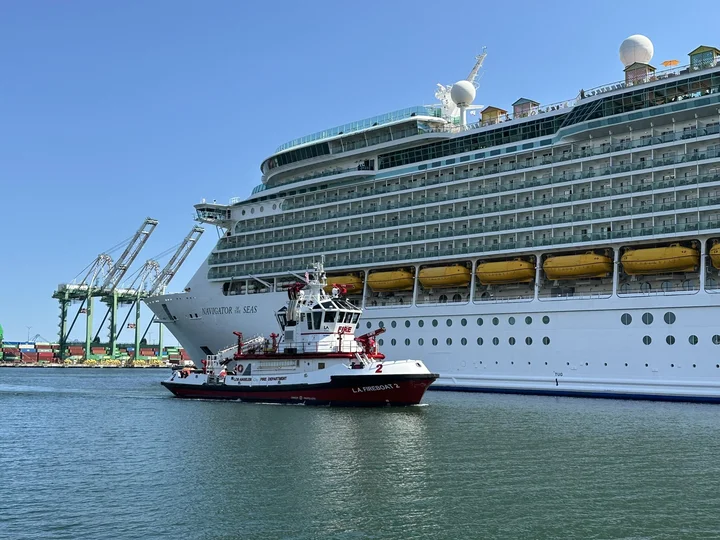
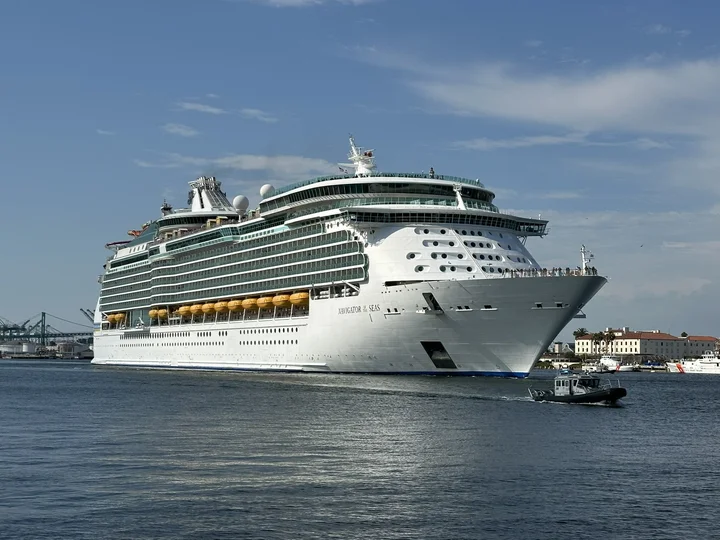
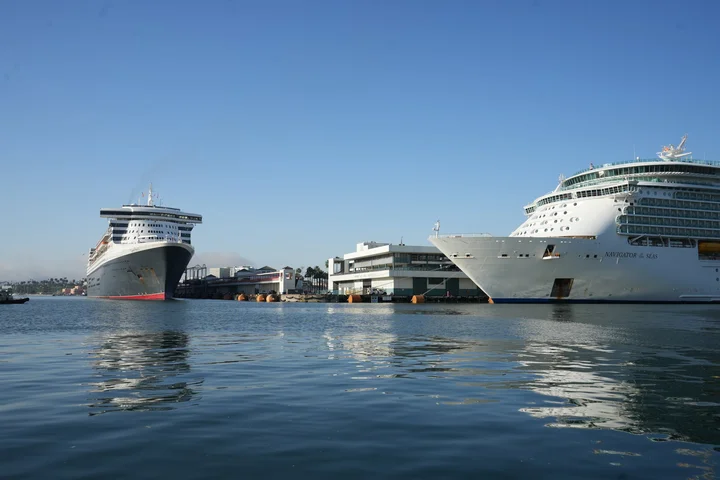
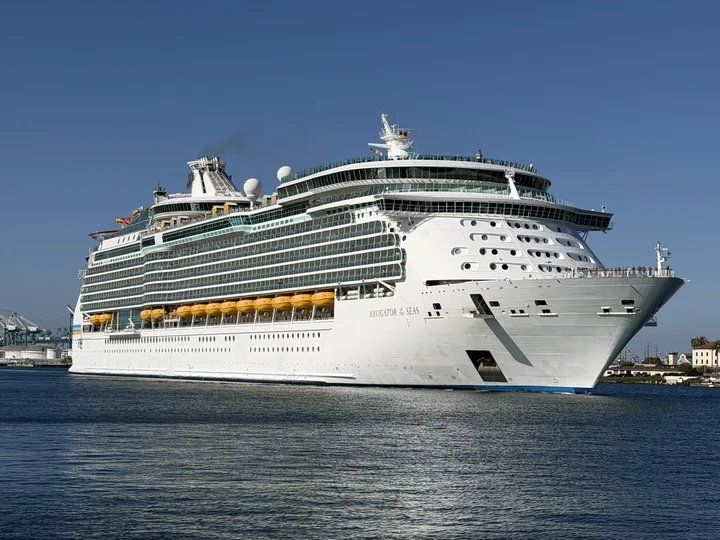
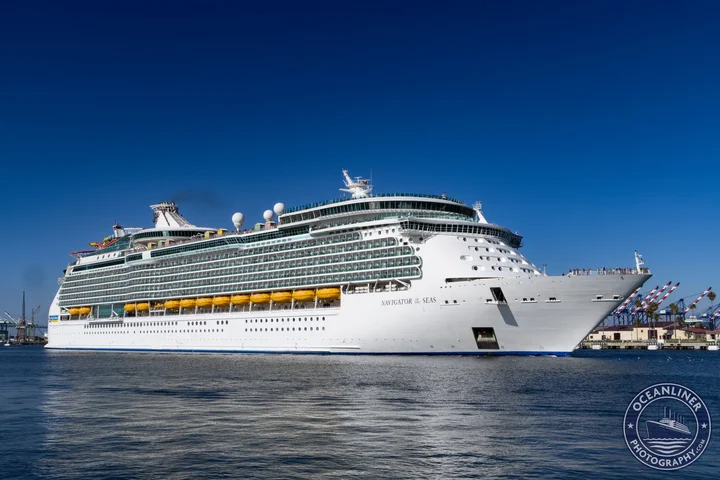
Entering service in 2002, Navigator of the Seas is the fourth of Royal Caribbean International’s five Voyager-class ships. Built in Finland, she was among the world’s largest cruise ships when introduced and helped establish features such as the Royal Promenade and onboard ice-skating rink that became closely associated with Royal Caribbean’s modern fleet.
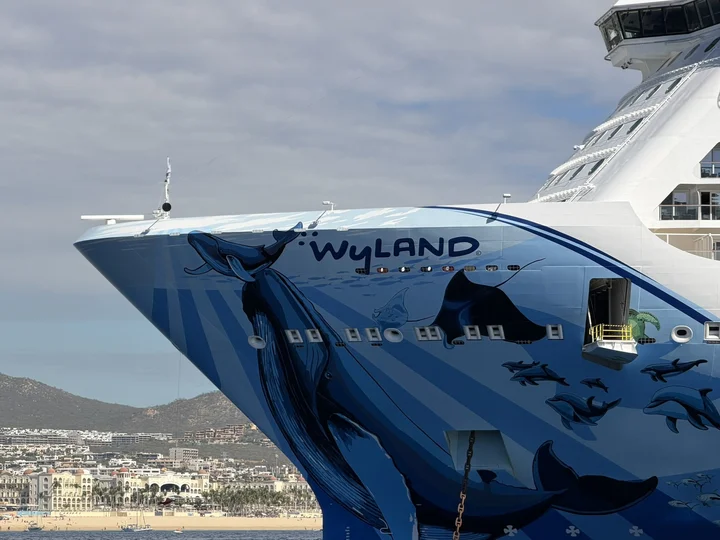
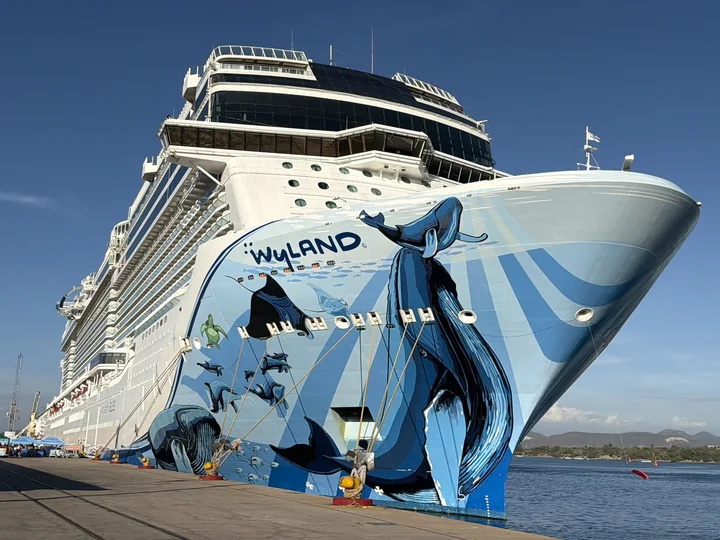
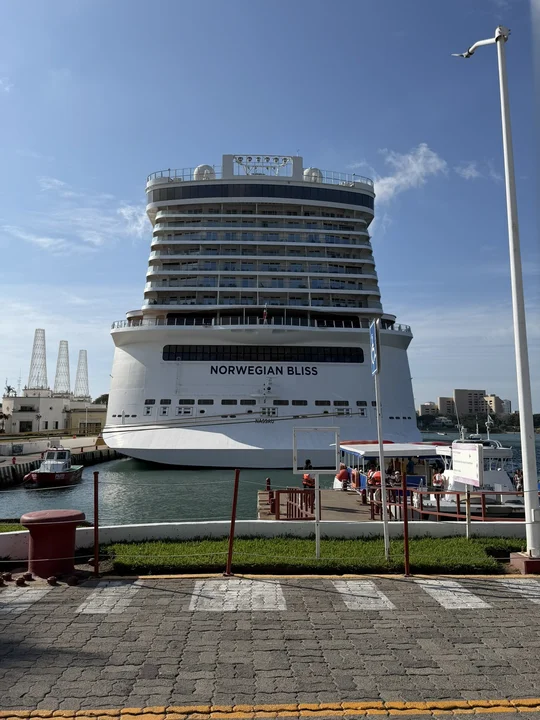
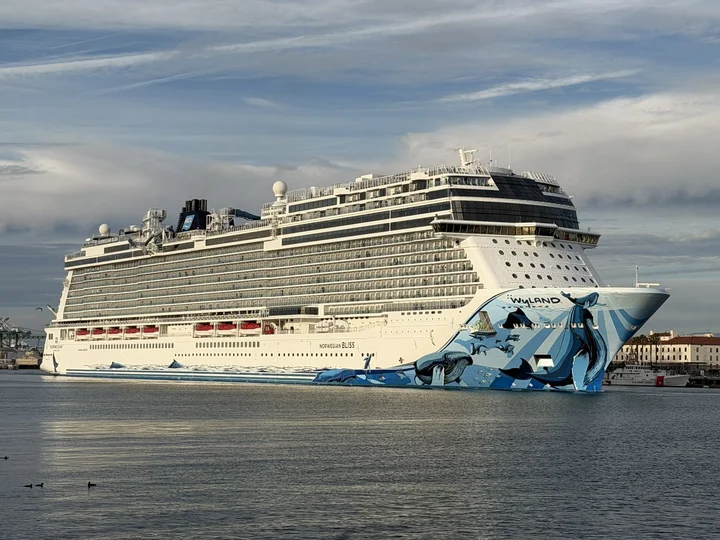
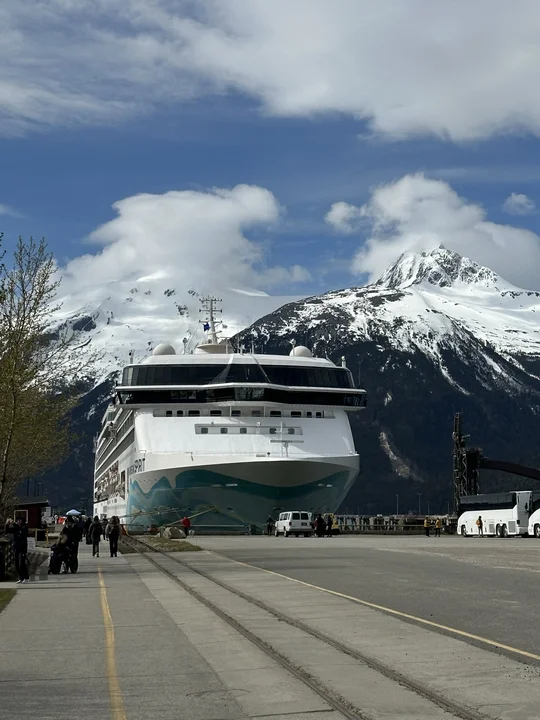
Norwegian Bliss entered service in 2018 as the third ship in Norwegian Cruise Line’s Breakaway Plus class. Built by Meyer Werft in Germany, she belongs to a generation of larger vessels that expanded the line’s accommodations, entertainment and outdoor public spaces. Her class connects her with Norwegian Escape, Norwegian Joy and Norwegian Encore.
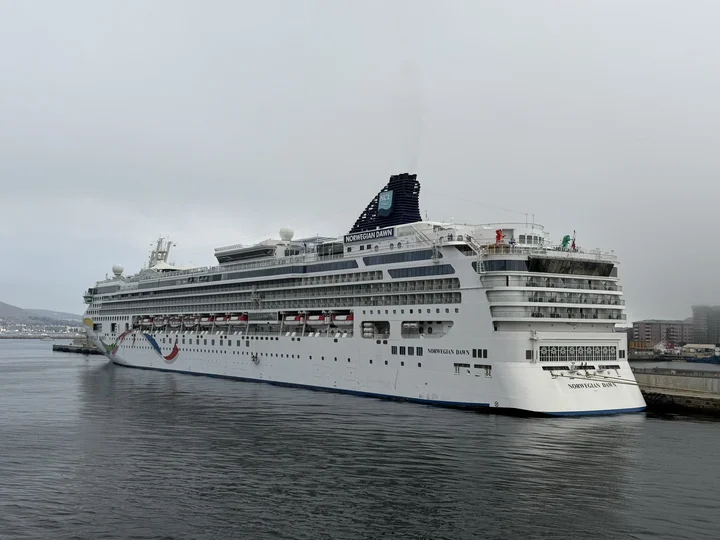
Entering service in 2002, Norwegian Dawn is a Dawn-class cruise ship operated by Norwegian Cruise Line. At approximately 92,250 gross tons, she belongs to an earlier generation of NCL ships and is considerably smaller than the line’s newer vessels. A major refurbishment in 2024 updated the ship while retaining much of the design that has characterized her long career.
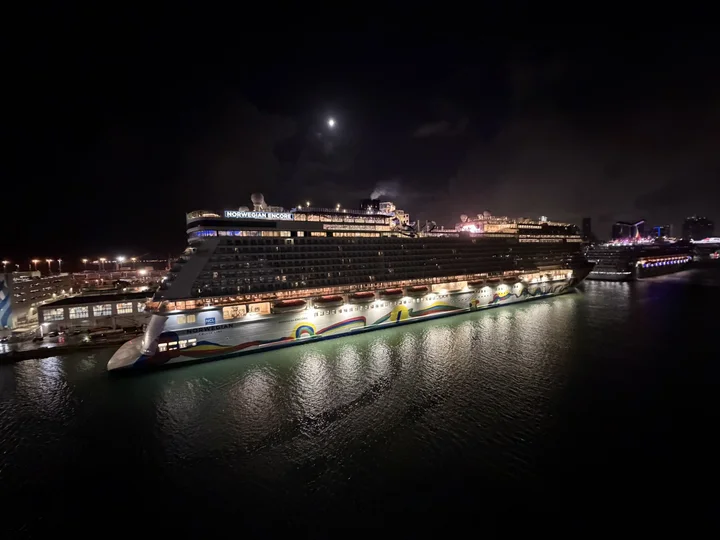
Norwegian Encore entered service in 2019 as the fourth and final ship of Norwegian Cruise Line’s Breakaway Plus class. Built by Meyer Werft in Papenburg, Germany, she continued the design developed through Norwegian Escape, Norwegian Joy and Norwegian Bliss. Spaces and attractions documented in her history include the Observation Lounge, The Waterfront and Encore Speedway.
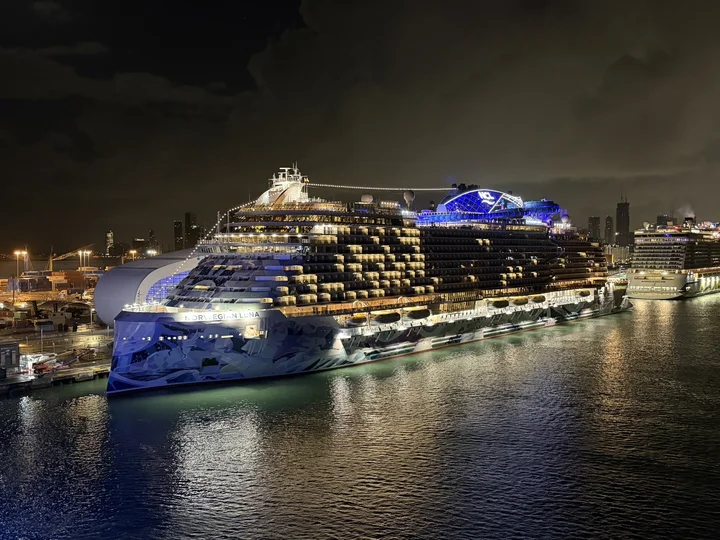
Entering service in 2026, Norwegian Luna is the second ship in Norwegian Cruise Line’s expanded Prima Plus Class. Built by Fincantieri in Marghera, Italy, she is a sister to Norwegian Aqua and features new attractions including the Aqua Slidecoaster, Glow Court, Luna Midway, and Moon Climber.
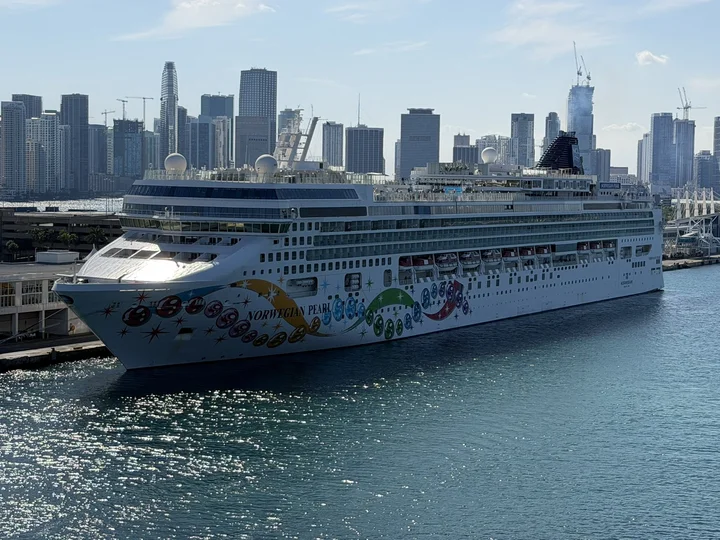
Norwegian Pearl entered service in 2006 during an important period of expansion for Norwegian Cruise Line. Built in Germany by Meyer Werft, she is part of the Jewel class and was designed around Norwegian’s “Freestyle Cruising” concept, which emphasized flexible dining and a less structured onboard experience than traditional cruise schedules. At approximately 93,530 gross tons and carrying about 2,394 guests at double occupancy, Norwegian Pearl is considerably smaller than the newest generations of Norwegian ships but has remained versatile enough for itineraries ranging from Alaska and the Caribbean to the Panama Canal and transatlantic voyages.
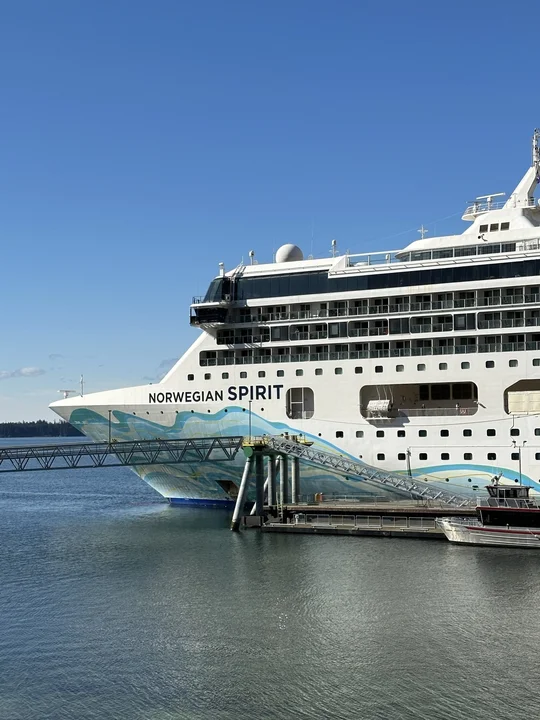
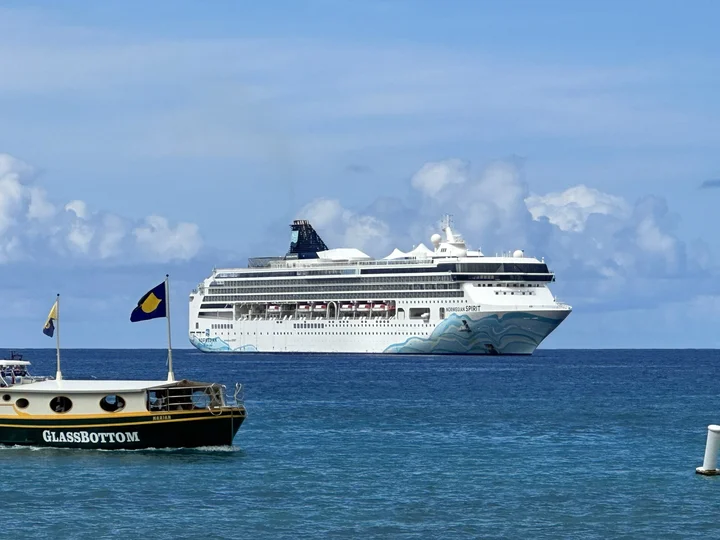
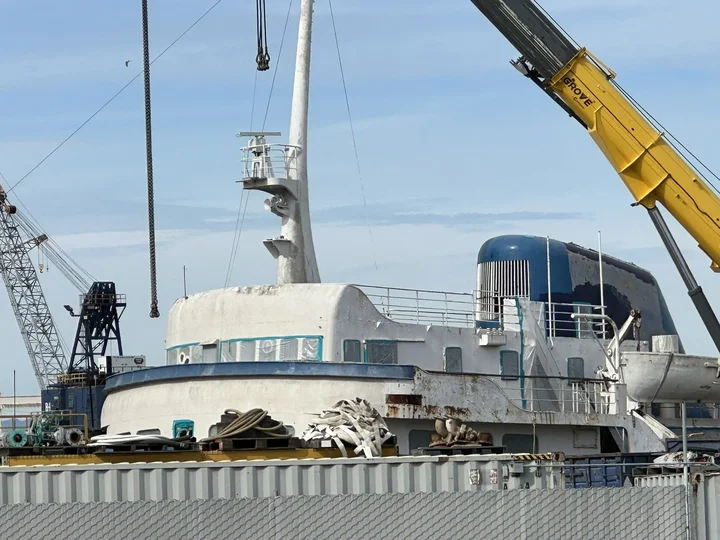
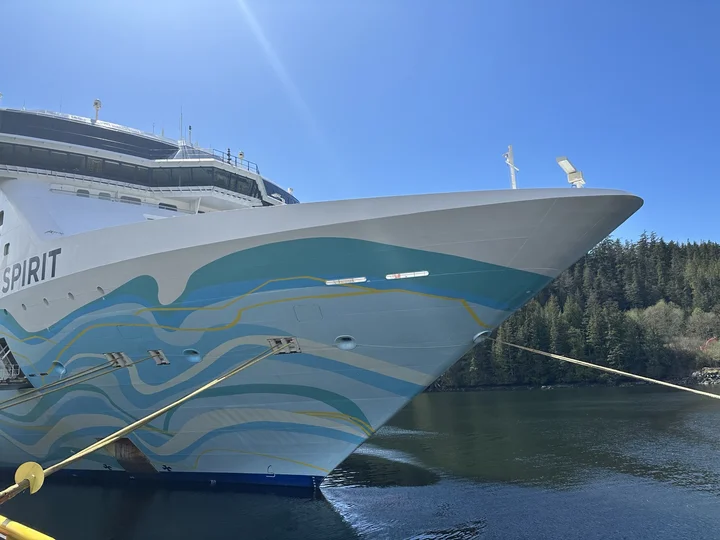
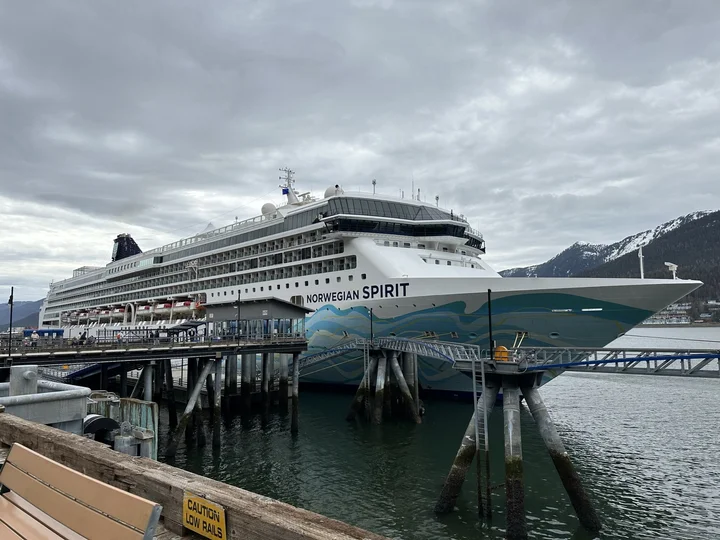
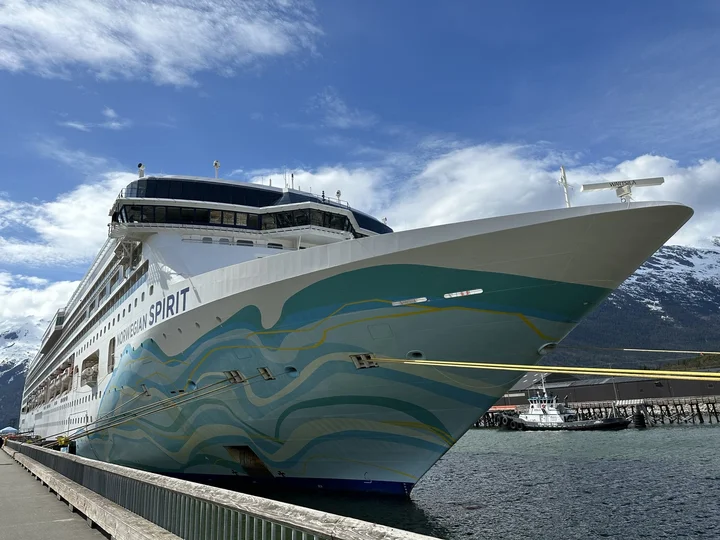
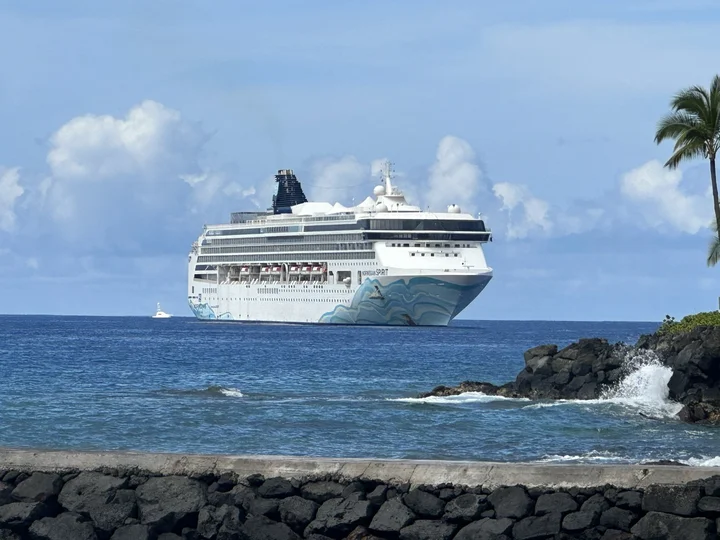
Built by Meyer Werft in Papenburg, Germany, the ship entered service in 1998 as SuperStar Leo for Star Cruises. She joined Norwegian Cruise Line in 2004 and became Norwegian Spirit. A major refurbishment completed in 2020 extensively redesigned her accommodations and public spaces, giving the ship a more contemporary appearance while retaining the smaller scale that distinguishes her from Norwegian's newer vessels.
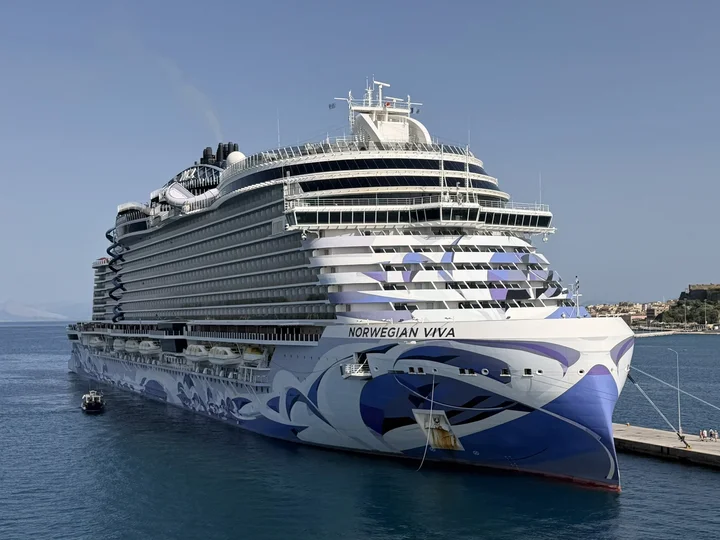
Delivered in August 2023, Norwegian Viva was the second ship in Norwegian Cruise Line’s Prima class, following Norwegian Prima. Built by Fincantieri at Marghera, Italy, she introduced another example of the class’s emphasis on outdoor waterfront spaces, varied dining venues and large-scale recreational attractions.
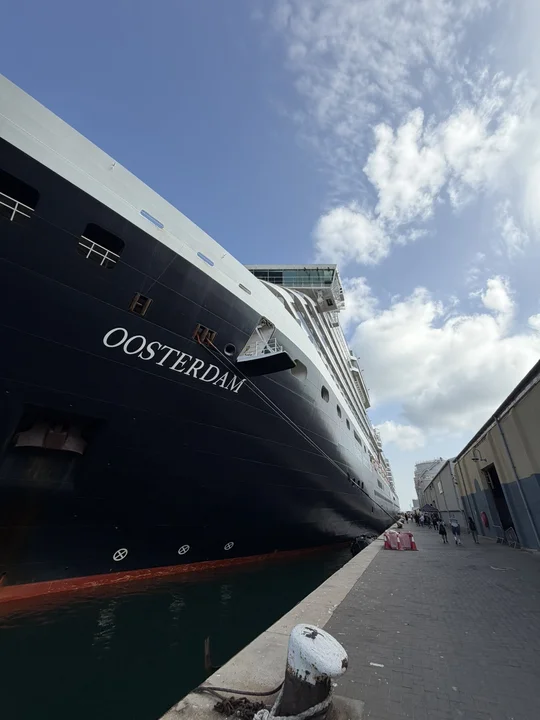
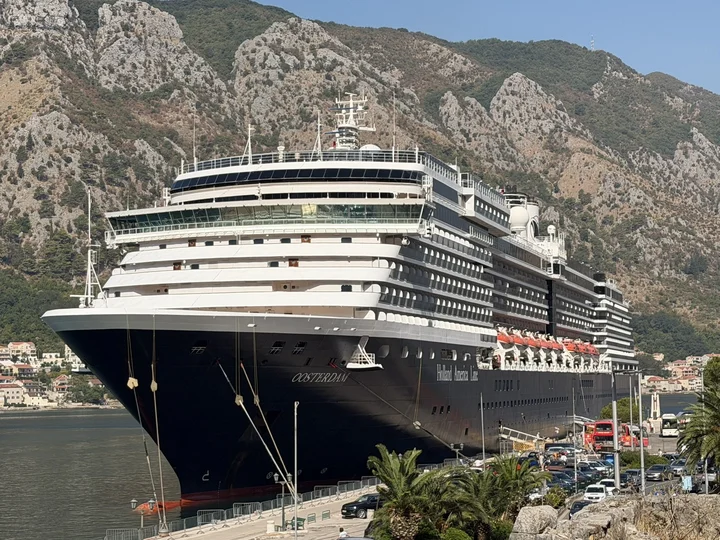
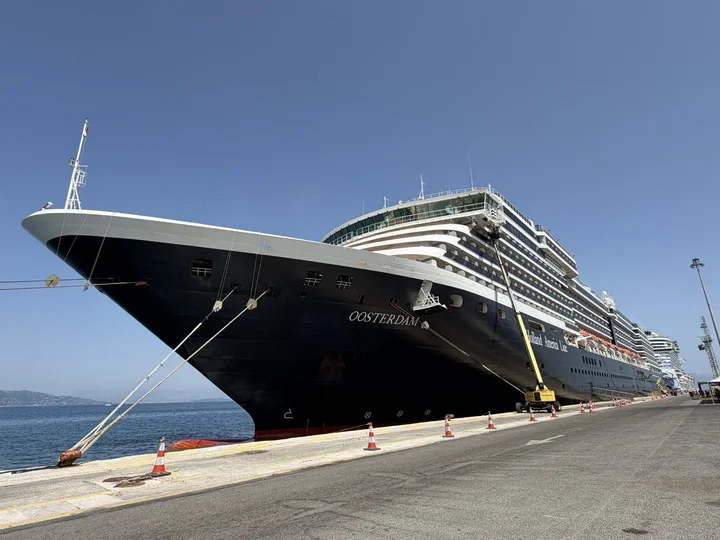
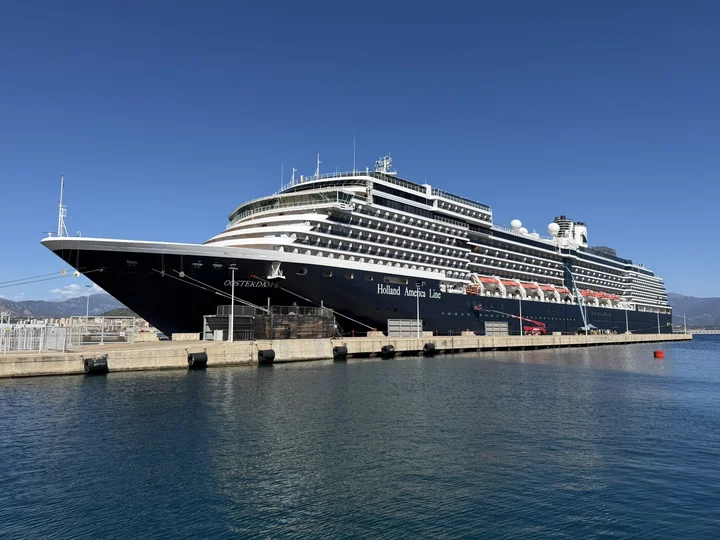
Oosterdam entered service in 2003 as the second of Holland America Line’s four Vista-class ships, following Zuiderdam. Built by Fincantieri at Marghera, Italy, she combined the company’s traditional passenger-ship identity with a larger contemporary design, extensive verandah accommodations and expanded public spaces. Her introduction coincided with Holland America’s 130th anniversary, linking a new generation of ships with the company’s long maritime history.
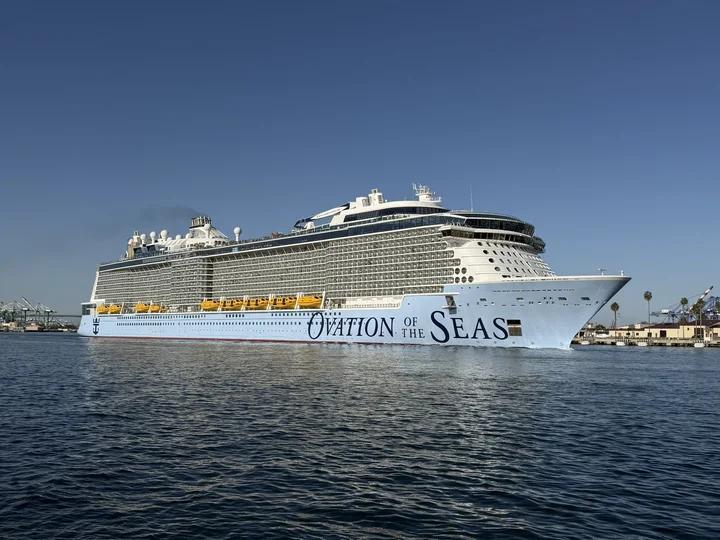
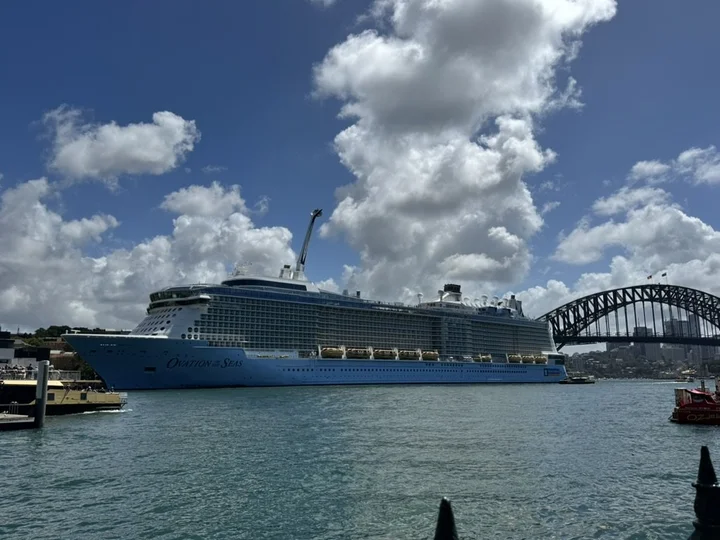
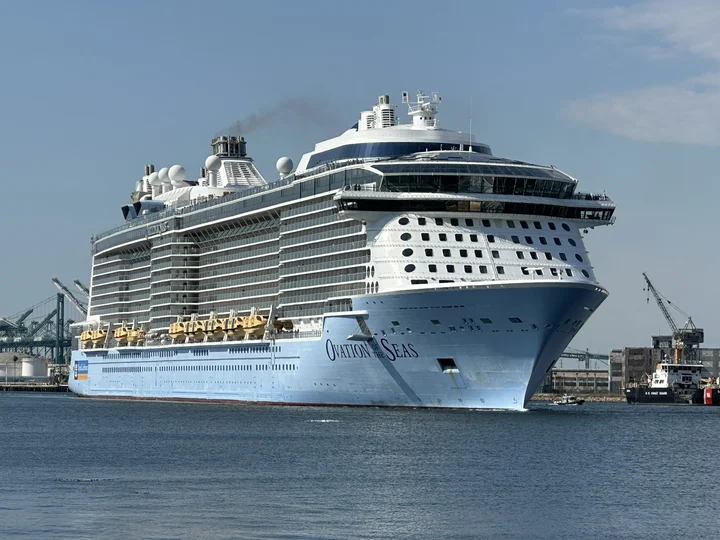
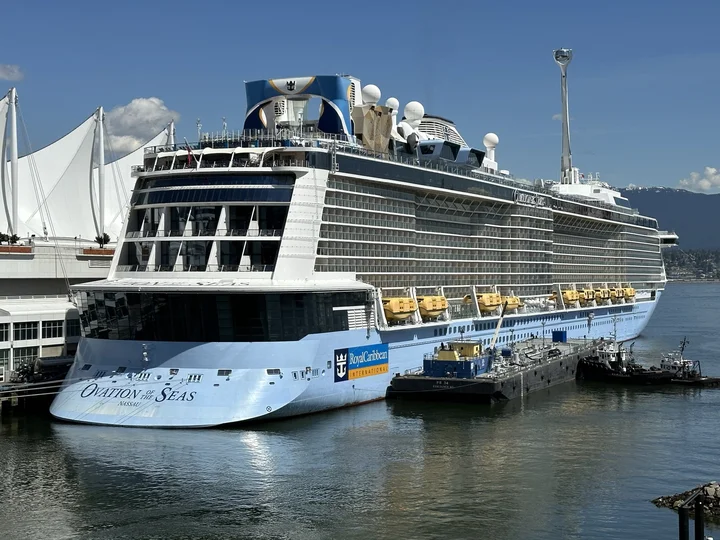
Built by Meyer Werft in Papenburg, Germany, Ovation of the Seas was the third ship constructed for Royal Caribbean's Quantum class. The class introduced a new generation of large cruise ships incorporating extensive indoor public spaces, observation areas, entertainment technology, and attractions including the North Star observation capsule and RipCord by iFLY. At more than 168,000 gross tons and approximately 1,141 feet long, Ovation of the Seas represented one of Royal Caribbean's most technologically ambitious ship designs when she entered service.
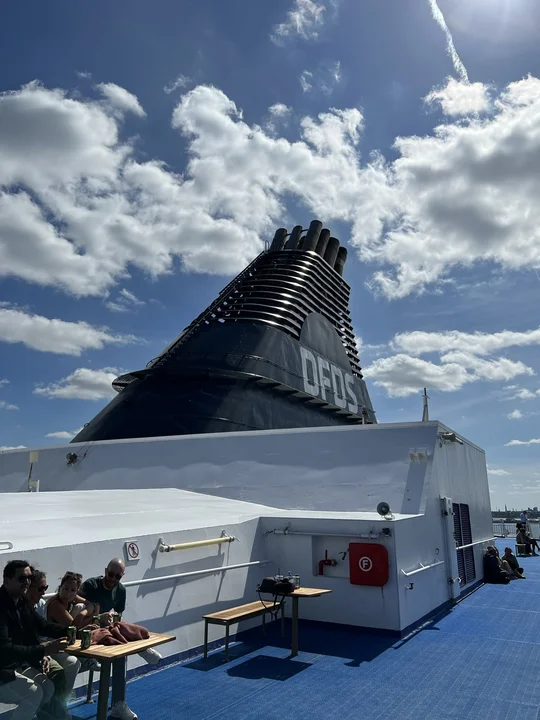
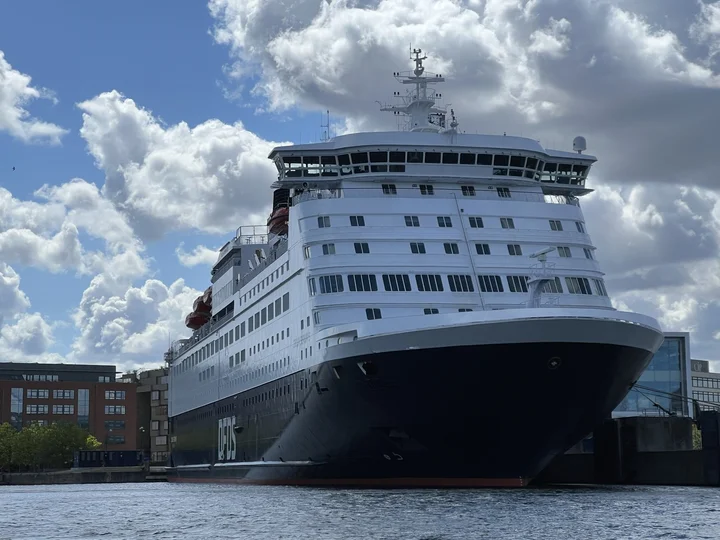
Pearl Seaways began her career in 1989 as Athena, a passenger and vehicle cruise ferry built by Wärtsilä Marine in Turku, Finland. She later became a familiar part of DFDS’s overnight connection between Copenhagen and Oslo, combining passenger accommodations and entertainment with vehicle transport. Her subsequent history includes the name Nordic Pearl.
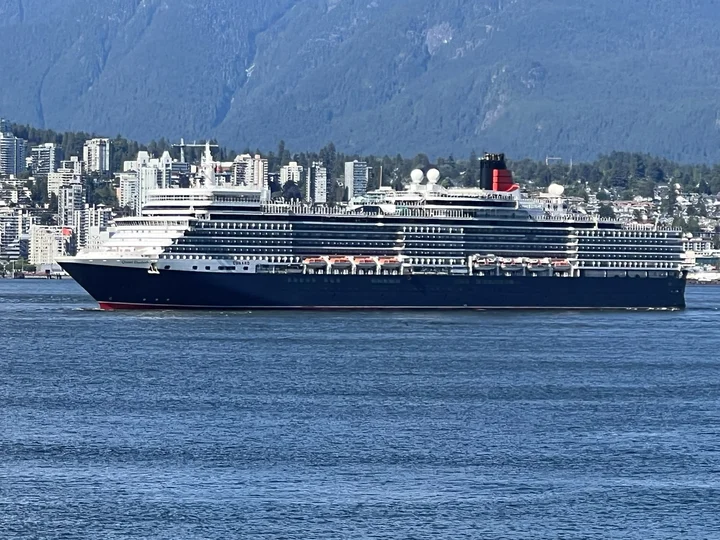
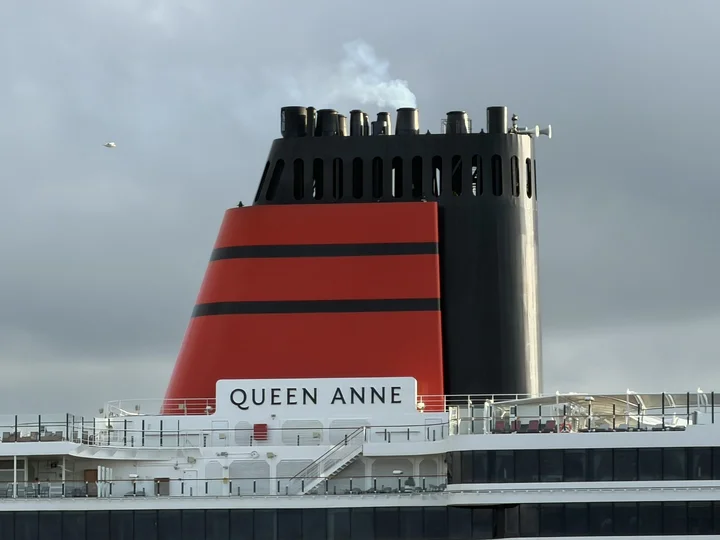
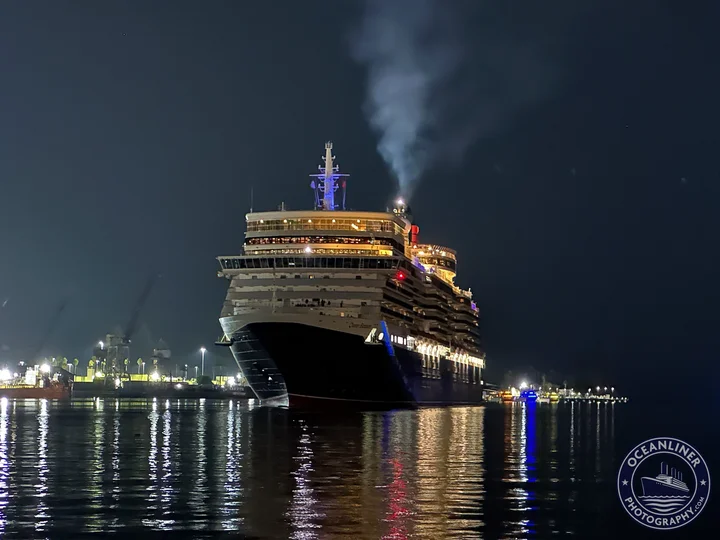
Queen Anne was delivered in 2024, becoming the 249th ship to sail under the Cunard name. Built by Fincantieri at Marghera, Italy, she introduced a new interpretation of Cunard’s passenger-ship traditions within a Pinnacle-class cruise-ship design. Her arrival brought the fleet to four ships alongside Queen Mary 2, Queen Victoria and Queen Elizabeth.
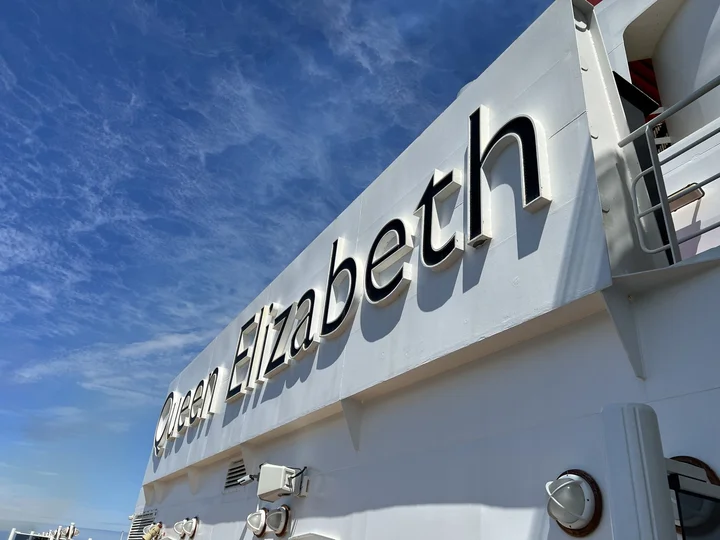
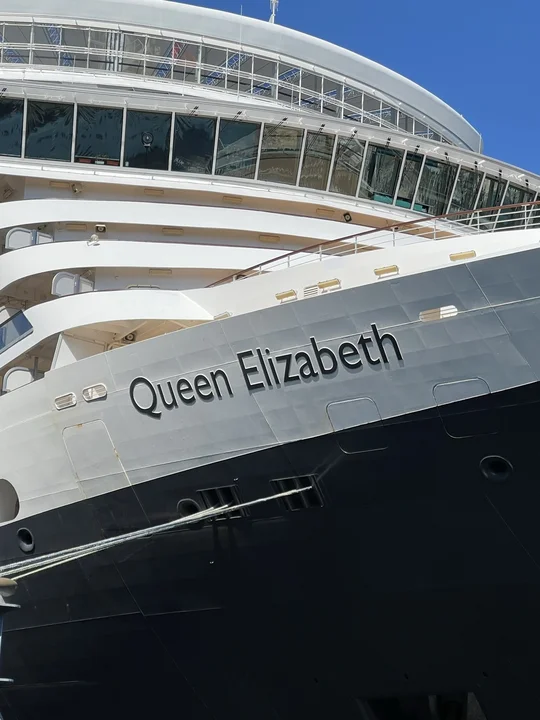
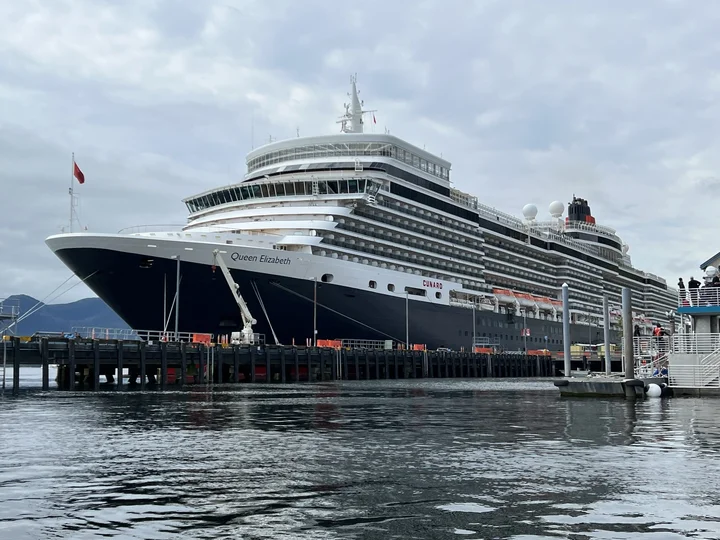
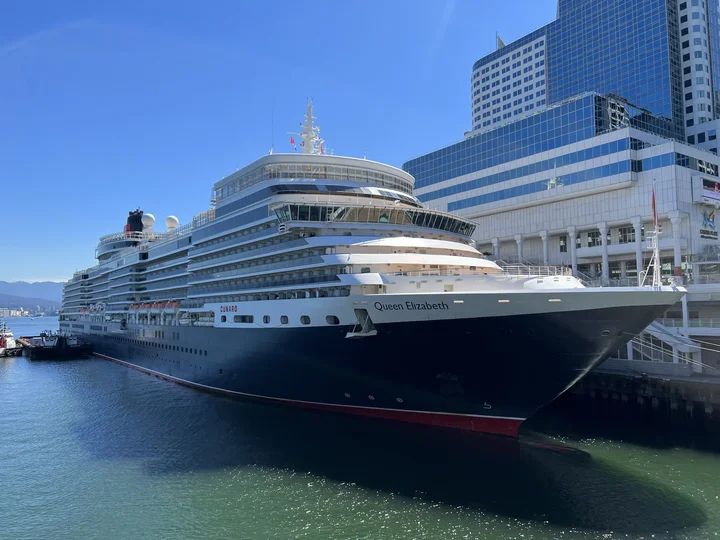
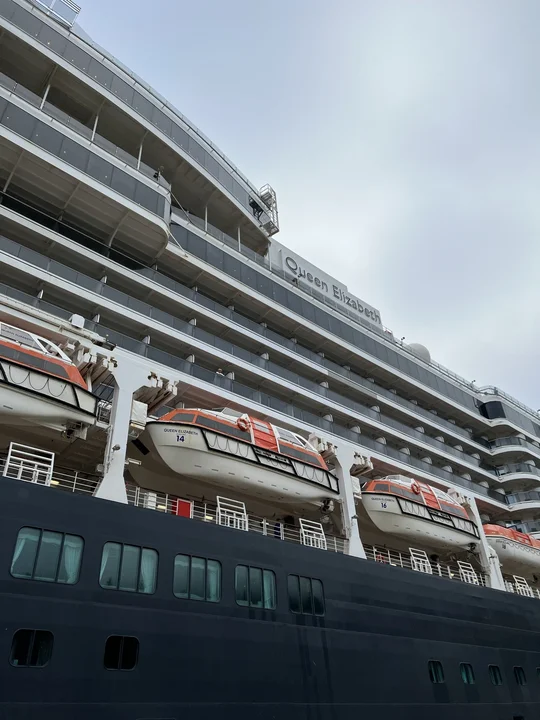
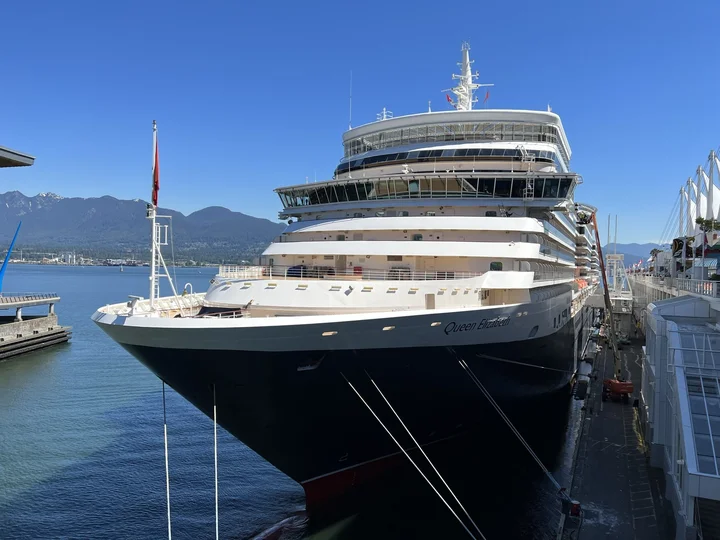
Built by Fincantieri at Monfalcone, Italy, Queen Elizabeth entered service for Cunard in 2010. She is a Vista-class cruise ship whose design combines modern cruise-ship architecture with interiors and traditions intended to reflect Cunard's long passenger-ship heritage. Although her name connects her with two celebrated earlier Cunard vessels, the current Queen Elizabeth is a cruise ship rather than an ocean liner.
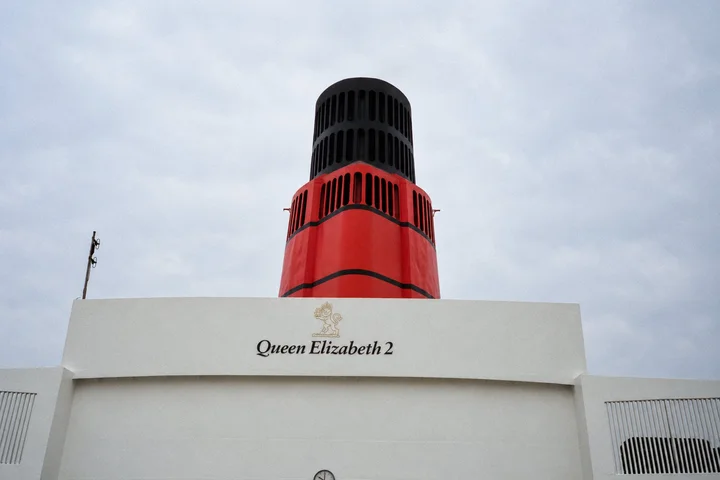
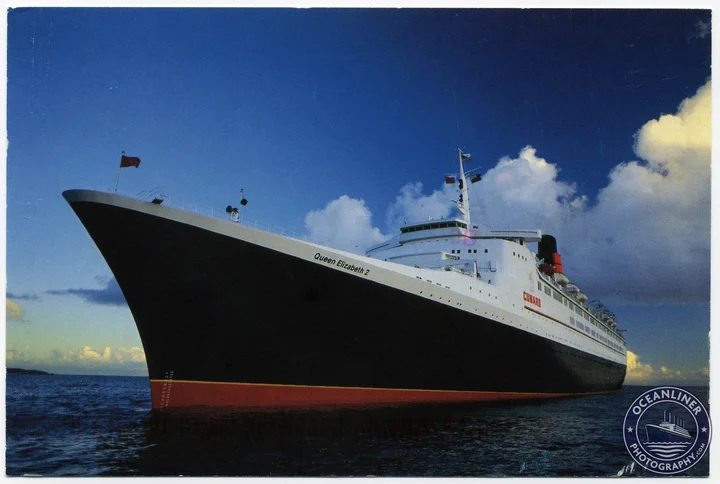
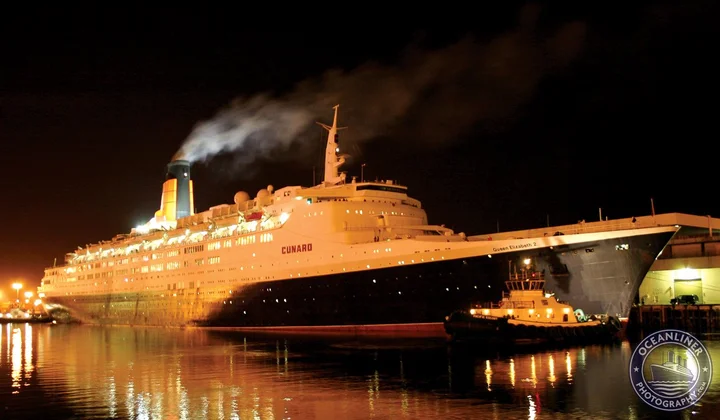
Few passenger ships became as closely associated with modern ocean travel as Queen Elizabeth 2. Better known around the world as QE2, she entered service for Cunard in 1969 at a time when jet aircraft had already transformed transatlantic transportation and many traditional passenger liners were disappearing. Cunard designed QE2 to meet that changing market: she had the strength, speed, and seagoing qualities required for scheduled North Atlantic crossings, while her size and passenger facilities allowed her to operate cruises and increasingly ambitious voyages around the world.
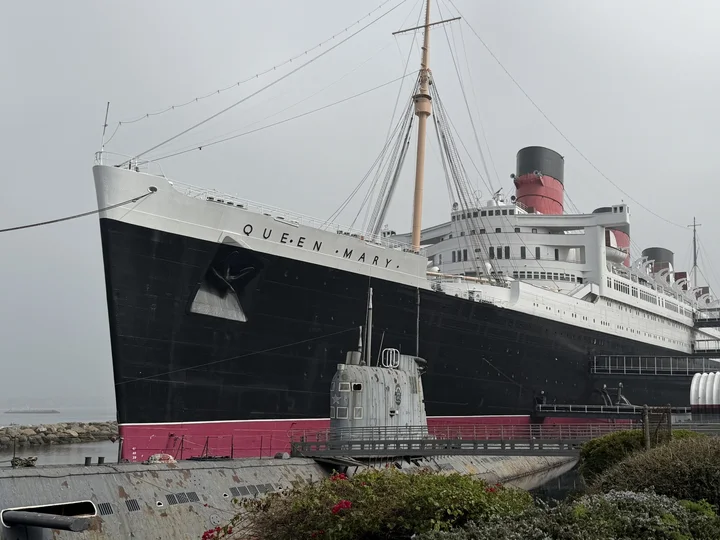
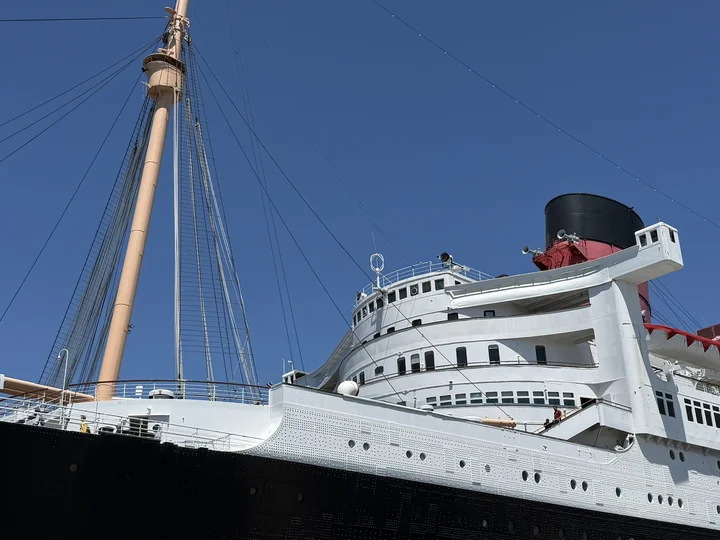
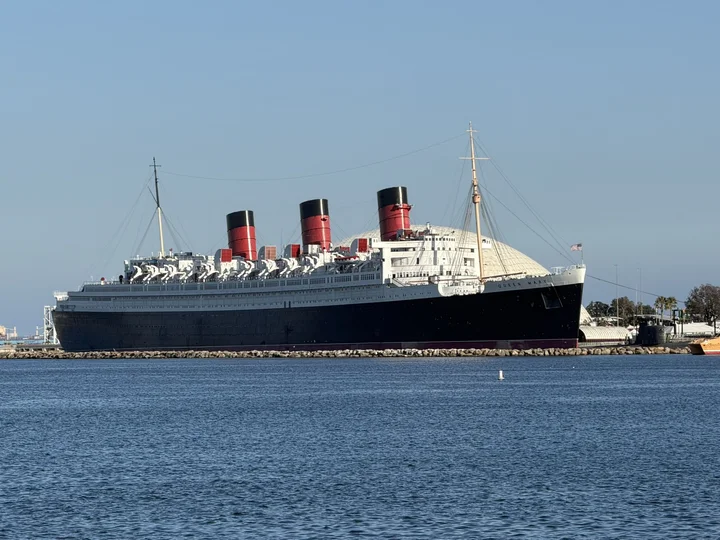
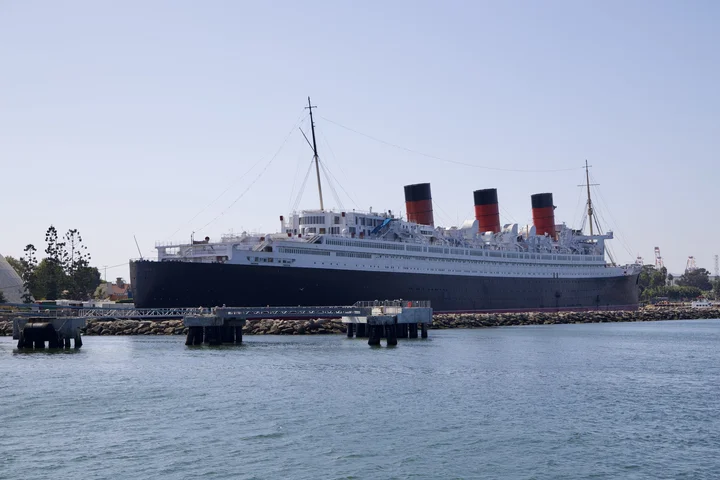
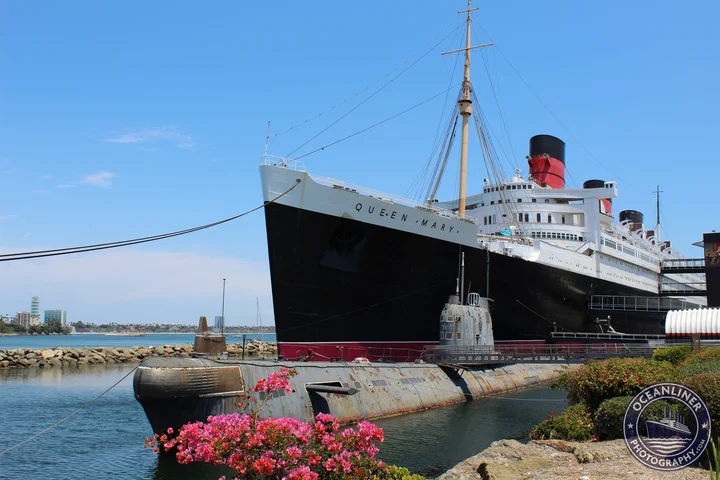
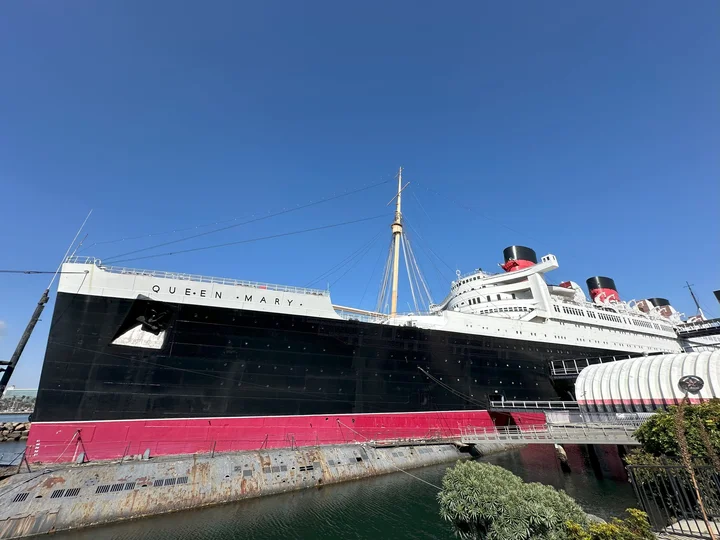
RMS Queen Mary is one of the most significant surviving passenger ships in maritime history. Built by John Brown & Company at Clydebank, Scotland, for Cunard White Star, she entered service in 1936 as one of the largest and fastest passenger liners in the world. Designed for the prestigious Southampton–Cherbourg–New York express service, Queen Mary competed with the French liner Normandie for the Blue Riband, carried Allied troops on an extraordinary scale during World War II, returned to luxury transatlantic service after the war, and remained a fixture of the North Atlantic until the rise of commercial aviation transformed international travel.
Built by Meyer Werft in Papenburg, Germany, Radiance of the Seas entered service in 2001 as the first ship of Royal Caribbean’s Radiance class. The design placed an unusually strong emphasis on glass and views of the surrounding sea, creating a class particularly well suited to scenic itineraries such as Alaska.
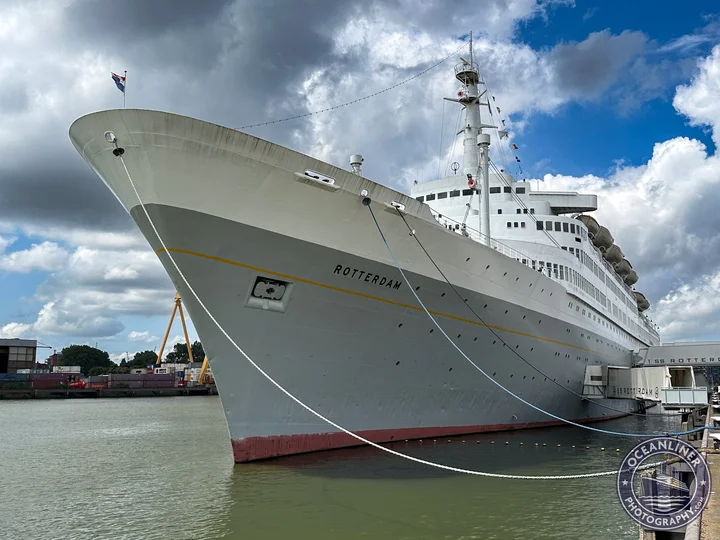
Built in the Netherlands for Holland America Line, SS Rotterdam entered service in 1959 as a flagship designed for both transatlantic crossings and cruising. Her modern interiors, distinctive twin exhaust uptakes, and adaptable passenger spaces set her apart from earlier ocean liners. After more than four decades of active service under the names Rotterdam and Rembrandt, she was preserved in the city whose name she carries.
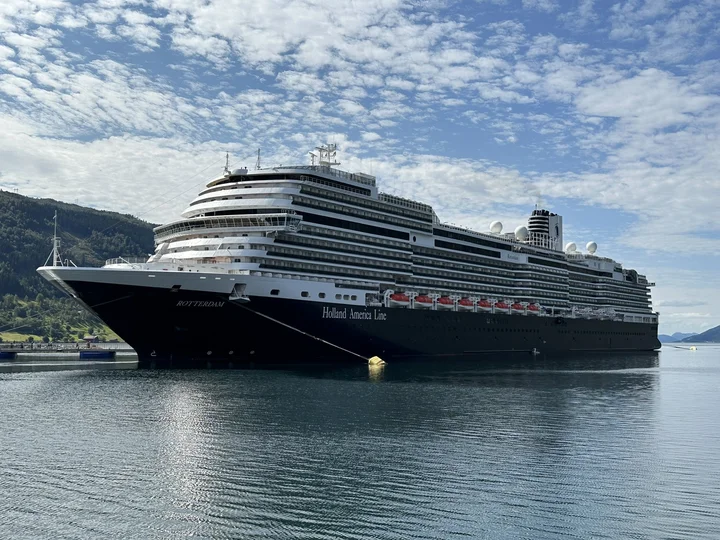
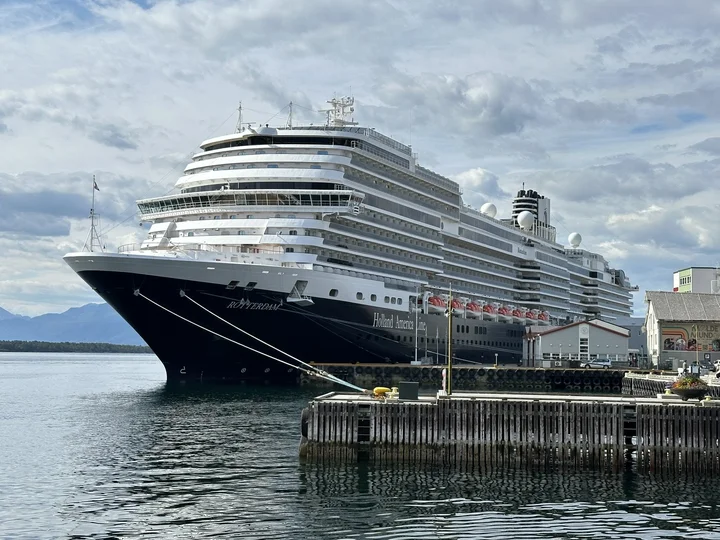
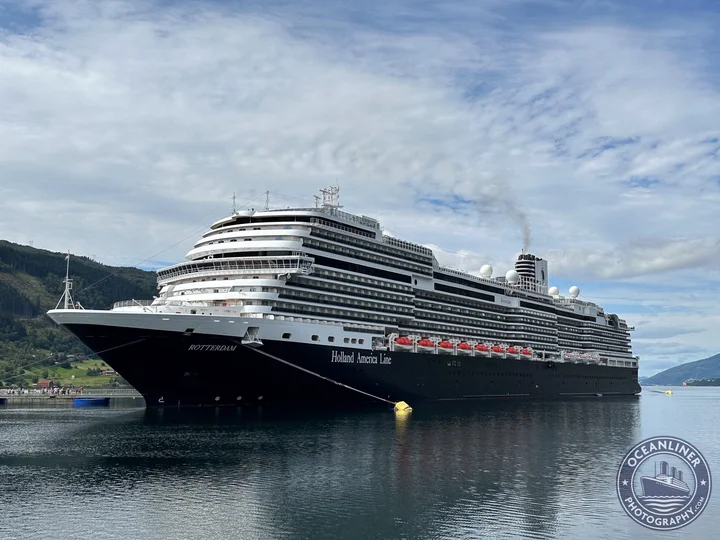
Rotterdam entered service in 2021 as the seventh Holland America Line vessel to carry the name. Built by Fincantieri at Marghera, Italy, she belongs to the Pinnacle class and continues a name closely associated with the company’s Dutch maritime history.
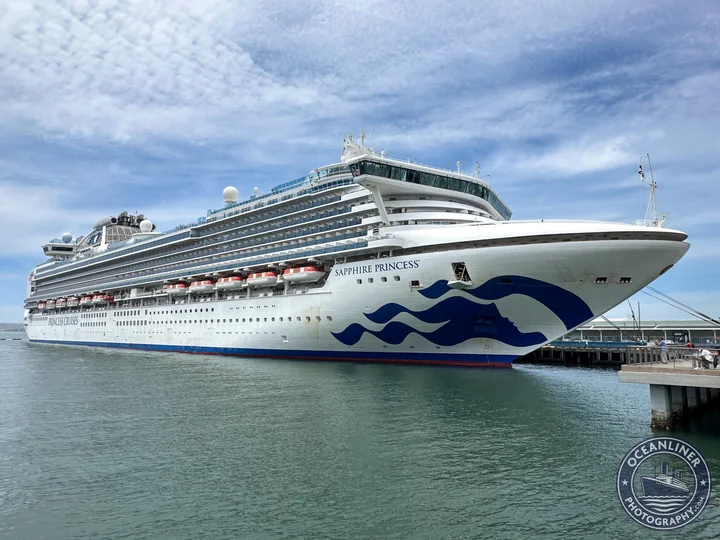
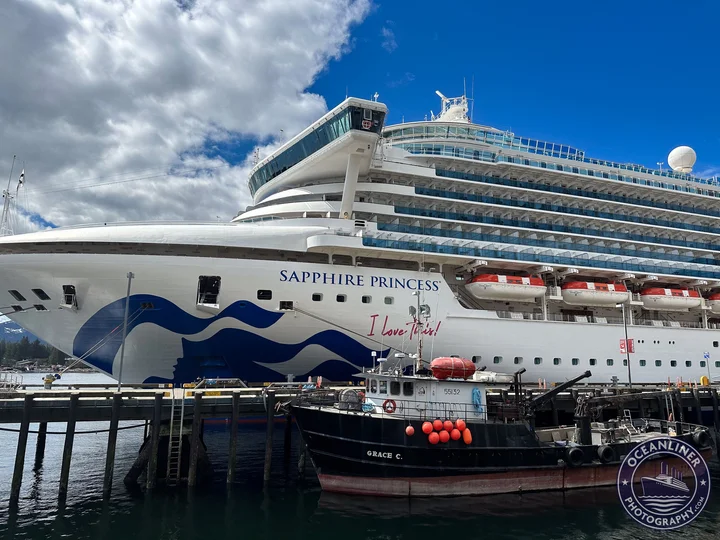
Built by Mitsubishi Heavy Industries in Nagasaki, Japan, Sapphire Princess entered Princess Cruises service in 2004. Princess identifies her as a Grand-class ship, part of the generation of large vessels that expanded upon the successful design introduced by Grand Princess in the late 1990s.
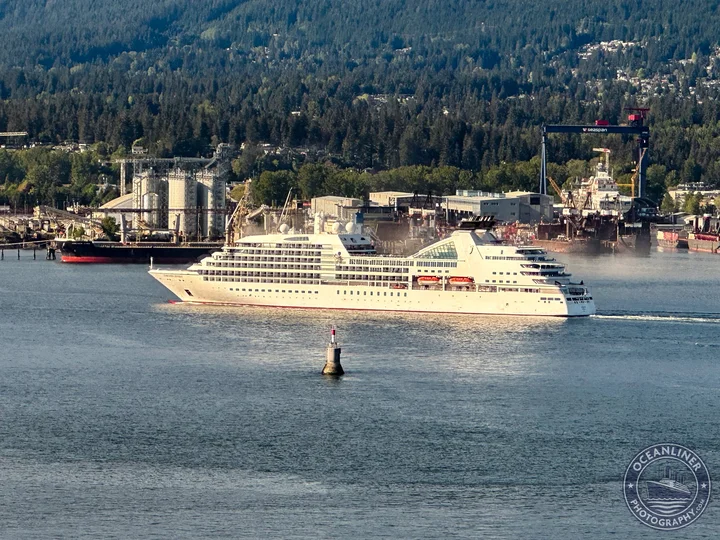
Entering service in June 2009, Seabourn Odyssey marked a significant expansion for Seabourn Cruise Line. Built by T. Mariotti in Genoa, Italy, she introduced a larger generation of ships while retaining the relatively small passenger complement and all-suite accommodations associated with the company’s earlier vessels.
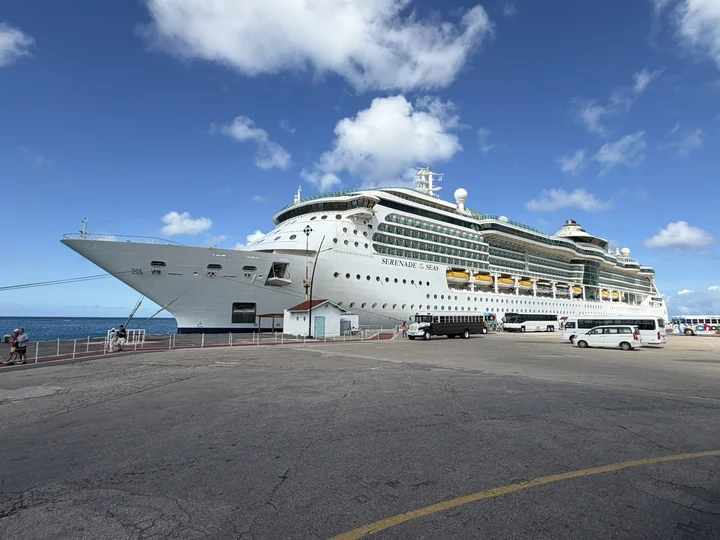
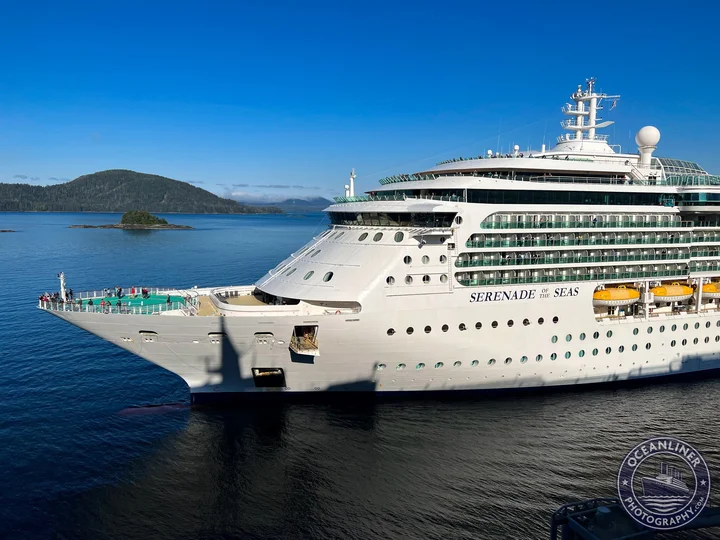
Built by Meyer Werft in Papenburg, Germany, Serenade of the Seas entered service for Royal Caribbean in 2003 as the third member of the Radiance class. The class was designed with unusually extensive glass throughout its public spaces, creating strong visual connections between the interior of the ship and the surrounding sea and landscape.
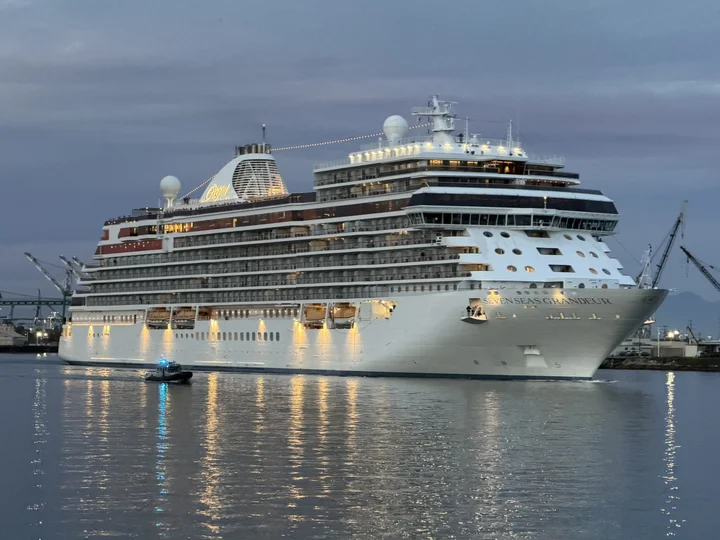
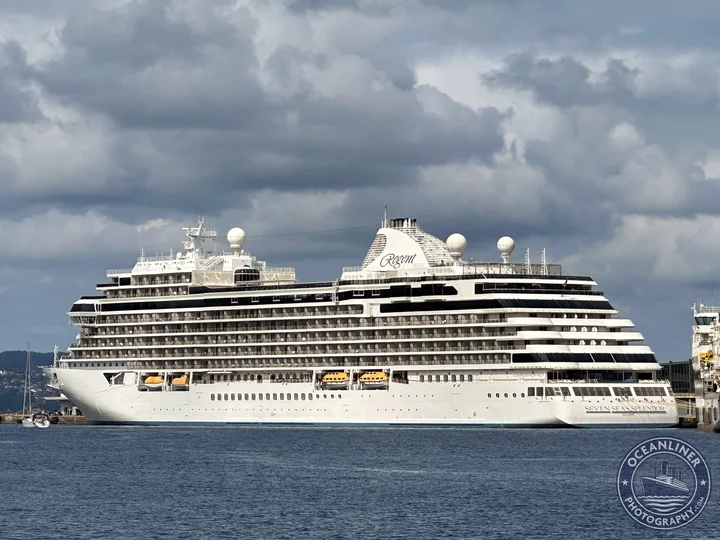
Built by Fincantieri in Ancona, Italy, Seven Seas Grandeur entered service in November 2023. She followed Seven Seas Explorer and Seven Seas Splendor as the third ship in the Explorer class, continuing Regent’s development of purpose-built vessels centered on suite accommodation, private balconies and an extensive selection of restaurants and public rooms.
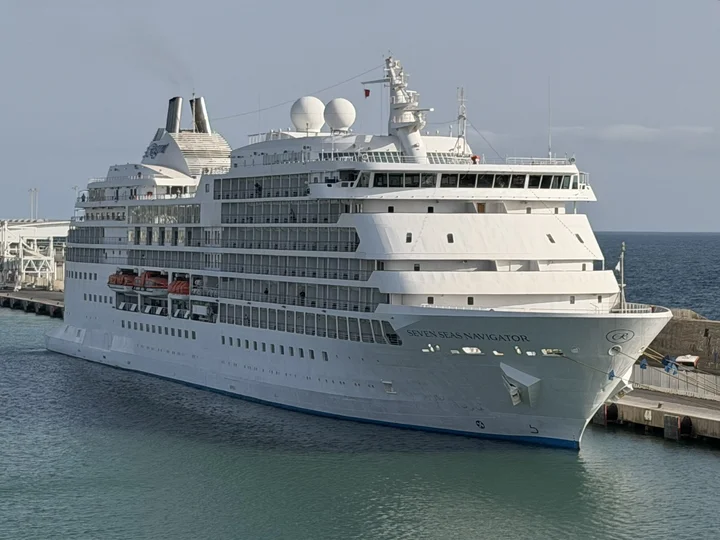
At just 28,803 gross tons and carrying fewer than 500 passengers, Seven Seas Navigator is considerably smaller than most modern cruise ships. Her unusual history began with a partially constructed Soviet research vessel hull before the ship was completed in Italy as a luxury cruise ship. She subsequently became one of the longest-serving vessels in the Regent Seven Seas Cruises fleet.
Entering service in 2020, Seven Seas Splendor continued Regent Seven Seas Cruises’ development of spacious, all-suite ships with private balconies for every accommodation. Built by Fincantieri in Ancona, Italy, she followed Seven Seas Explorer as the second vessel in the Explorer Class, combining a relatively small passenger complement with extensive dining venues, lounges, and carefully detailed interiors. Her introduction was notable both for the scale of her onboard craftsmanship and for Captain Serena Melani’s appointment to command a newly built ocean cruise ship.
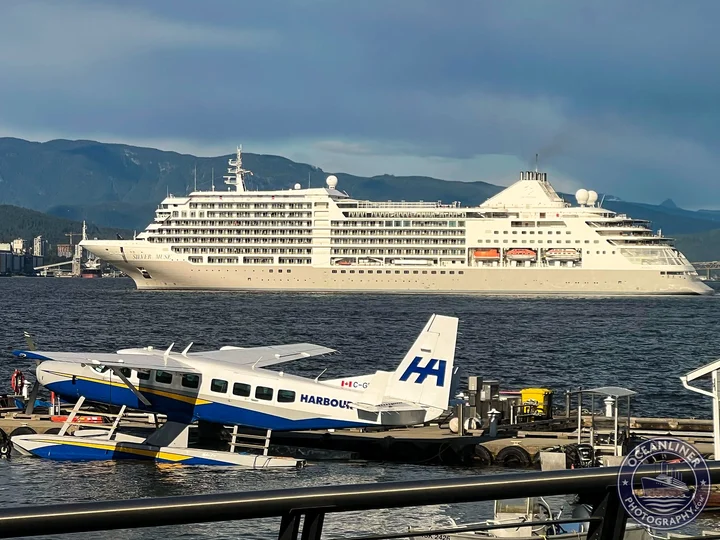
Built by Fincantieri in Italy, Silver Muse entered service in 2017 as the first ship of Silversea’s Muse class. At approximately 40,700 gross tons and 698 feet long, she was designed around the smaller scale and all-suite accommodations associated with Silversea while providing substantially more dining choices and public spaces than the company’s earlier vessels.
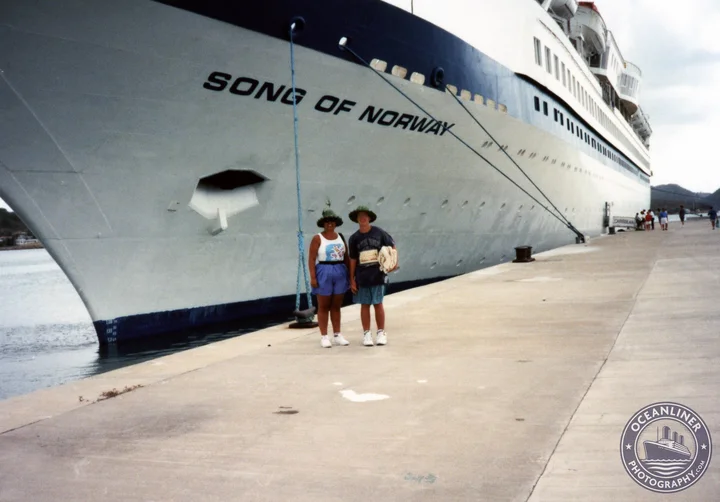
Song of Norway entered service in 1970 as Royal Caribbean Cruise Line’s first ship. Built in Finland specifically for vacation cruising, she helped establish the company’s identity through features including the elevated Viking Crown Lounge. A major lengthening in 1978 expanded her accommodations and public spaces.
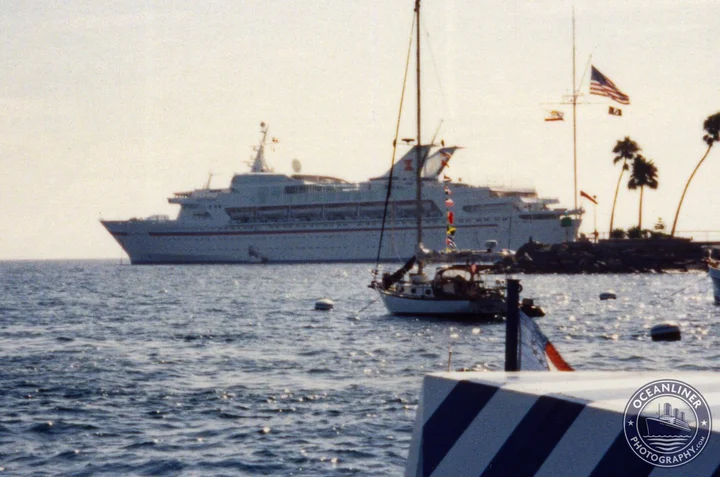
Southward entered service in 1971 for Norwegian Caribbean Line, later known as Norwegian Cruise Line. Built in Italy, she belonged to the smaller generation of ships that helped establish the company’s cruising business before becoming familiar on short voyages from Southern California.
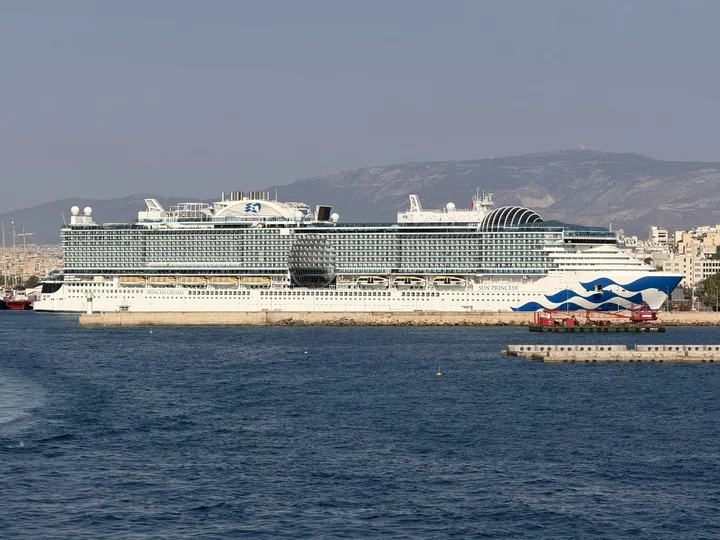
Sun Princess was delivered in 2024 as the first of Princess Cruises’ Sphere-class ships. Built by Fincantieri in Monfalcone, Italy, she introduced a larger generation of vessels for the company. Her design includes the glass-enclosed Dome and a three-level Piazza within the ship’s namesake Sphere.
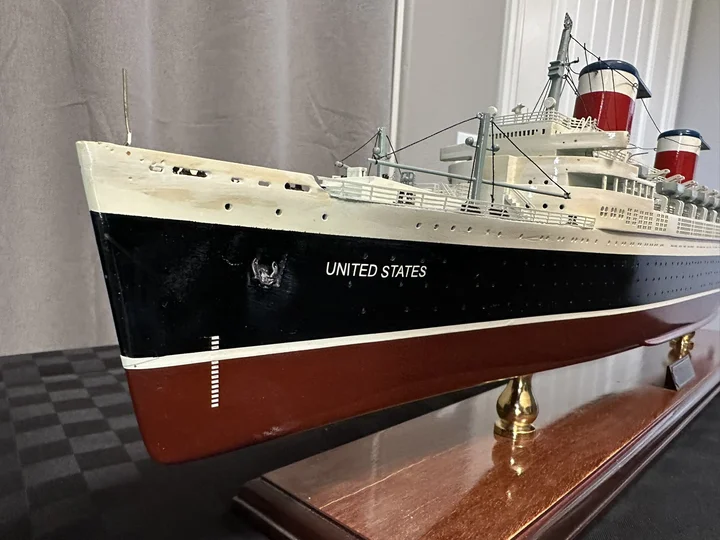
SS United States is remembered as one of America’s great ocean liners, associated with transatlantic passenger service and the Blue Riband for speed across the Atlantic.
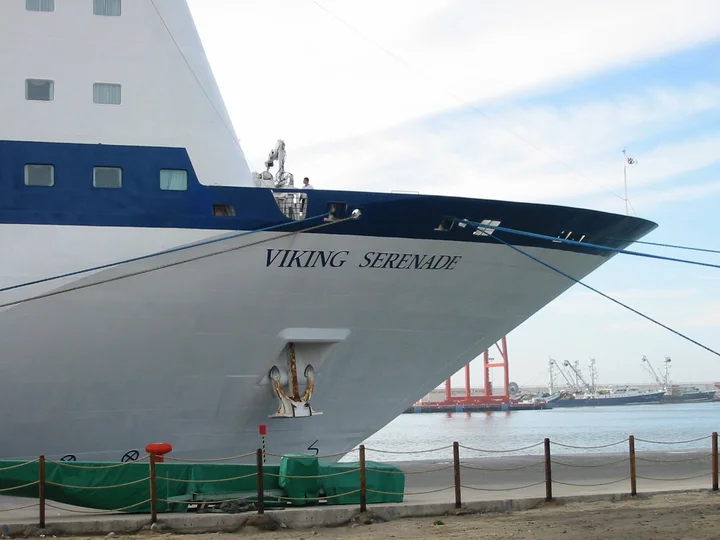
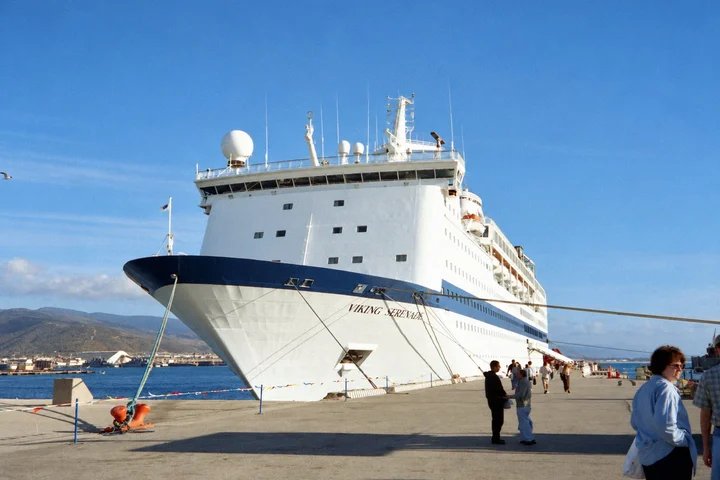
Built in France in 1982, Viking Serenade began her career as Scandinavia, a cruise ferry designed for DFDS’s service between New York and the Bahamas. After operating as Stardancer, she joined Royal Caribbean and underwent a substantial conversion in 1991. Her ferry origins gave her a different profile from the line’s purpose-built cruise ships, while her Southern California deployment made her familiar to passengers taking short cruises to Mexico.
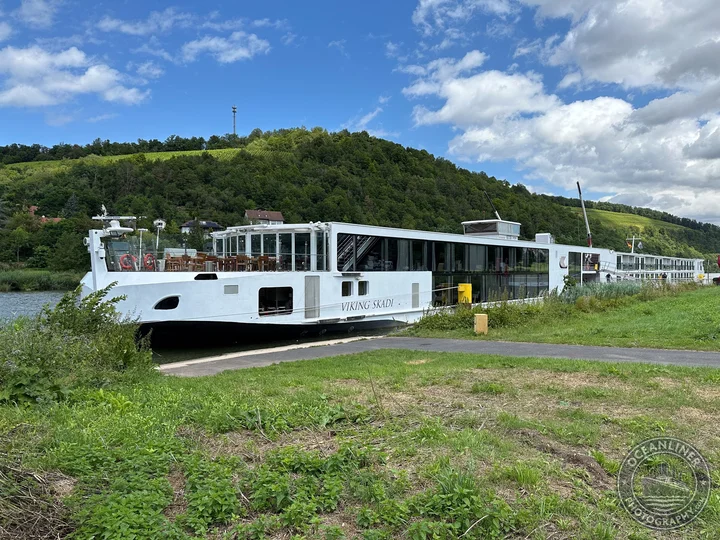
Built in 2013, Viking Skadi is one of Viking’s Longships, a class designed specifically for European river cruising. Her long, narrow dimensions allow the vessel to navigate the rivers, locks and bridges that determine the size and configuration of ships operating on these waterways.
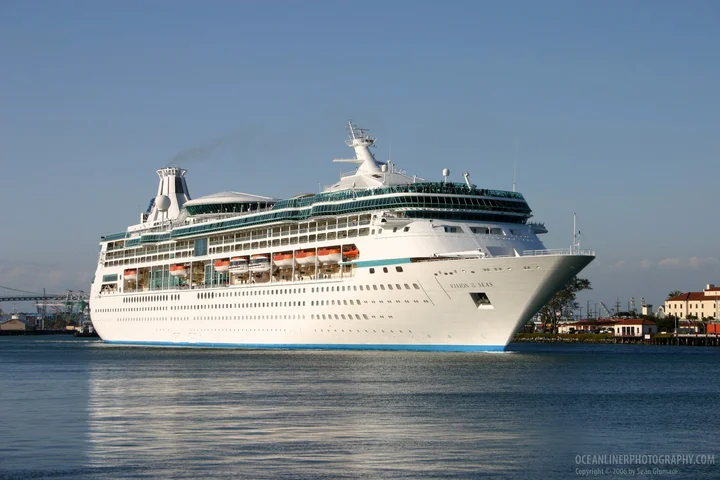
Built by Chantiers de l'Atlantique at Saint-Nazaire, France, Vision of the Seas entered service for Royal Caribbean in 1998. She was the final ship completed in the group commonly known as the Vision class, a generation of Royal Caribbean ships distinguished by extensive use of glass and public spaces designed to maintain a strong visual connection with the sea. At 78,340 gross tons and approximately 915 feet long, Vision of the Seas represented the continued growth of Royal Caribbean's fleet during the 1990s.
Built by Fincantieri in Italy, Volendam entered service for Holland America Line on November 12, 1999. She is an R-class ship and belongs to a generation of smaller Holland America vessels that preceded the significantly larger Vista, Signature and Pinnacle classes.
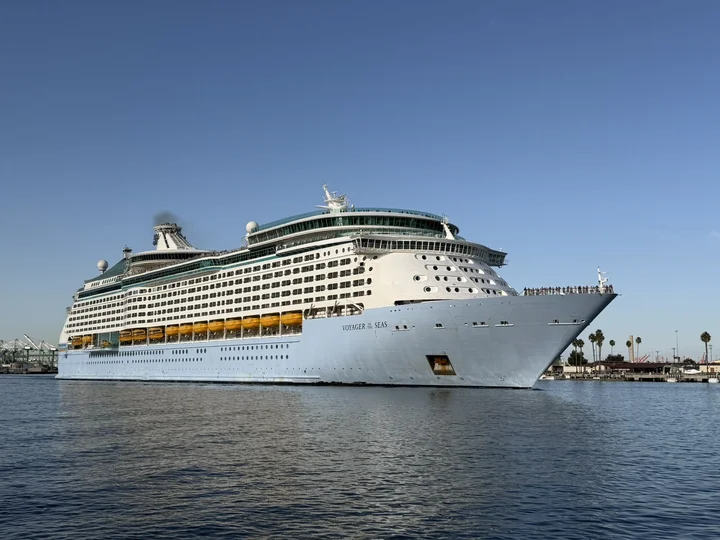
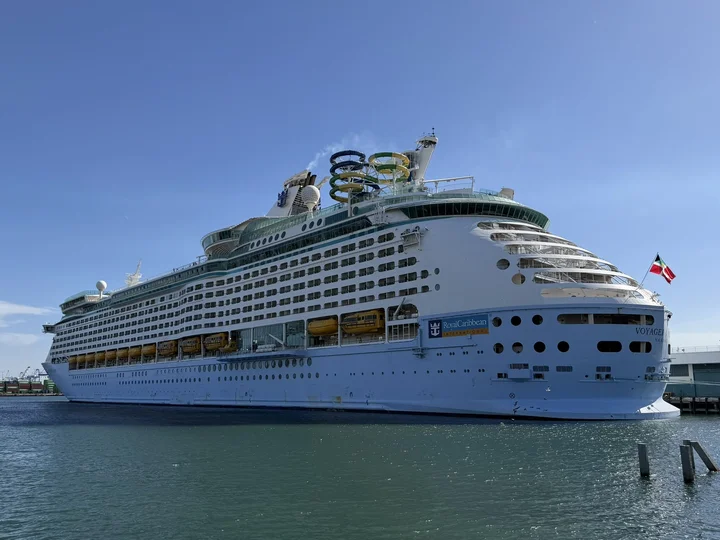
Introduced in 1999, Voyager of the Seas was the first ship in Royal Caribbean’s Voyager class and the largest cruise ship in the world when she entered service. Her debut brought together several features that became closely associated with the company, including an indoor Royal Promenade, an ice-skating rink and a rock-climbing wall. She helped establish a new scale for cruise ships, combining extensive accommodation with a much broader range of recreation and entertainment.
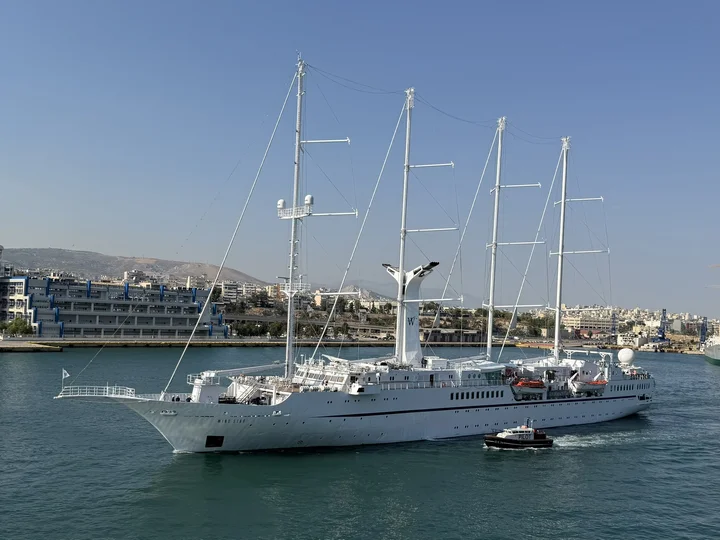
Entering service in 1986, Wind Star is a four-masted sailing yacht operated by Windstar Cruises. Much smaller than a conventional cruise ship, she carries just 148 guests and combines computer-controlled sails with diesel-electric propulsion, creating a distinctive blend of traditional sailing and modern small-ship cruising.
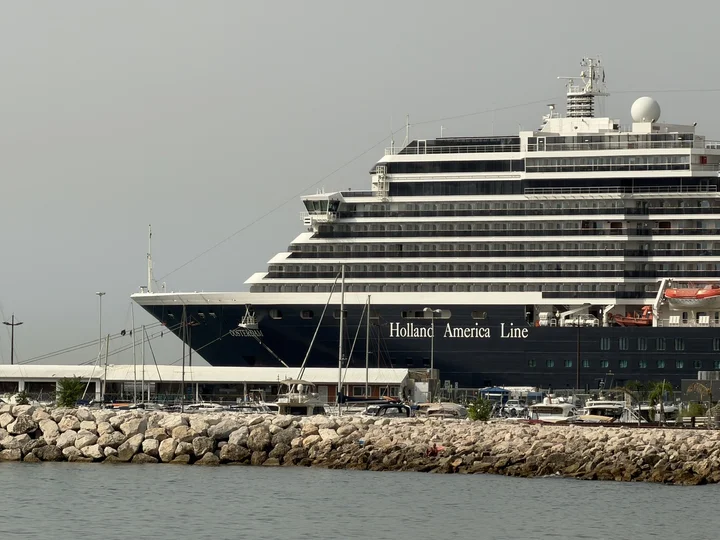
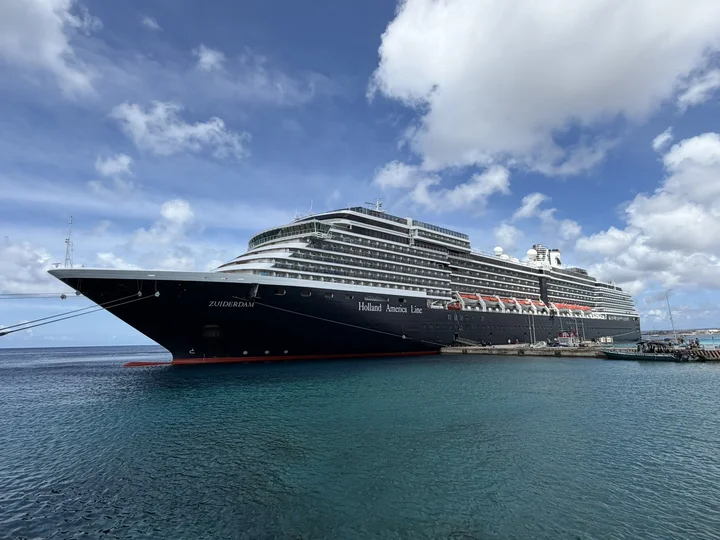
Zuiderdam marked the beginning of a new generation of Holland America Line cruise ships when she entered service in 2002. Built by Fincantieri at Marghera, Italy, she introduced the company’s Vista class, combining a larger passenger-ship design with extensive ocean-view accommodations and verandahs. Her three Holland America sister ships, Oosterdam, Westerdam and Noordam, followed over the next several years.
RMS Queen Elizabeth belonged to the great generation of Cunard ocean liners built for North Atlantic service. Her career began with wartime troop transport and continued with passenger crossings between Europe and North America. After retirement, C. Y. Tung planned to convert her into Seawise University, a floating educational institution, before the ship was destroyed by fire in Hong Kong in 1972.
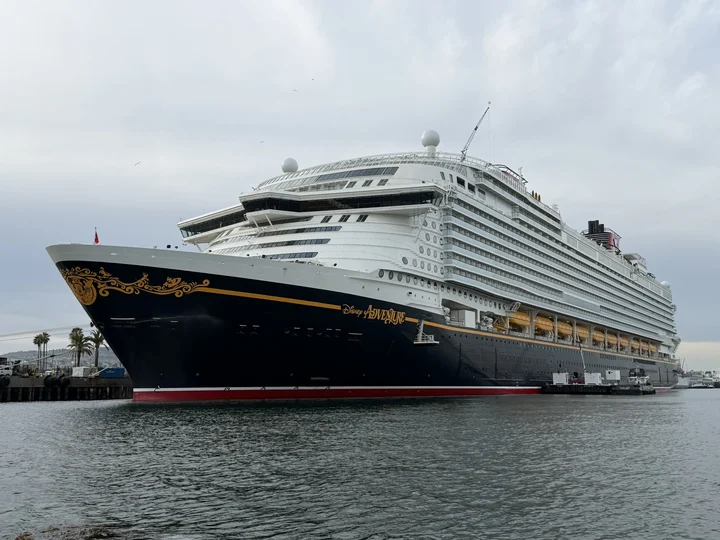
Disney Adventure began as the unfinished Global Dream project before Disney Cruise Line acquired the vessel in 2022 and arranged her completion at Wismar, Germany. Delivered in 2025, the approximately 208,000 GT ship introduced a much larger design to the Disney fleet. Her journey to Singapore included a record Panama Canal transit and a maiden Los Angeles call before her March 2026 entry into passenger service.
Admiral Cruises brought together Eastern, Western and Sundance Cruise Lines in 1986, combining short-cruise services on both coasts of North America. Its ships included Emerald Seas, Azure Seas and Stardancer. Royal Caribbean acquired the company in 1988; the Admiral brand disappeared in 1992 as its remaining ships were sold.
AIDA’s first ship entered service in 1996, introducing a casual, club-style approach to cruising for German-speaking travelers. The brand developed from its origins in German passenger shipping into a fleet recognized by colorful eyes and lips painted on the bows. Its voyages extend from Northern Europe and the Mediterranean to the Caribbean and other regions.
Cal Maritime began in 1929 as the California Nautical School, training officers for the United States Merchant Marine. Renamed California Maritime Academy in 1939, it developed a waterfront campus at Vallejo and joined the California State University system in 1995. Successive training ships named Golden Bear have provided cadets with practical navigation, engineering and seamanship experience at sea.
Founded by Ted Arison in 1972, Carnival Cruise Line began sailing from Miami with the former ocean liner Mardi Gras. Its informal “Fun Ship” approach helped broaden the appeal of cruising beyond the traditional ocean-liner market. From those Caribbean beginnings, Carnival expanded into a major cruise line serving destinations across the Americas, Europe, Australia and the Pacific.
Celebrity Cruises grew from the Greek Chandris shipping family’s passenger operations and established its modern identity around ships such as Horizon and Zenith. It joined Royal Caribbean in 1997, retaining the distinctive X funnel emblem inherited from Chandris. Successive Millennium, Solstice and Edge classes developed its emphasis on contemporary design, dining and worldwide ocean cruising.
Introduced in 2014 from the cruising business of Cyprus-based Louis Group, Celestyal developed a strong identity around Greek island and Eastern Mediterranean voyages. Its mid-sized ships emphasize regional ports, food and culture. The arrival of Celestyal Journey and Celestyal Discovery marked a fleet renewal and a broader range of itineraries beyond its original Aegean routes.
Color Line was established in 1990 through the combination of Jahre Line and Norway Line, inheriting older passenger and freight connections between Norway and continental Europe. It developed large cruise ferries alongside shorter vehicle-ferry services. Ships such as Color Fantasy combine the overnight Oslo–Kiel transport route with dining, entertainment and accommodation associated with a cruise ship.
Costa’s passenger-shipping history began in 1948 when Anna C sailed from Genoa to South America. The Italian company evolved from liner voyages carrying migrants and travelers into a cruise operator, with its yellow funnels and blue C becoming familiar in ports worldwide. Its later expansion reached beyond the Mediterranean to the Americas and Asia.
Thomas Crowley started his San Francisco waterfront business in 1892 with a rowboat carrying people and supplies to ships anchored in the bay. The enterprise expanded into towing, barging, salvage, petroleum transportation and logistics. Its history reaches well beyond the Pacific Coast, encompassing Alaska, the Caribbean, Central America and maritime services for commercial and government customers.
Crystal established its luxury-cruising reputation with Crystal Harmony in 1990, followed by Crystal Symphony and Crystal Serenity. After the original operation stopped in 2022, A&K Travel Group acquired the Crystal brand and its two ocean ships. Refurbishment and a return to service in 2023 began a new chapter in the line’s history of worldwide voyages.
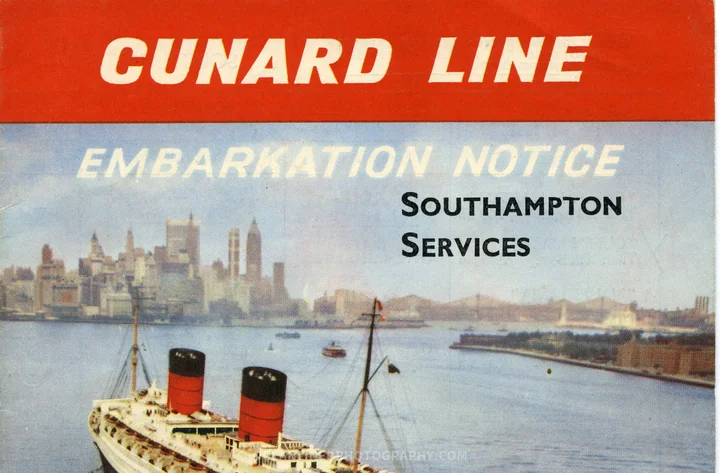
Cunard began its scheduled North Atlantic steamship service in 1840 with Britannia, carrying mail and passengers between Britain and North America. Generations of liners, including Lusitania, Mauretania, Queen Mary and Queen Elizabeth, established its international reputation. Queen Elizabeth 2 and Queen Mary 2 carried that transatlantic tradition into the modern cruising era.
DFDS was founded in Denmark in 1866 under the name Det Forenede Dampskibs-Selskab, or United Steamship Company. Its early steamers linked Scandinavian markets with Britain and other European ports, carrying passengers and freight. Over time, the company developed a broad ferry and logistics network, with overnight passenger ships becoming an important part of its North Sea and Scandinavian history.
Hapag-Lloyd Cruises draws on the passenger-shipping traditions of HAPAG and North German Lloyd. HAPAG’s Augusta Victoria made a pioneering pleasure voyage in 1891, while later Europa ships became closely associated with German luxury cruising. The modern operation combines that ocean-cruise heritage with expedition voyages aboard the Hanseatic-named ships.
Havila Voyages began operating on Norway’s Bergen–Kirkenes coastal route in December 2021, continuing a transport tradition dating to 1893. Its ships carry local passengers and freight as well as travelers making the longer coastal journey. Battery-assisted propulsion distinguishes this new generation of vessels serving communities, fjords and ports along Norway’s long coastline.
Established in Rotterdam in 1873, Holland America Line carried emigrants, travelers and cargo between the Netherlands and North America. As air travel displaced scheduled liner crossings, the company increasingly concentrated on cruising. Its Dutch ship names and long association with Alaska remain important parts of an identity that now encompasses voyages around the world.
Majestic Cruise Lines is associated with Freewinds, the former Caribbean passenger ship Bohème. After conversion, the vessel entered her new role in 1988 as a ship-based religious retreat for the Church of Scientology. Her history therefore differs from a conventional vacation cruise line, combining the ship’s earlier commercial passenger service with a later specialized use in the Caribbean.
Marella Cruises traces its origins to Thomson Cruises, which began operating in 1995 as part of the British holiday company. The Marella name was introduced in 2017 during TUI’s wider rebranding. Its fleet has included ships previously operated by other established cruise lines, adapted for British travelers on itineraries spanning the Mediterranean, the Caribbean and other holiday regions.
Mein Schiff began cruising in 2009 as the German-market brand of TUI Cruises, a joint venture formed by TUI and Royal Caribbean in 2008. Its first ships were converted Celebrity vessels; purpose-built ships later established a distinct fleet. The brand developed around a relaxed onboard atmosphere and inclusive dining and drinks, with itineraries reaching well beyond Northern Europe.
MSC’s cruise business began in 1988, building on the Aponte family’s shipping background and the Mediterranean Shipping Company established in 1970. An early fleet of acquired passenger ships gave way to a major program of purpose-built vessels. From its Mediterranean roots, the family-owned cruise operation expanded across Europe, the Caribbean, South America and other regions.
Lindblad’s expedition-cruising heritage reaches back to Lars-Eric Lindblad’s pioneering tourist voyage to Antarctica in 1966. The later company led by Sven-Olof Lindblad developed small-ship journeys centered on natural history and exploration. Its partnership with National Geographic, begun in 2004, brought together expedition travel, scientific expertise, photography and conservation in destinations from Alaska and the Galápagos to the polar regions.
Norwegian began operating from Miami in 1966 as Norwegian Caribbean Lines, helping establish regularly scheduled Caribbean vacation cruises. The introduction of the converted liner Norway in 1980 brought a new scale to the fleet. Later, Freestyle Cruising relaxed traditional dining schedules, while successive purpose-built ships supported expansion into Alaska, Europe, Hawaii and other destinations worldwide.
Orient Lines began operating in 1993 with Marco Polo, the extensively rebuilt former Soviet liner Aleksandr Pushkin. The company emphasized longer, destination-focused voyages rather than short resort-style cruises, visiting regions including Europe, South America and Antarctica. It later became part of the Norwegian Cruise Line group; its original cruising operation ended in 2008 when Marco Polo transferred to another operator.
Johannes Zurnieden founded Phoenix Reisen in Bonn in 1973 as a tour operator. The company entered ocean cruising in 1988 with the chartered Maxim Gorkiy, later becoming known for traditionally styled ships such as Amadea and Albatros. Serving mainly German-speaking travelers, Phoenix developed both worldwide ocean voyages and an extensive river-cruise program.
Princess Cruises began in 1965 with Mexican Riviera voyages aboard the chartered Princess Patricia. Its association with television’s The Love Boat helped introduce cruising to a wider audience. Expansion under P&O and later Carnival brought a global fleet and itineraries spanning Alaska, the Americas, Europe, Asia and the Pacific, while retaining the Princess name and sea-witch emblem.
Regent Seven Seas Cruises developed from the luxury-cruising businesses associated with Radisson Seven Seas and Seven Seas Cruise Line in the 1990s. Renamed Regent Seven Seas in 2006, the line became known for spacious accommodation and an increasingly inclusive approach to ocean travel. Its ships undertake regional and extended voyages across the world rather than concentrating on a single coastline.
Royal Caribbean’s first ship, Song of Norway, sailed from Miami in 1970, beginning a purpose-built fleet for Caribbean vacation cruising. The line grew from those Norwegian-backed beginnings into a worldwide operator. Its later Sovereign, Voyager, Oasis and Icon classes successively expanded ship size and onboard recreation, while retaining familiar features such as the Viking Crown Lounge in earlier generations.
Seabourn began passenger service in 1988 with the small, all-suite Seabourn Pride, establishing a yacht-inspired alternative to larger cruise ships. Sister vessels and later generations expanded its ocean-cruising reach while maintaining a relatively intimate scale. The addition of purpose-built expedition ships extended that luxury-cruising approach into polar and other remote regions.
Silversea began operating in 1994 with small, all-suite ships designed for inclusive luxury cruising. Its ocean fleet subsequently expanded, while an expedition division brought voyages to the polar regions and other remote destinations. Royal Caribbean Group acquired an initial stake in 2018 and full ownership in 2020, continuing the line’s development as a distinct luxury brand.
TUI Cruises was established in 2008 as a joint venture between TUI and Royal Caribbean, entering service with the first Mein Schiff in 2009. Initially using converted ships, it developed a purpose-built fleet for the German-speaking cruise market. Mein Schiff’s identity centers on a relaxed, inclusive holiday at sea, with voyages across Europe and farther afield.
United States Lines was established in 1921 to operate American passenger liners, later becoming closely associated with Leviathan, America and the record-breaking United States. Its North Atlantic passenger service ended in 1969 as jet travel overtook liner crossings. The company continued in freight shipping before financial failure in the 1980s ended its role as a major American shipping line.
Viking was founded in 1997 with four river vessels and developed a style of cruising focused on destinations, history and culture. Its expansion included the Longship generation on European waterways, followed by ocean cruising in 2015 and later expedition voyages. The company’s development connects its original river routes with a much broader international passenger-ship operation.
Virgin Voyages entered passenger service in 2021 with Scarlet Lady, bringing the Virgin brand into ocean cruising. Its adults-only approach emphasized contemporary interiors, varied restaurants and a different style of onboard entertainment. Sister ships extended the operation across Caribbean, European and other itineraries, with Brilliant Lady completing the original four-ship series.
Windstar was founded in 1984 and introduced Wind Star in 1986, combining a small passenger complement with modern computer-controlled sails. Additional sailing vessels established the line’s distinctive profile. Later expansion into powered yachts broadened its fleet while retaining a focus on smaller ports and intimate voyages in regions including the Mediterranean, Caribbean and South Pacific.
Disney Cruise Line began passenger operations in 1998 with Disney Magic, followed by Disney Wonder in 1999. Its early Bahamas and Caribbean program grew into a wider international operation, with purpose-built ships combining ocean travel and Disney entertainment. Later fleet expansion included the Dream and Wish classes, while Disney Adventure introduced a new scale and an Asian home port at Singapore in 2026.