CARNIVAL PARADISE
August 31, 2007 | Long Beach, CA
On August 31, 2007, the Carnival Paradise (Carnival Cruise Line) was docked in Long Beach, California, preparing to depart on a three-day cruise to Ensenada, Mexico. The Fantasy-class ship had been based in Long Beach since 2004, operating Carnival’s year-round short cruises to Baja California and Catalina Island.
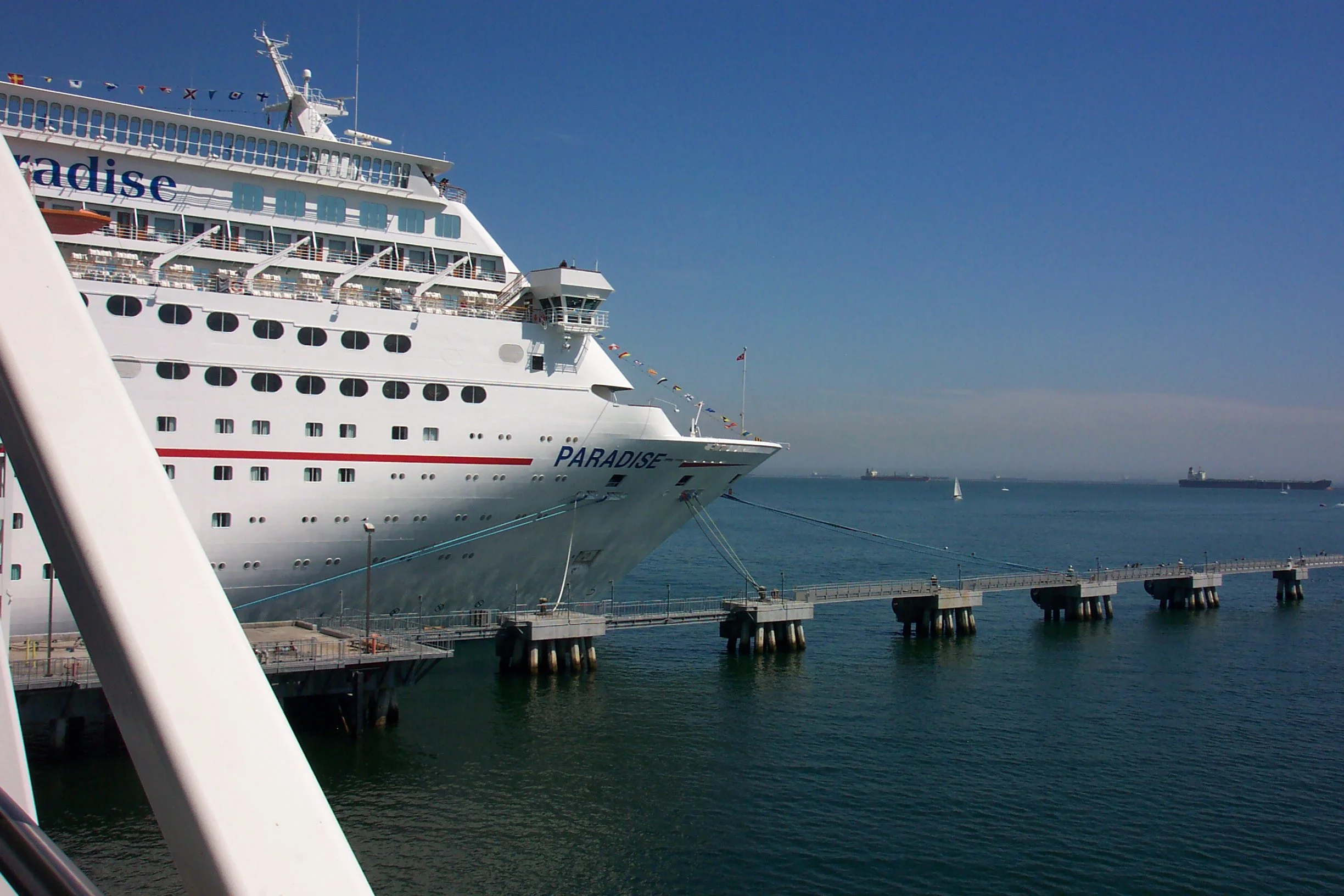
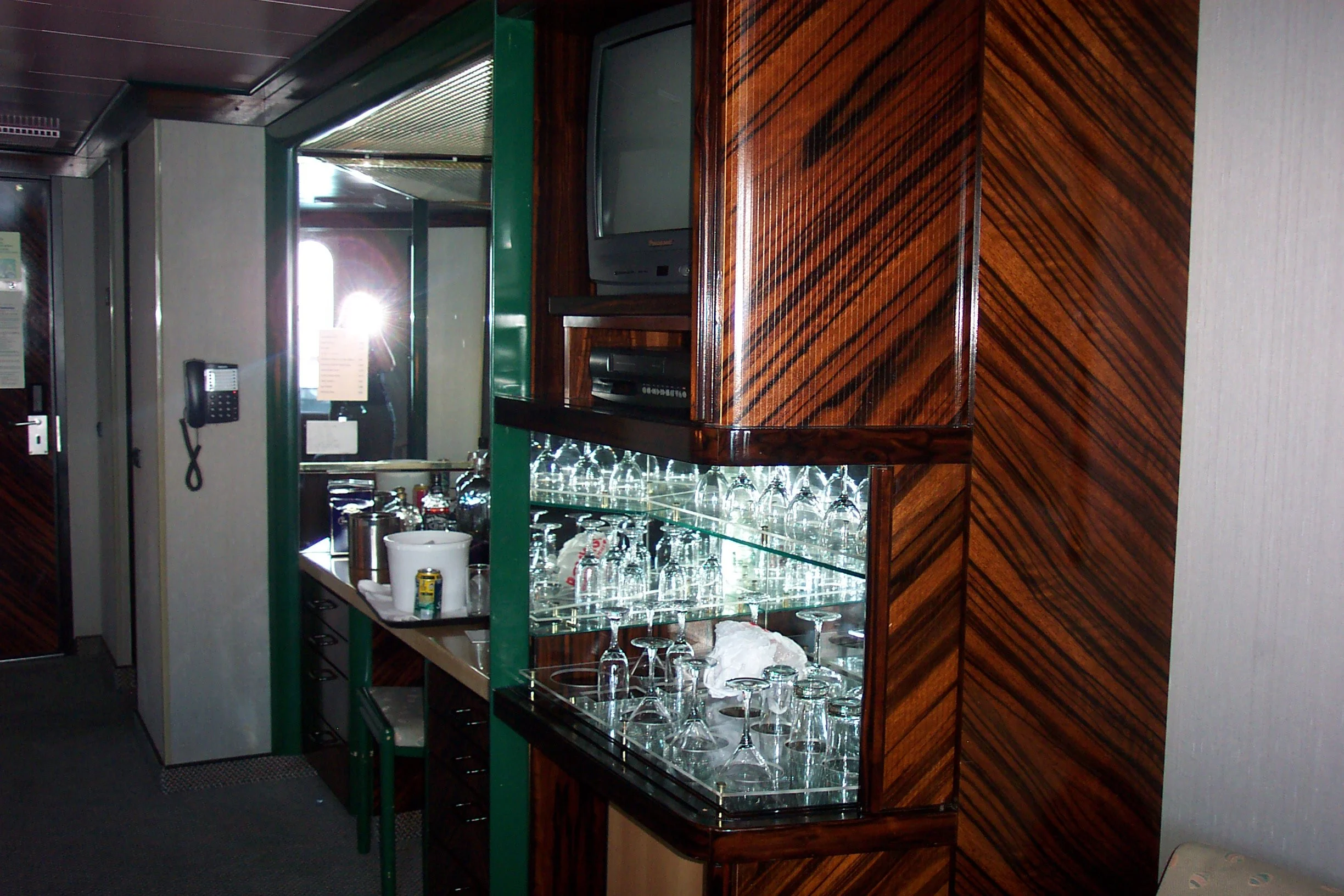
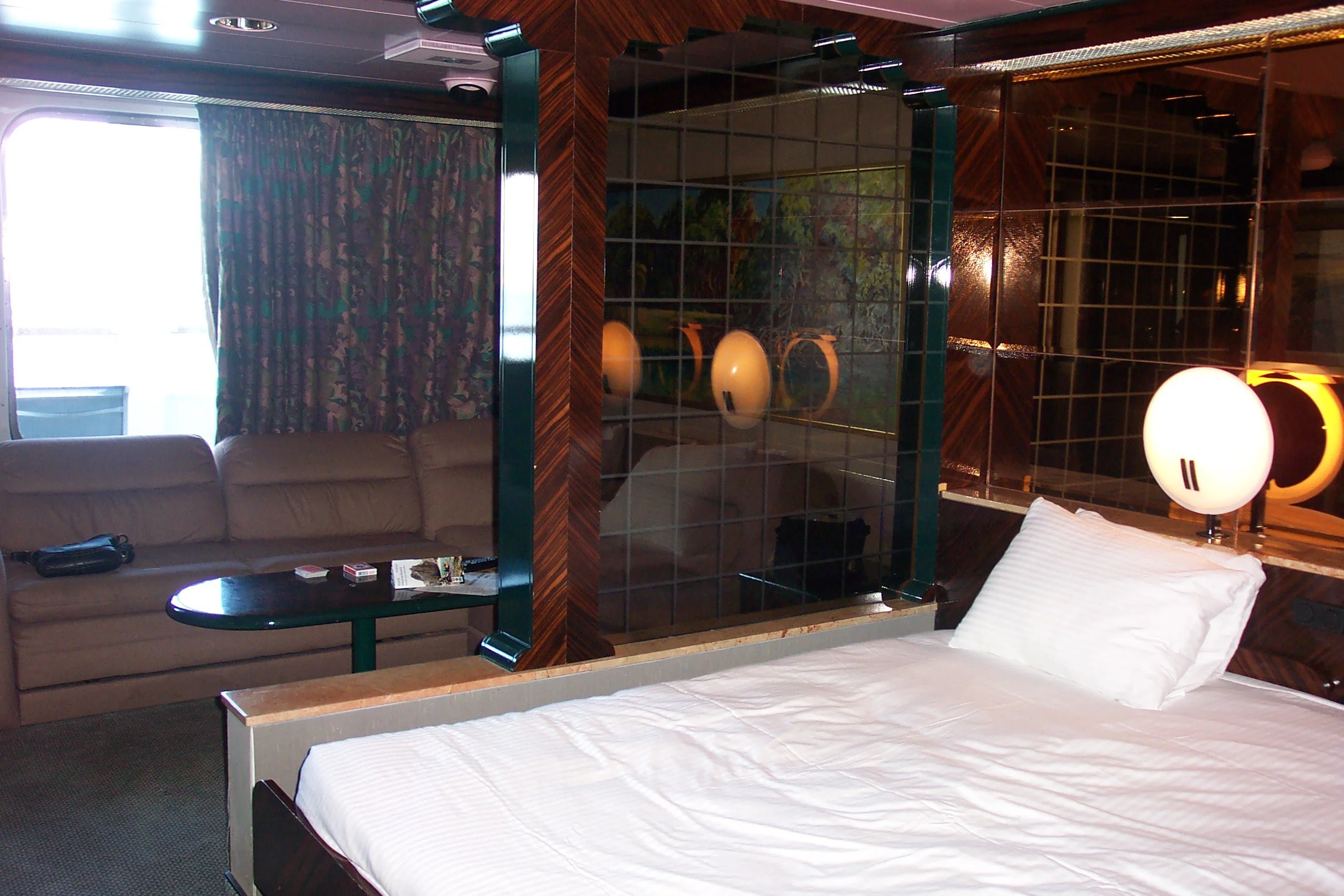
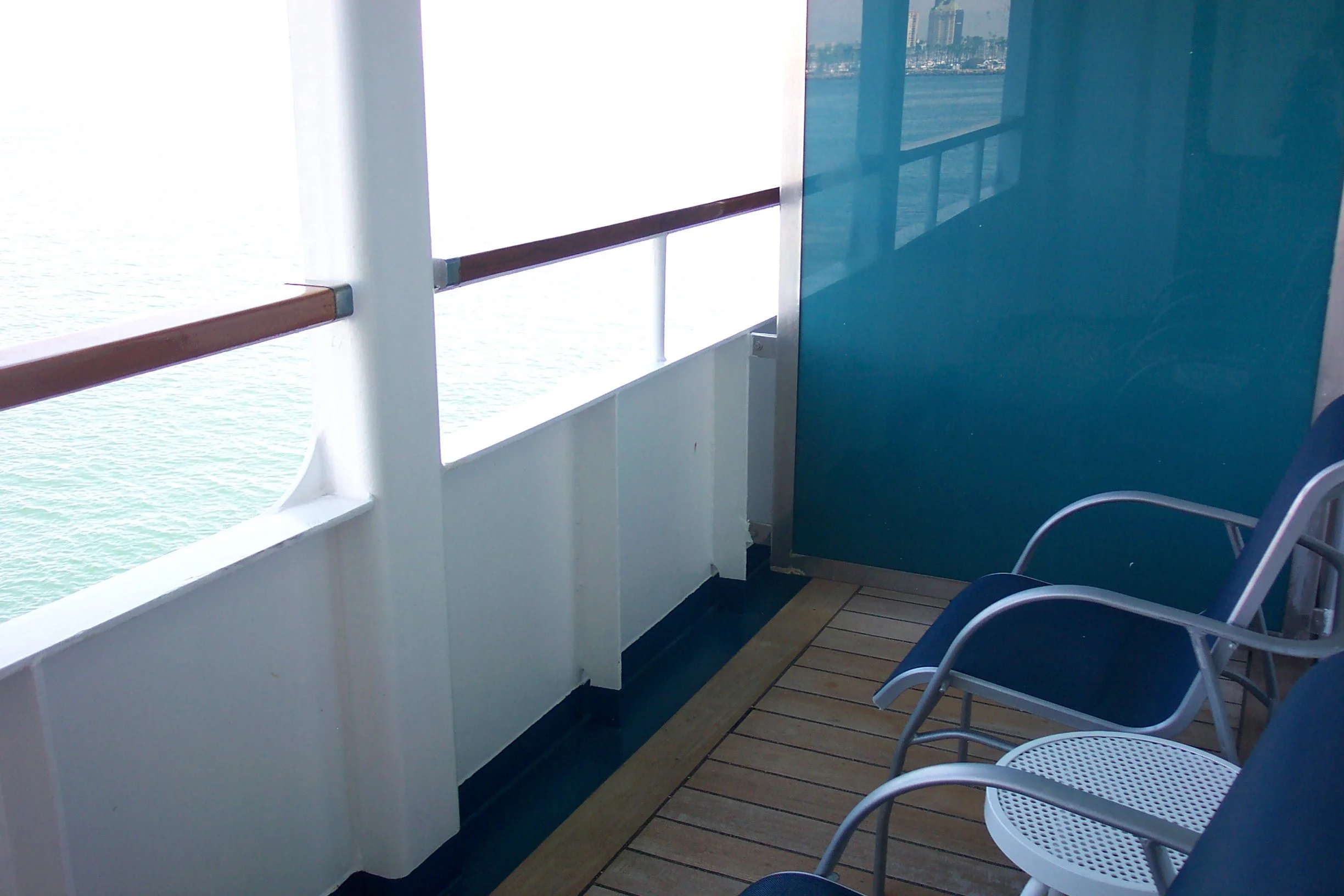
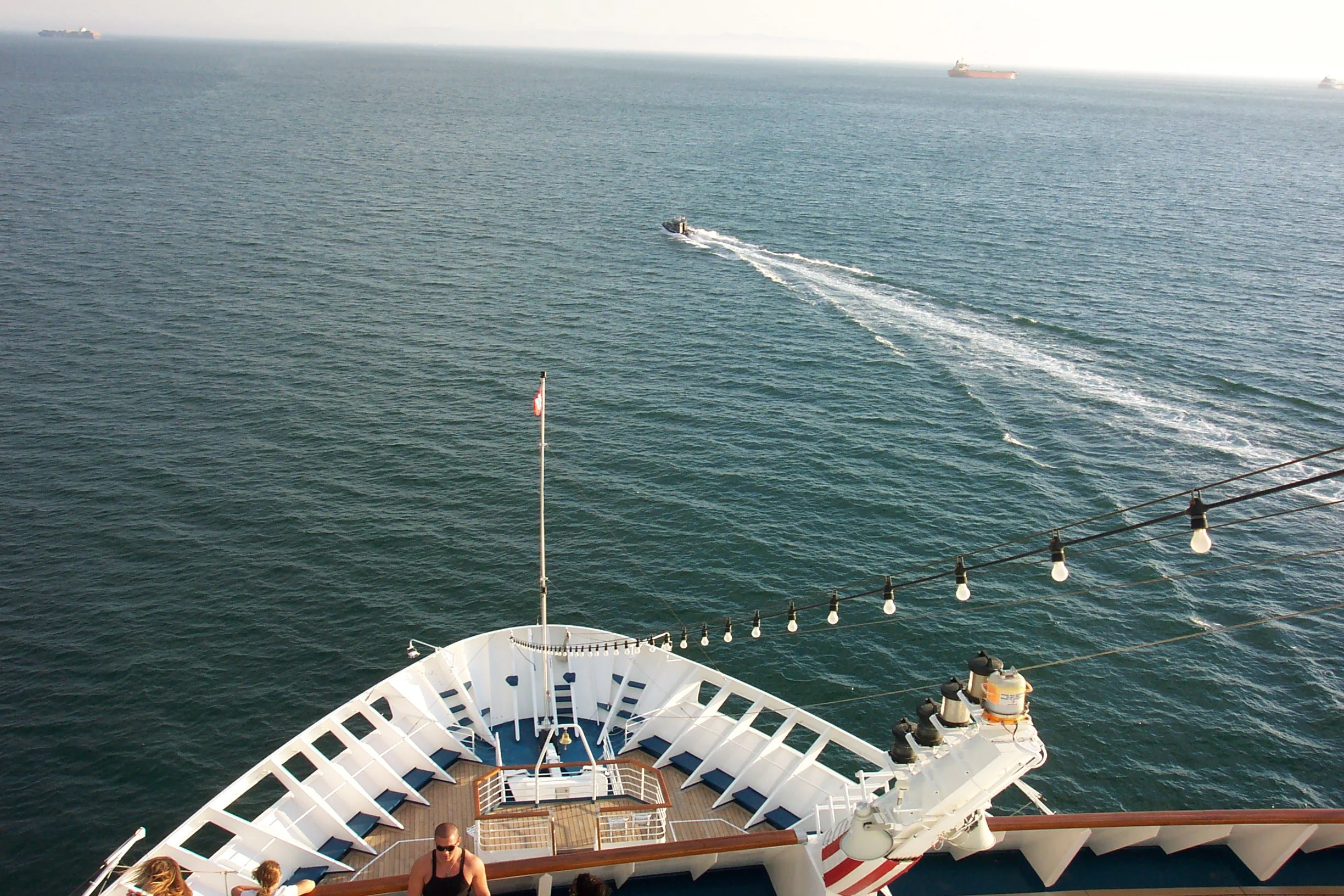
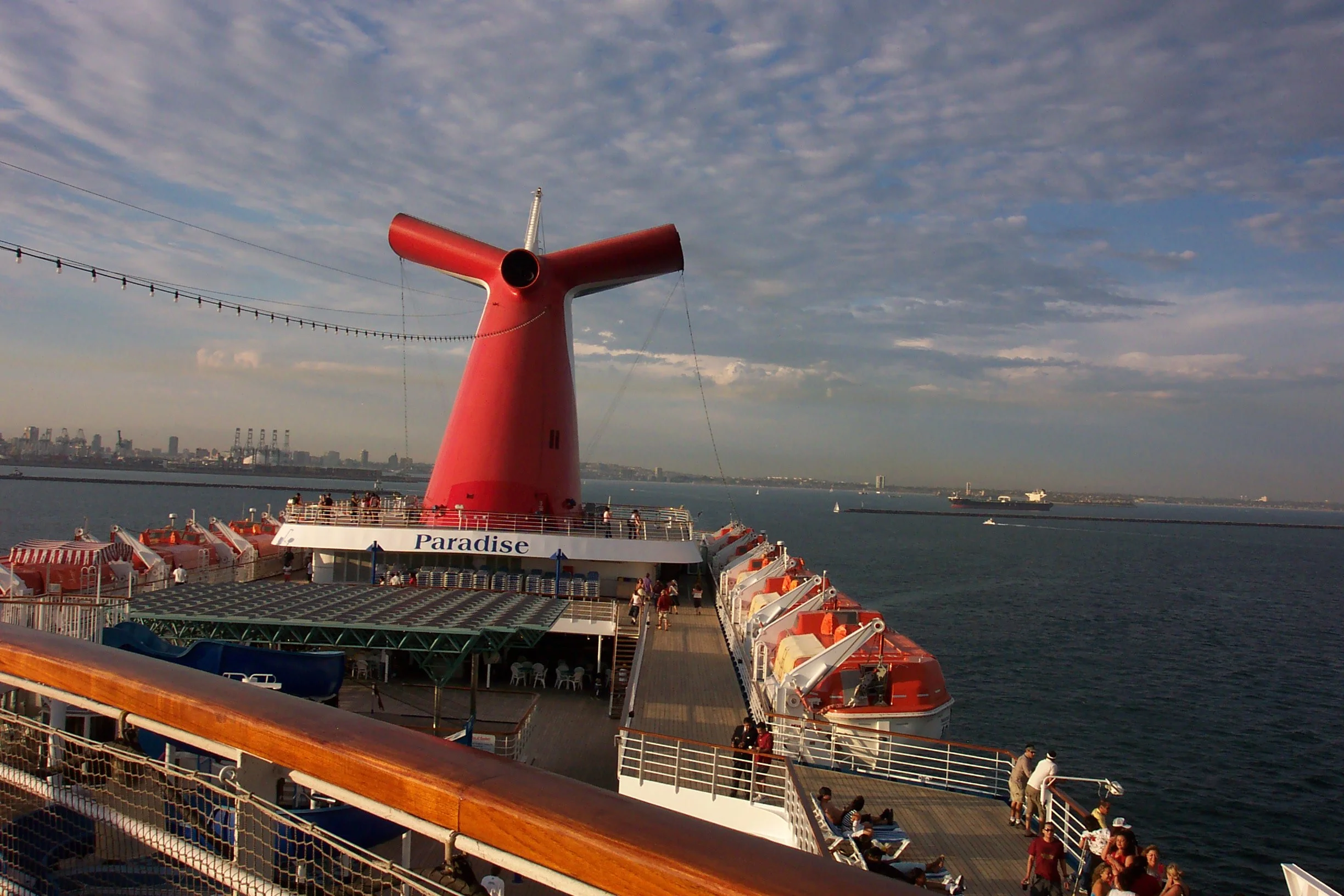
On August 31, 2007, the Carnival Paradise (Carnival Cruise Line) was docked in Long Beach, California, preparing to depart on a three-day cruise to Ensenada, Mexico. The Fantasy-class ship had been based in Long Beach since 2004, operating Carnival’s year-round short cruises to Baja California and Catalina Island.
Entering service in 1998, Carnival Paradise was the eighth and final member of Carnival Cruise Line’s highly successful Fantasy class. Originally introduced as the world’s first completely non-smoking cruise ship, she later transitioned to conventional Carnival service and has gone on to have one of the longest careers of any ship in the company’s fleet.
Information List
Name: Carnival Paradise
Operator: Carnival Cruise Line
Year Entered Service: 1998
Shipyard: Kvaerner Masa-Yards, Helsinki, Finland
Class: Fantasy Class
Length: Approximately 855 feet (260.6 meters)
Beam: Approximately 103 feet (31.5 meters)
Tonnage: 71,925 GT
Passenger Capacity: 2,124 double occupancy
Crew: Approximately 920
Country of Registry: Panama
IMO Number: 9120877
Facilities Include: Main dining rooms, buffet restaurant, theater, casino, bars and lounges, swimming pool, WaterWorks, Serenity Adult-Only Retreat, spa and fitness center, youth facilities, miniature golf, and outdoor recreation areas
History and Features
Construction and Entry Into Service:
Carnival Paradise was constructed by Kvaerner Masa-Yards at the Helsinki shipyard in Finland.
She was the eighth and final ship of Carnival Cruise Line’s Fantasy class.
The class began with Carnival Fantasy in 1990 and became the backbone of Carnival’s fleet during much of the 1990s.
Carnival Paradise entered service in 1998.
At approximately 70,000 gross tons, the Fantasy-class ships were considered large cruise ships when the class was introduced.
The ships were designed for high-capacity, resort-style cruising with extensive dining, entertainment, recreation, and nightlife facilities.
Carnival Paradise retained the recognizable Fantasy-class profile, including a relatively broad superstructure and Carnival’s distinctive winged funnel.
Although externally similar to her seven sisters, Paradise entered service with an operating concept unlike any other major cruise ship of the period.
The Non-Smoking Ship:
Carnival Paradise was introduced as the world’s first completely non-smoking cruise ship.
Smoking was prohibited throughout the entire vessel, including passenger cabins, balconies, public spaces, crew areas, and exterior decks.
Carnival promoted the ship with a special smoke-free symbol incorporated into her exterior appearance.
The policy also extended to crew members working aboard the vessel.
Passengers were informed of the strict smoking restrictions before sailing.
The unusual concept distinguished Carnival Paradise from every other ship in Carnival’s fleet.
During her smoke-free years, she primarily operated Caribbean cruises from Miami.
The experiment lasted for approximately six years.
Carnival ended the completely non-smoking policy in 2004, after which Paradise adopted smoking policies similar to the rest of the fleet.
The end of the smoke-free concept coincided with a major change in the ship’s deployment.
Move to Long Beach:
In 2004, Carnival Paradise left Miami and repositioned to the West Coast.
The ship sailed through the Panama Canal and continued north to California.
Long Beach became her new year-round homeport.
From Long Beach, Carnival Paradise took over Carnival’s established short-cruise program to Baja California.
Three-day cruises departed on Fridays and visited Ensenada, Mexico.
Four-day cruises departed on Mondays and included both Catalina Island and Ensenada.
The short itineraries made Carnival Paradise a regular presence in Long Beach Harbor.
The ship used Carnival’s Long Beach Cruise Terminal beside the permanently moored Queen Mary.
Carnival Paradise remained based in Long Beach for approximately seven years, becoming closely associated with Carnival’s Southern California operations.
Service in 2007:
By August 2007, Carnival Paradise had been operating from Long Beach for approximately three years.
Her regular schedule consisted of year-round three- and four-day cruises.
Friday departures operated three-day weekend cruises to Ensenada.
Monday departures operated four-day cruises visiting Catalina Island and Ensenada.
August 31, 2007 fell on a Friday, placing Carnival Paradise at Long Beach for the beginning of one of her regular three-day Ensenada cruises.
The ship shared Carnival’s Long Beach operation during this period with Carnival Pride, which operated longer seven-day Mexican Riviera cruises.
This combination gave Carnival both short Baja cruises and week-long Mexican Riviera itineraries from the same Southern California homeport.
The Long Beach program became one of the most established portions of Carnival Paradise’s career.
Later Long Beach Service:
Carnival Paradise continued operating her three- and four-day schedule from Long Beach after 2007.
During the following years, Carnival invested in updates and improvements to the Fantasy-class ships.
The ship remained a familiar sight beside the Queen Mary and the Long Beach Cruise Terminal.
Her Friday and Monday departure pattern continued to provide year-round short cruises from Southern California.
In December 2011, Carnival Paradise ended her Long Beach deployment.
Carnival Inspiration replaced her on the three- and four-day Baja cruise program.
Carnival Paradise was then repositioned to Tampa, Florida, opening another major chapter in her career.
Later Service:
Following her departure from California, Carnival Paradise began operating from Tampa.
Her itineraries shifted primarily to the western Caribbean and Mexico.
Ports visited during this portion of her career have included Cozumel, Grand Cayman, Belize, Mahogany Bay, and other Caribbean destinations.
The ship has received several refurbishments to update passenger areas and introduce newer Carnival dining and recreation concepts.
Cruise operations were interrupted during the industrywide suspension associated with the COVID-19 pandemic.
Carnival Paradise subsequently returned to passenger service.
In 2021, the ship received Carnival’s newer red, white, and blue hull livery.
As of September 2026, Carnival Paradise remains an active member of the Carnival Cruise Line fleet, more than 28 years after entering service.
Refits and Upgrades:
Carnival Paradise has undergone numerous refurbishments during her long career.
Carnival progressively updated the Fantasy-class ships as passenger expectations and the company’s onboard product changed.
Improvements have included renovated cabins, refreshed dining areas, updated lounges, and changes to outdoor recreation spaces.
The ship eventually received Carnival’s WaterWorks aqua park.
A Serenity Adult-Only Retreat was added to provide a dedicated outdoor space for adult passengers.
Additional changes brought newer Carnival dining and beverage concepts aboard the ship.
Technical maintenance and modernization have helped extend the ship’s operational career well beyond that of several of her Fantasy-class sisters.
Her later refits have allowed the basic 1990s design to remain in regular passenger service into the 2020s.
Design and Features:
Carnival Paradise retains the recognizable profile of Carnival’s Fantasy class.
Her exterior is dominated by the line’s signature winged funnel.
The ship’s relatively compact dimensions contrast significantly with the much larger Carnival vessels introduced during the following decades.
At approximately 72,000 gross tons, she is less than half the size of many newer large cruise ships.
Her interior arrangement reflects the traditional cruise ship design of the late 1980s and 1990s, with major public rooms distributed through the lower and central passenger decks.
Large lounges, a multi-level theater, casino, dining rooms, and promenade areas were central features of the original design.
Outdoor areas include the main pool deck and recreational spaces on the upper decks.
Later refurbishments added contemporary Carnival features while retaining much of the original Fantasy-class arrangement.
Fantasy Class:
The Fantasy class consisted of eight ships constructed for Carnival Cruise Line between 1990 and 1998.
The class included Carnival Fantasy, Carnival Ecstasy, Carnival Sensation, Carnival Fascination, Carnival Imagination, Carnival Inspiration, Carnival Elation, and Carnival Paradise.
All eight ships were constructed in Helsinki, Finland.
The class played an important role in Carnival’s rapid expansion during the 1990s.
Their design allowed Carnival to deploy similar ships across numerous homeports while maintaining a consistent onboard product.
Later members incorporated refinements while retaining the basic Fantasy-class platform.
Carnival Paradise was the final ship of the class to enter service.
Following the retirement of most of the class during and after the COVID-19 pandemic, Carnival Paradise and Carnival Elation became the last two Fantasy-class ships remaining in Carnival service.
Legacy:
Carnival Paradise has one of the more distinctive histories among Carnival Cruise Line’s long-serving ships.
Her introduction as the world’s first completely non-smoking cruise ship made her unique within the international cruise industry.
Her move to Long Beach in 2004 began a second important period in her career and made the ship a familiar part of Southern California cruising.
For seven years, her regular three- and four-day departures helped establish Carnival’s year-round short-cruise presence from Long Beach.
As the final Fantasy-class ship constructed, she represents the culmination of a design that played a major role in Carnival’s growth during the 1990s.
Her continued operation more than a quarter century after entering service has made her one of the longest-serving vessels in the modern Carnival fleet.