MT CALIFORNIA
February 2, 2026 | Long Beach Harbor, California
MT California (Crowley Alaska Tankers) was in Long Beach Harbor on February 2, 2026, as Queen Mary 2 made her historic return to Southern California for a Royal Rendezvous with RMS Queen Mary. The tanker has a personal connection to Ocean Liner Photography: my son previously spent part of his 2024 Cal Maritime commercial cruise aboard California, making this unexpected meeting of familiar ships especially notable.
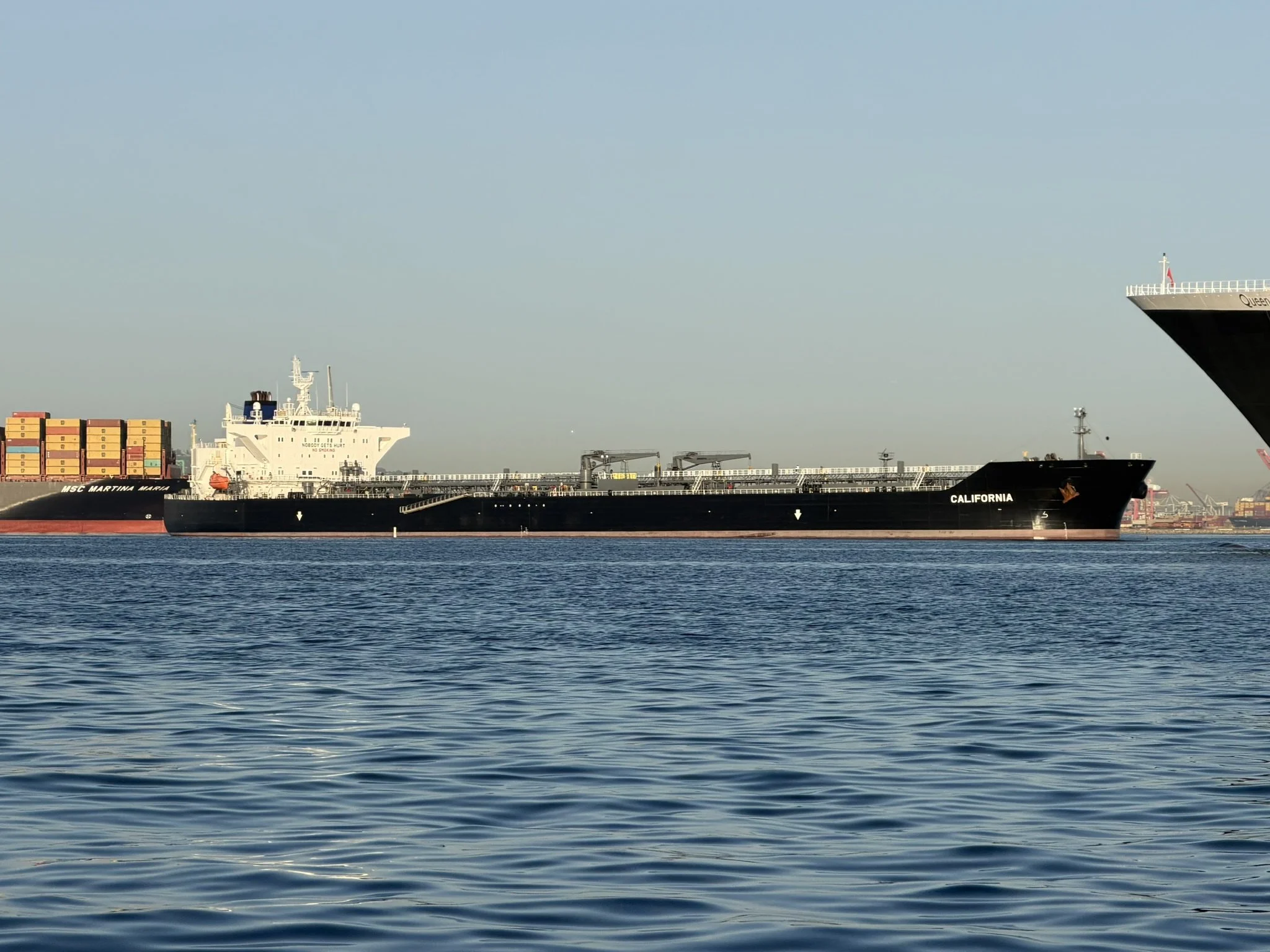
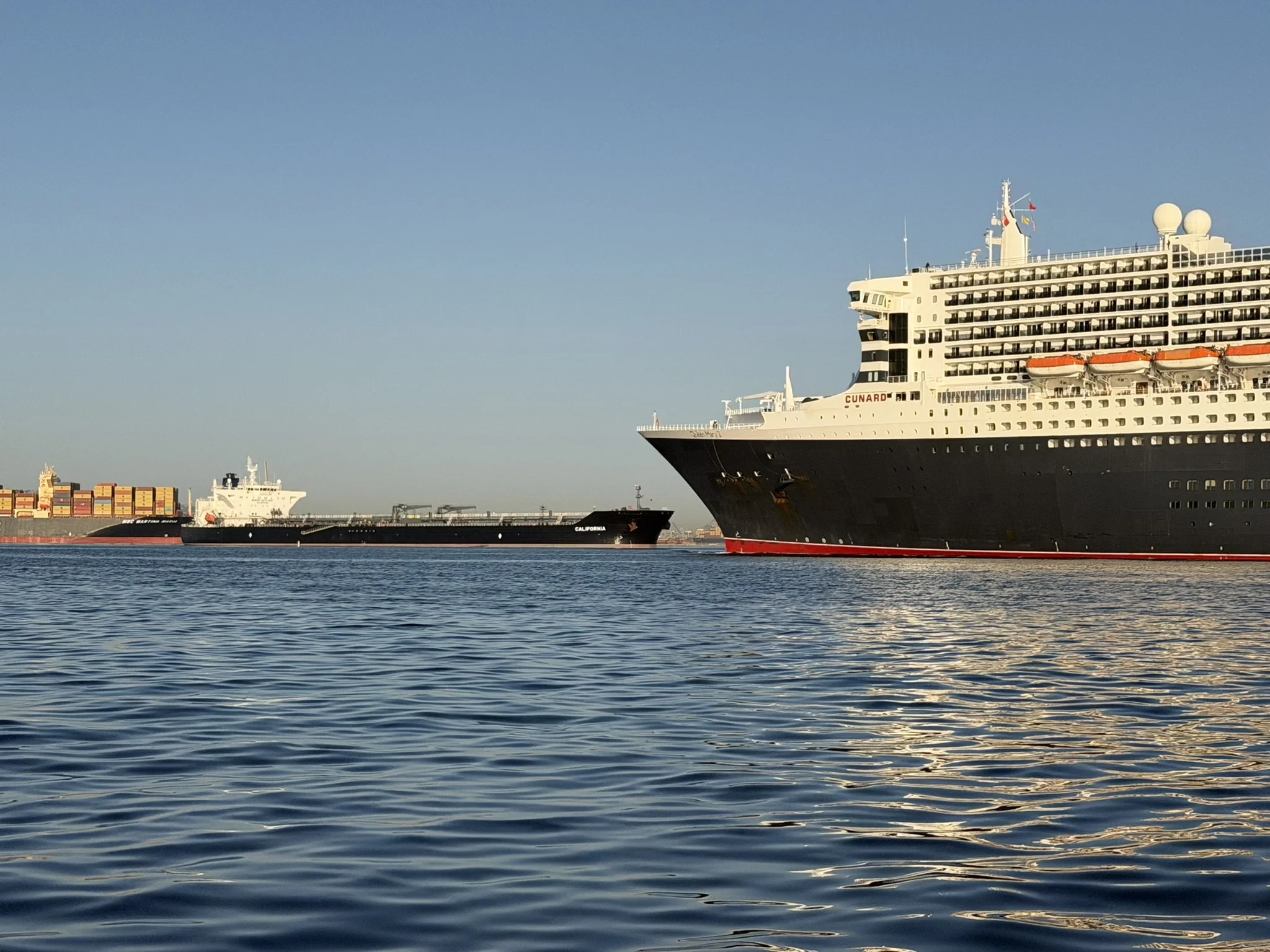
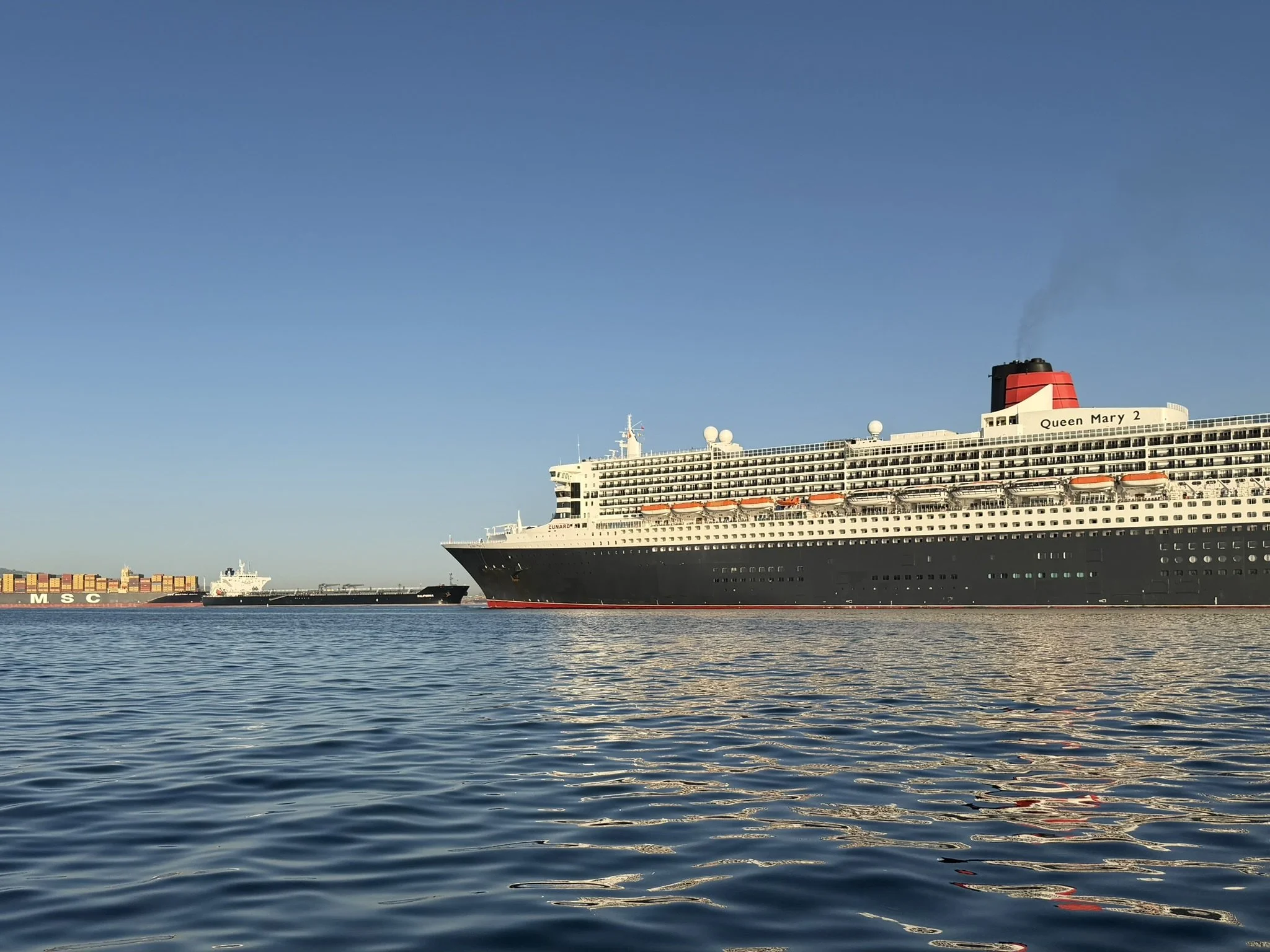
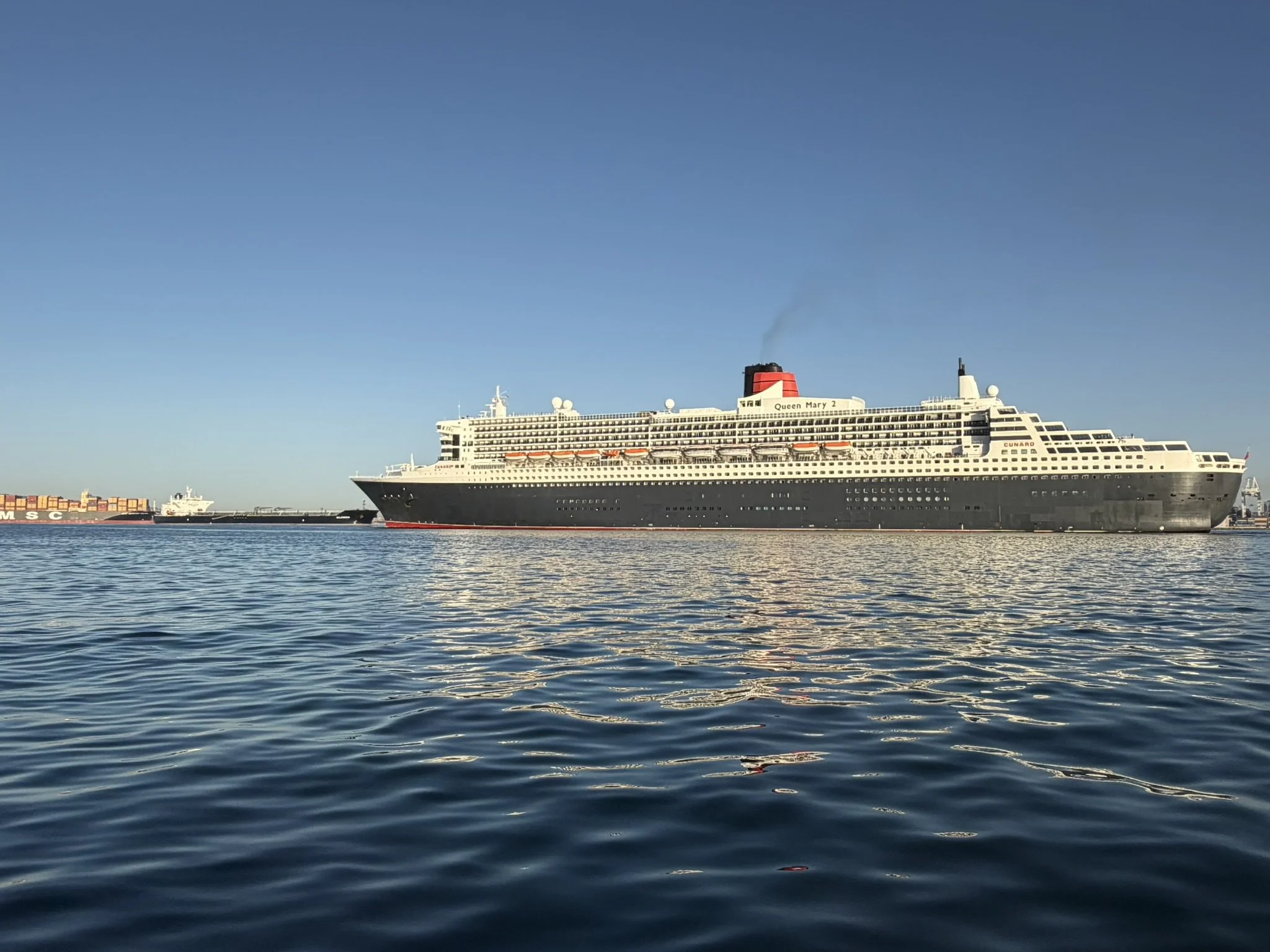
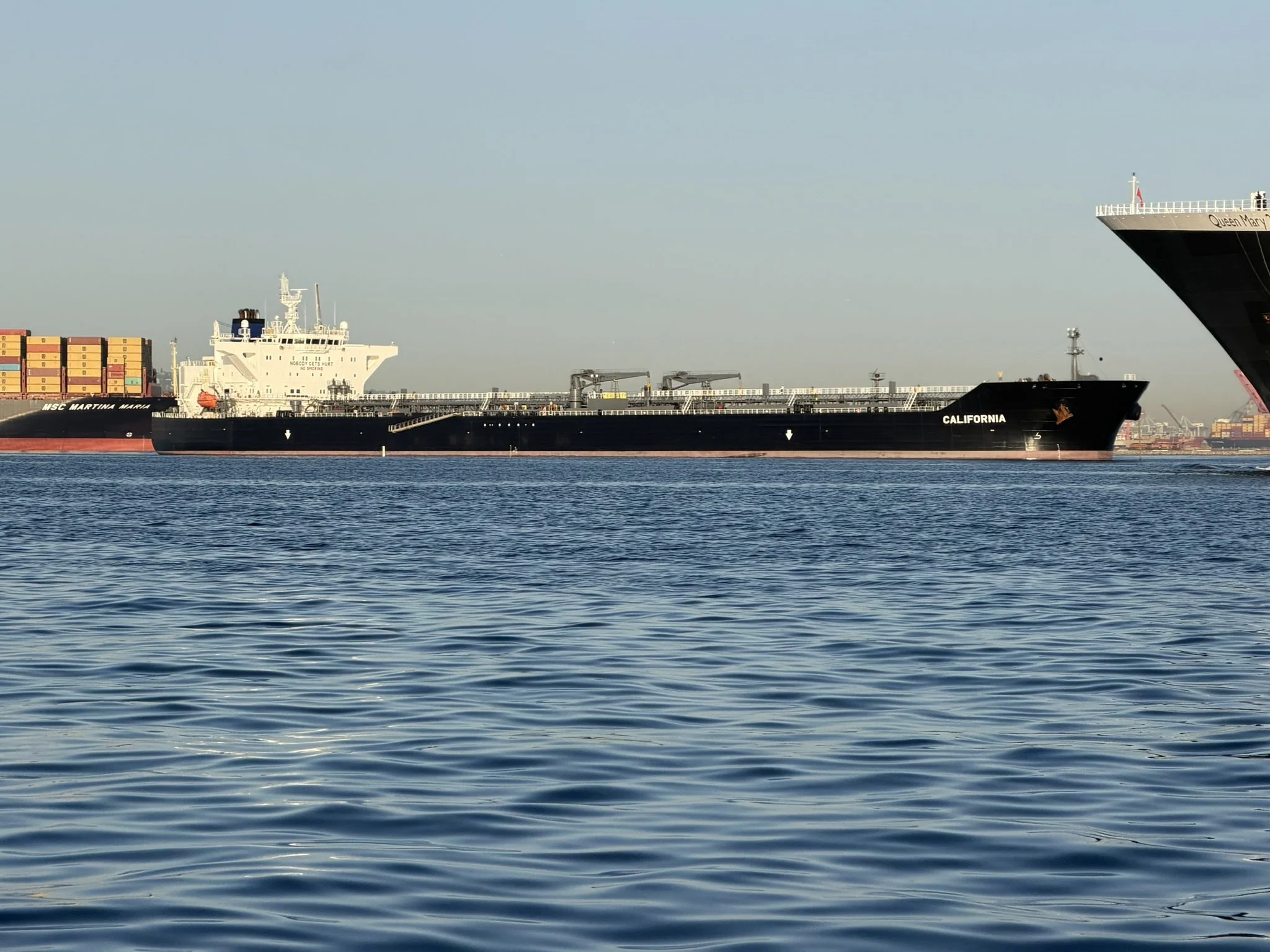
MT California is a large U.S.-flagged crude oil tanker built for the transportation of petroleum between American ports. Constructed at Aker Philadelphia Shipyard in 2015 as Eagle Bay, the 823-foot tanker later became part of the Crowley Alaska Tankers fleet and was renamed California. Her primary role has been transporting Alaskan North Slope crude from the marine terminal at Valdez to refineries along the U.S. West Coast, making Southern California a regular part of her working environment. The ship also has a personal connection to Ocean Liner Photography: in 2024, my son completed part of his Cal Maritime commercial training cruise aboard California, gaining firsthand experience in tanker operations and the transportation of Alaskan crude oil.
Information List
Name: MT California
Former Name: Eagle Bay
Owner: Crowley Alaska Tankers, LLC
Operator: Intrepid Ship Management
Ship Type: Crude oil tanker
Built: 2015
Builder: Aker Philadelphia Shipyard, Philadelphia, Pennsylvania
Length: 251 meters / 823 feet
Beam: 44 meters / 144 feet
Gross Tonnage: 62,318 GT
Deadweight: 114,756 DWT
Cargo Capacity: Approximately 818,000 barrels of crude oil
IMO Number: 9642095
Flag: United States
Port of Registry: Wilmington, Delaware
Class Society: American Bureau of Shipping
Primary Trade: Transportation of Alaskan crude oil to U.S. West Coast refineries
Visit Shown: February 2, 2026, Long Beach Harbor, California
History and Features
Construction and Entry Into Service:
The tanker was built in the United States at Aker Philadelphia Shipyard and completed in 2015.
She originally entered service under the name Eagle Bay for SeaRiver Maritime.
The ship was constructed as a modern U.S.-flagged crude oil tanker for domestic petroleum transportation.
Her American construction and operation allow the vessel to participate in coastwise U.S. trade under the Jones Act.
Crowley acquired the tanker in 2018 as part of its expansion of dedicated crude oil transportation between Alaska and West Coast refineries.
Following the acquisition, Eagle Bay was renamed California.
Design and Crude Oil Service:
At approximately 251 meters long and 44 meters wide, California is considerably larger than most passenger ships encountered in Southern California ports.
The tanker has a deadweight capacity of approximately 114,756 tons and is designed specifically for the bulk transportation of crude oil.
Her cargo system is divided among multiple internal tanks, allowing large quantities of petroleum to be transported safely between terminals.
An account published by the U.S. Army describing a voyage aboard California recorded the tanker loading approximately 700,000 barrels of crude oil at Valdez in about 22 hours before sailing for Long Beach.
That same account describes the ship as operating with a crew of approximately 21, illustrating the relatively small crews required to operate even very large modern commercial vessels.
Alaska to the West Coast:
California operates in a trade closely connected with the Trans-Alaska Pipeline System.
Crude oil transported through the pipeline reaches the Valdez Marine Terminal, where tankers load cargo for transportation to refineries elsewhere on the U.S. West Coast.
Long Beach and the greater Southern California petroleum complex are among the destinations associated with this trade.
Unlike cruise ships that may visit a port for only a few hours, tanker movements are dictated by cargo schedules, terminal availability, refinery requirements, and the logistics of loading and discharging petroleum.
Our Connection to MT California:
California first became personally significant to Ocean Liner Photography during the summer of 2024.
My son, a Cal Maritime cadet, spent part of his commercial cruise aboard the tanker as part of his maritime training.
His time aboard provided hands-on experience with the day-to-day operation of a working crude oil tanker rather than a dedicated training ship.
The 2024 experience included the ship’s operations in Valdez, Alaska, and other West Coast ports, documenting the working environment aboard a vessel involved in transporting Alaskan crude oil.
Seeing California again in Long Beach Harbor in February 2026 therefore connected a familiar commercial ship with an entirely different part of maritime history.
Long Beach Harbor – February 2, 2026:
California was in Long Beach Harbor on the morning of February 2, 2026, during an unusually historic gathering of ships in Southern California.
That morning, Cunard’s Queen Mary 2 arrived off Long Beach during her 2026 World Voyage for a planned meeting with the preserved RMS Queen Mary.
The event was known as the Royal Rendezvous and marked the first meeting of the two Cunard Queens in Long Beach in 20 years.
Queen Mary 2 approached her namesake early that morning and the two ships exchanged whistle salutes, linking Cunard’s preserved 1936 liner with its modern flagship.
The meeting also coincided with the 90th anniversary year of RMS Queen Mary’s maiden voyage.
After the rendezvous, Queen Mary 2 continued through the harbor area toward San Pedro, where she docked at the Port of Los Angeles for an overnight visit before departing the following day.
During these movements, MT California provided a very different maritime presence in the harbor: a modern working American crude oil tanker sharing the scene with one of the most famous preserved ocean liners in the world.
These photographs show California together with RMS Queen Mary, documenting the commercial tanker against a ship representing an entirely different era and purpose in maritime history.
The connection is particularly fitting for Ocean Liner Photography because California had already become part of the collection through my son’s Cal Maritime training aboard the ship in 2024.
Legacy:
MT California represents the commercial working fleet that supports the movement of energy between Alaska and the continental United States.
Her construction in Philadelphia and operation under the U.S. flag also place her within the comparatively small fleet of large American-built tankers engaged in domestic coastwise trade.
Although her career is very different from the passenger ships that make up much of Ocean Liner Photography, her connection with Cal Maritime provides a firsthand link to contemporary maritime education and professional seagoing careers.
Her presence beside RMS Queen Mary during the February 2026 Royal Rendezvous created an unusual visual connection between modern commercial shipping, maritime training, and the history of passenger ships in Southern California.
OLP Social: Seen beside Queen Mary in Long Beach Harbor, she was a familiar sight after my son sailed aboard her during his 2024 Cal Maritime commercial training cruise.
OLP Social 2: Built by Aker Philadelphia Shipyard in the United States, she entered service as Eagle Bay in 2015 before joining Crowley’s tanker fleet under a new name in 2018.
OLP Social 3: At 823 feet long and 62,318 gross tons, she can carry about 818,000 barrels of crude oil, a working tanker sharing Long Beach Harbor with historic liners.
OLP Social 4: Her regular trade links Valdez, Alaska, with West Coast refineries, carrying North Slope crude delivered to the loading terminal by the Trans Alaska Pipeline.