RMS QUEEN MARY
May 30, 2026 | Long Beach, California
Nearly sixty years after her final voyage, the RMS Queen Mary remains one of the most recognizable ships in Long Beach. These views from May 30, 2026, show the former Cunard liner at her permanent berth, where she has been preserved since arriving in Southern California in 1967.
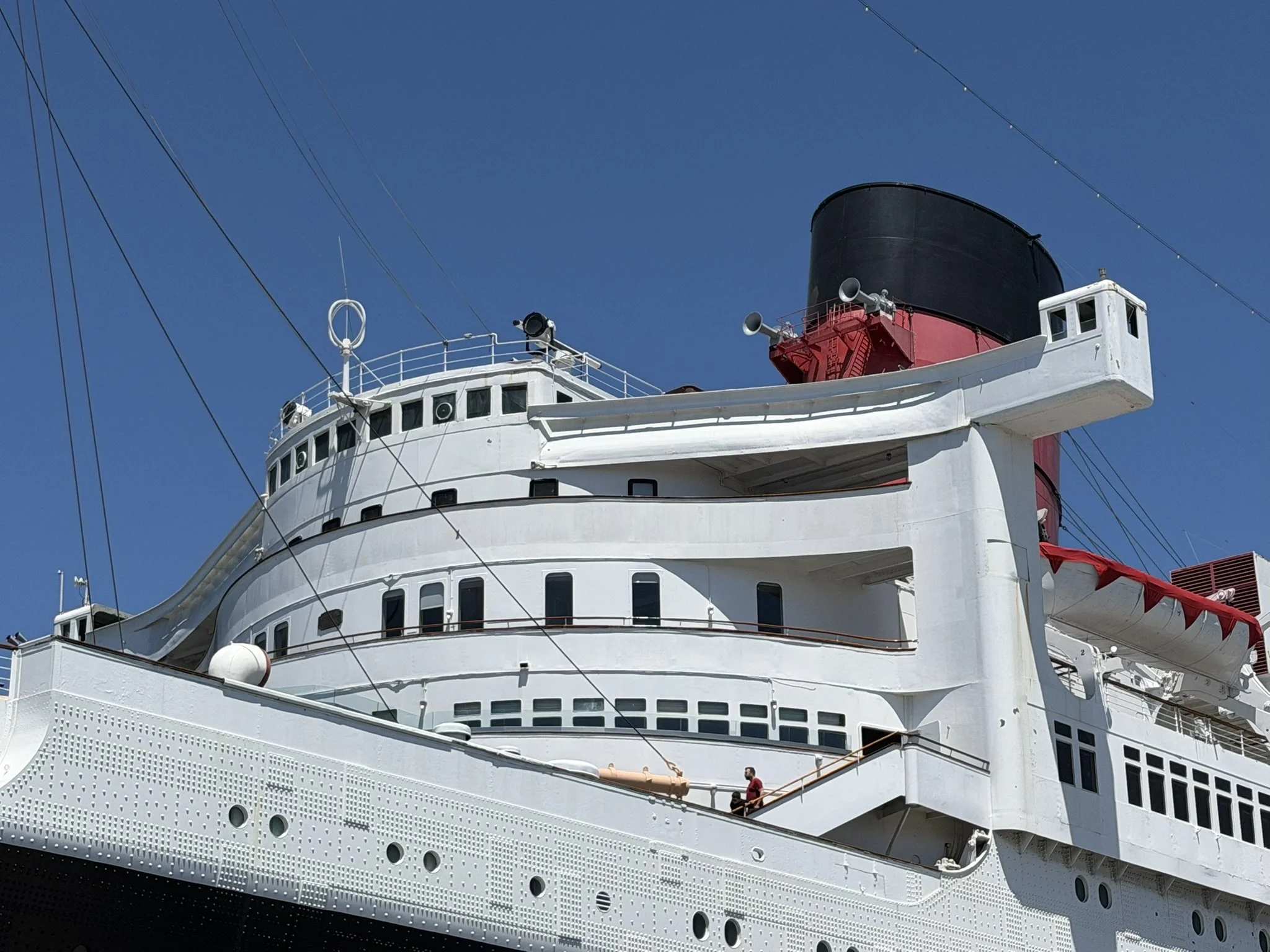
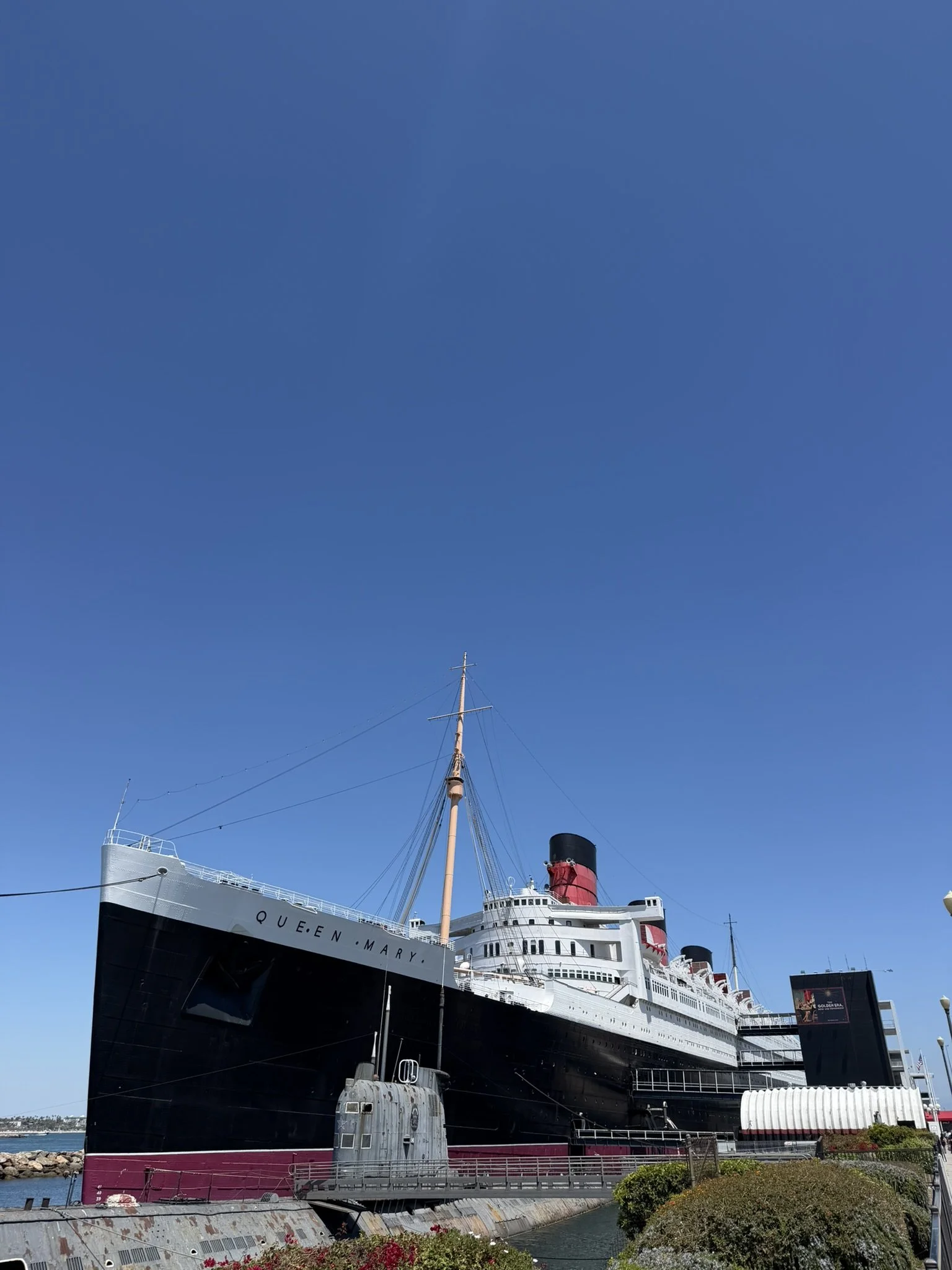
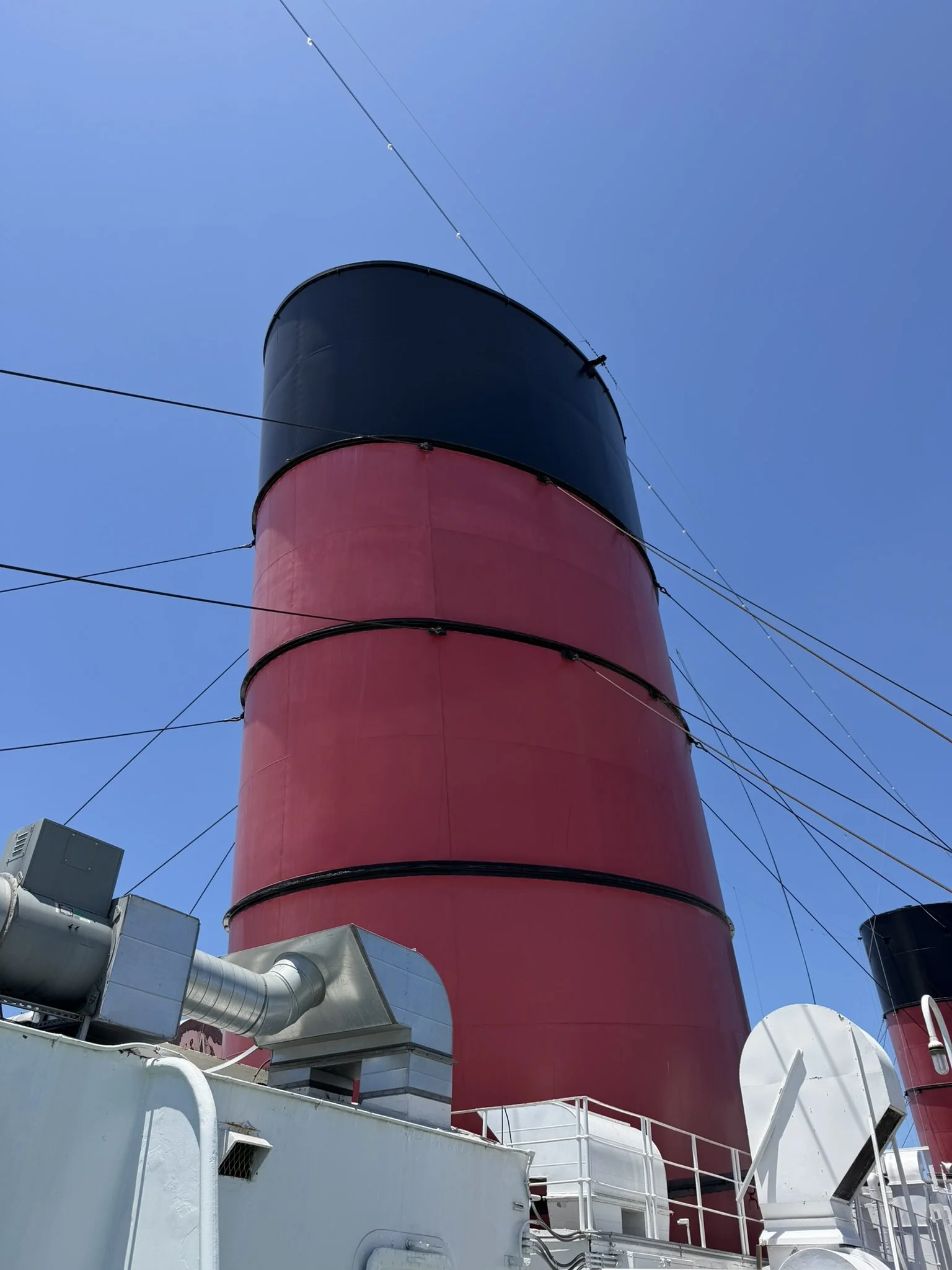
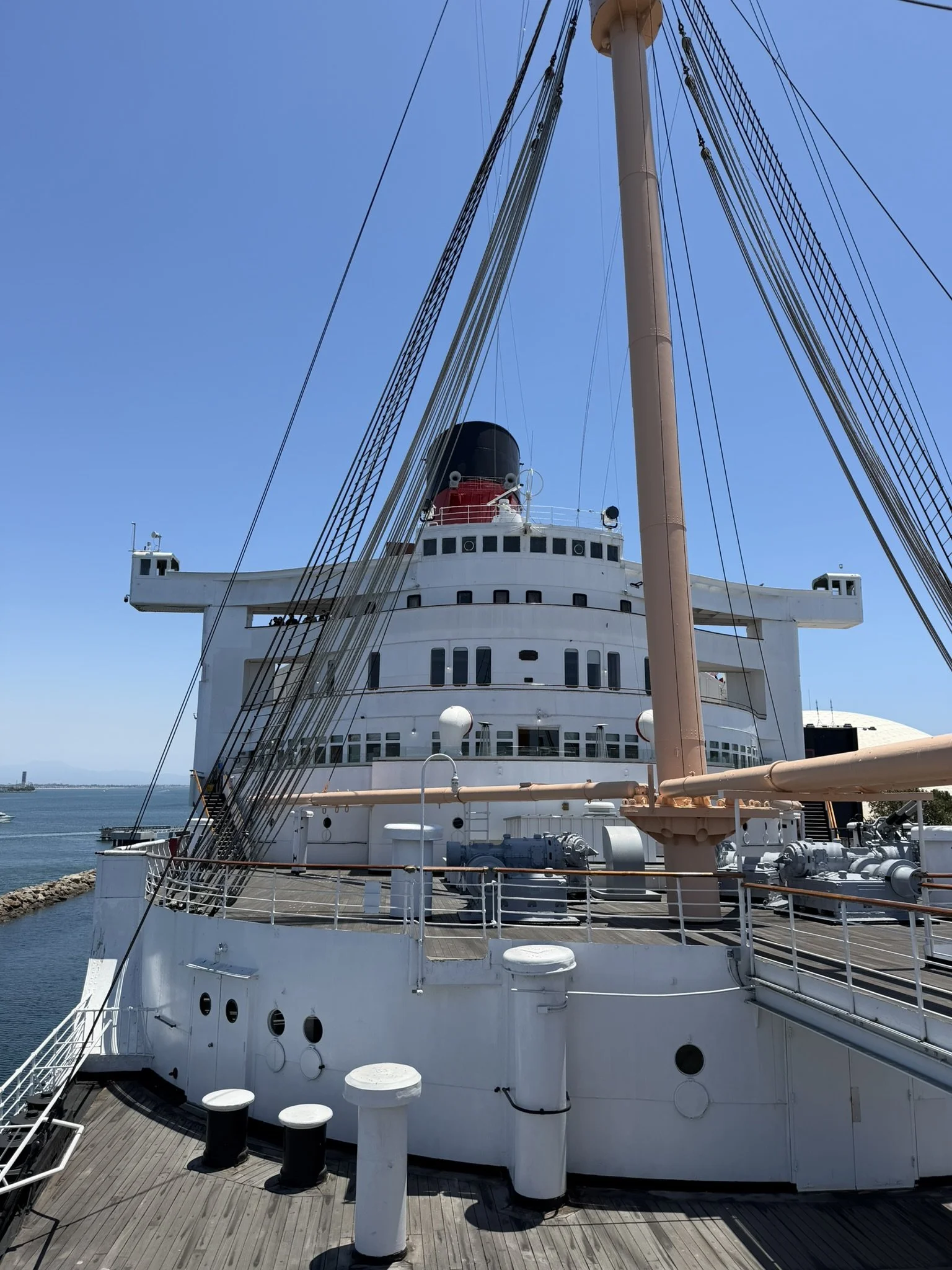
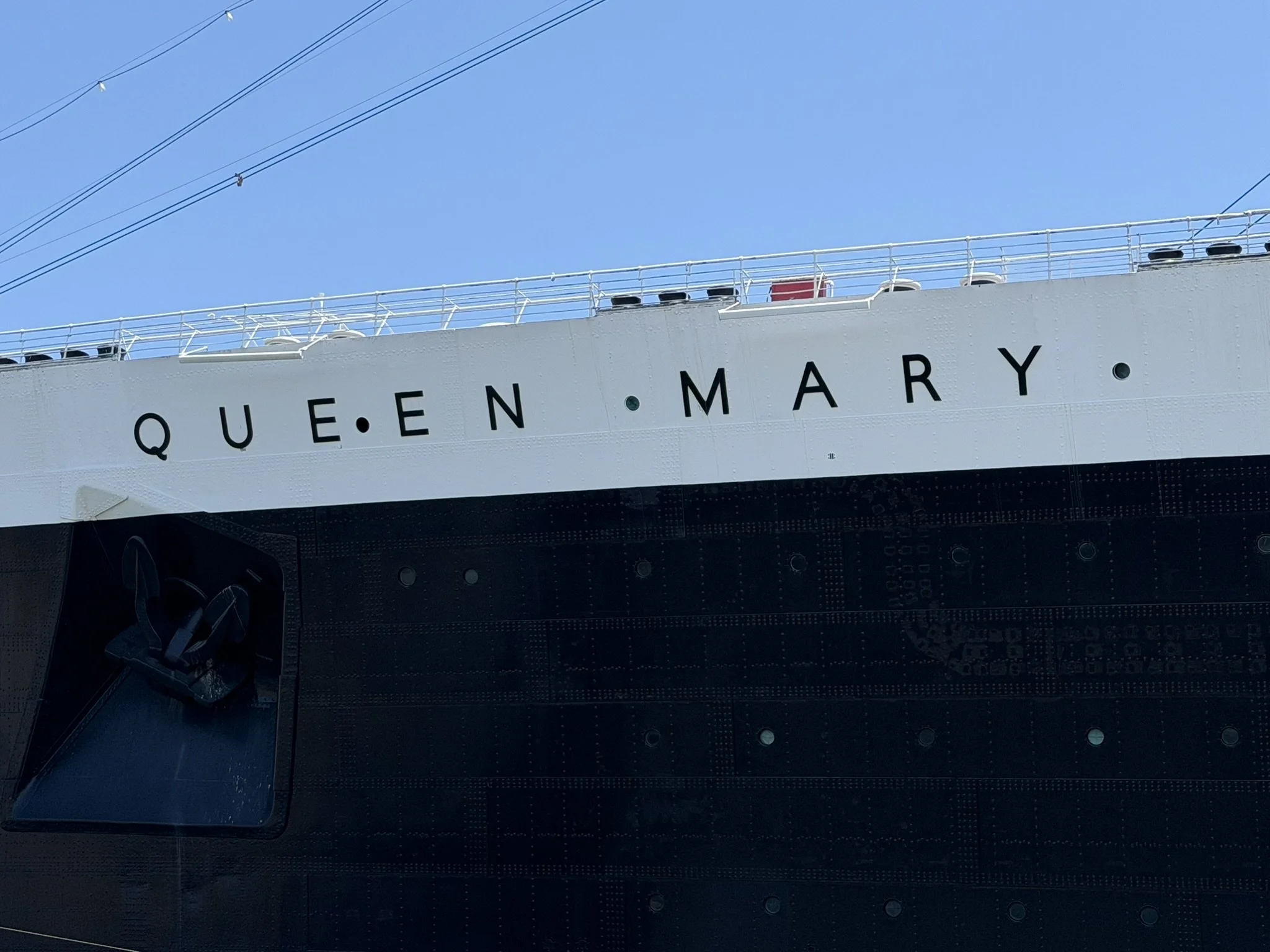
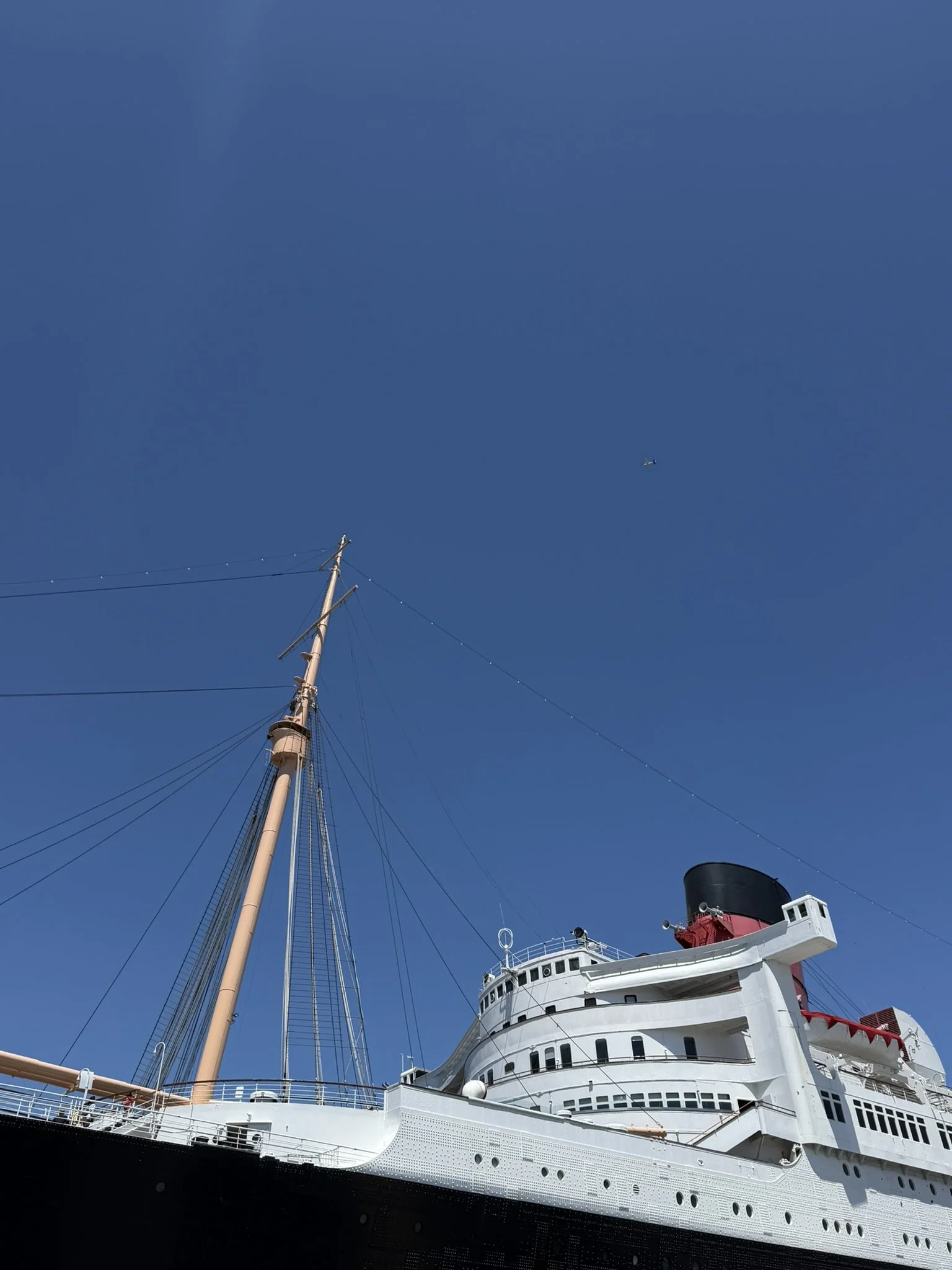
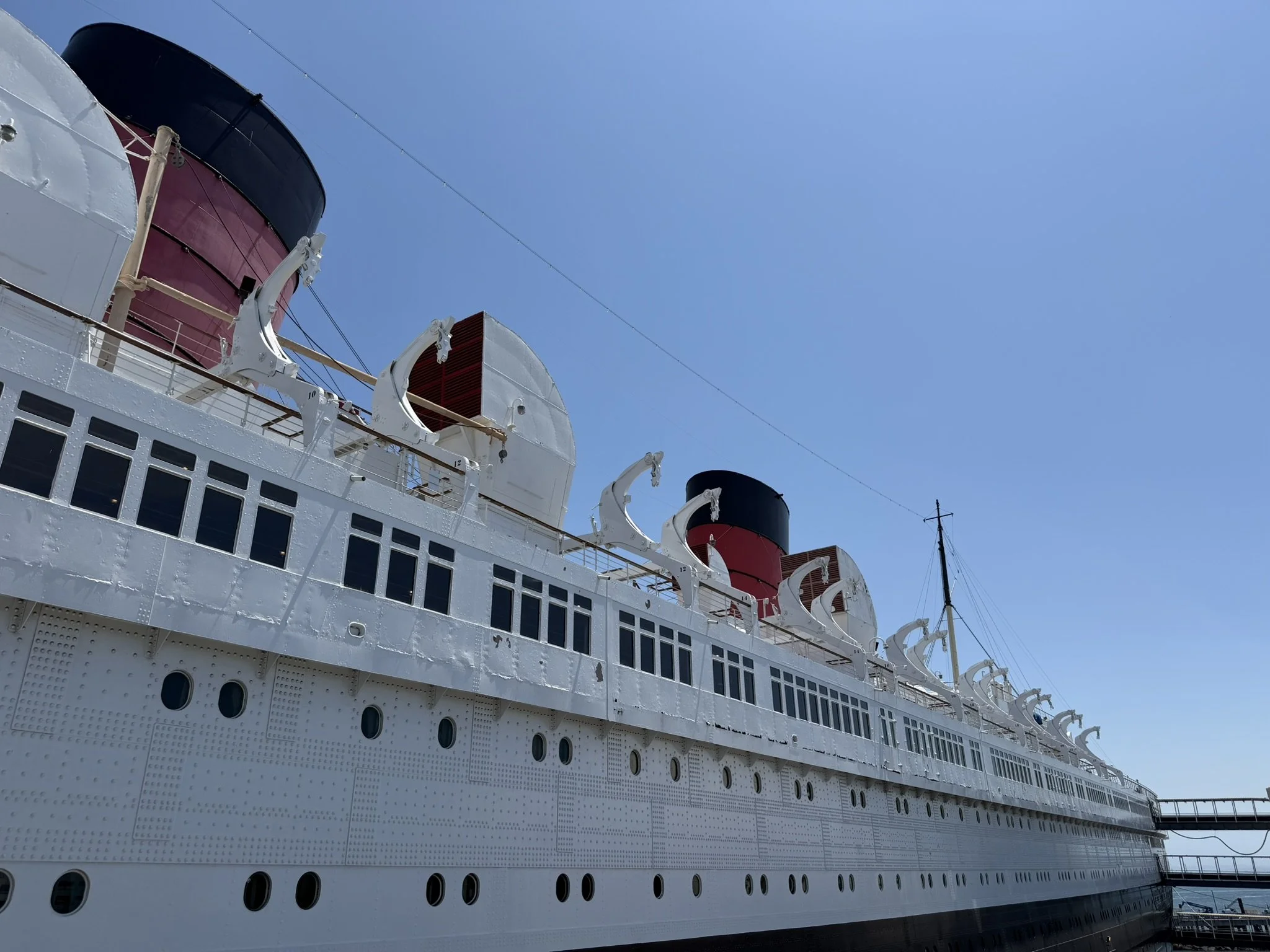
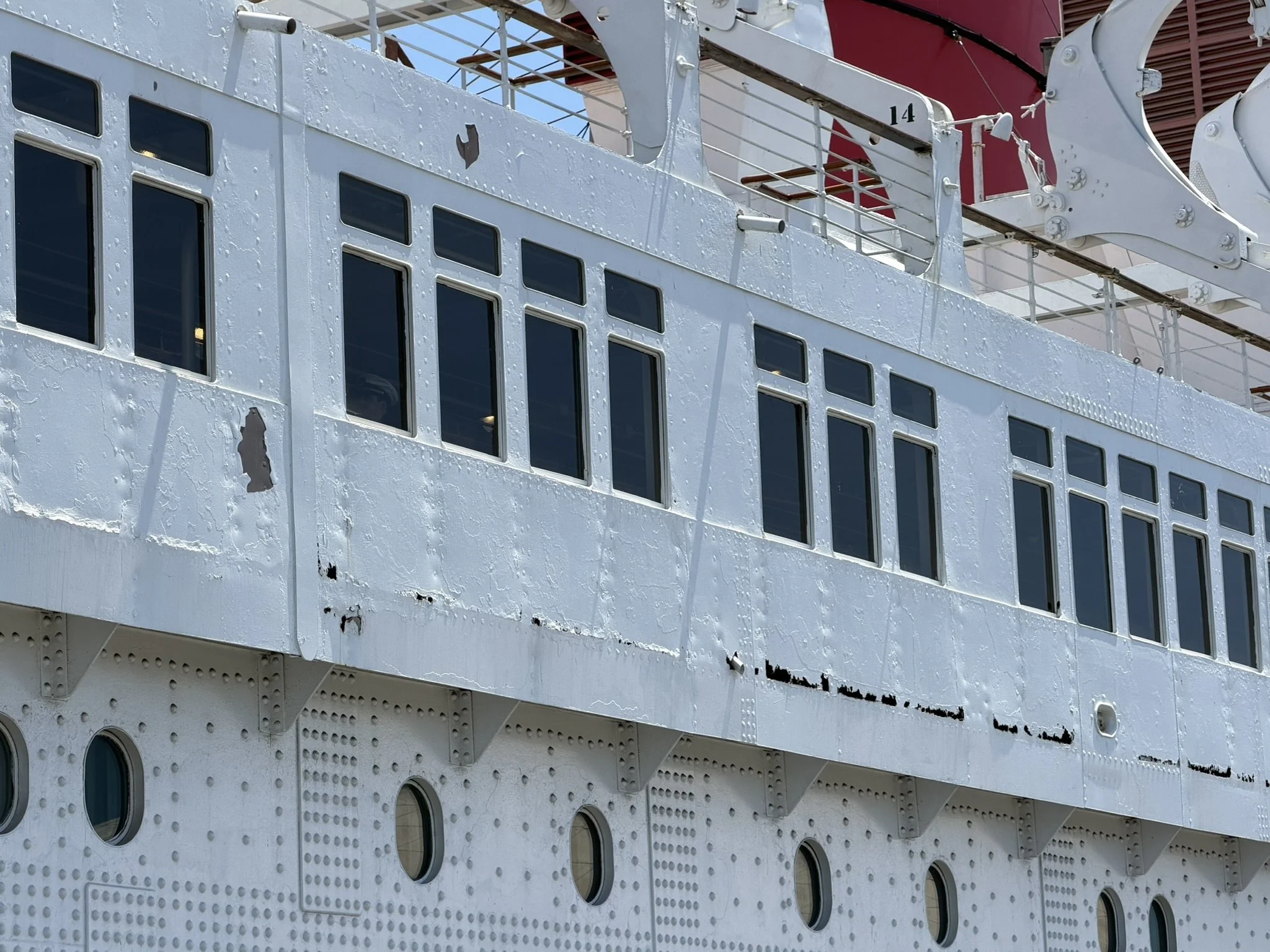
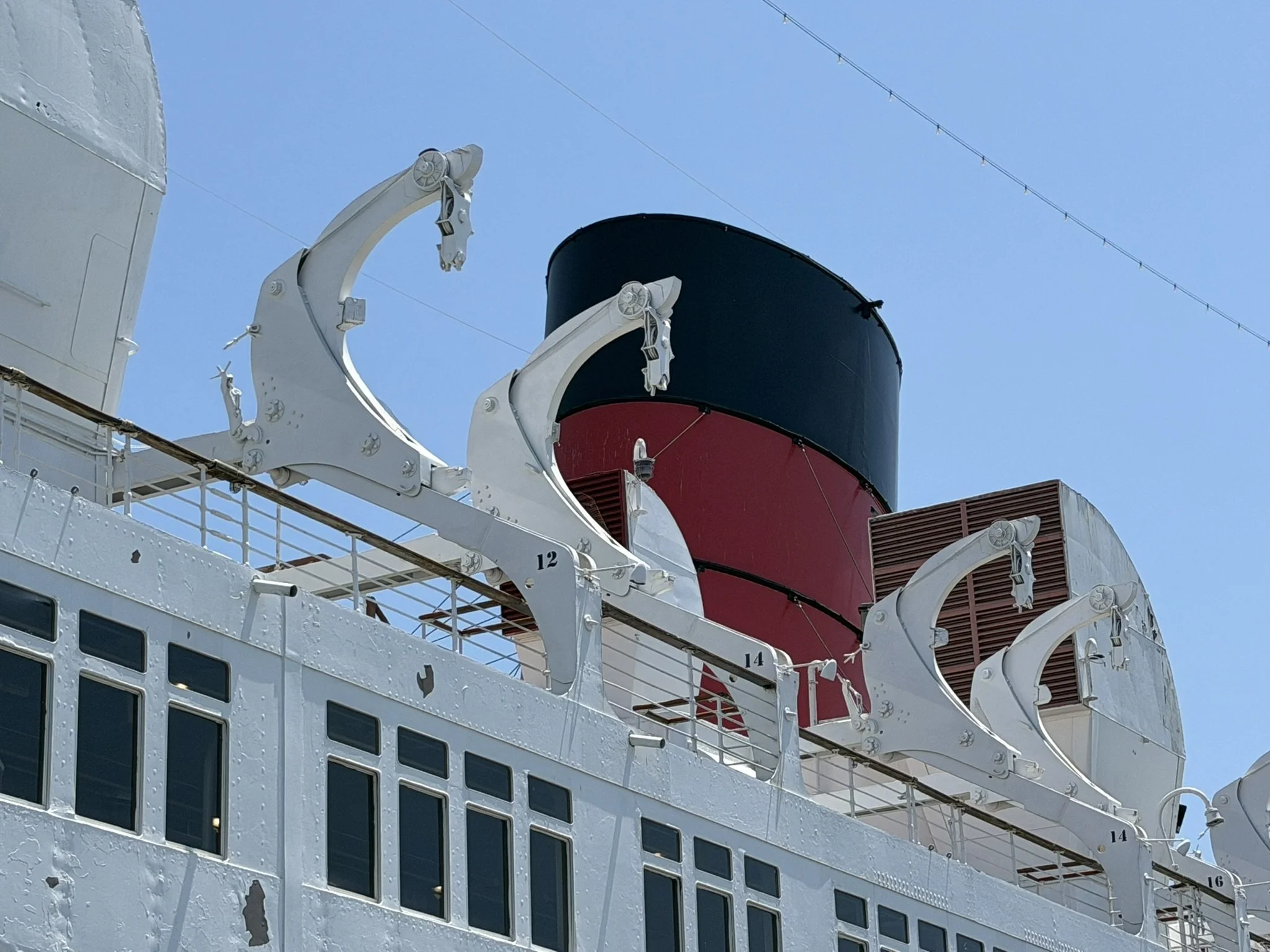
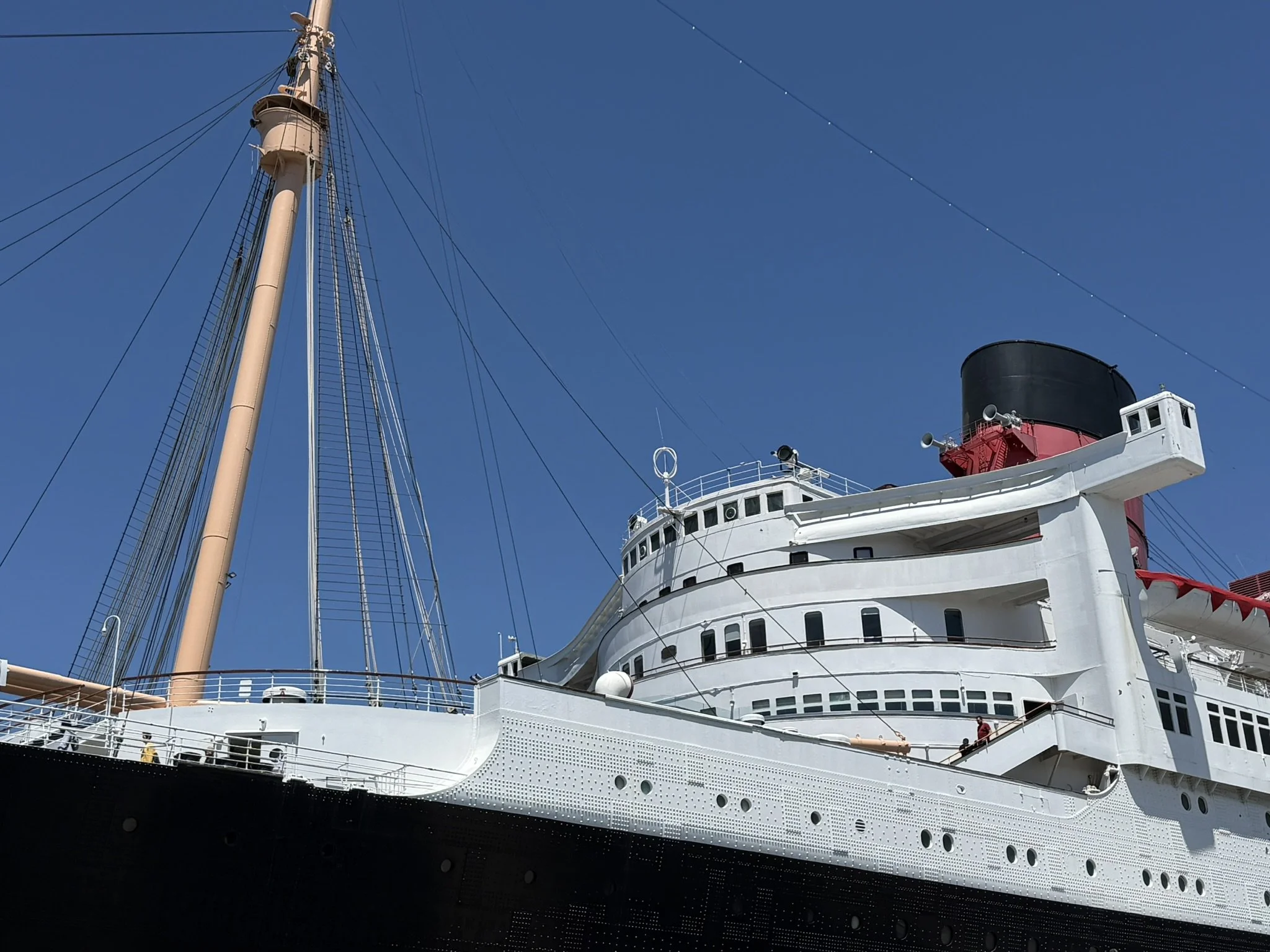
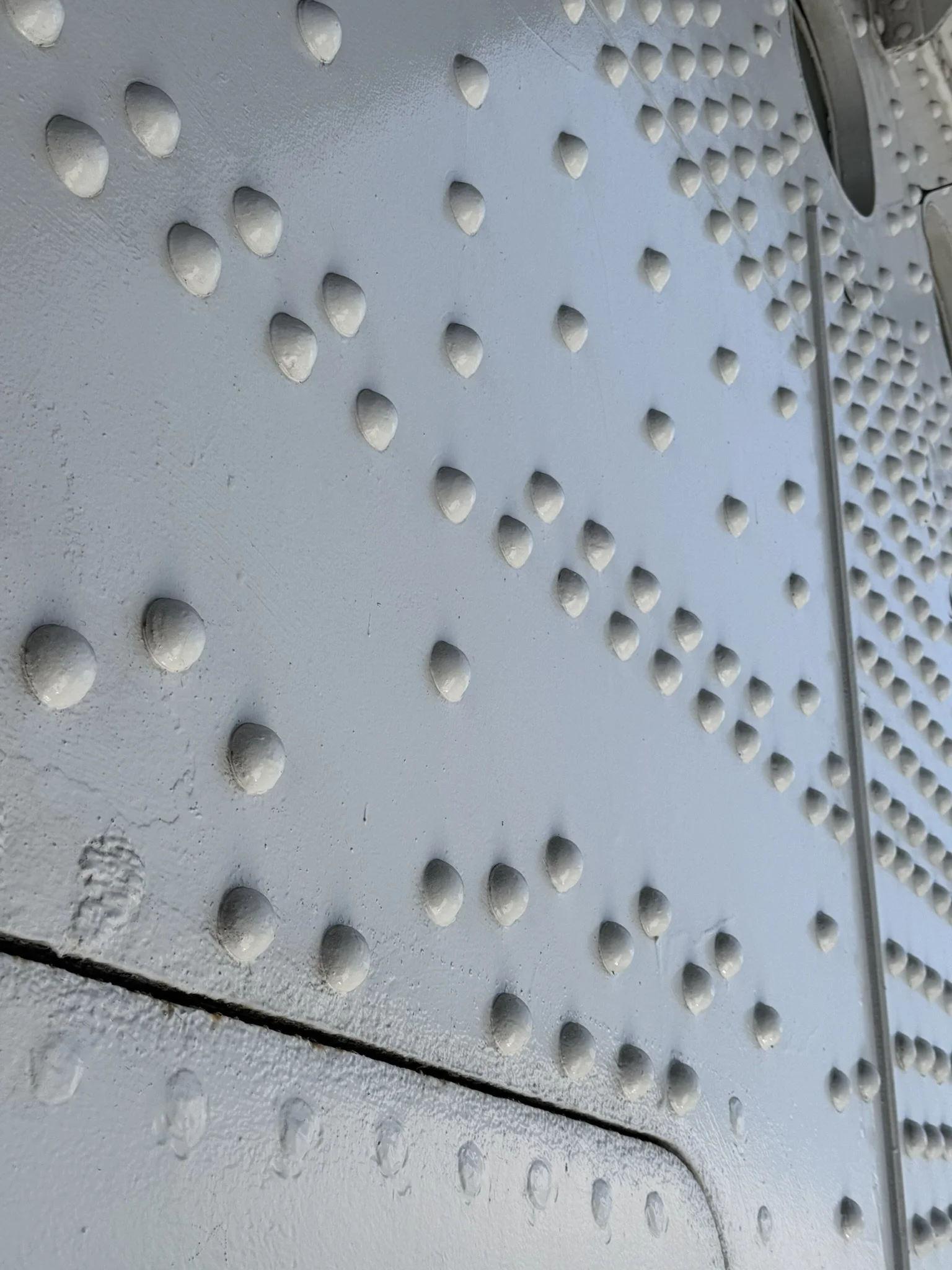
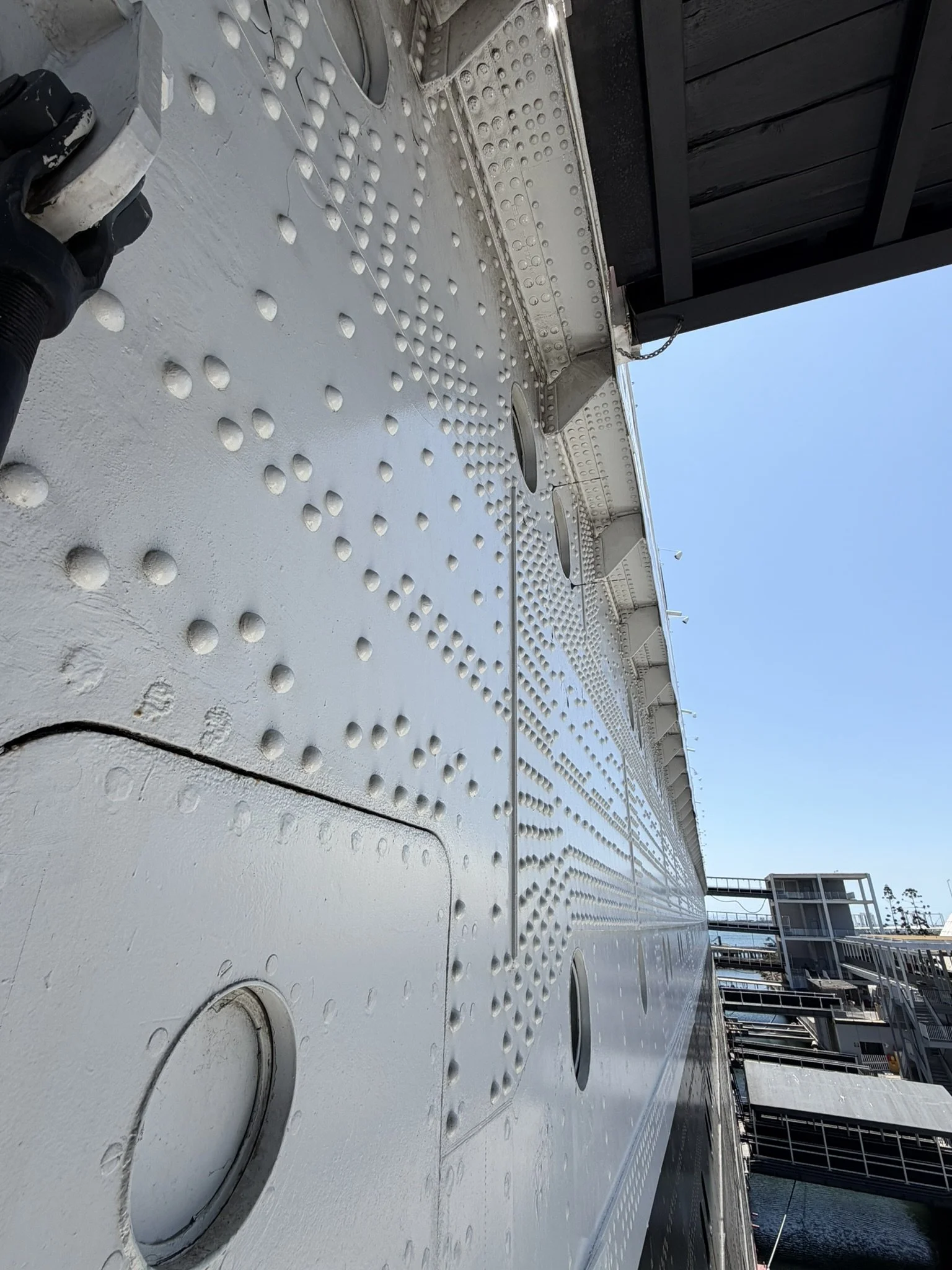
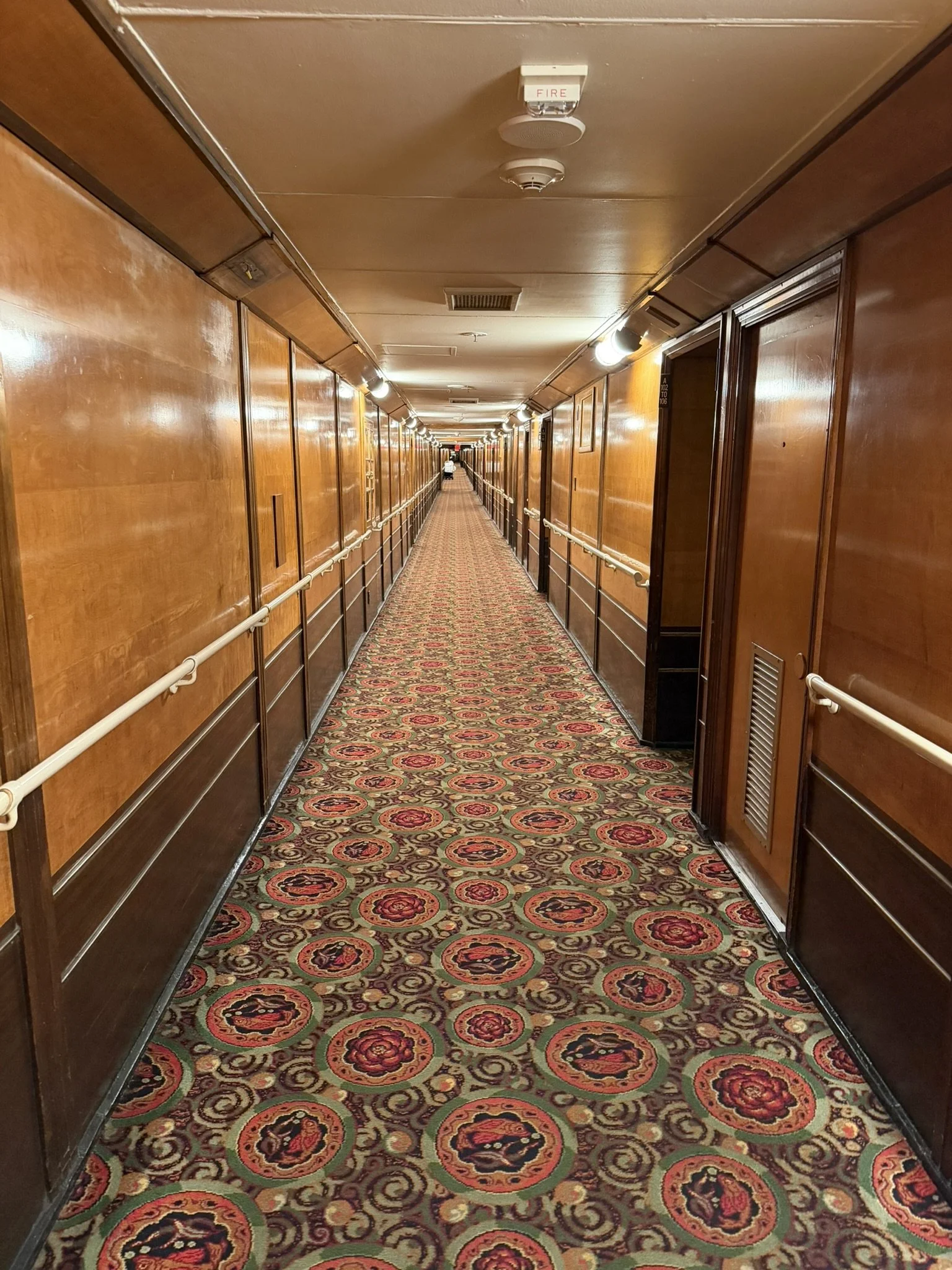
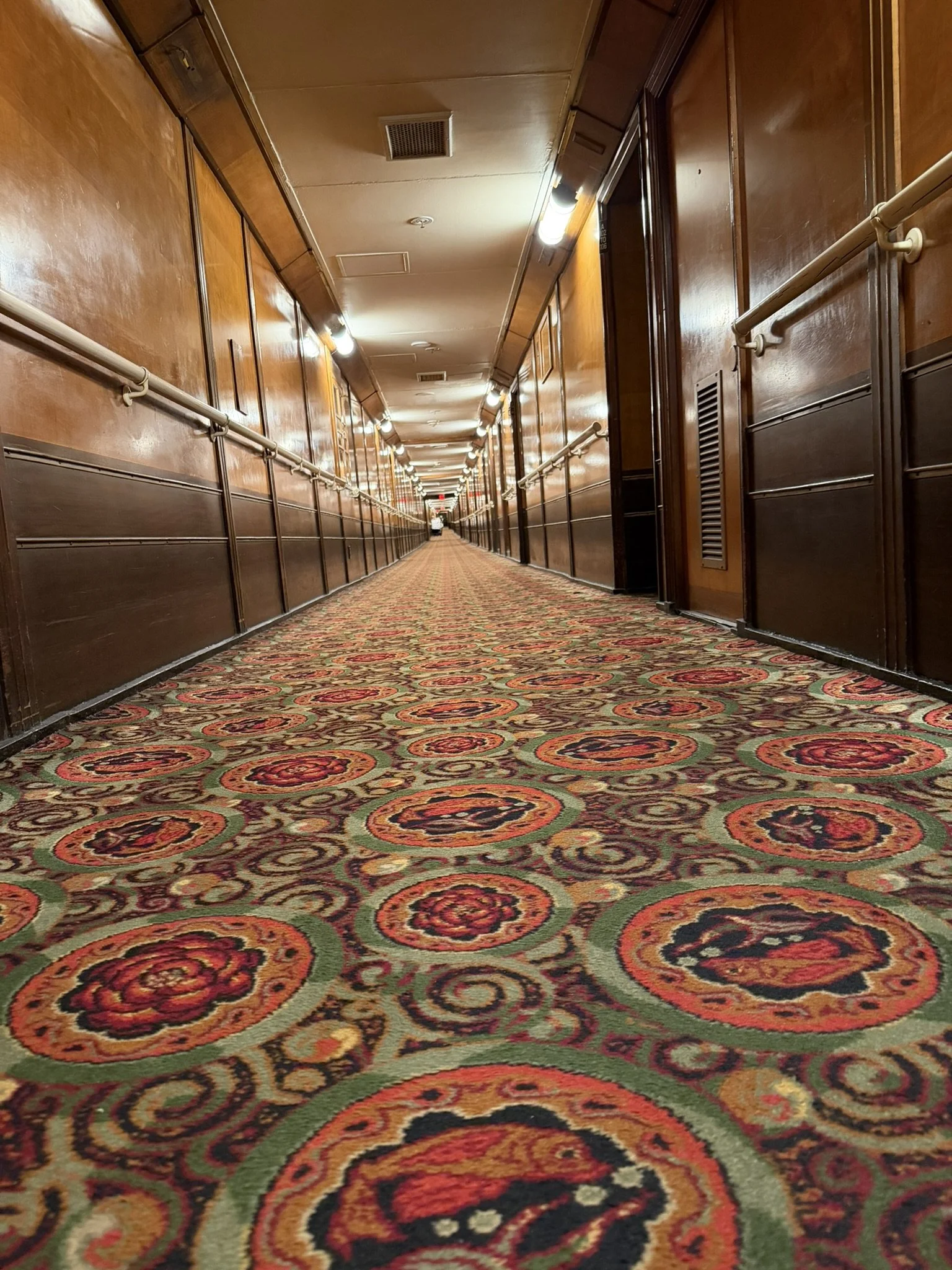
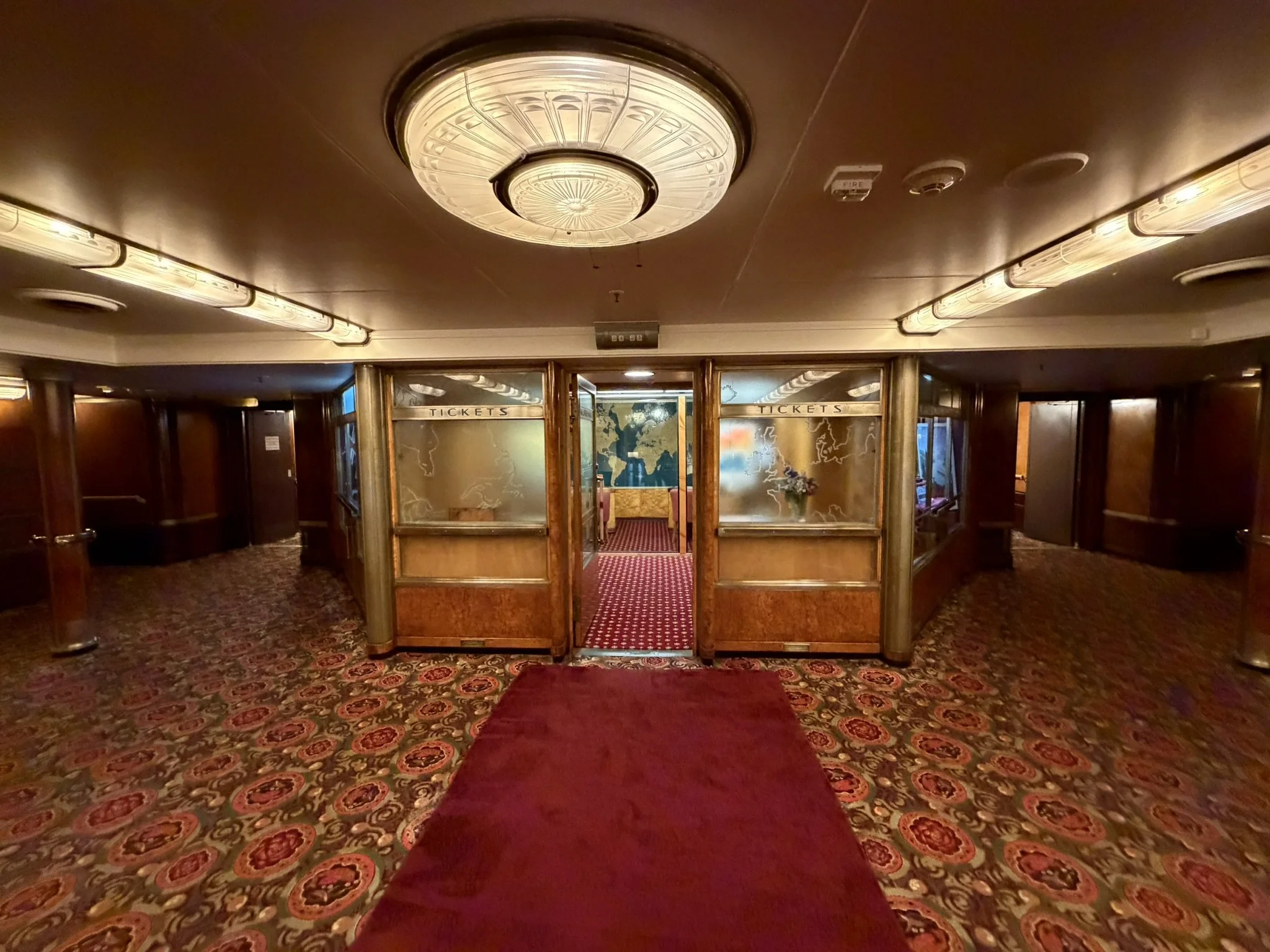
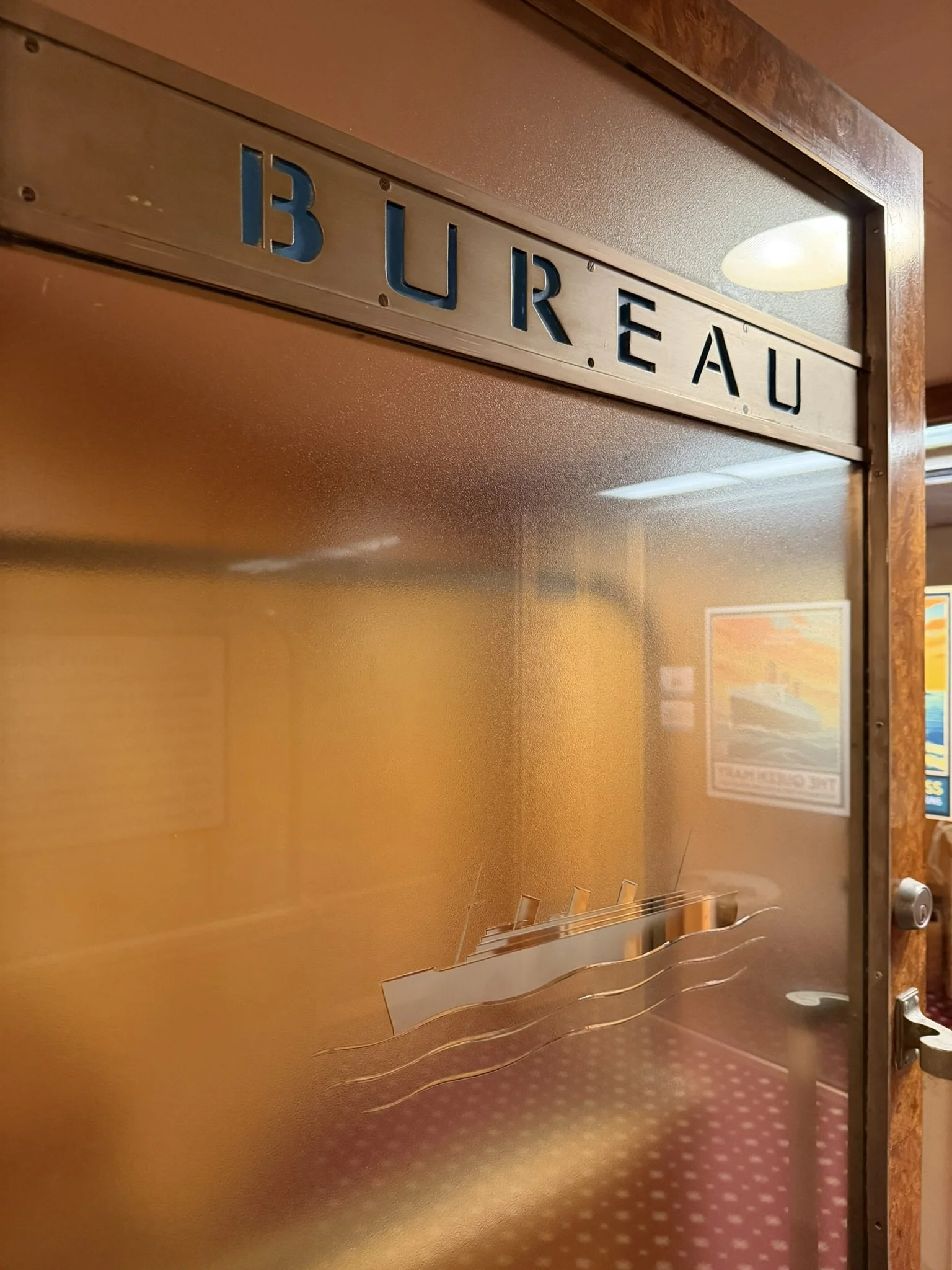
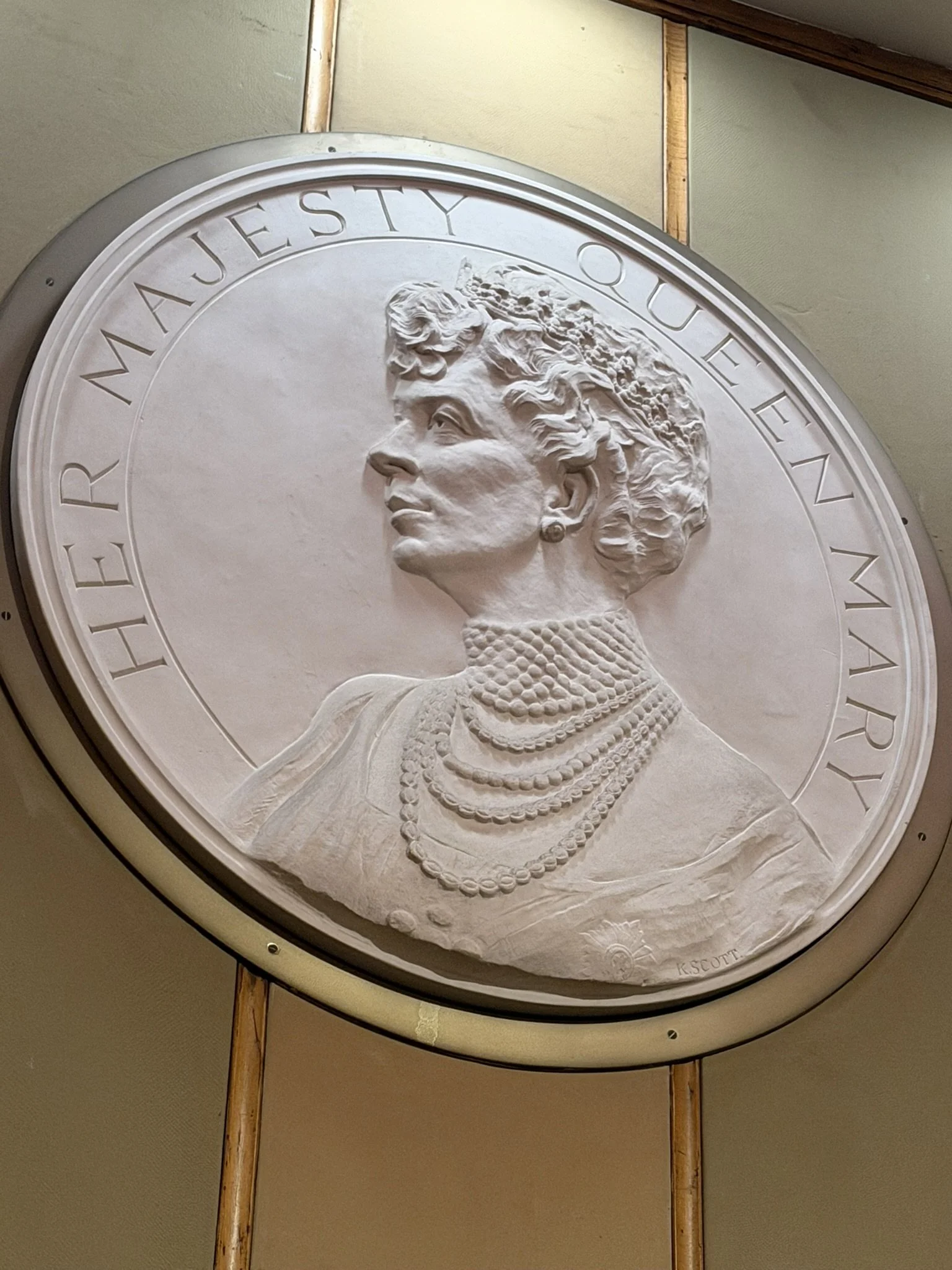
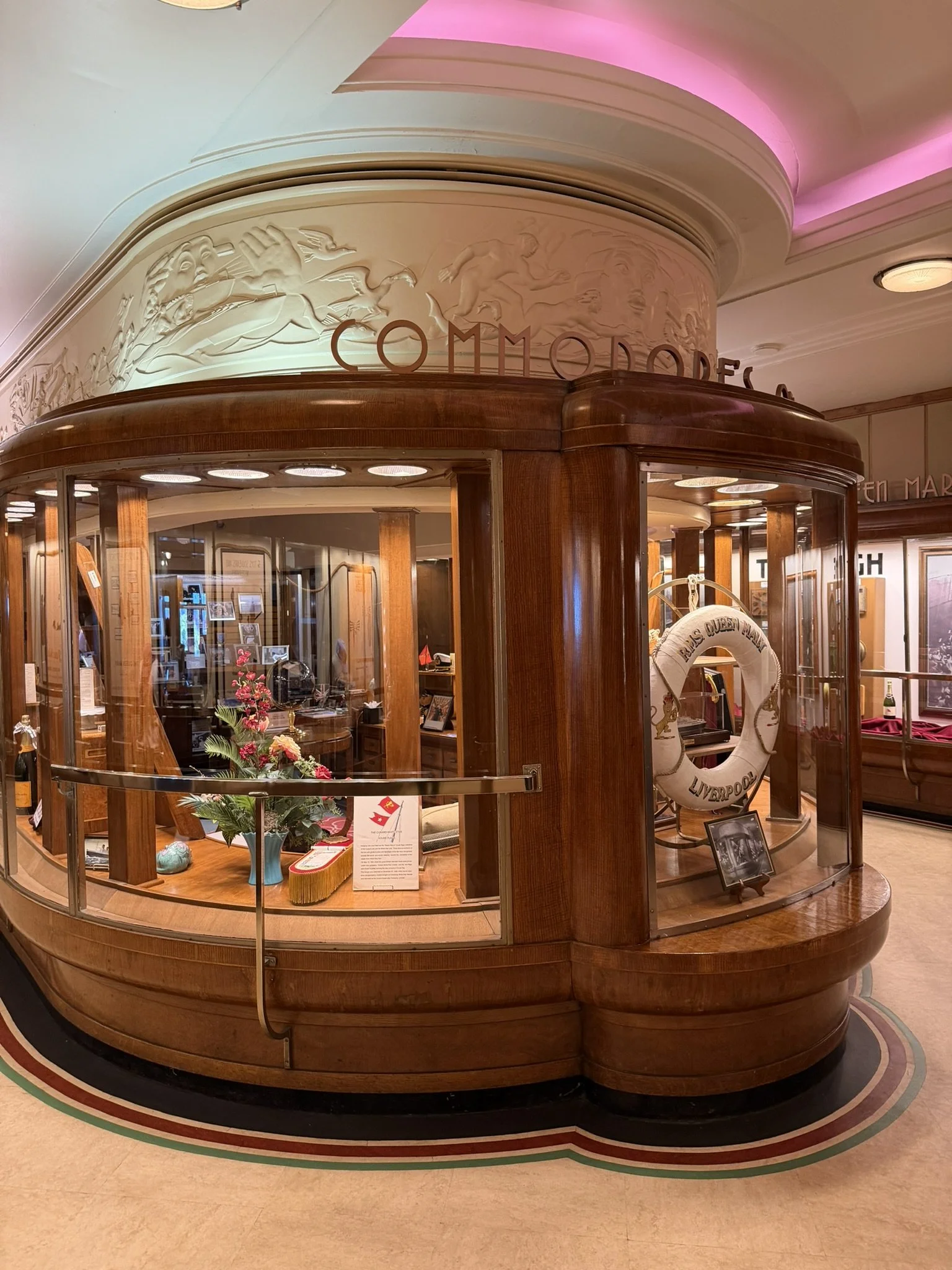
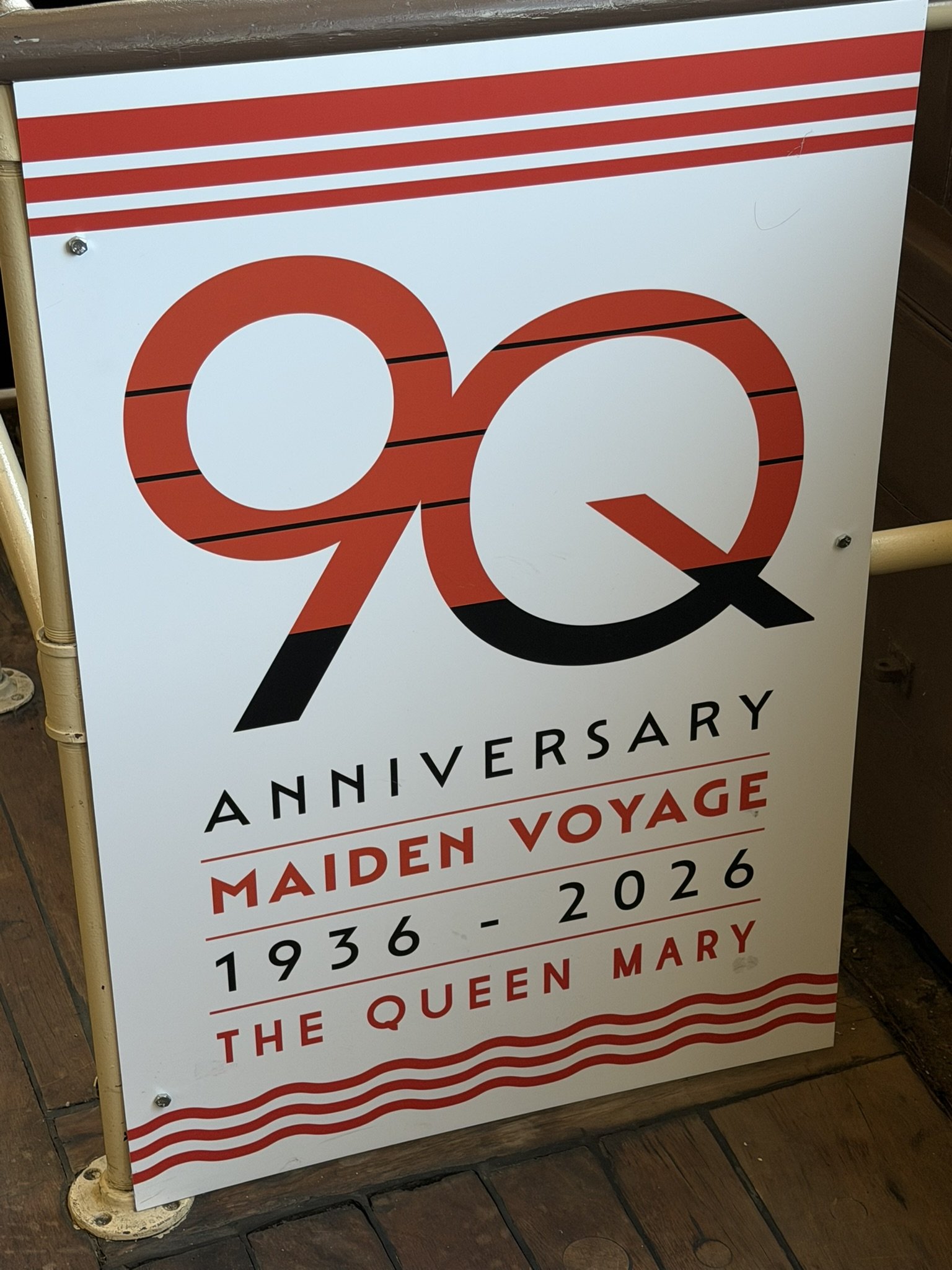
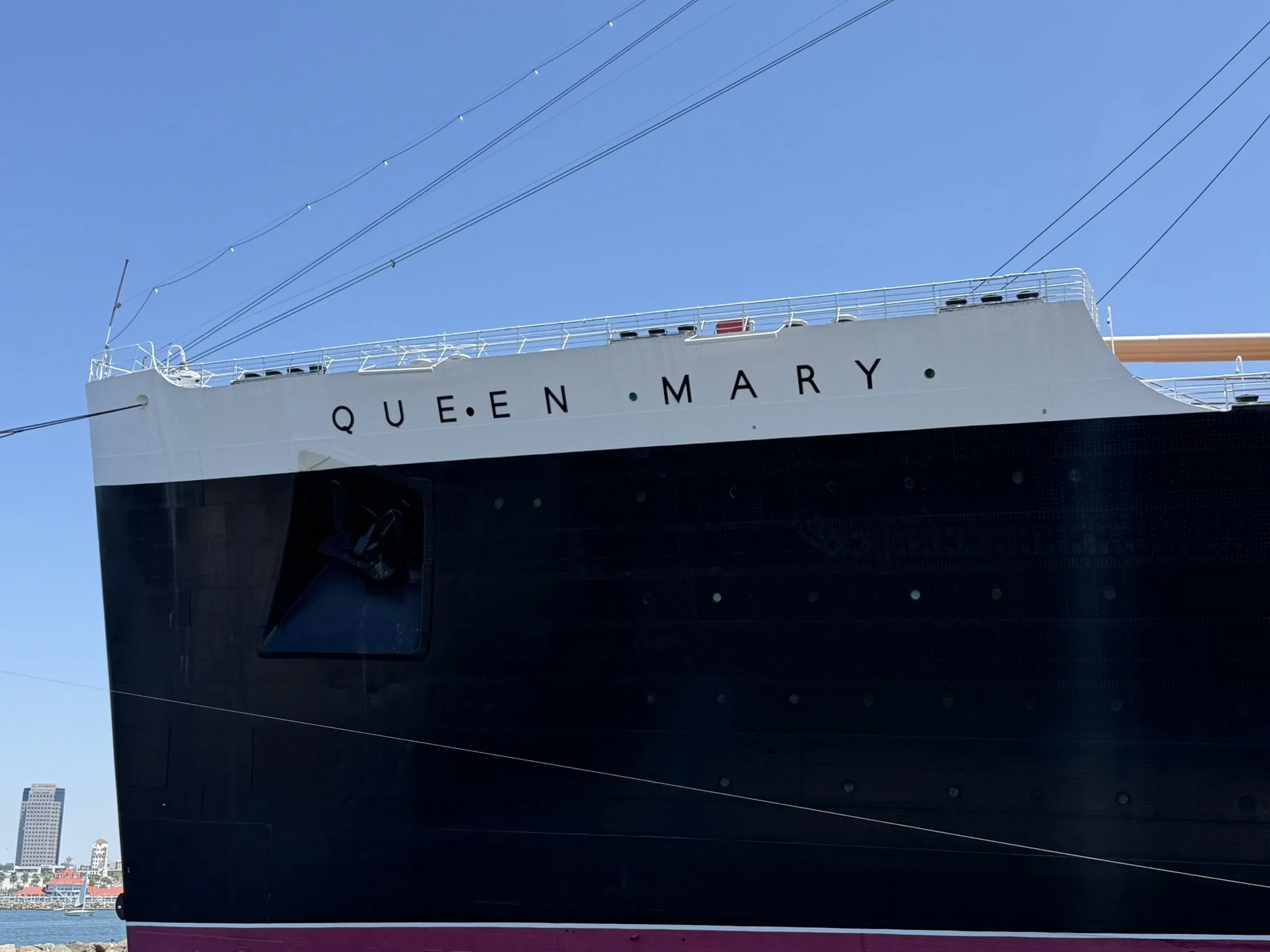
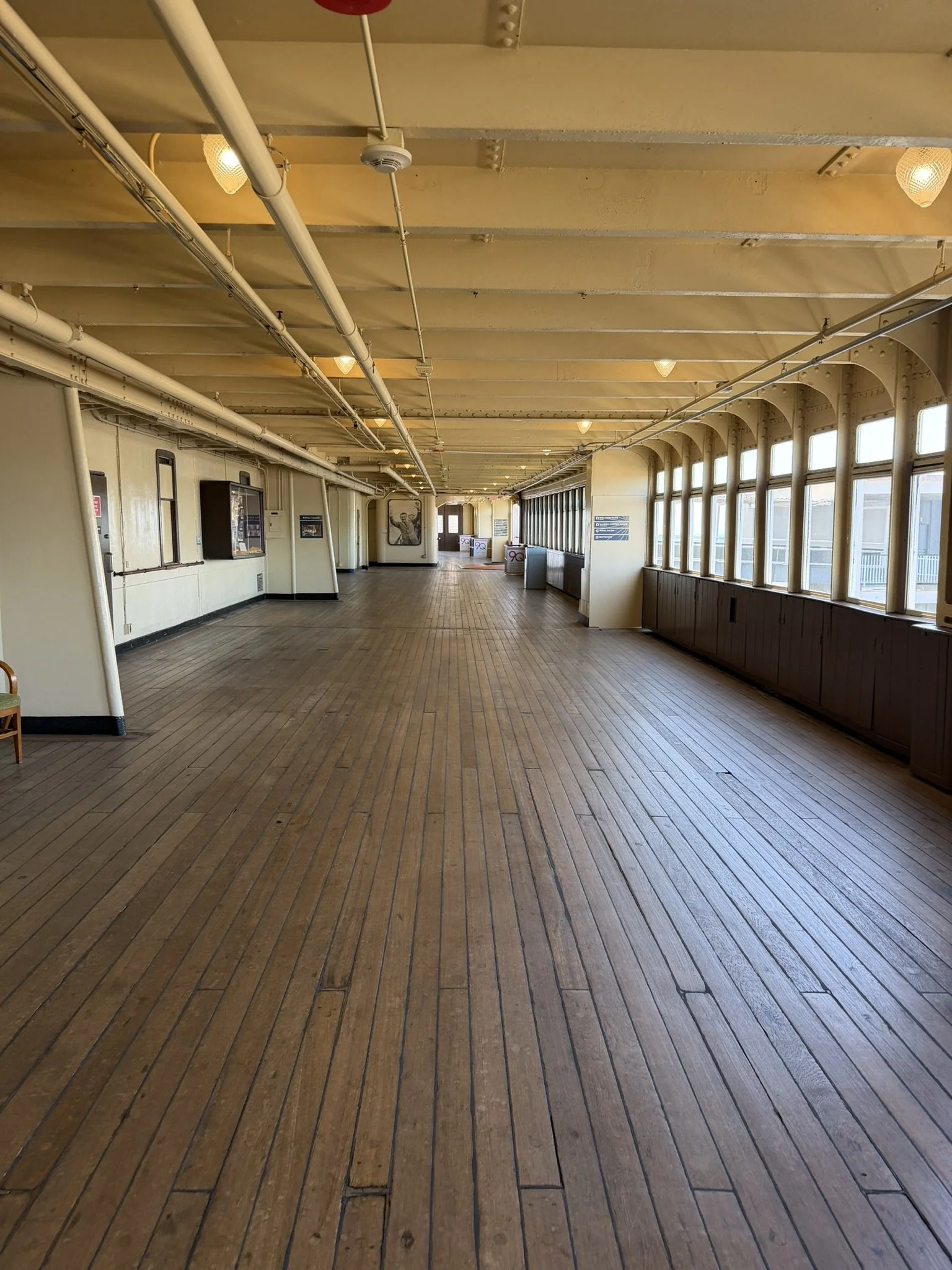
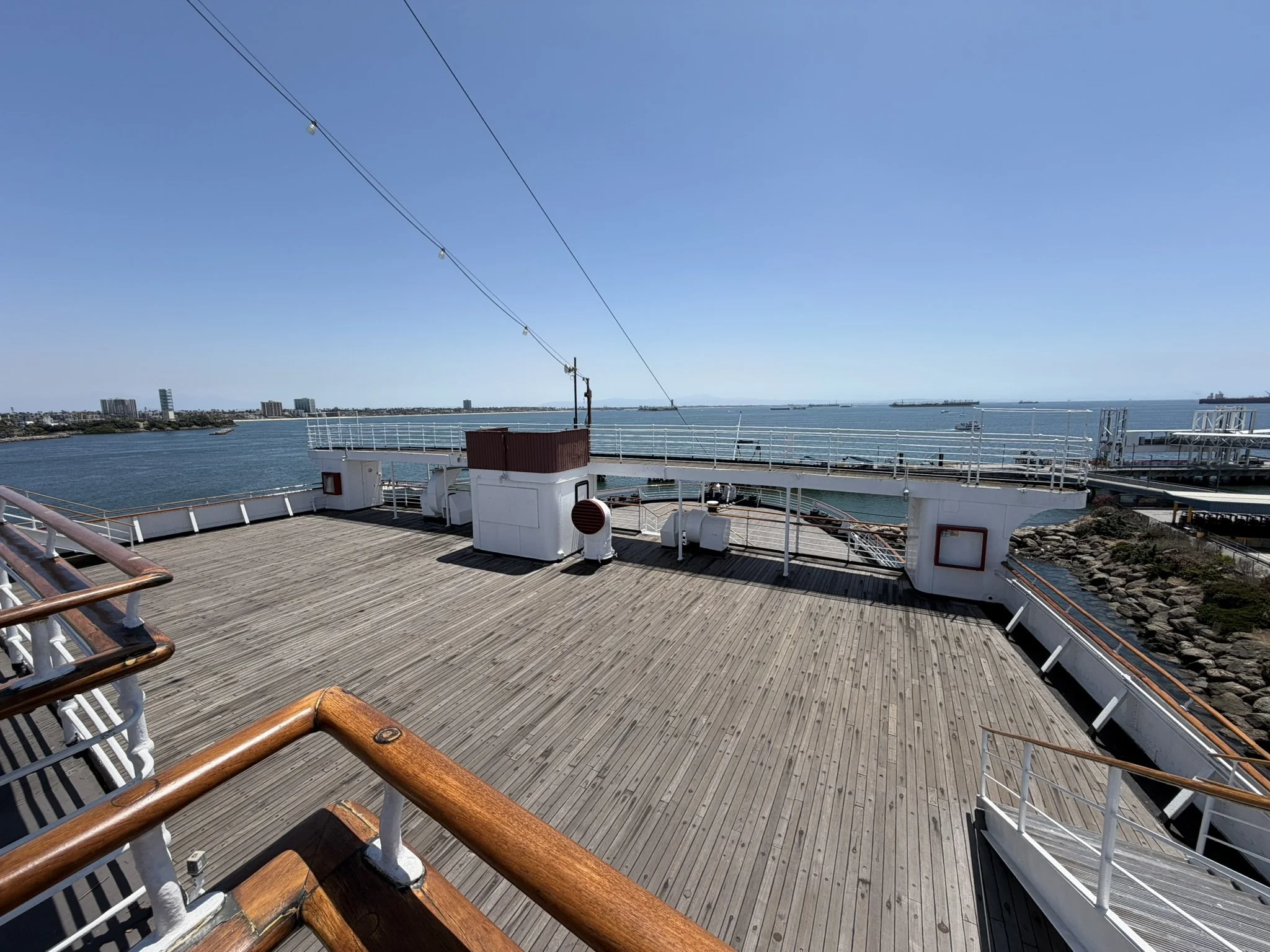
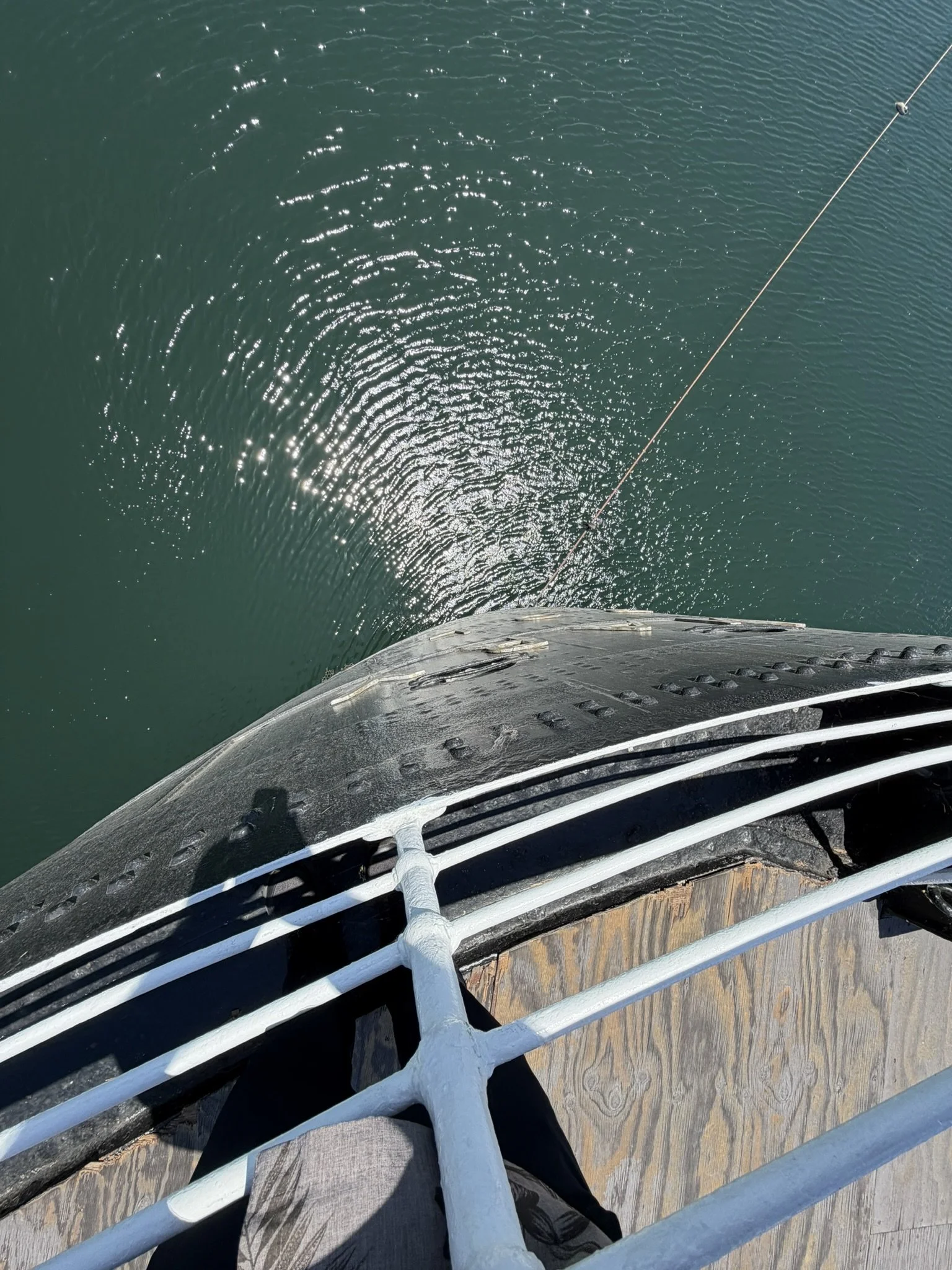
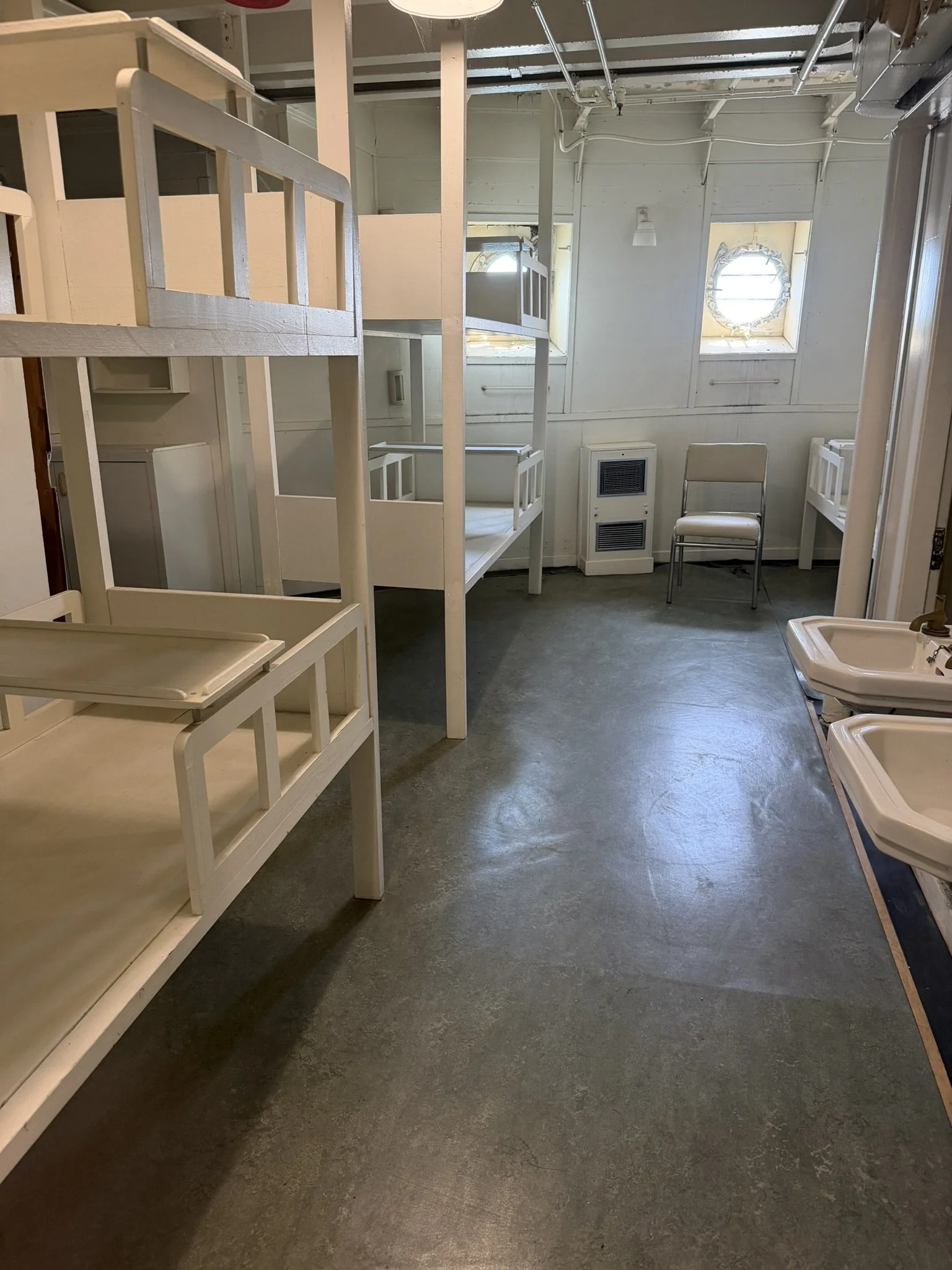
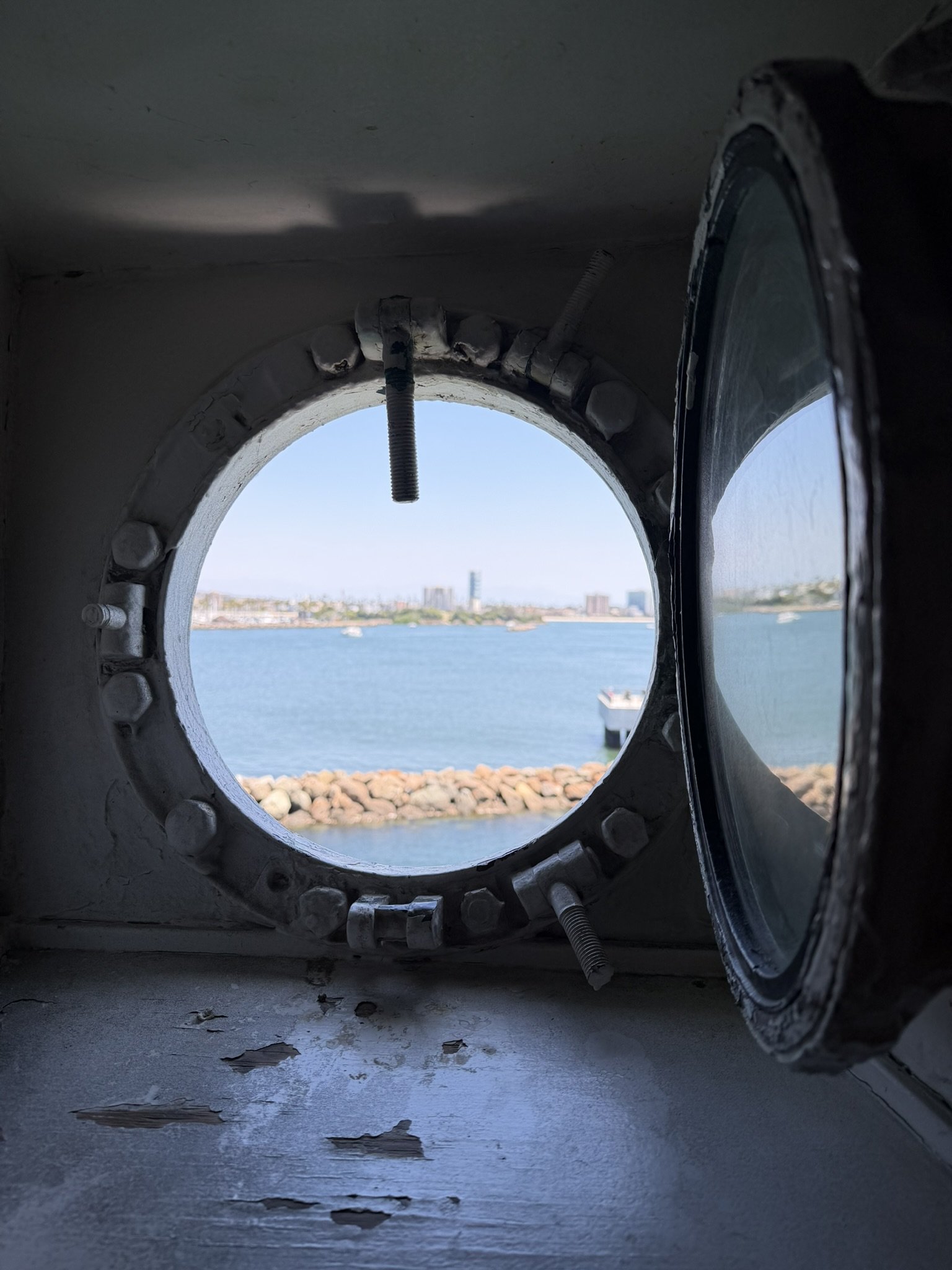
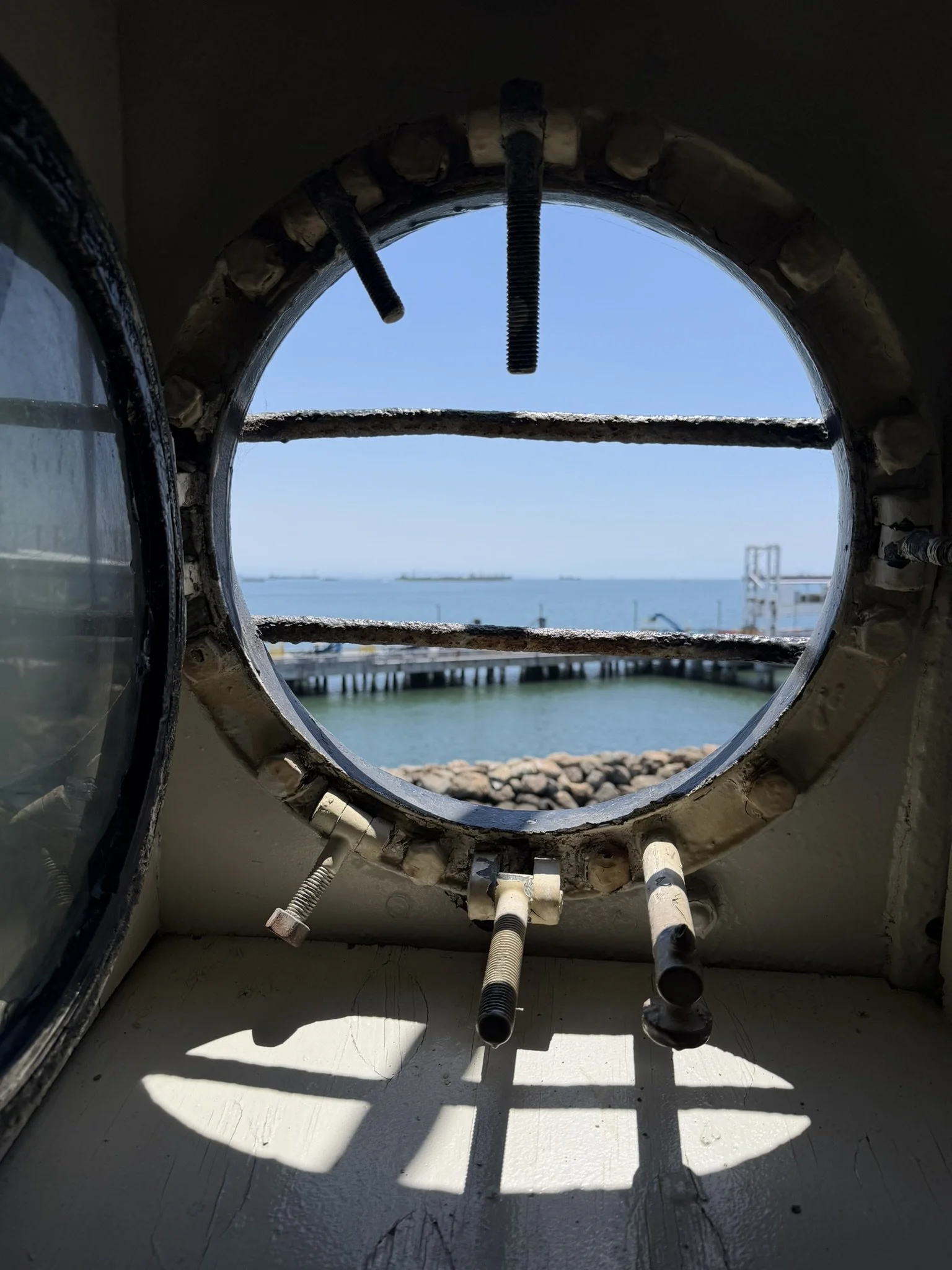
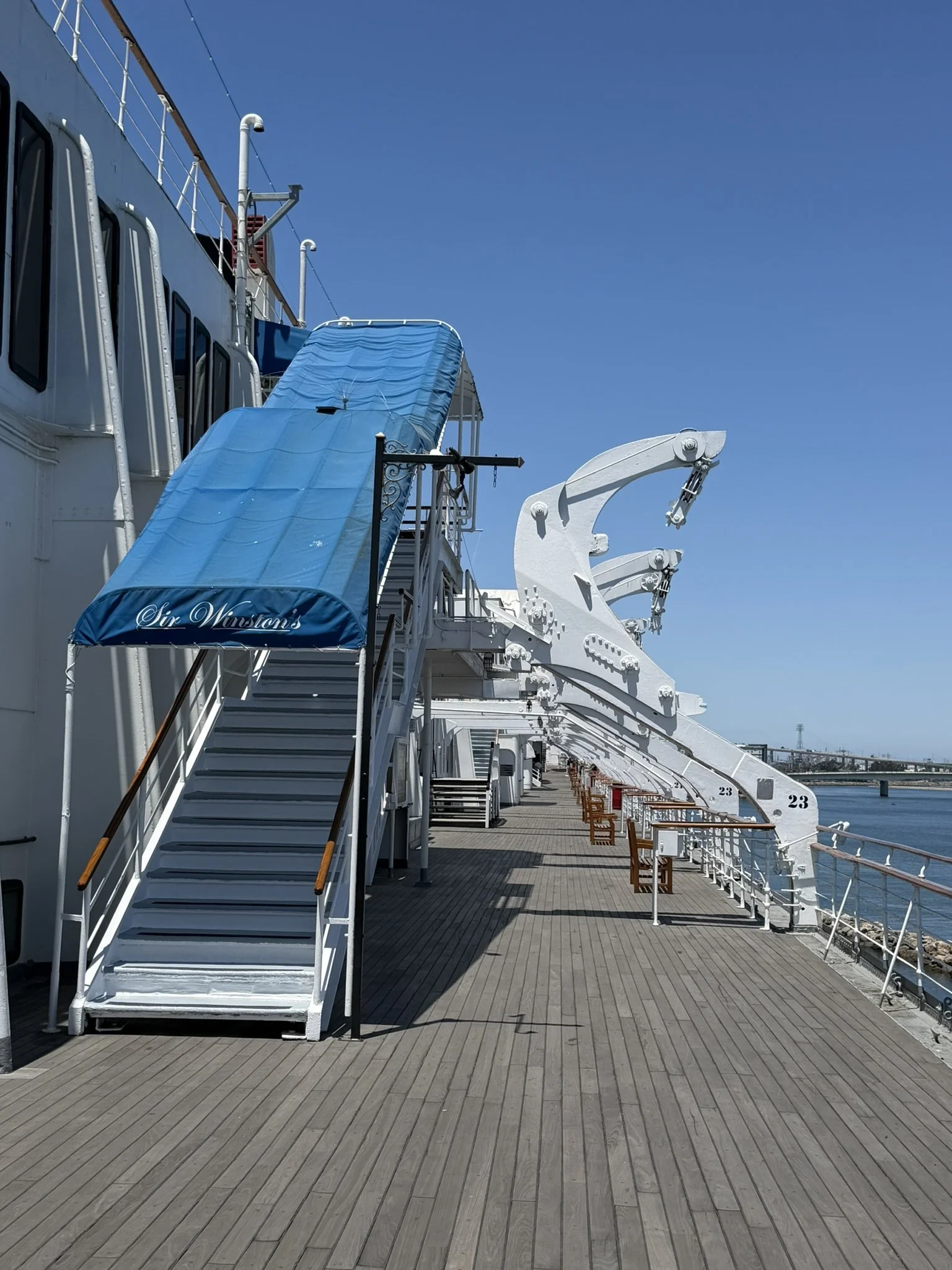
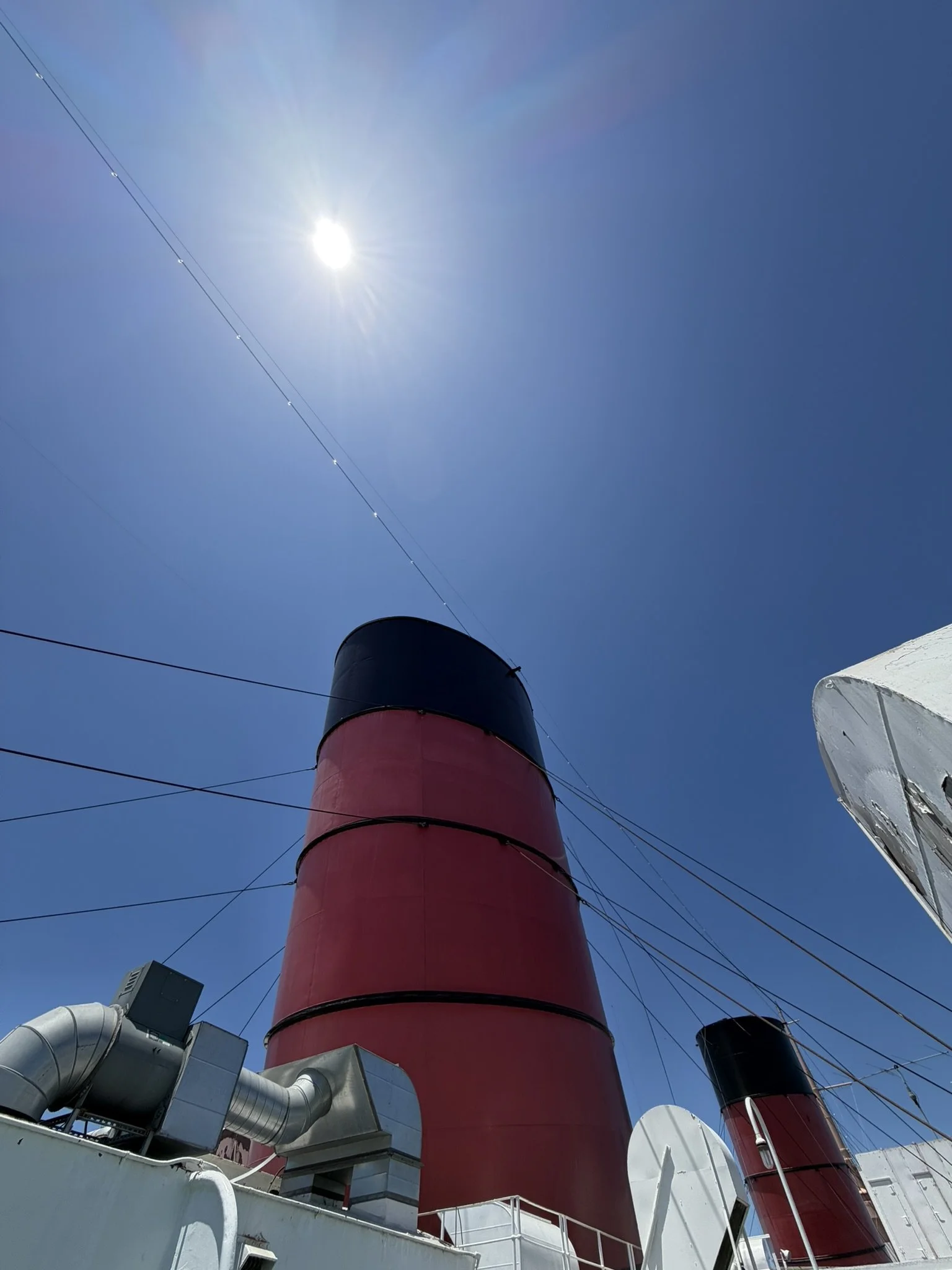
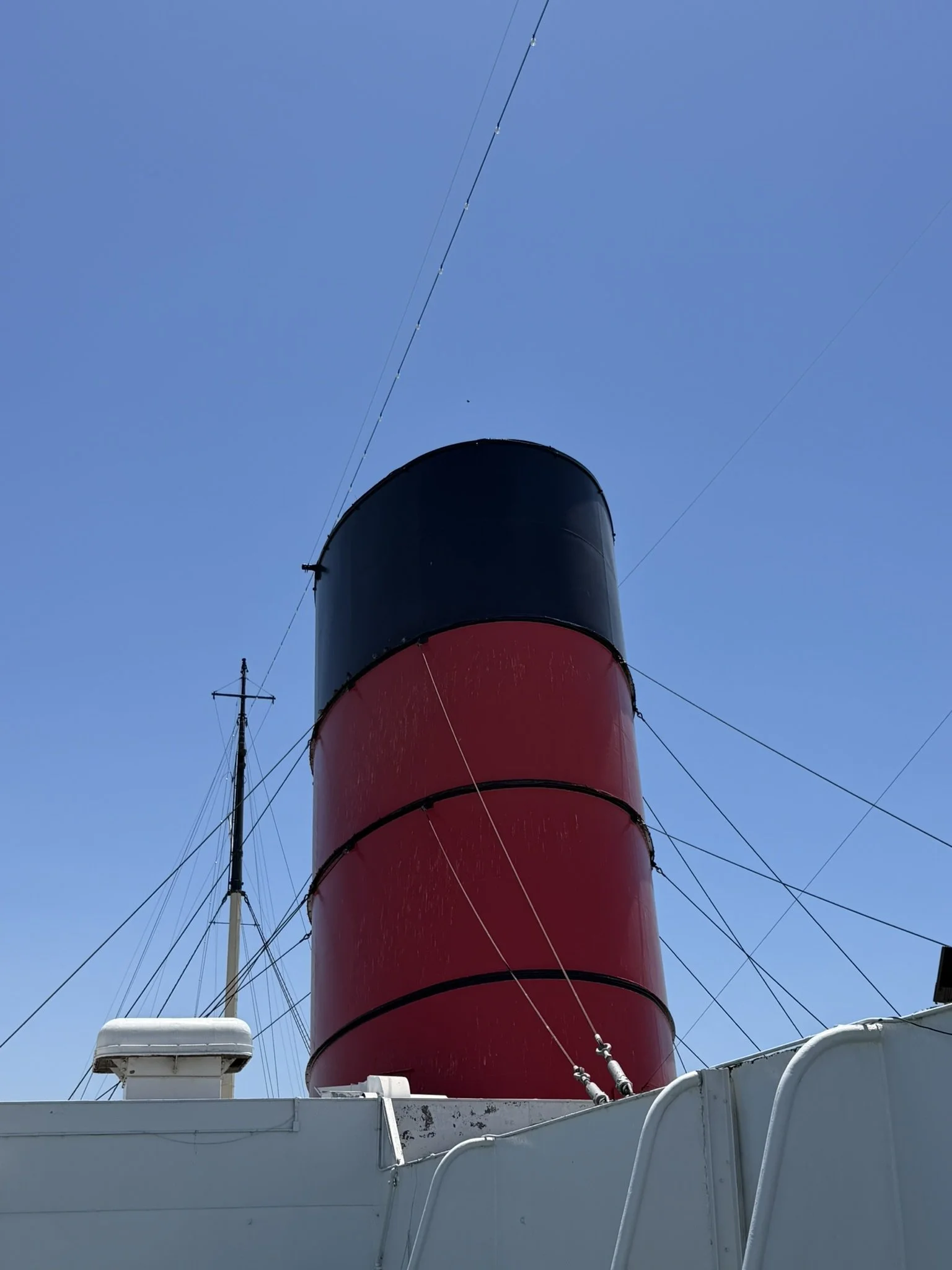
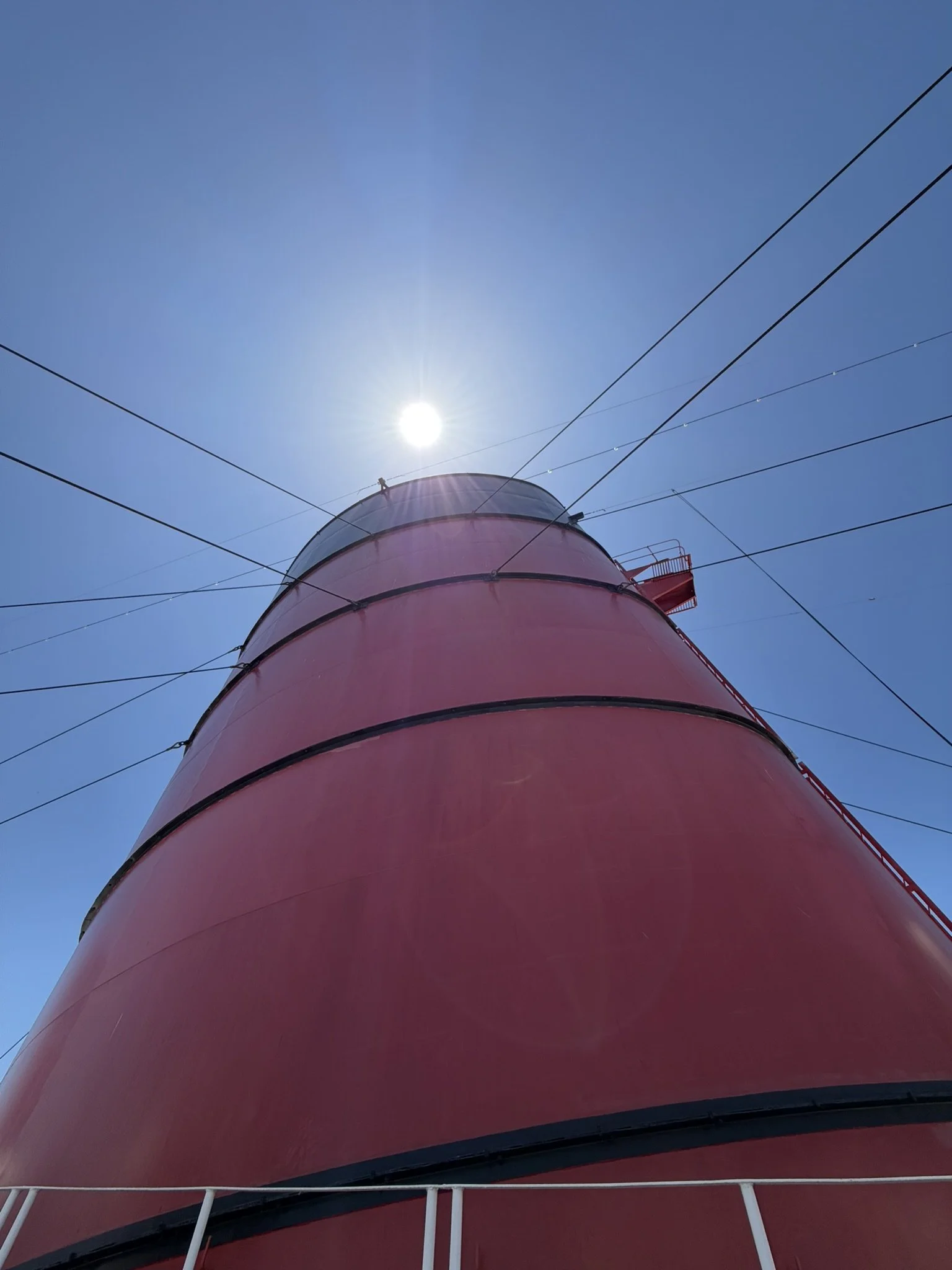
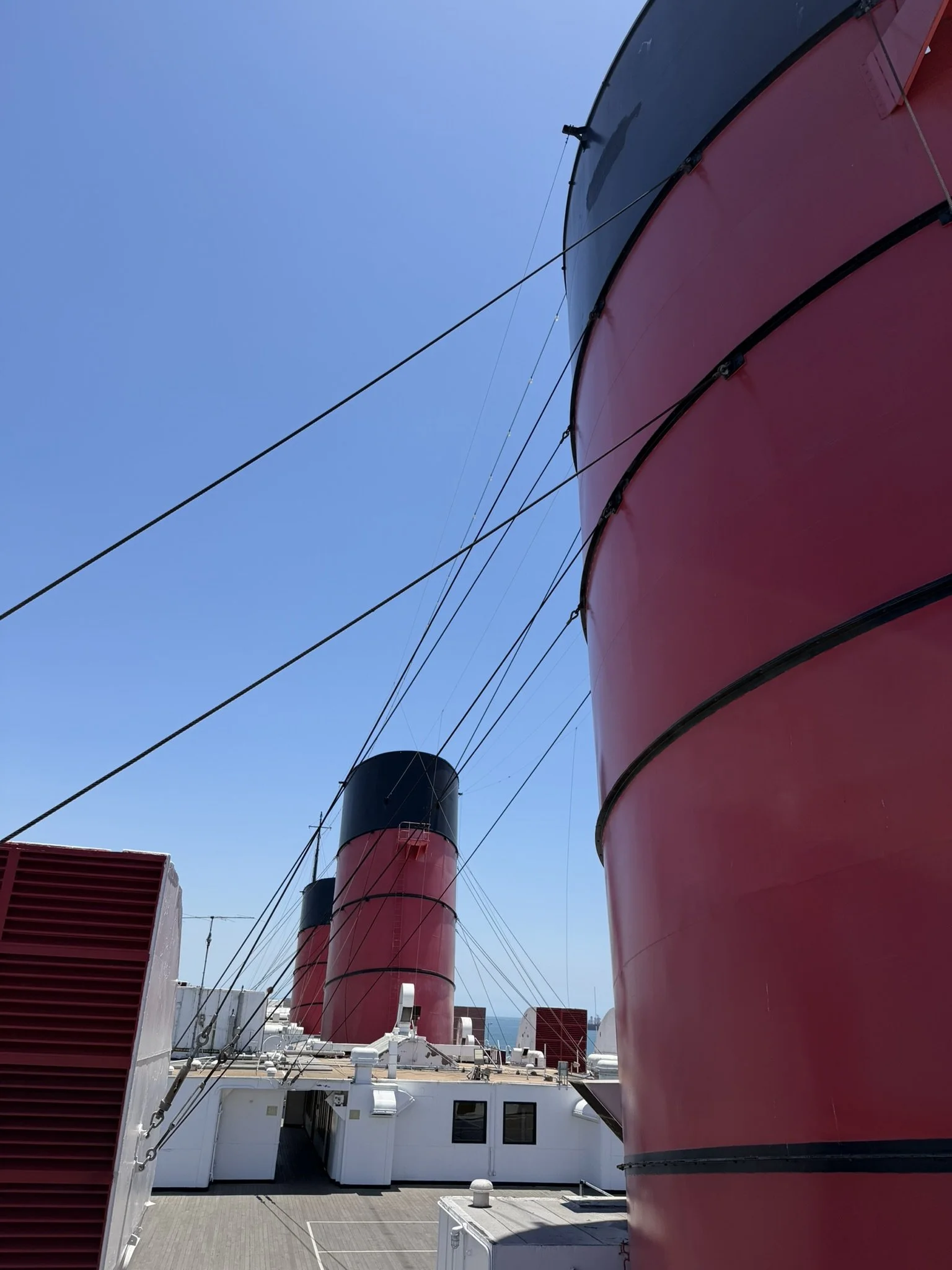
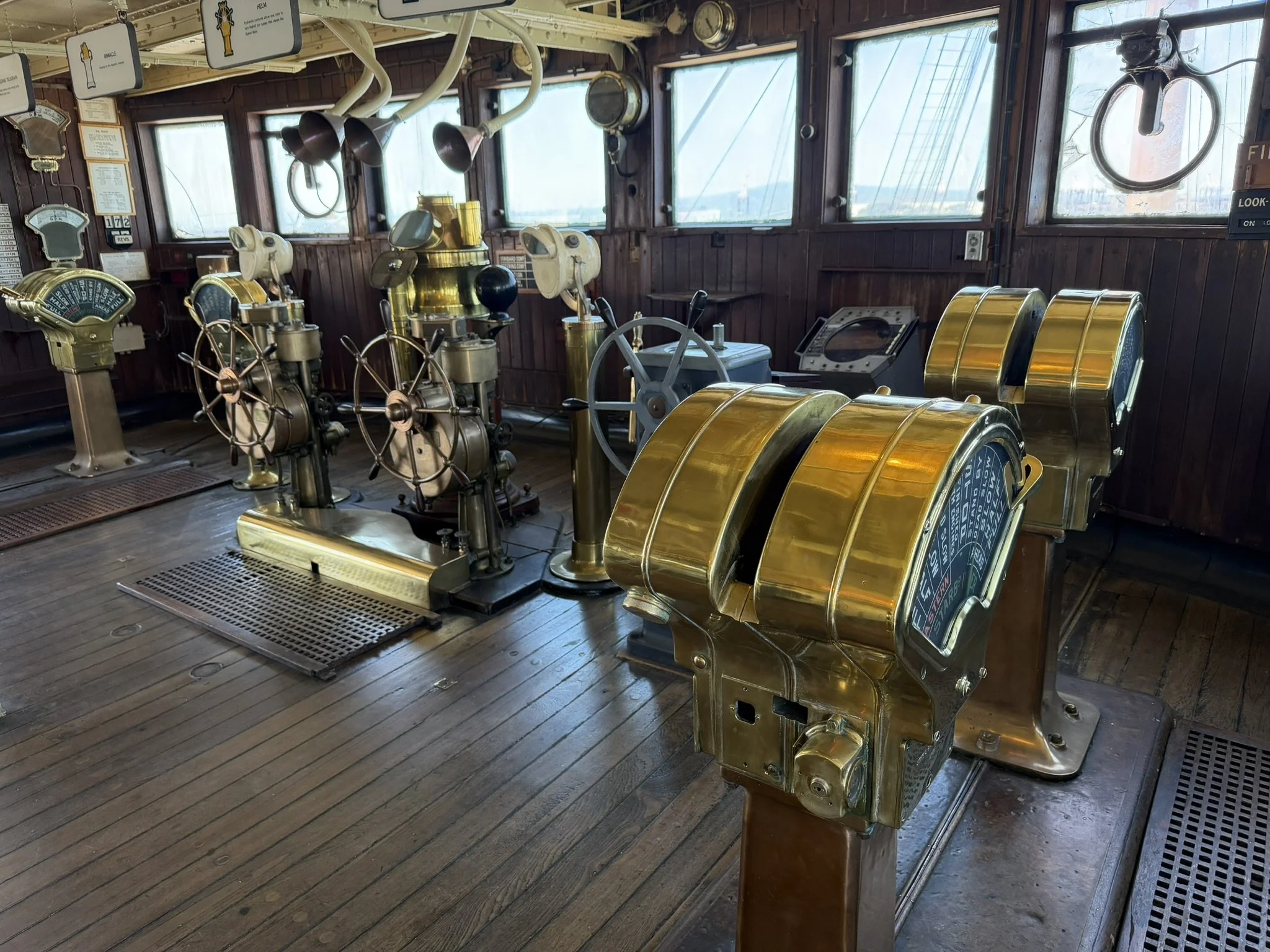
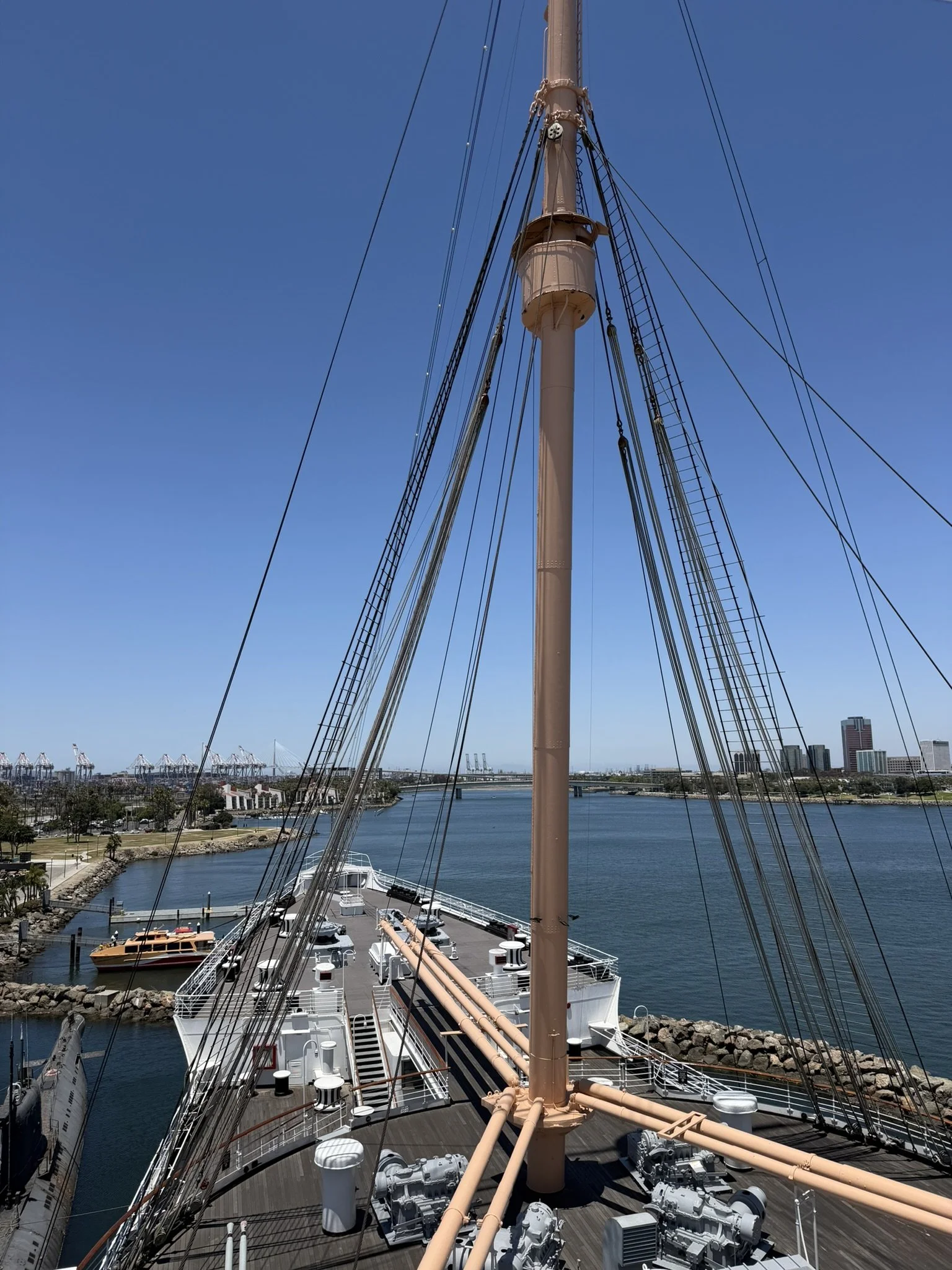
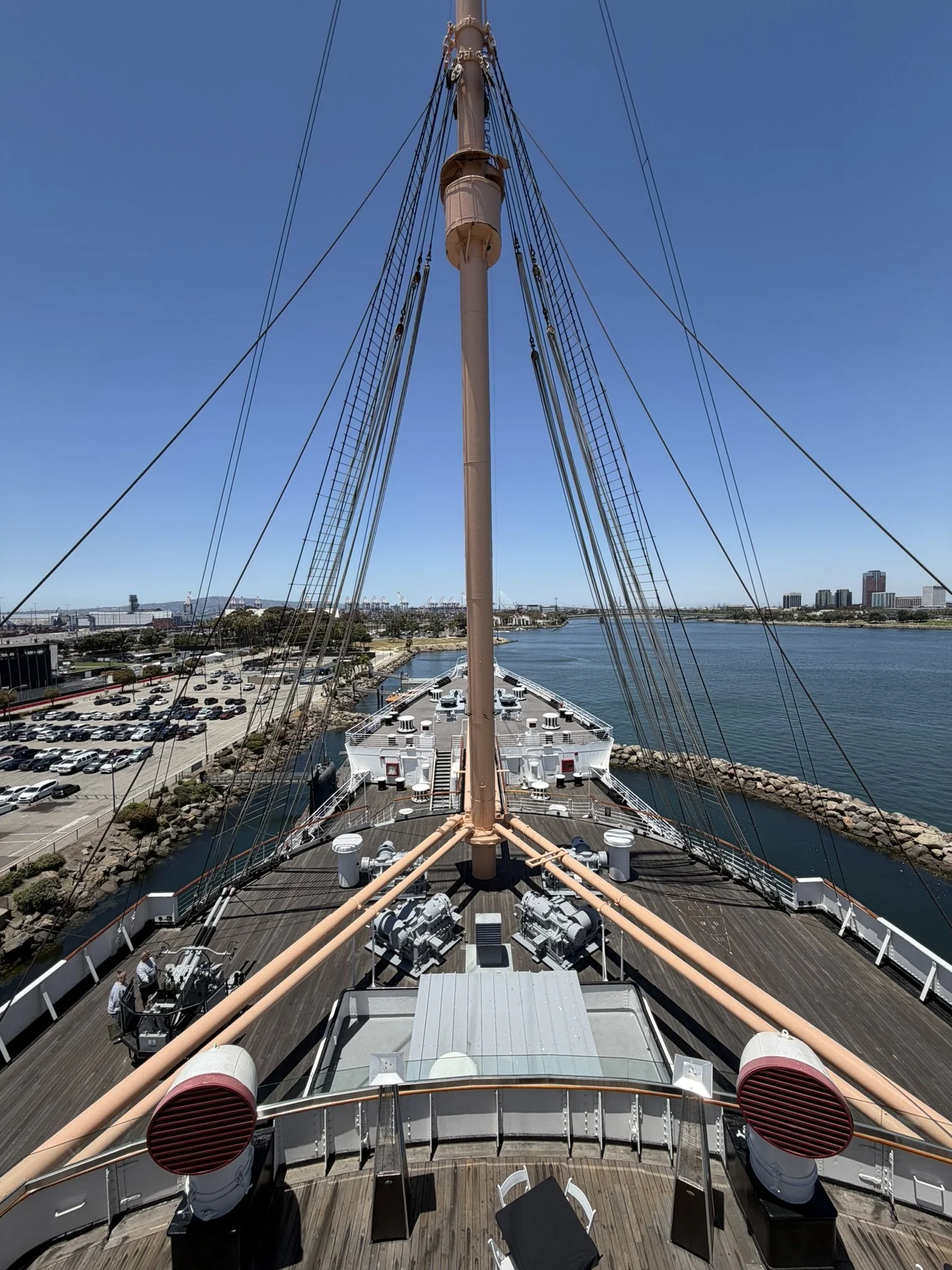
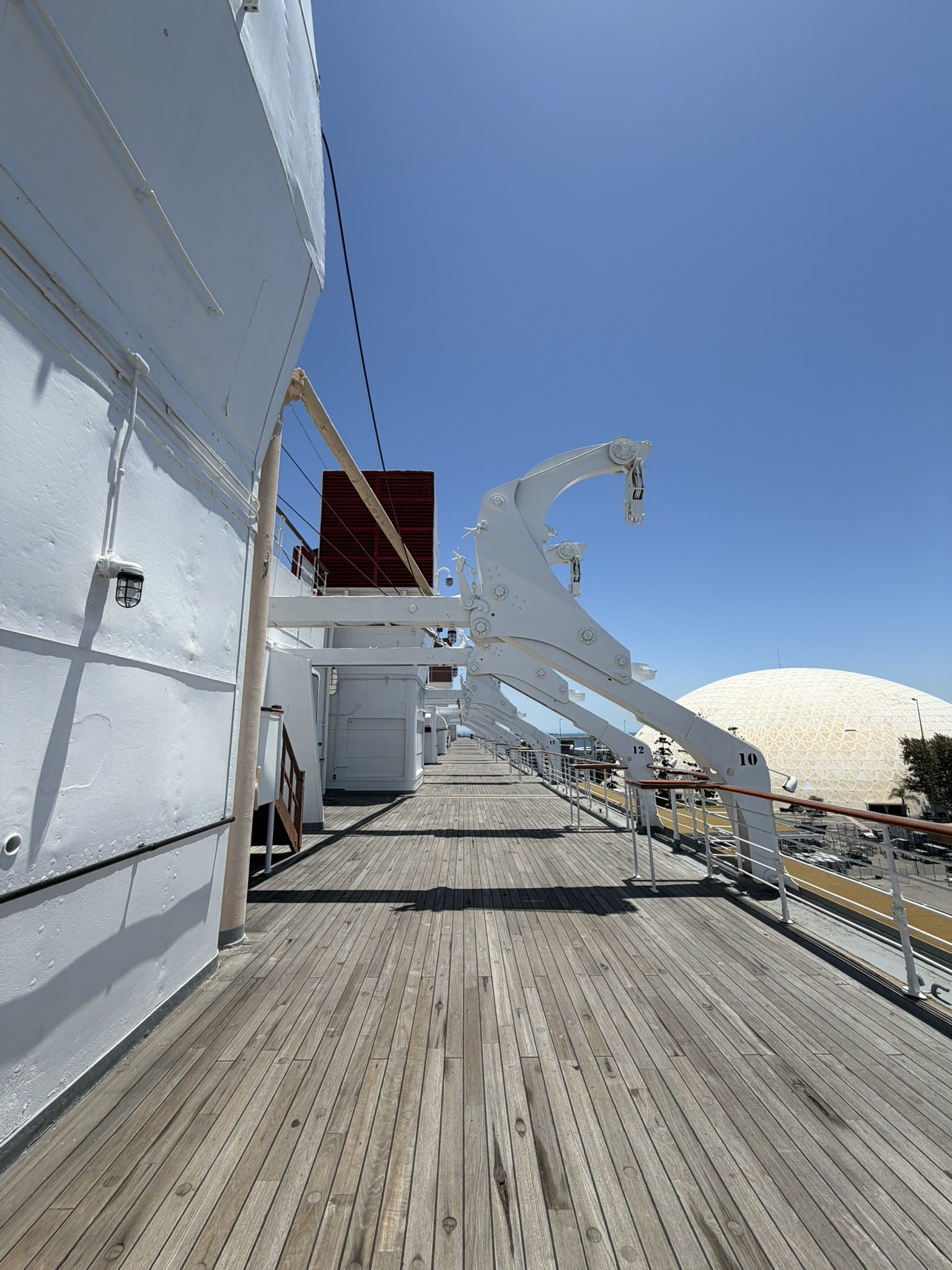
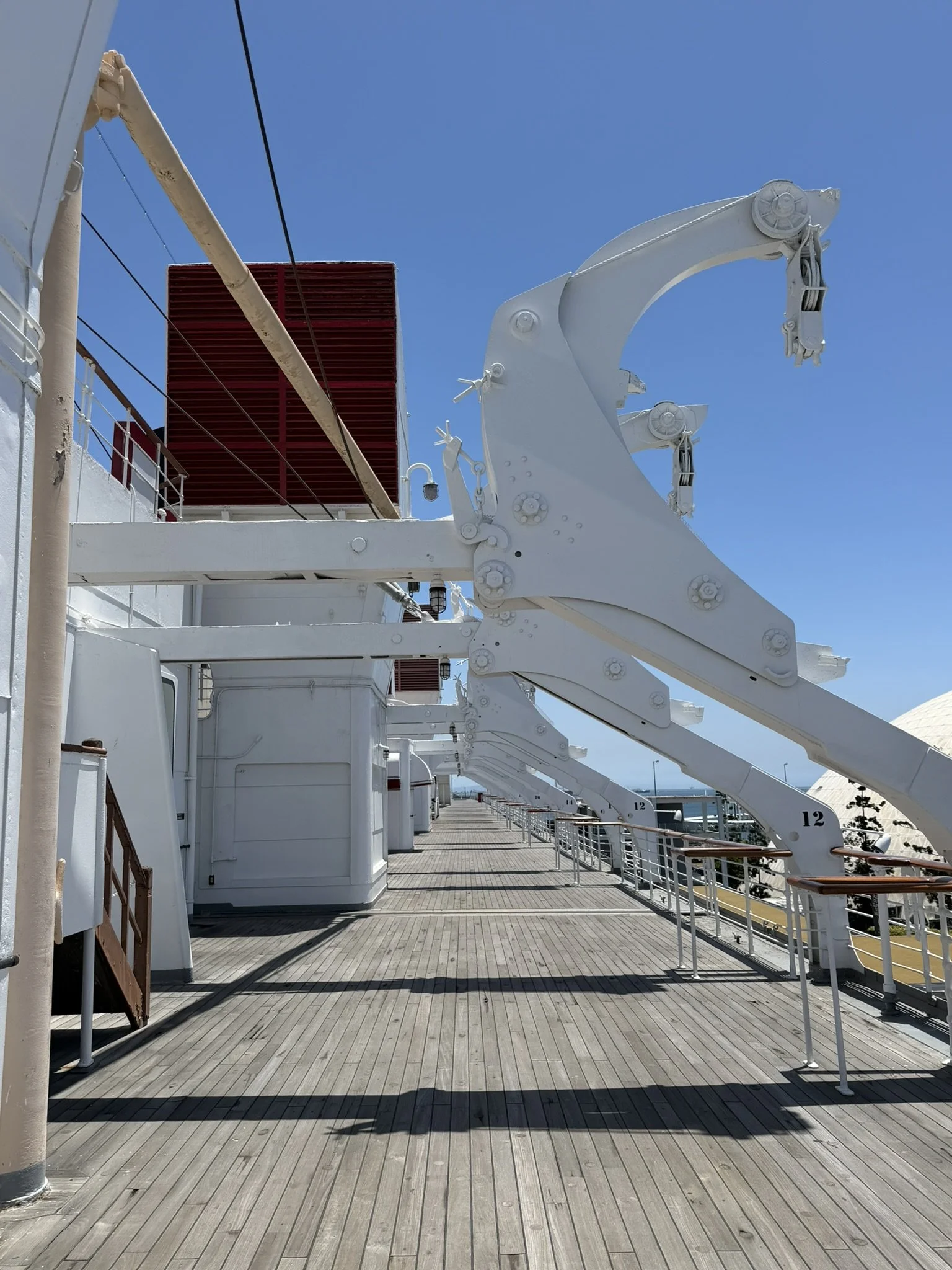
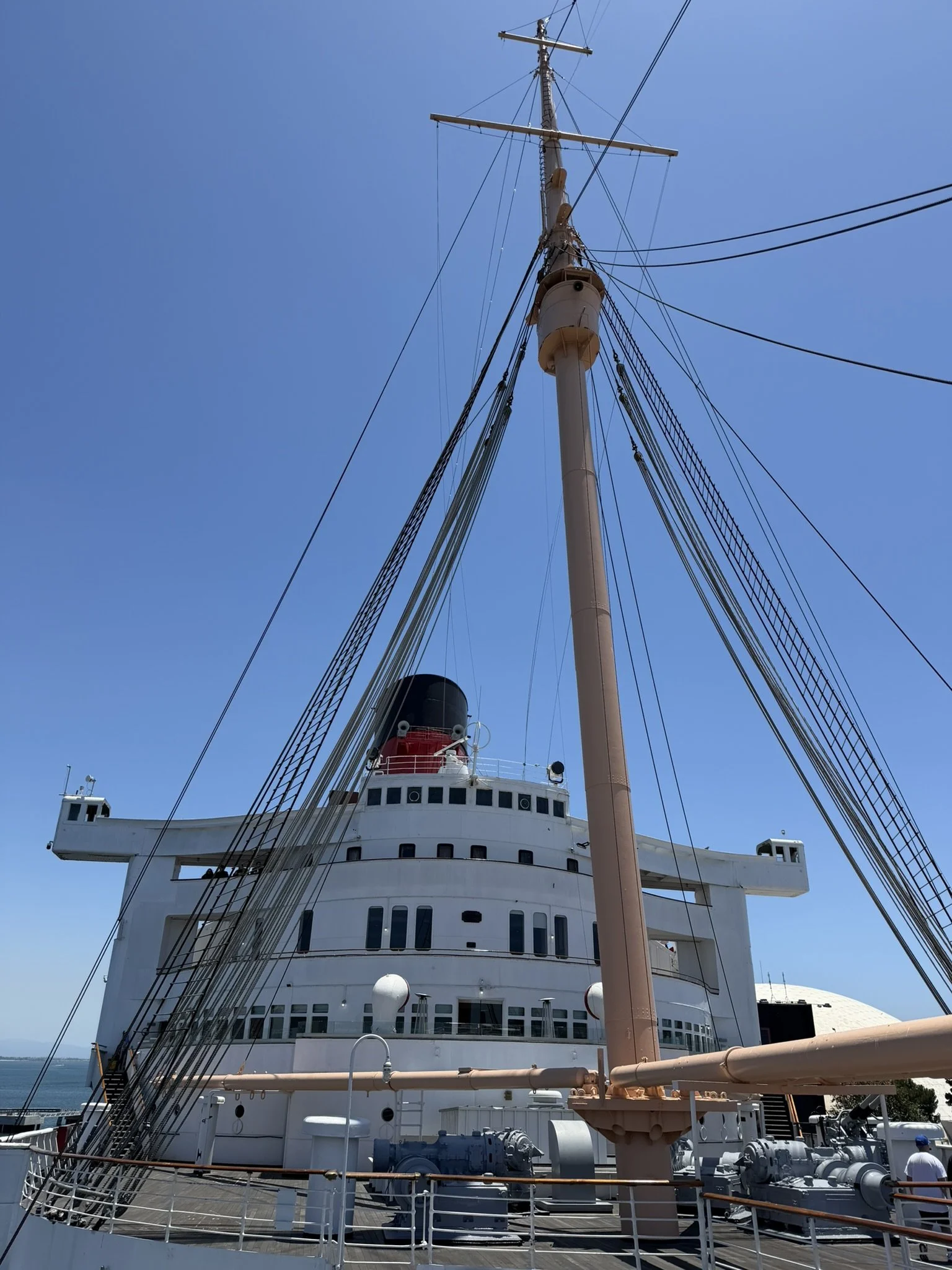
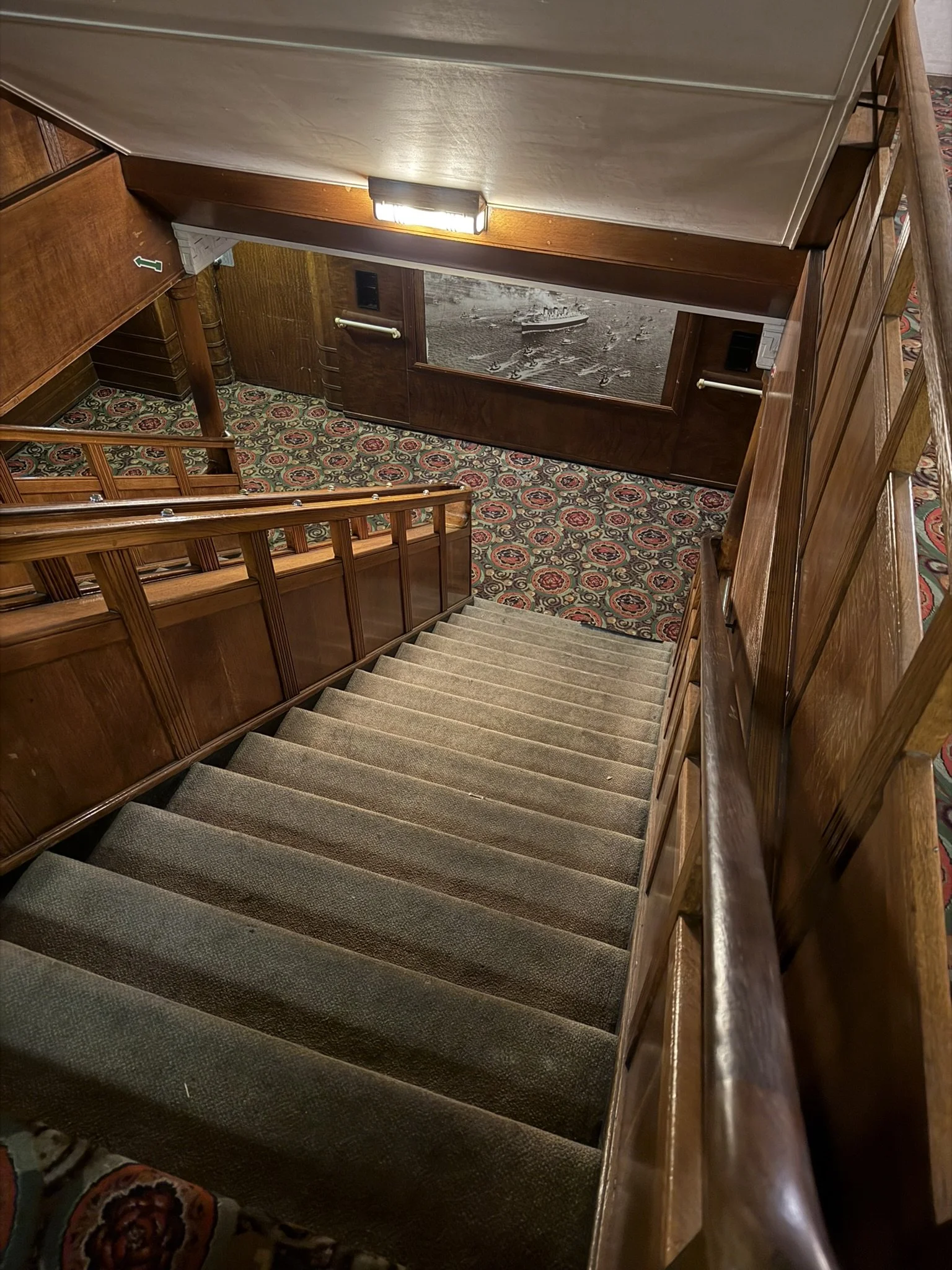
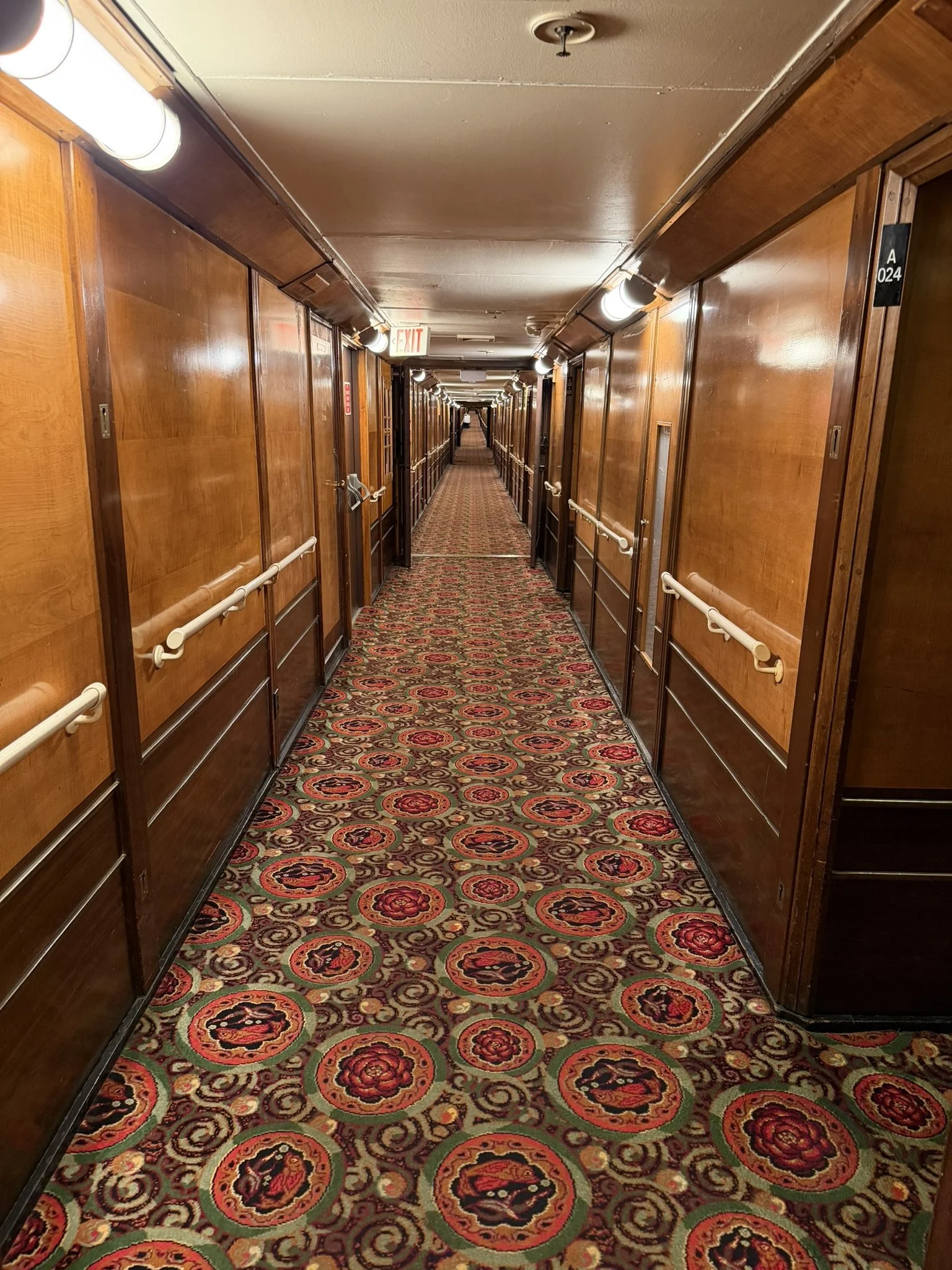
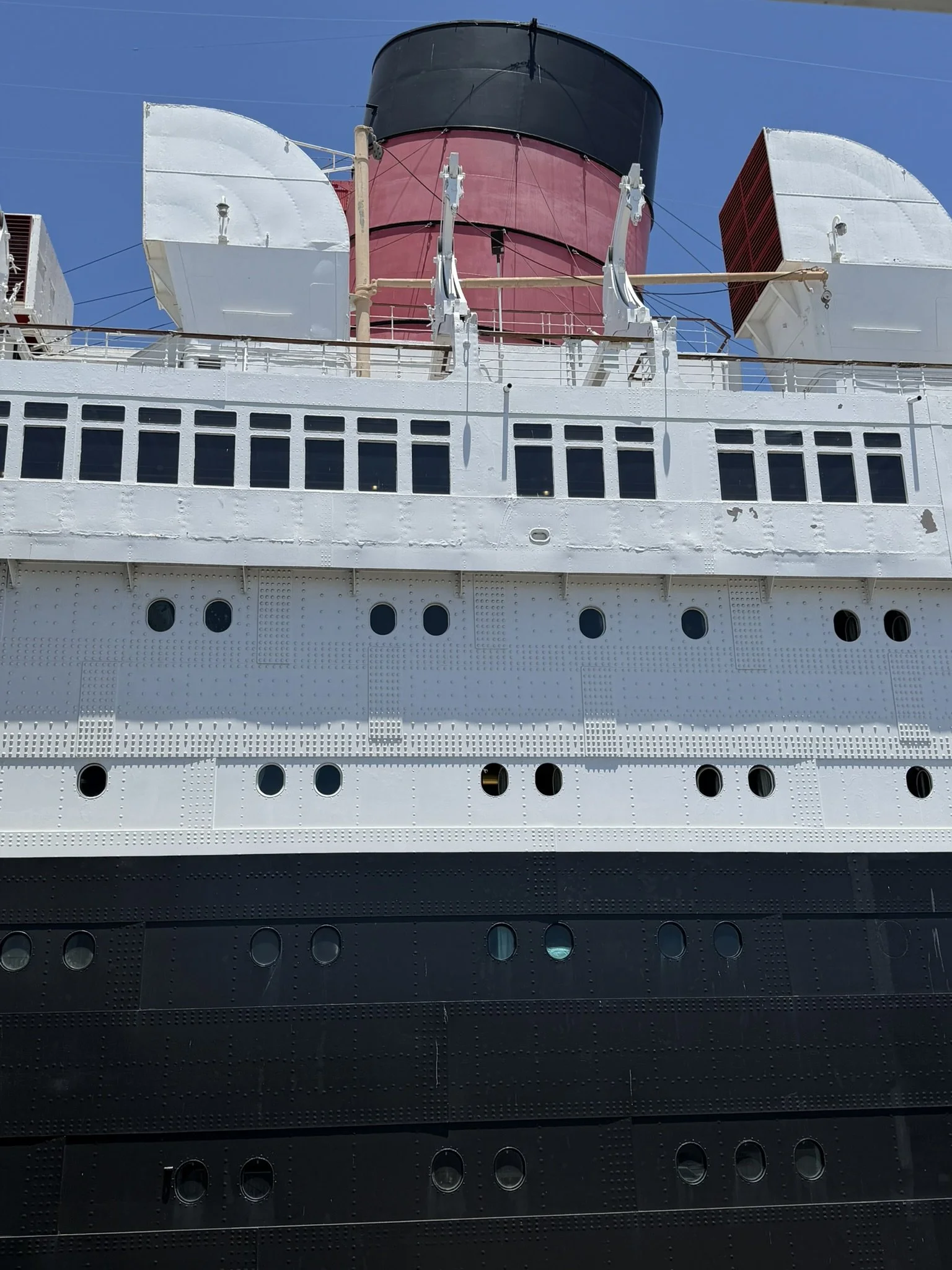
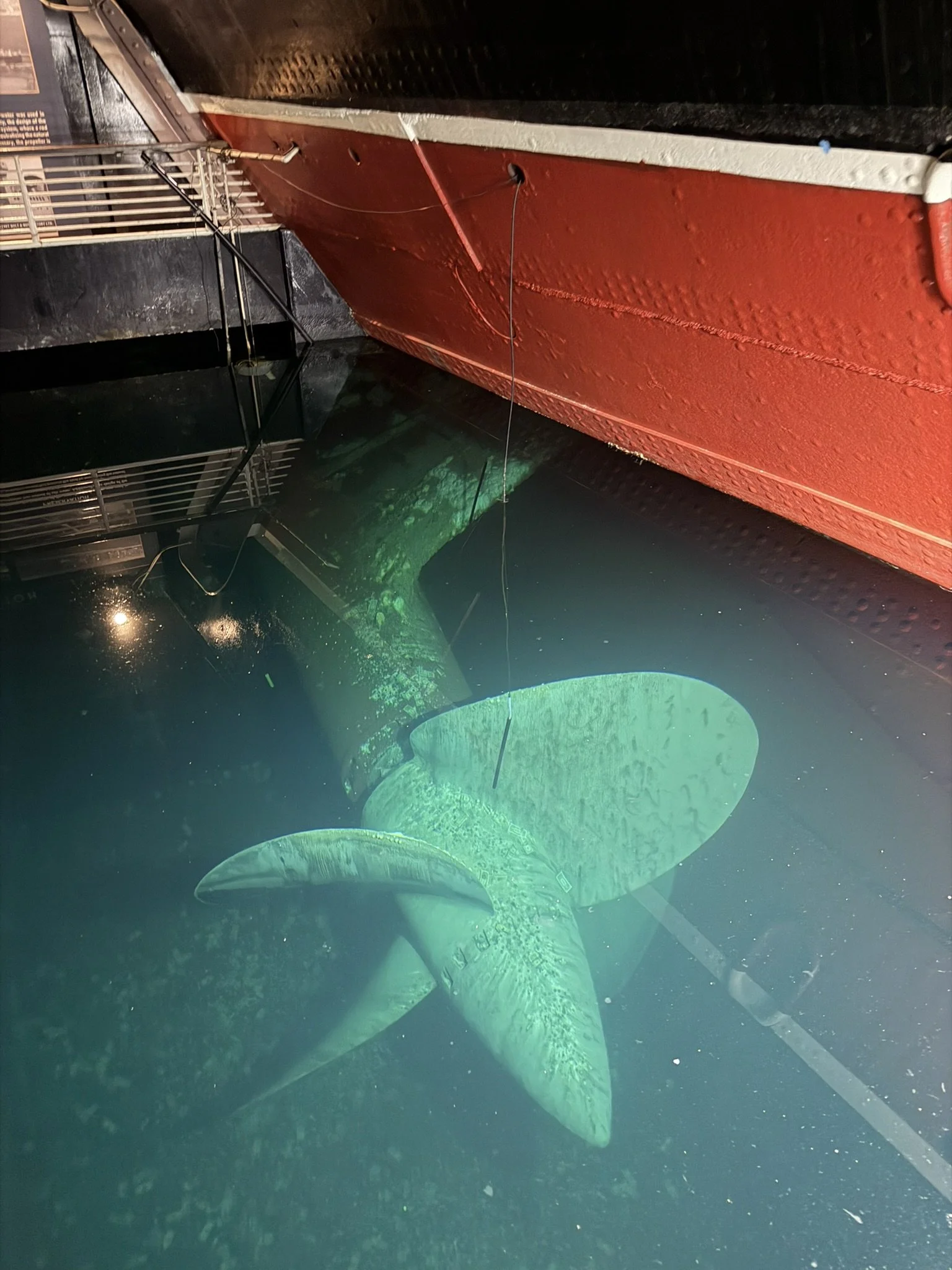
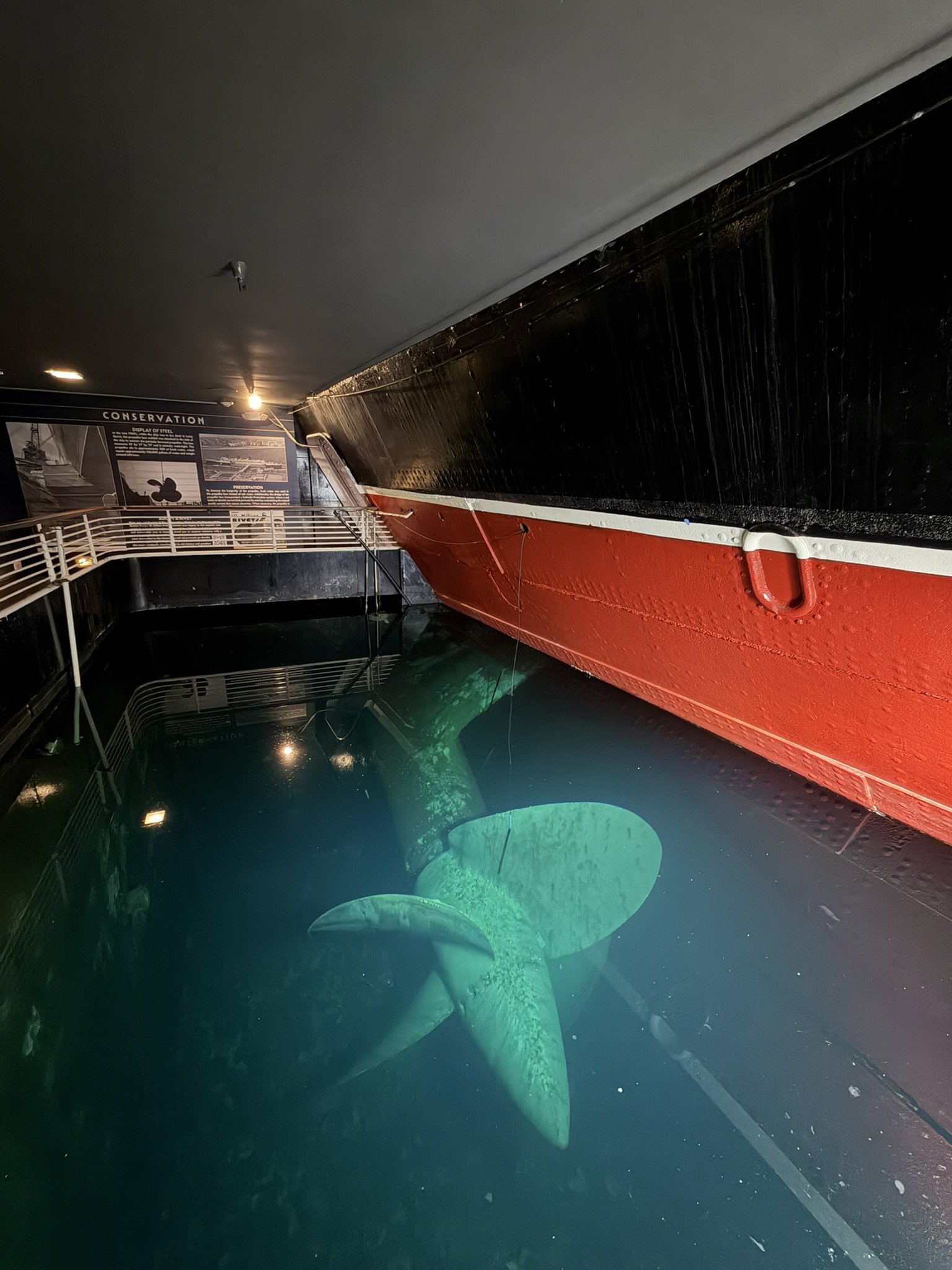
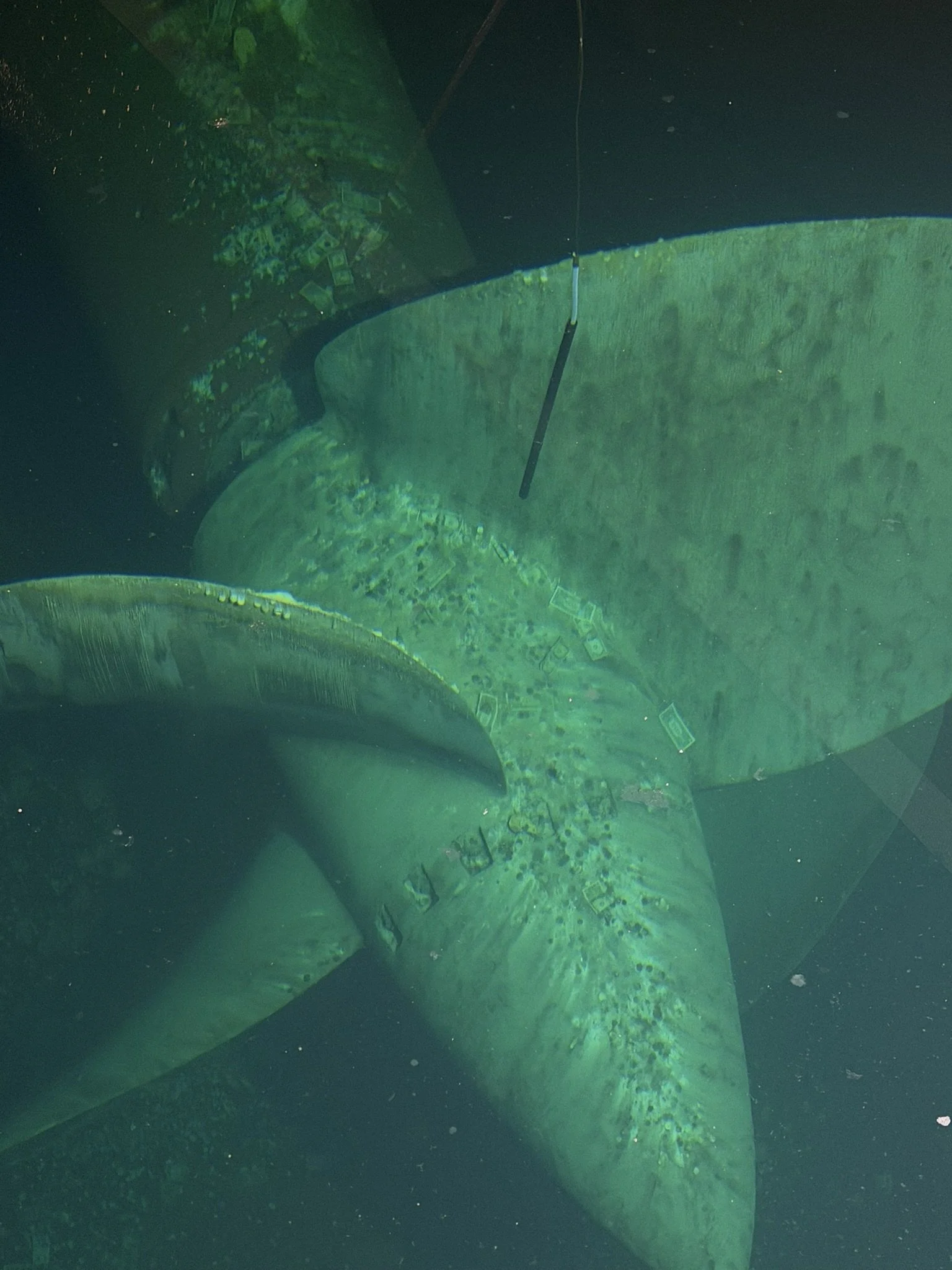
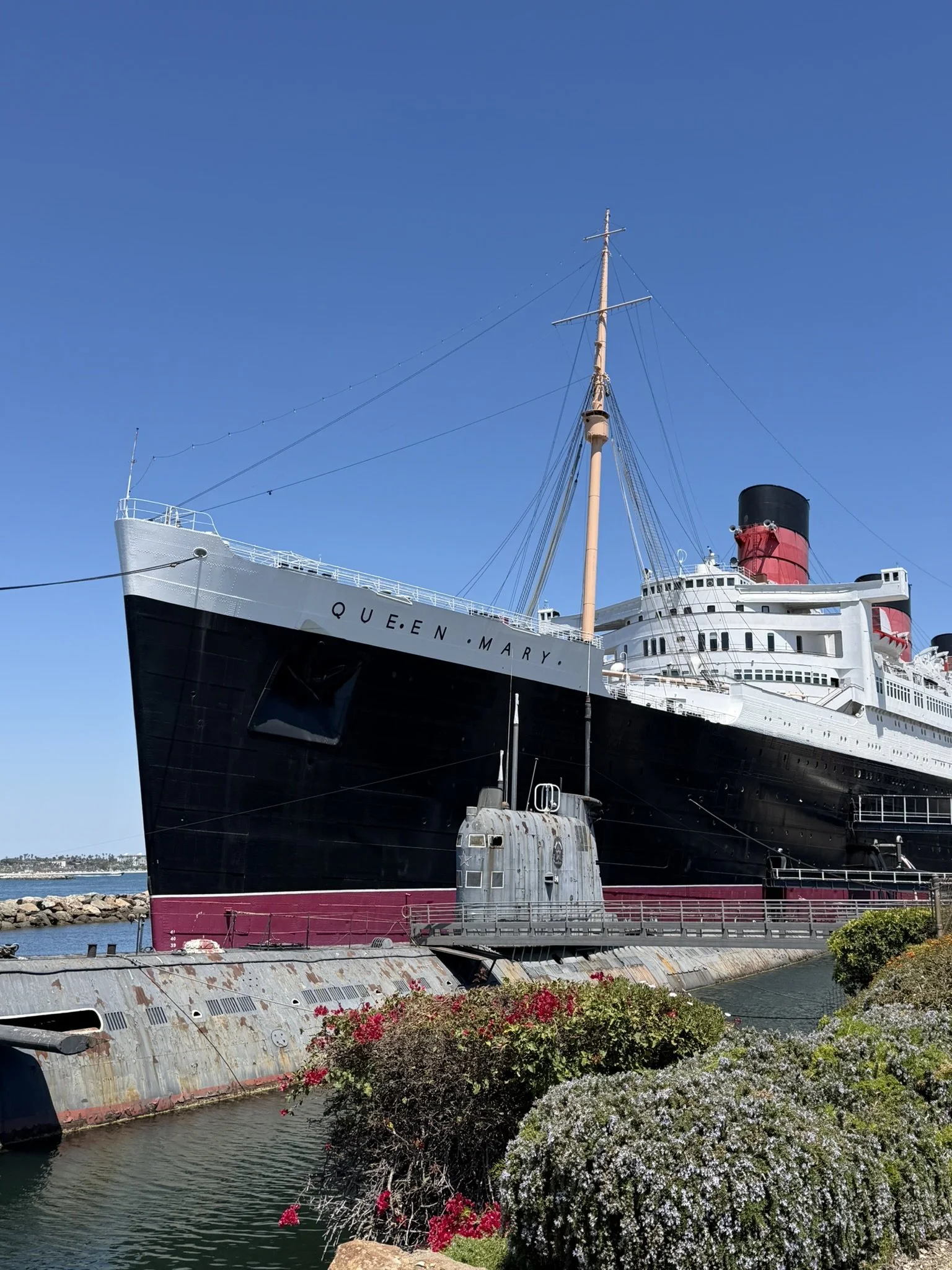
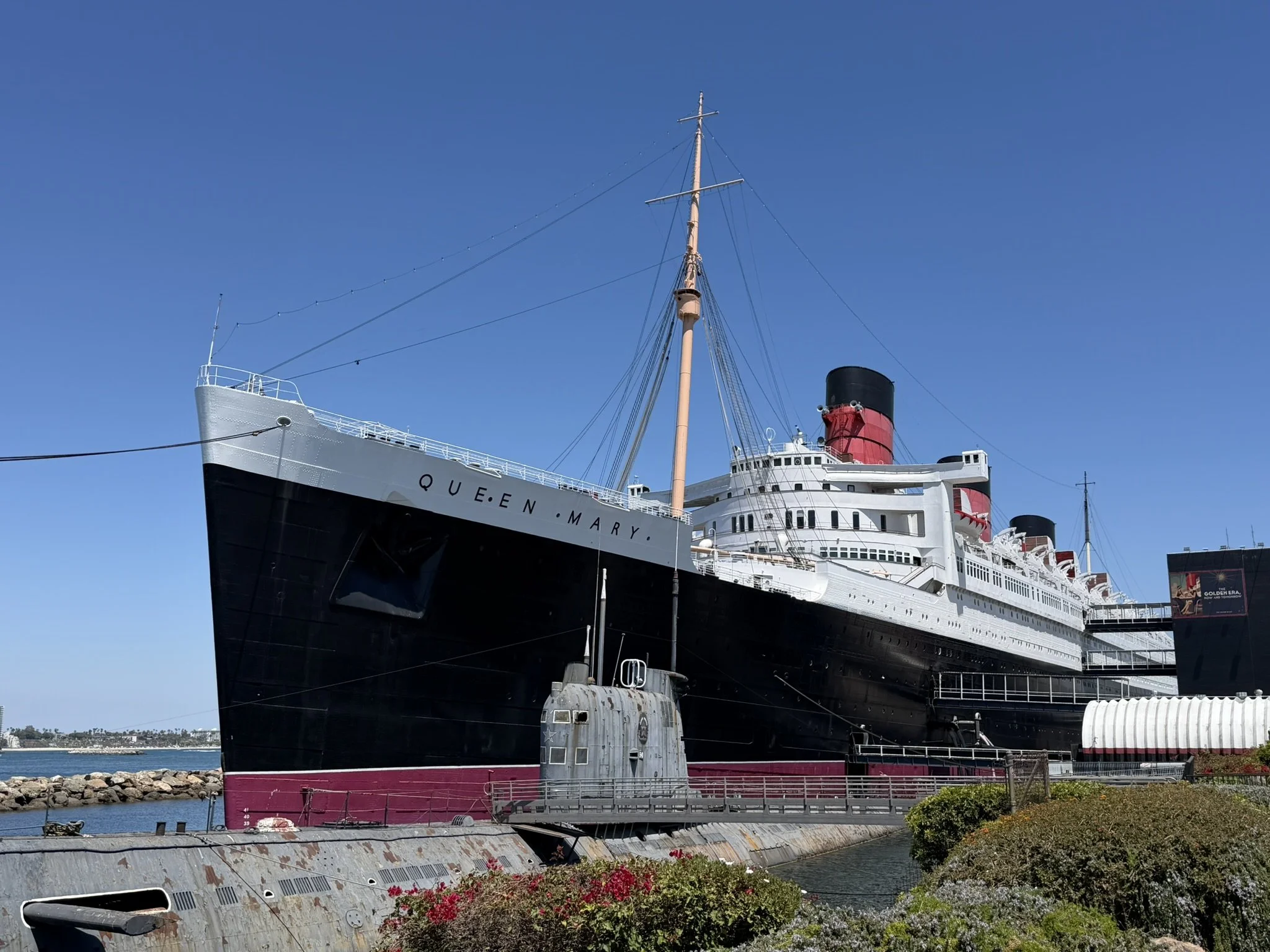
Entering service in 1936, RMS Queen Mary became one of the most famous ocean liners of the 20th century. Built for Cunard White Star's transatlantic service between Europe and New York, she later served as a troopship during World War II before returning to passenger service. Retired in 1967, the liner has been permanently preserved in Long Beach, California.
Information List
Name: RMS Queen Mary
Operator in Service: Cunard White Star / Cunard Line
Year Entered Service: 1936
Shipyard: John Brown & Company, Clydebank, Scotland
Length: 1,019 feet (311 meters)
Beam: 118 feet (36 meters)
Gross Tonnage: 81,237 GRT
Original Passenger Capacity: Approximately 2,100
Crew: Approximately 1,100
Service Speed: Approximately 28.5 knots
Maximum Recorded Speed: More than 30 knots
Original Port of Registry: Liverpool, England
Retired: 1967
Current Location: Long Beach, California
History and Features
Construction and Entry Into Service:
RMS Queen Mary was built by John Brown & Company at Clydebank on the River Clyde in Scotland.
She was launched on September 26, 1934, and named by Queen Mary, wife of King George V.
The liner entered service in May 1936 on Cunard White Star's Southampton, Cherbourg, and New York route.
Together with RMS Queen Elizabeth, she helped Cunard compete for the prestigious North Atlantic passenger trade.
RMS Queen Mary captured the Blue Riband for the fastest average crossing of the North Atlantic in 1936 and regained it in 1938.
Design and Features:
The ship's three funnels and long, balanced profile became symbols of the golden age of transatlantic ocean travel.
Interiors combined traditional ocean-liner design with Art Deco influences and extensive use of woods from around the world.
First-class public rooms included large dining, lounge, ballroom, and observation spaces.
The ship was designed for regular high-speed crossings of the North Atlantic rather than modern recreational cruising.
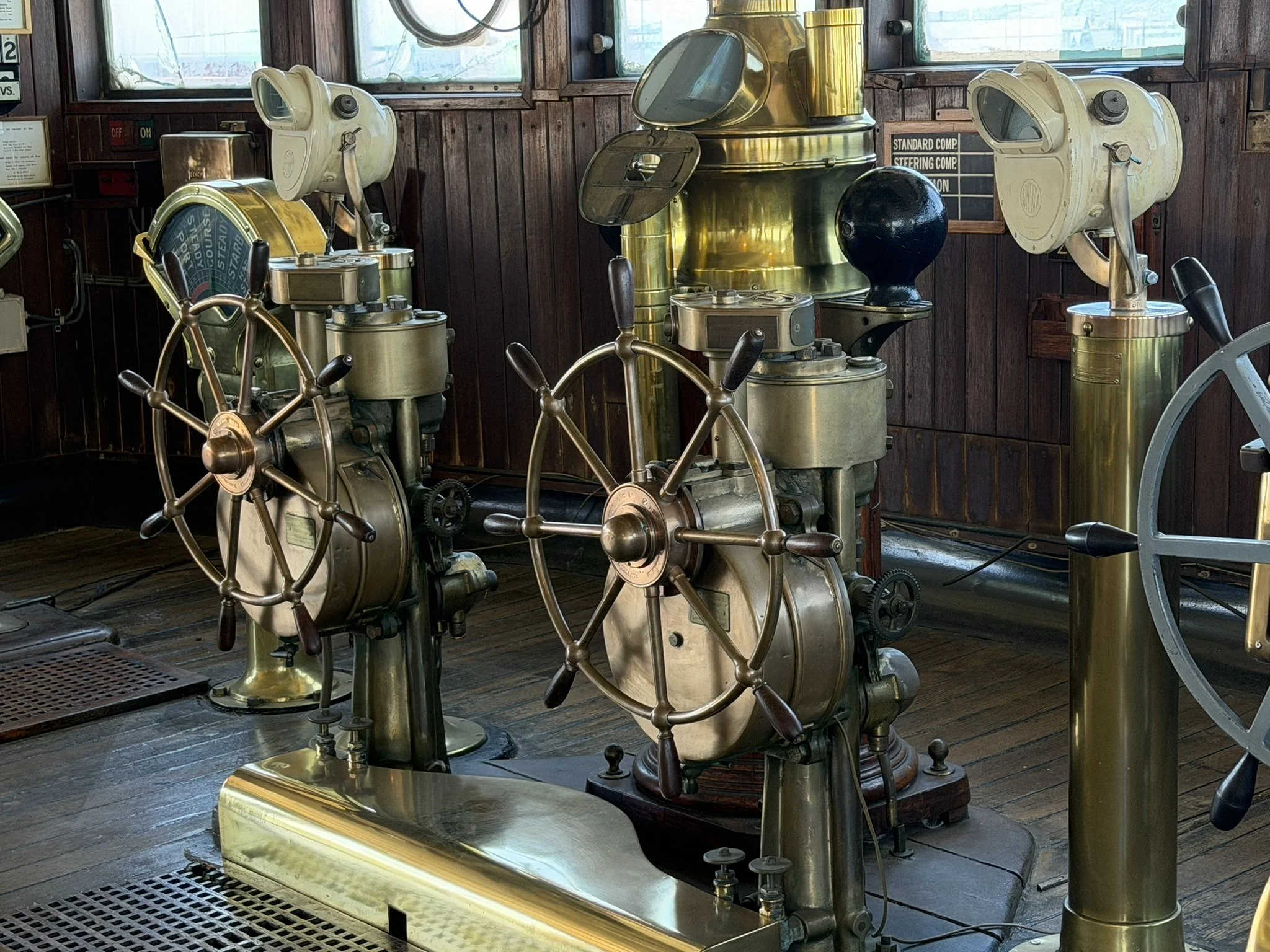
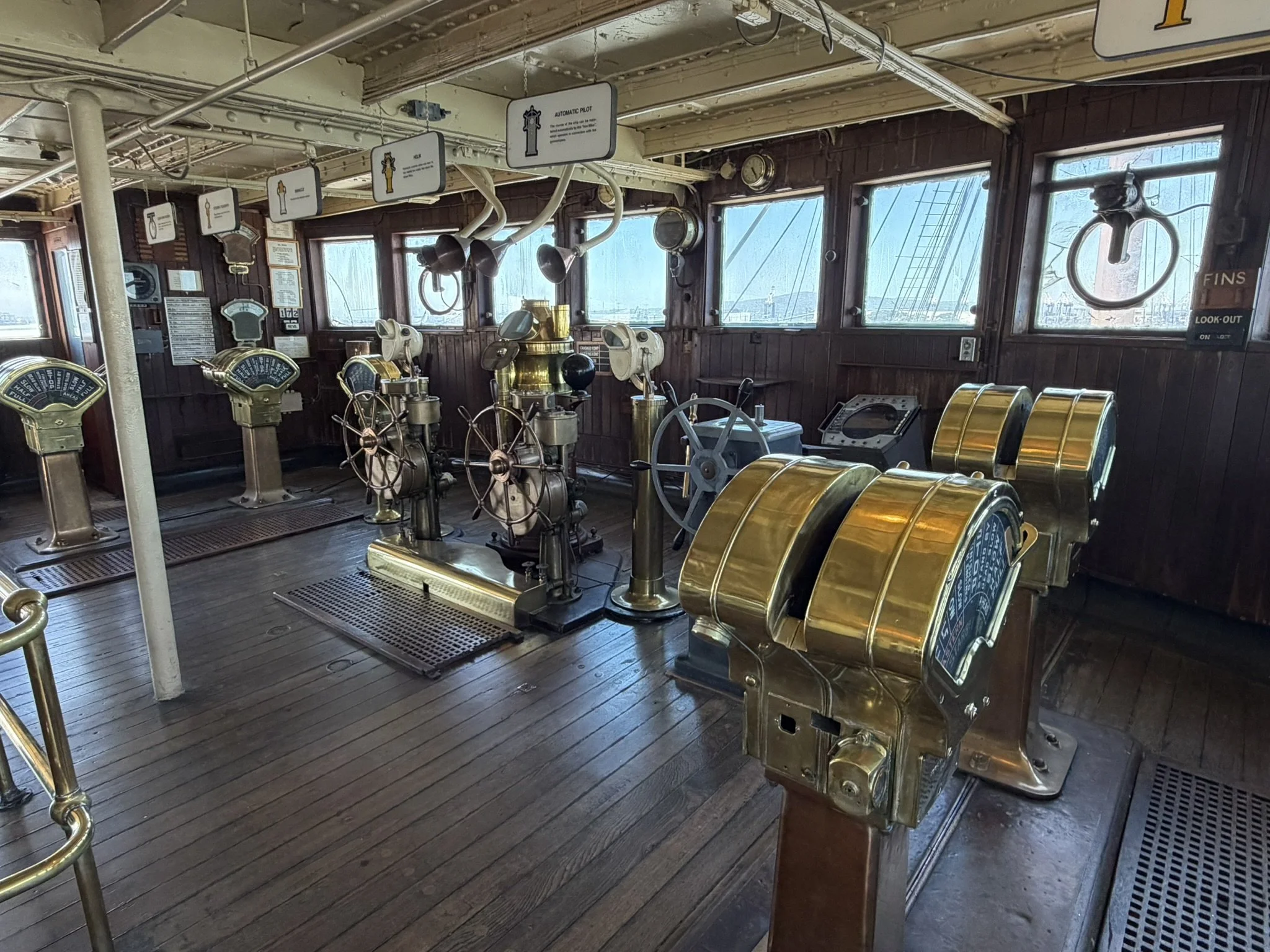
Much of her historic interior and machinery remains aboard the ship in Long Beach.
World War II:
With the outbreak of World War II, RMS Queen Mary was converted from a luxury liner into an Allied troop transport.
Her passenger interiors were adapted to carry thousands of troops, earning the ship the nickname "Grey Ghost."
During wartime voyages she transported Allied personnel around the world, frequently sailing at high speed without an escort.
In 1943, she carried more than 16,000 people on a single voyage, one of the largest numbers ever transported aboard one vessel.
After the war, the ship was returned to civilian configuration and resumed transatlantic passenger service.
Service:
RMS Queen Mary returned to regular passenger service in 1947.
She continued operating primarily between Southampton and New York alongside RMS Queen Elizabeth.
The growth of commercial jet aviation during the 1950s and 1960s gradually reduced demand for traditional transatlantic liner service.
Cunard retired RMS Queen Mary after more than three decades of service.
Her final voyage departed Southampton on October 31, 1967, and ended in Long Beach on December 9.
Long Beach:
The City of Long Beach purchased RMS Queen Mary and converted the retired liner into a permanently moored hotel, attraction, and event venue.
She has remained at the same location in Long Beach since her arrival in December 1967.
Many original areas of the ship have been preserved, while others were adapted for hotel rooms, restaurants, exhibits, and events.
The ship has become a prominent part of the Long Beach skyline and one of the best-known surviving historic ocean liners.
As of 2026, RMS Queen Mary remains open to visitors while preservation and restoration work continues aboard the ship.
Legacy:
RMS Queen Mary is one of the most historically significant surviving passenger ships in the world.
Her career spans the great prewar transatlantic liners, World War II troop transport service, the postwar passenger era, and nearly six decades of preservation in Long Beach.
Her rivalry with the French liner Normandie helped define the competition for speed and prestige on the North Atlantic during the 1930s.
Preservation in Long Beach has allowed generations of visitors to experience an ocean liner from an era when ships were the primary means of passenger transportation between Europe and North America.
OLP Social: Ninety years after her maiden voyage, she remains at her Long Beach berth as a preserved ocean liner, hotel and link to the great days of Atlantic travel.
OLP Social 2: Built by John Brown & Company in Scotland, she entered service in May 1936, linking Southampton, Cherbourg and New York for Cunard White Star.
OLP Social 3: At 1,019 feet long and 81,237 gross register tons, she carried about 2,100 passengers with 1,100 crew during her years of regular North Atlantic service.
OLP Social 4: Her three funnels and Art Deco interiors recall the liner era, while her Long Beach home has preserved that history since her final arrival in December 1967.