QUEEN MARY 2
February 23, 2006 | Long Beach, California
Queen Mary 2 (Cunard) entered Long Beach Harbor on February 23, 2006, for her historic first meeting with RMS Queen Mary. Thousands gathered around the harbor and hundreds of boats took to the water as Cunard’s modern flagship approached her legendary namesake, bringing together two generations of transatlantic ocean liners during Queen Mary 2’s first visit to the U.S. West Coast.
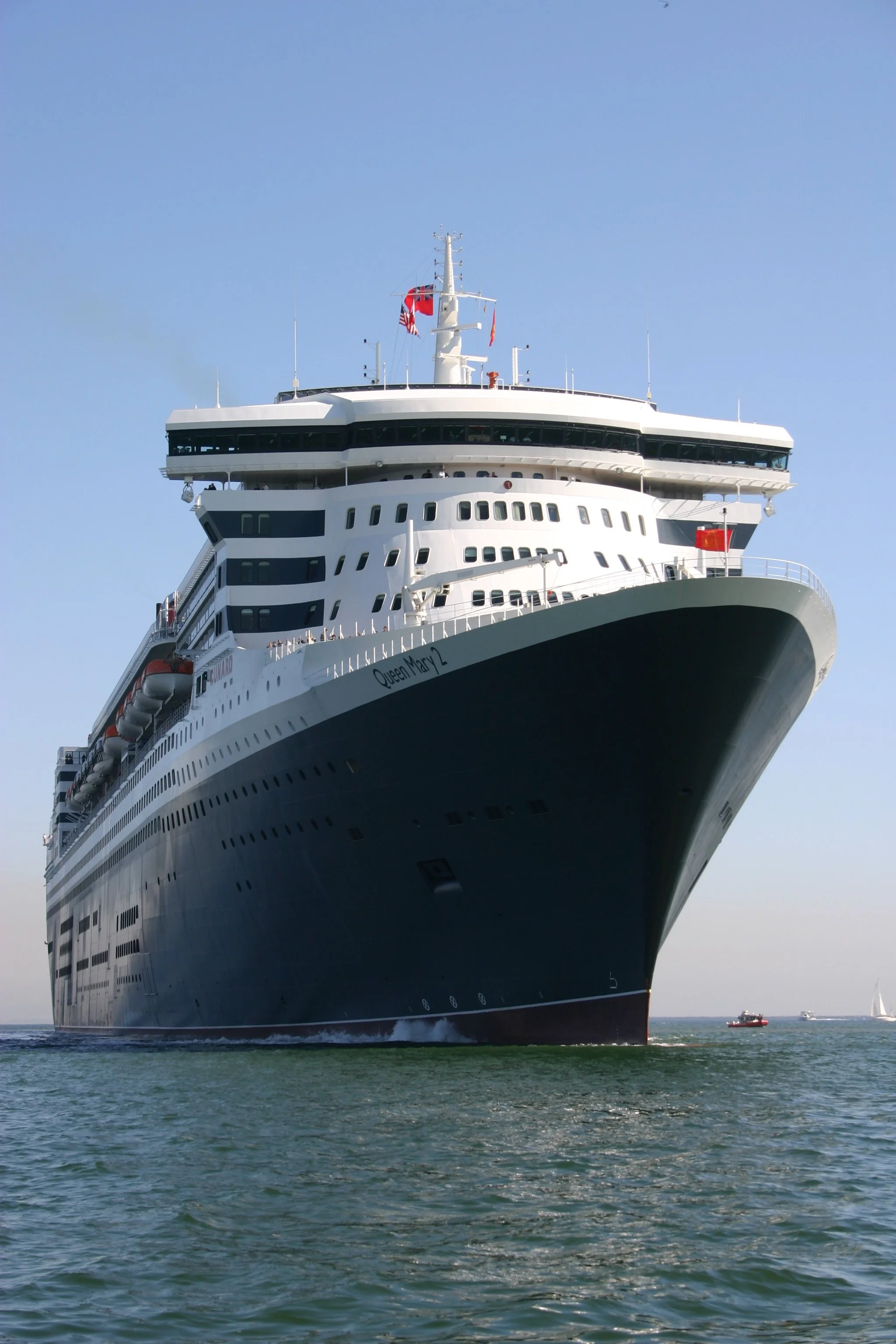
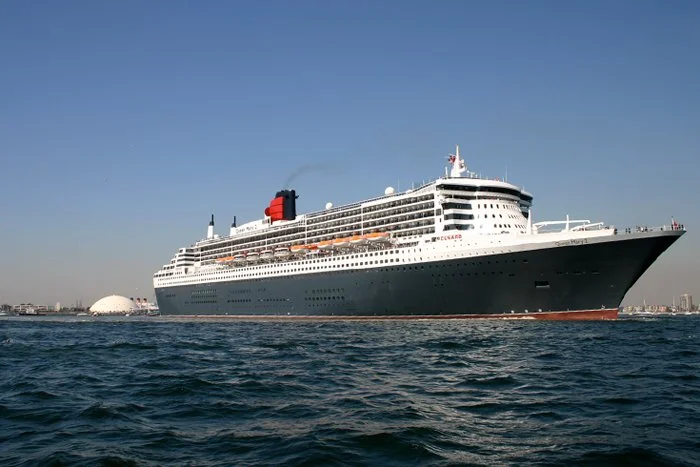
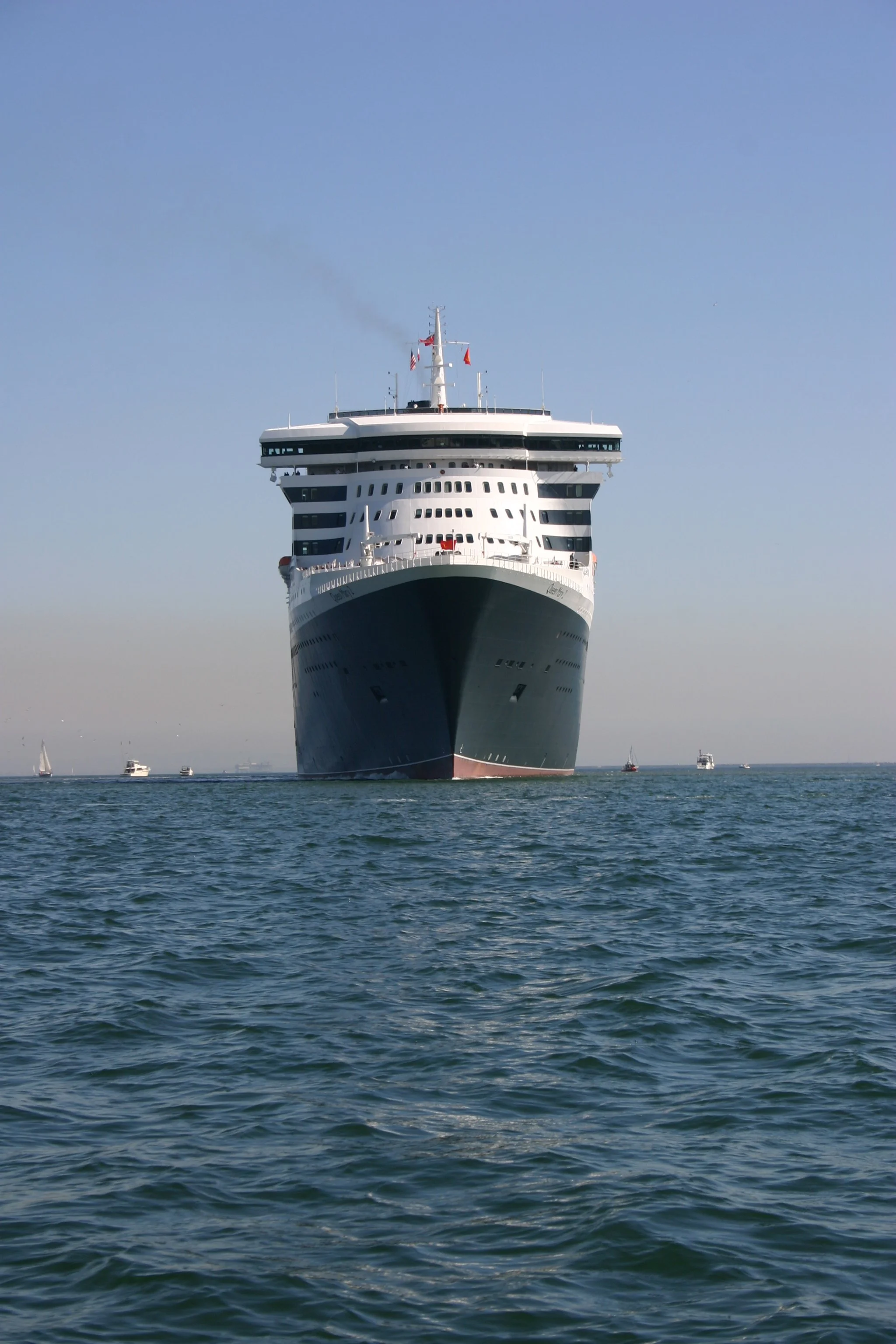
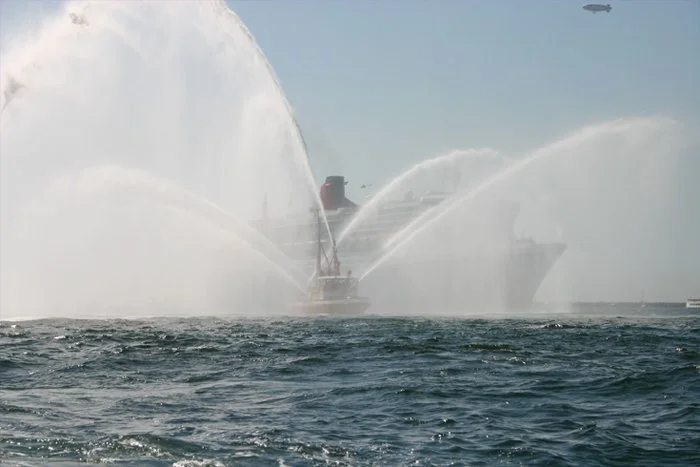
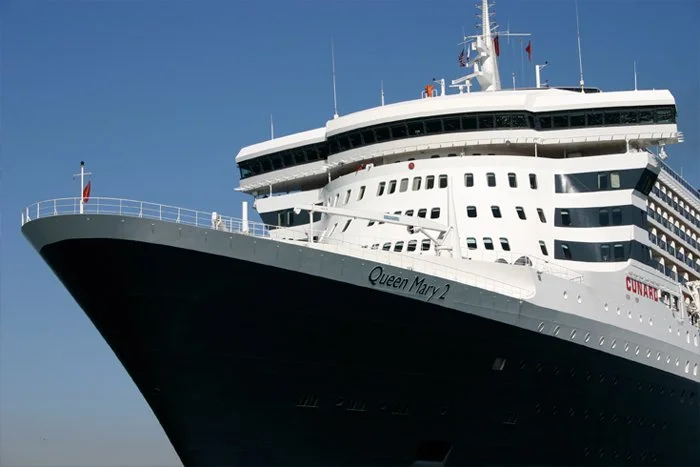
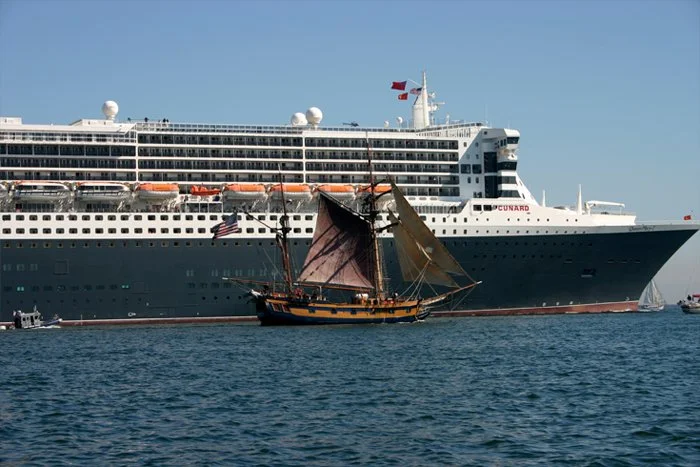
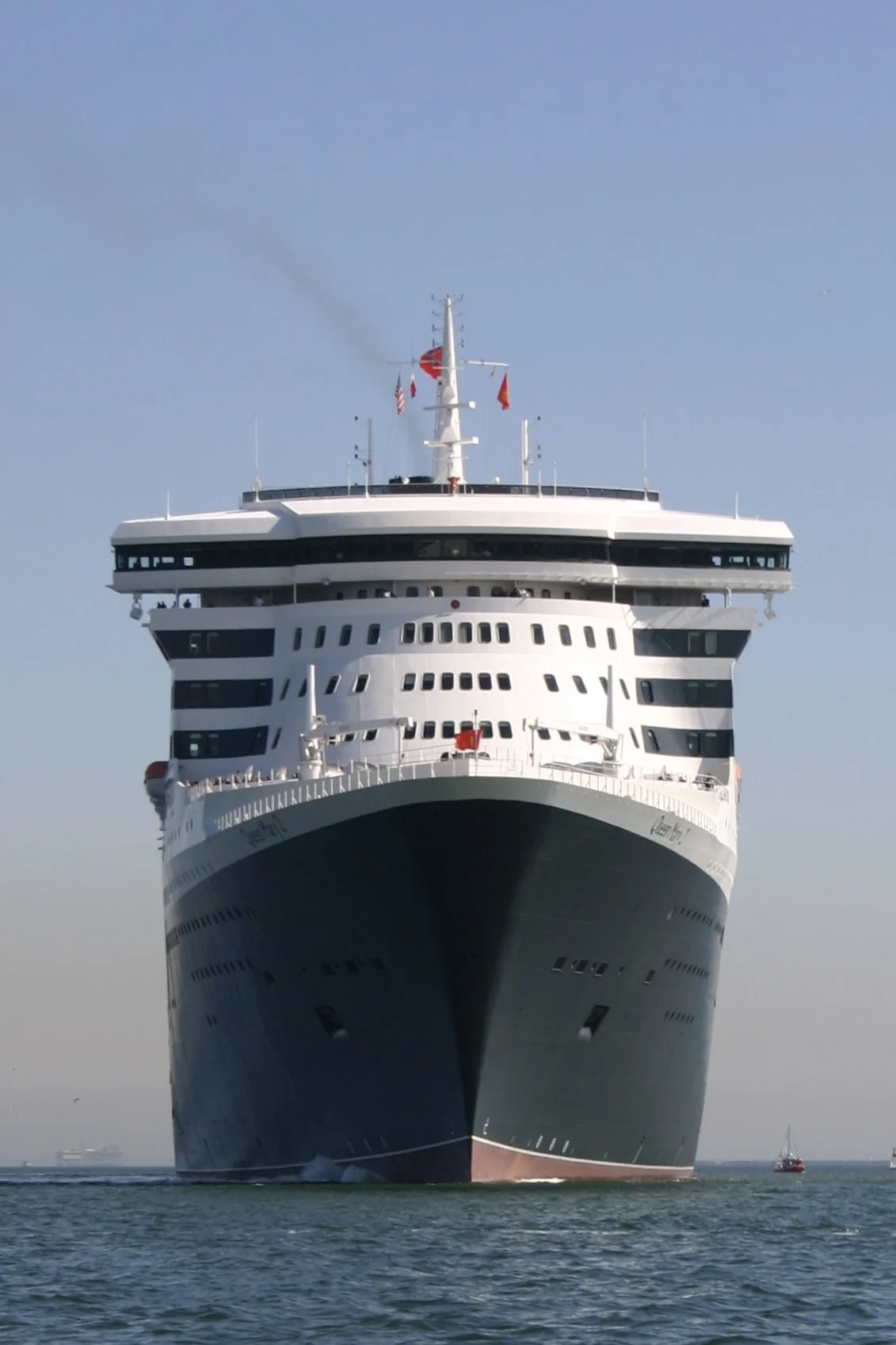
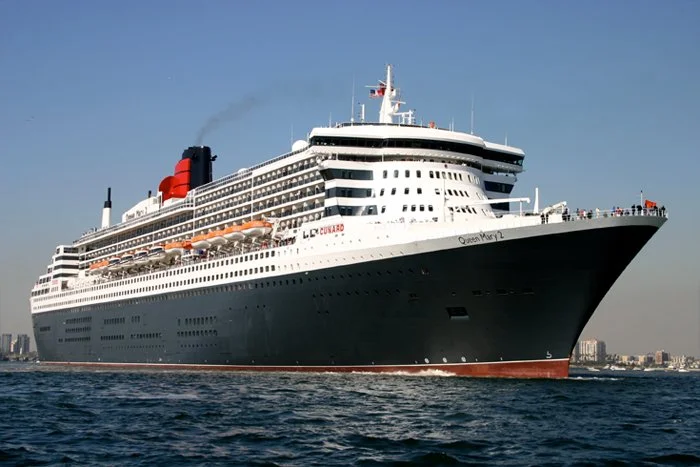
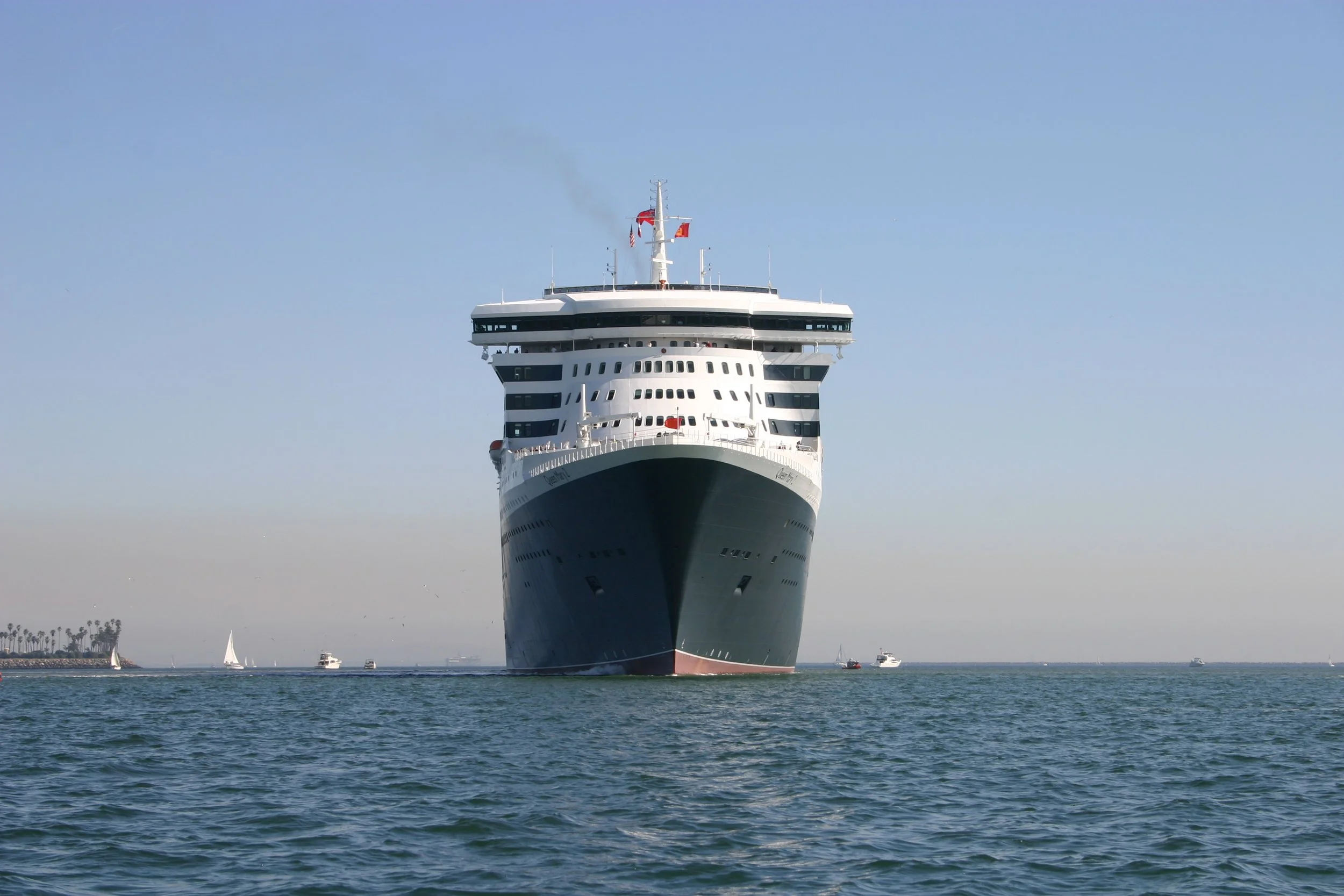
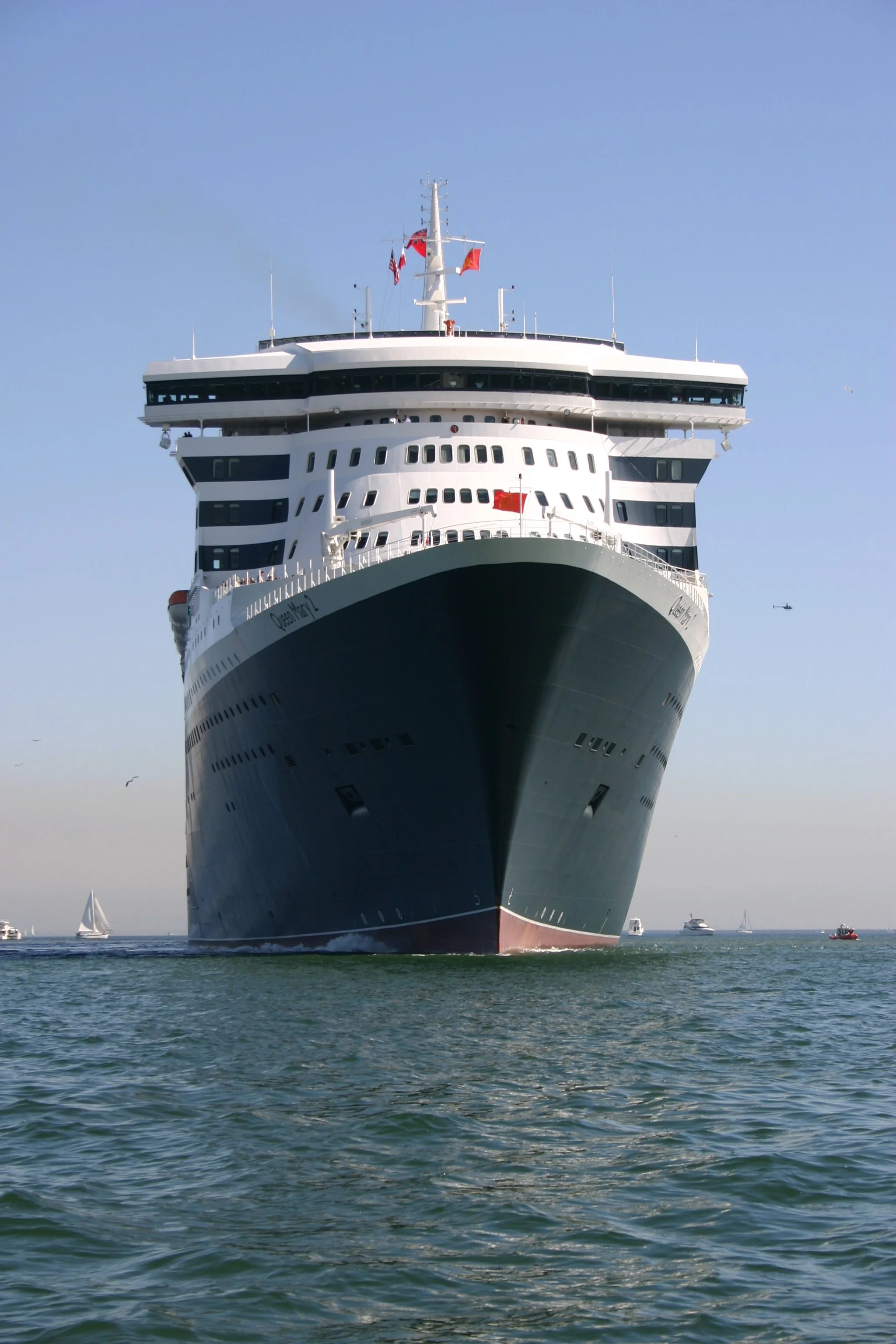
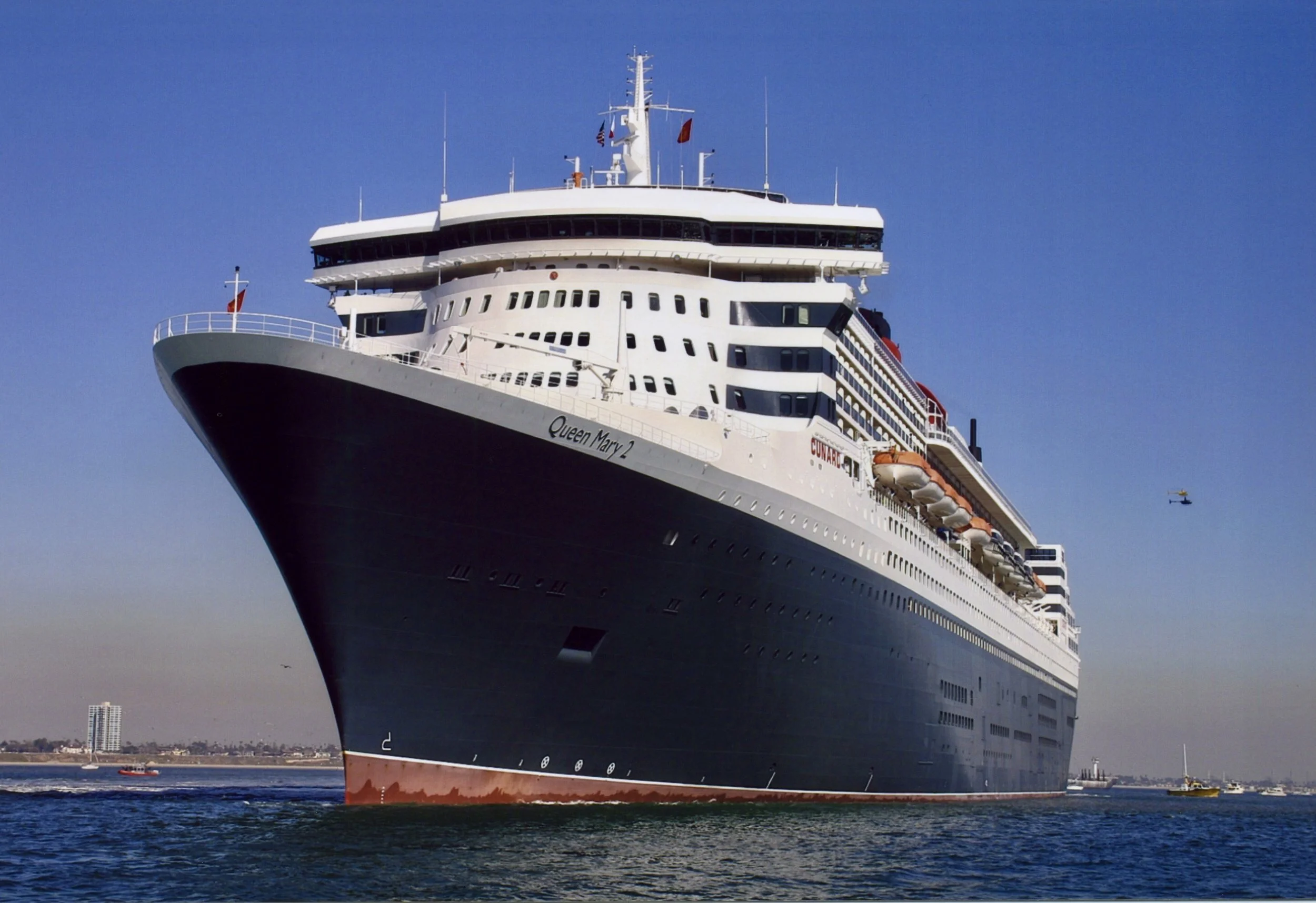
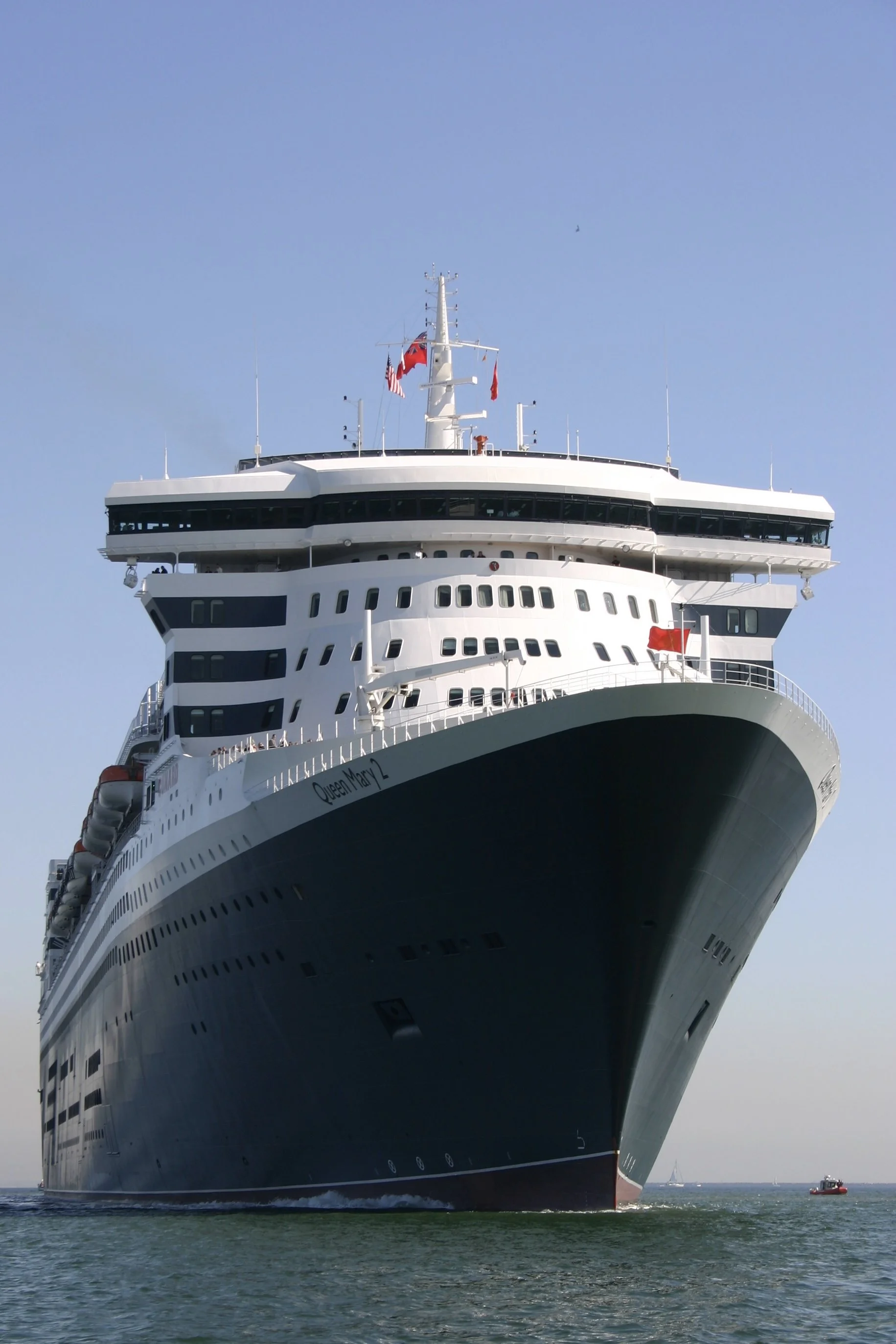
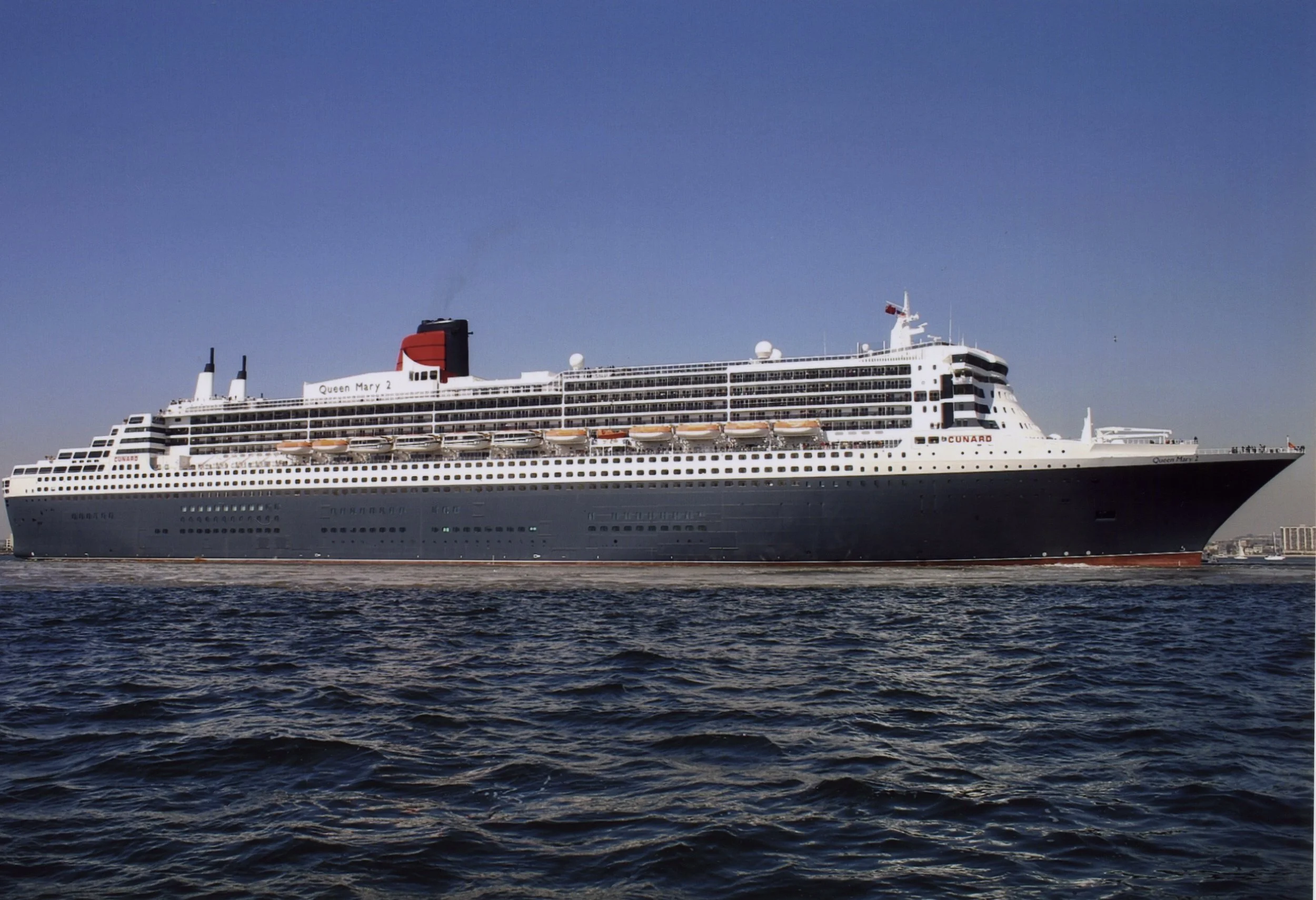
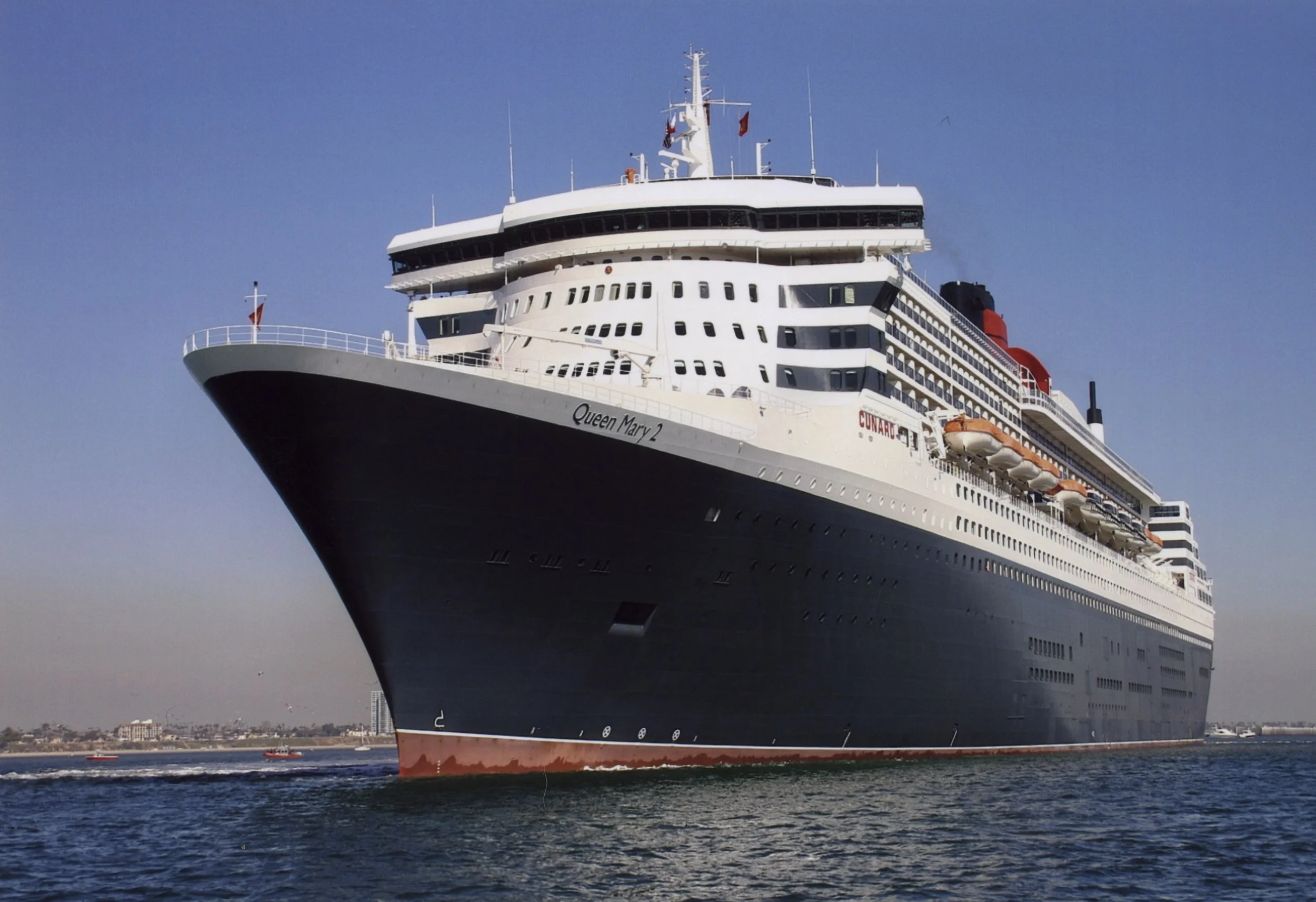
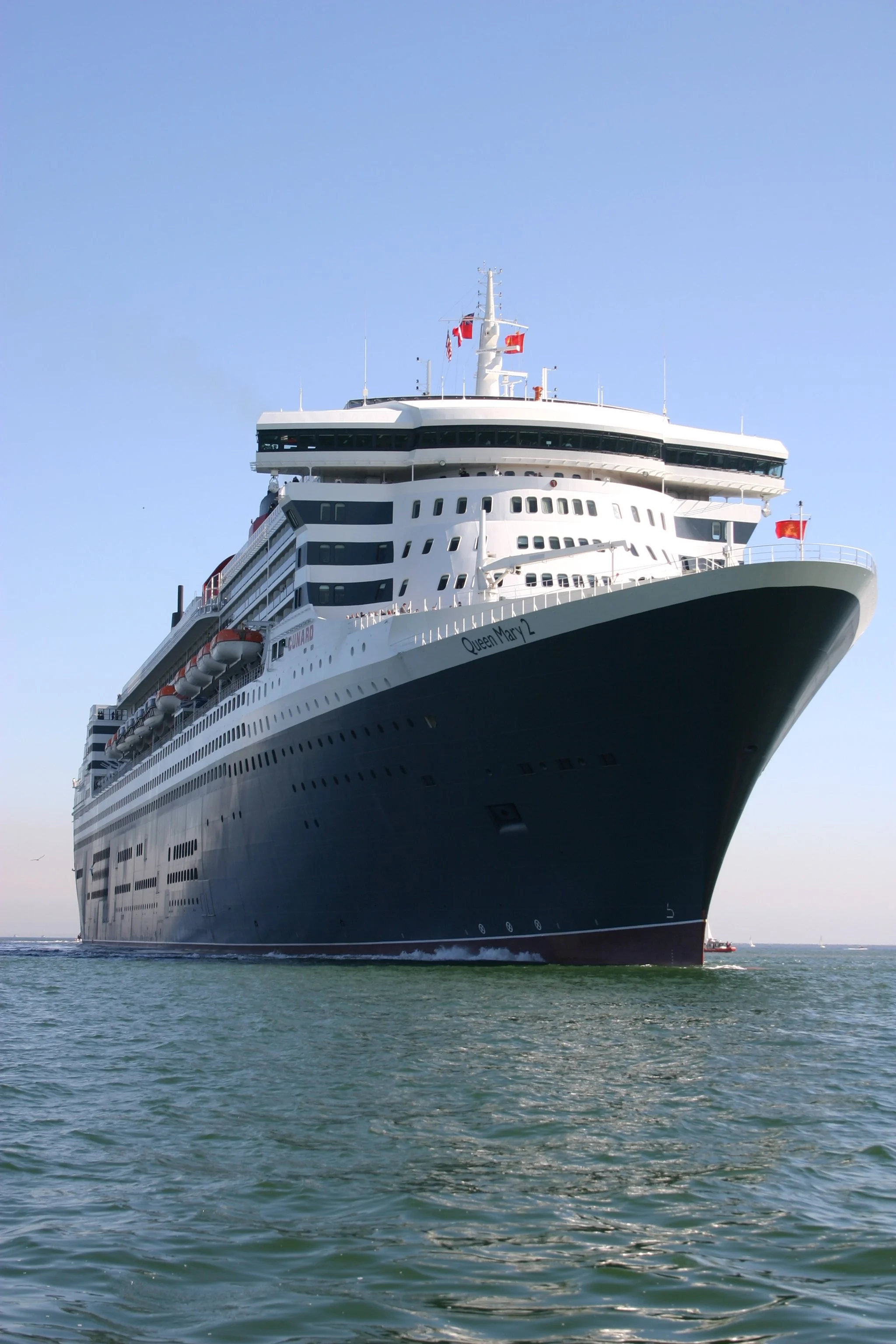
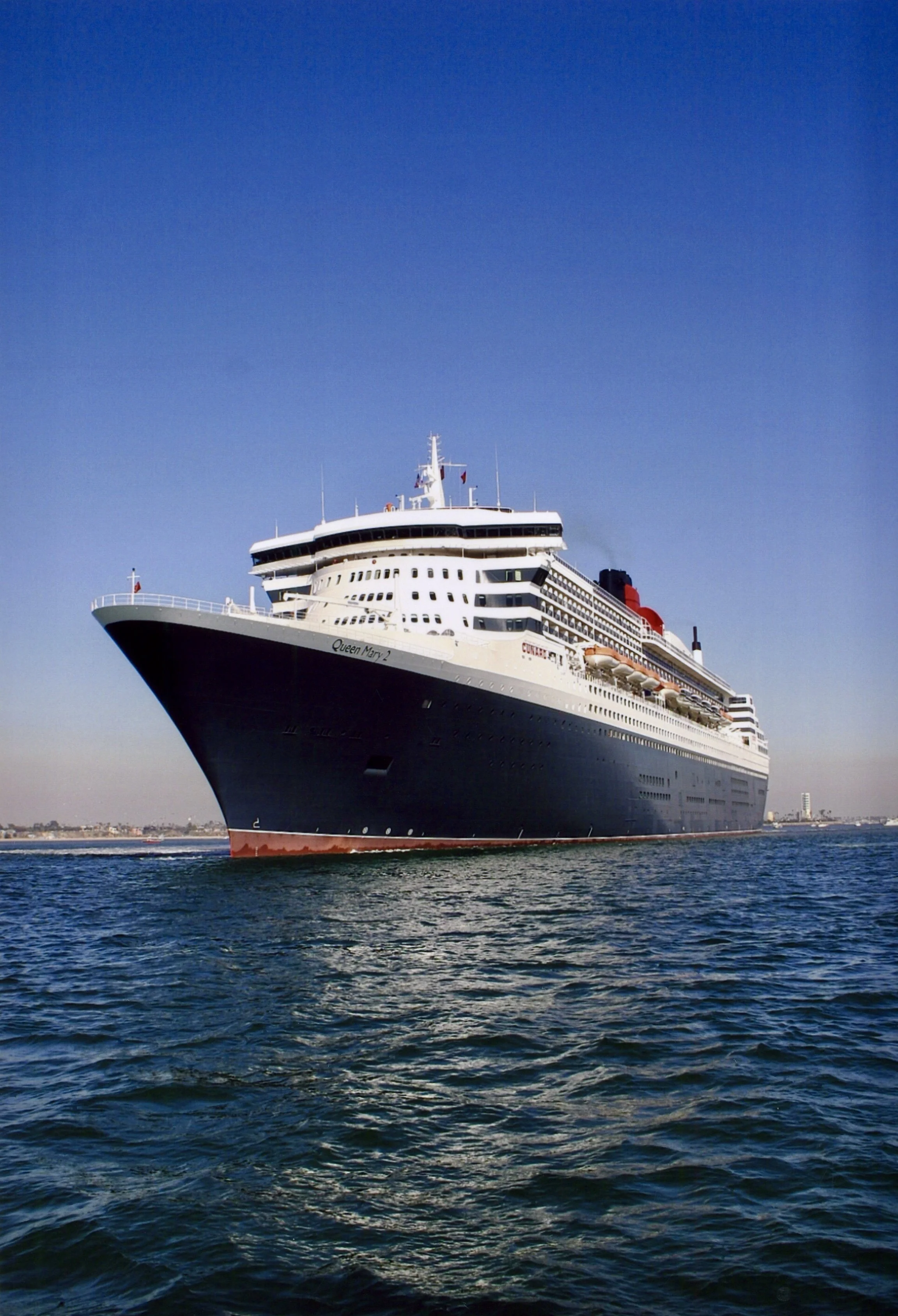
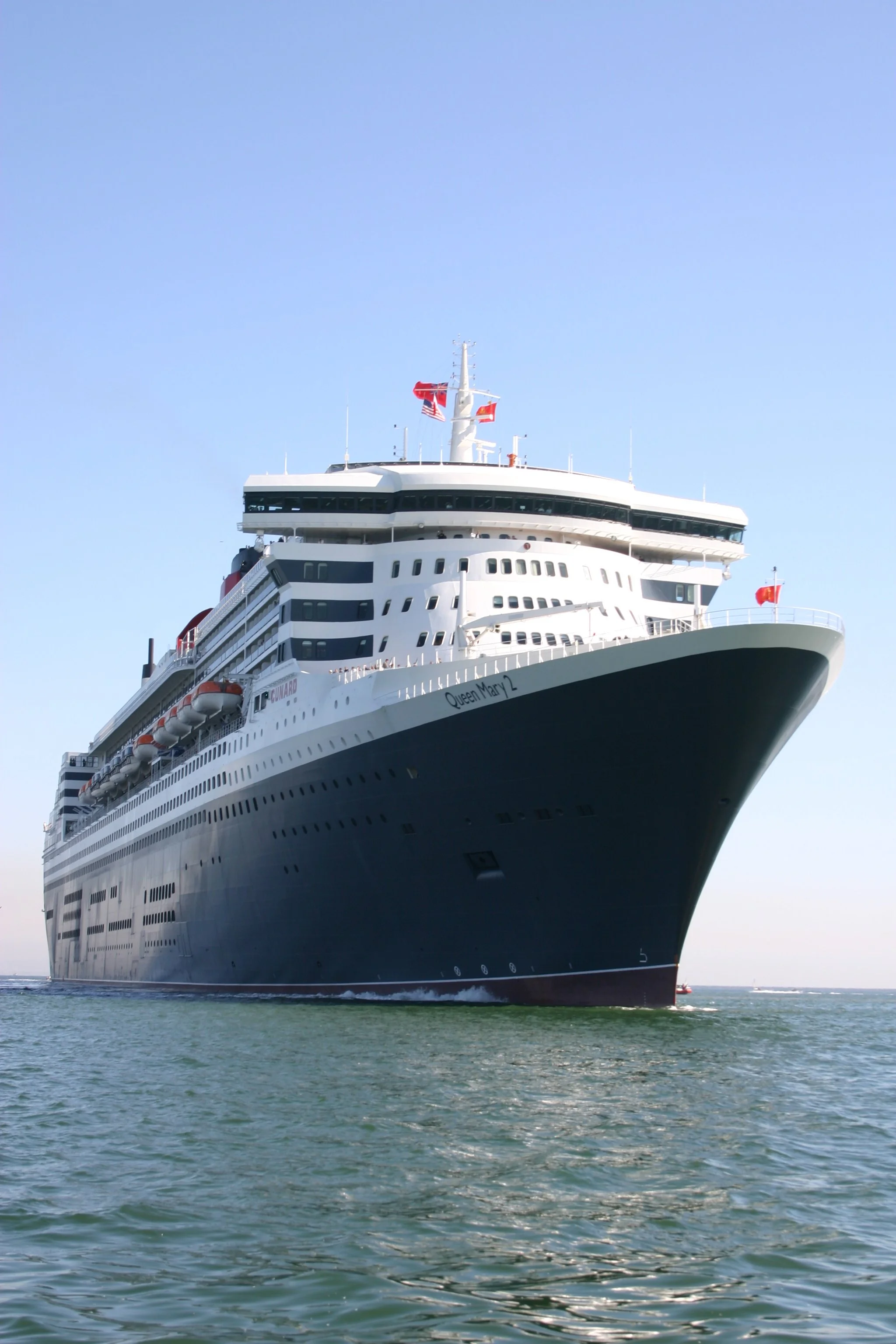
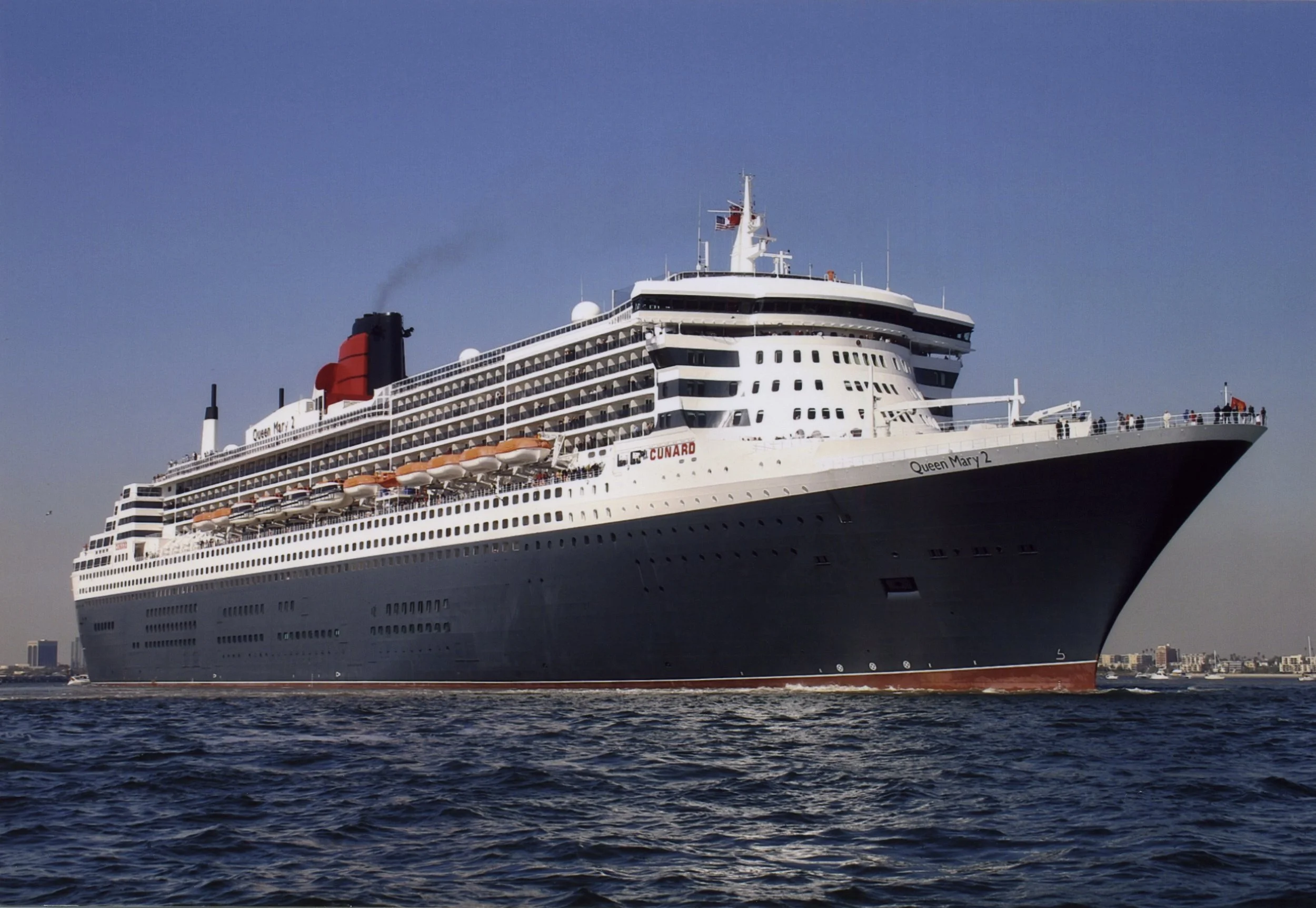
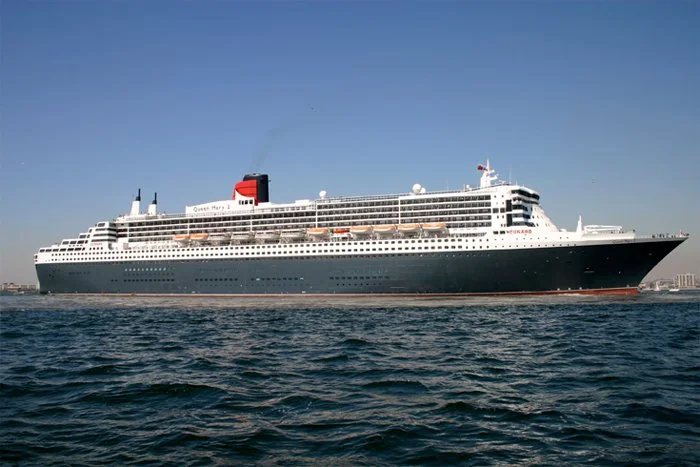
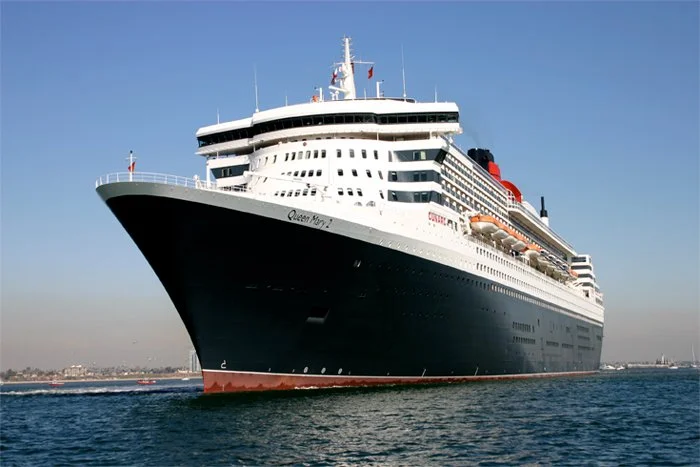
Queen Mary 2 made maritime history in Long Beach on February 23, 2006, when Cunard’s modern flagship entered the harbor for her first meeting with RMS Queen Mary. Built by Chantiers de l’Atlantique in Saint-Nazaire, France, and entering service in 2004, Queen Mary 2 was created to continue Cunard’s traditional transatlantic liner service while also undertaking cruises and extended voyages around the world. Her 2006 visit to Southern California brought the newest ship to carry the Queen Mary name face to face with the legendary 1936 liner whose career had helped define the golden age of transatlantic travel. The meeting became one of the most memorable maritime events in Long Beach since Queen Mary arrived there permanently in 1967.
Information List
Name: Queen Mary 2
Operator: Cunard
Ship Type: Ocean liner
Builder: Chantiers de l’Atlantique, Saint-Nazaire, France
Yard Number: G32
Keel Laid: July 4, 2002
Launched: March 21, 2003
Delivered: December 26, 2003
Named: January 8, 2004
Godmother: Queen Elizabeth II
Maiden Voyage: January 12, 2004
Length: 1,132 feet / 345 meters
Beam: Approximately 131 feet / 40 meters at the waterline
Draft: Approximately 34 feet / 10.3 meters
Original Gross Tonnage: Approximately 148,500 GT
Current Gross Tonnage: Approximately 149,000 GT
Original Passenger Capacity: Approximately 2,620 at double occupancy
Service Speed: Approximately 28 knots
Maximum Speed: Approximately 30 knots
Propulsion: Integrated electric propulsion with four podded propulsors
Original Registry: Southampton, United Kingdom
Current Registry: Hamilton, Bermuda
IMO Number: 9241061
First West Coast Visit: February 2006
Los Angeles Arrival: February 22, 2006
Long Beach Rendezvous: February 23, 2006
Historic Significance: First meeting between Queen Mary 2 and RMS Queen Mary
History and Features
A New Ocean Liner for Cunard:
By the end of the twentieth century, almost all traditional scheduled ocean-liner services had disappeared as commercial aviation replaced passenger ships as the principal means of crossing the Atlantic.
Cunard remained committed to maintaining its historic Southampton–New York passenger route and began developing a successor to Queen Elizabeth 2.
Rather than construct a conventional cruise ship, Cunard commissioned a true ocean liner capable of maintaining relatively high speeds and operating safely and comfortably in the demanding conditions of the North Atlantic.
The project became Queen Mary 2, designed by a team led by naval architect Stephen Payne and constructed by Chantiers de l’Atlantique at Saint-Nazaire, France.
Construction began in 2002, and the ship was launched in March 2003.
Queen Elizabeth II named Queen Mary 2 at Southampton on January 8, 2004.
Her maiden voyage departed Southampton for Fort Lauderdale on January 12, beginning a career that combined scheduled transatlantic crossings with cruises and long-distance voyages around the world.
At the time of her completion, Queen Mary 2 was the largest passenger ship ever constructed and the largest ocean liner in history.
Designed for the North Atlantic:
Queen Mary 2 was engineered differently from conventional modern cruise ships because regular North Atlantic service was central to her purpose.
Her long bow, substantial freeboard, deep draft, reinforced structure, and powerful propulsion plant were designed for sustained operation in rough ocean conditions.
Lifeboats were positioned unusually high above the water to protect them from heavy seas.
Her propulsion system combined diesel generators and gas turbines supplying electricity to four podded propulsors.
Two fixed pods and two azimuthing pods provide both propulsion and maneuverability.
Her approximately 28-knot service speed allowed her to maintain transatlantic schedules beyond the normal operating speeds of most modern cruise ships.
These characteristics distinguish Queen Mary 2 as an ocean liner rather than simply a large cruise ship.
Queen Mary 2 and the Queen Mary Name:
Cunard selected the name Queen Mary 2 to establish a direct connection with the original Queen Mary, one of the most celebrated passenger ships of the twentieth century.
RMS Queen Mary entered service in 1936 and competed with the French liner Normandie for transatlantic prestige and the Blue Riband.
During World War II, Queen Mary was converted into a troopship and transported hundreds of thousands of Allied personnel.
She returned to civilian passenger service after the war and continued operating between Europe and North America until 1967.
After retirement, Queen Mary sailed to Long Beach, where she became a permanently preserved historic ship.
The original liner therefore survived long enough to witness the introduction of the ship specifically named as her modern successor.
Early Career of Queen Mary 2:
Queen Mary 2 entered service at a time when the ocean liner had largely disappeared from commercial transportation.
Her introduction attracted worldwide attention and renewed public interest in traditional ocean travel.
Cunard deployed her on transatlantic crossings between Southampton and New York while also using the ship for Caribbean cruises and extended international voyages.
In April 2004, only months after entering service, Queen Mary 2 met Queen Elizabeth 2 in Southampton for the first time.
As her career developed, meetings with other Cunard Queens became important ceremonial events, continuing a company tradition of bringing its major liners together when their schedules allowed.
First Visit to the U.S. West Coast – February 2006
Queen Mary 2 reached Southern California in February 2006 during her first voyage to the U.S. West Coast. The visit attracted exceptional interest because the world's largest ocean liner was arriving in a region rarely visited by ships of her size and because the voyage created the first opportunity for Queen Mary 2 to meet her historic namesake.
The visit also presented unusual navigational challenges.
Queen Mary 2 arrived at the Port of Los Angeles on February 22. Her height prevented her from passing beneath the Vincent Thomas Bridge, limiting the areas of the harbor available to the liner. Contemporary reports described the unusual maneuver required to place the enormous ship at her berth, including backing the liner into position.
The following day would bring the event that had generated even greater attention: the meeting of the two Queen Marys.
Meeting of Cunard Legends – February 23, 2006
On February 23, Queen Mary 2 left her Los Angeles berth and entered Long Beach Harbor to approach RMS Queen Mary.
It was the first time the two ships had ever met.
The occasion was promoted as a meeting of Cunard legends and drew enormous public interest throughout the harbor area.
Thousands of spectators gathered along the Long Beach waterfront and surrounding areas.
Contemporary reports estimated that hundreds of private boats and yachts entered the harbor to witness the meeting.
Fireboats accompanied the event with ceremonial water displays.
Aircraft and helicopters circled overhead.
Queen Mary 2 and Queen Mary exchanged whistle salutes across the harbor.
The enormous difference between the operational modern liner and the permanently moored historic ship created one of the most recognizable maritime scenes ever staged in Long Beach.
The encounter was especially significant because the ships represented two very different periods of Cunard history.
Queen Mary had been designed during the great interwar competition for the North Atlantic passenger trade and entered service in 1936.
Queen Mary 2 had been designed nearly seven decades later to ensure that the tradition of regularly scheduled Cunard transatlantic crossings survived into the twenty-first century.
Their meeting connected those two eras in a single harbor.
A Carefully Planned Harbor Maneuver
Bringing Queen Mary 2 into Long Beach Harbor required considerably more planning than a normal ceremonial ship visit.
The liner's approximately 34-foot draft limited how closely she could approach Queen Mary. Contemporary reports indicate that harbor pilots carefully surveyed the intended route before the visit and that only a small amount of under-keel clearance would remain in portions of the maneuvering area.
Queen Mary 2 therefore could not simply berth alongside her namesake.
Instead, the modern liner approached as closely as navigation and water depth safely permitted while the permanently moored Queen Mary remained at her Long Beach berth.
The physical separation between the ships became part of the visual character of the event, with Queen Mary 2 maneuvering in the harbor while her predecessor remained against the Long Beach skyline.
Two Generations of Ocean Liners
The meeting offered an unusual opportunity to compare two ships built for the same basic purpose almost seventy years apart.
Queen Mary was designed in the early 1930s to compete directly in the North Atlantic express passenger trade. Her steam turbines, long hull, powerful machinery, and elegant interiors represented the peak of prewar liner design.
Queen Mary 2 was created for the same ocean but under completely different economic and technological circumstances.
The newer liner is substantially larger, incorporates modern diesel-electric and gas-turbine power generation, podded propulsion, contemporary safety systems, balconies, and extensive cruise-oriented passenger facilities.
Despite those differences, both ships share proportions and design characteristics influenced by the demands of high-speed ocean service.
The February 2006 meeting therefore represented more than two ships sharing a harbor. It placed two generations of purpose-built transatlantic ocean liners together, with each representing the technological and social conditions of its own era.
Queen Mary 2 and RMS Queen Mary After 2006
The first meeting established a connection between Queen Mary 2 and Long Beach that continued to resonate long after the 2006 visit.
RMS Queen Mary remained permanently preserved in Long Beach while Queen Mary 2 continued her career crossing the Atlantic and operating voyages around the world.
During the following two decades, Queen Mary 2 became the last remaining ocean liner maintaining regularly scheduled transatlantic passenger service. Her role grew increasingly important as other ships associated with the traditional liner era disappeared or entered preservation.
The photographs from February 23, 2006, consequently gained additional historical value with time. They document Queen Mary 2 when she had been in service for only two years, alongside the liner whose name and legacy helped inspire her creation.
Twenty Years Later
The story did not end in 2006.
On February 2, 2026, almost twenty years after their first meeting, Queen Mary 2 returned to Long Beach during her World Voyage for another Royal Rendezvous with RMS Queen Mary.
The 2026 encounter took place during the year marking the 90th anniversary of Queen Mary's 1936 maiden voyage and renewed the visual connection established by the ships' first meeting in 2006.
For Ocean Liner Photography, the two events form an especially important historical record.
OLP Social: Thousands of spectators and hundreds of boats witnessed the first meeting of the two Queen Marys, as whistle salutes connected two generations of transatlantic liners during the newer ship’s first West Coast visit.