RMS QUEEN MARY
June 25, 2026 | Long Beach, California
RMS Queen Mary is seen from across Long Beach Harbor on June 25, 2026. Permanently moored in Long Beach since 1967, the former Cunard liner remains one of the most significant surviving passenger ships of the twentieth century and an enduring part of the city’s waterfront.
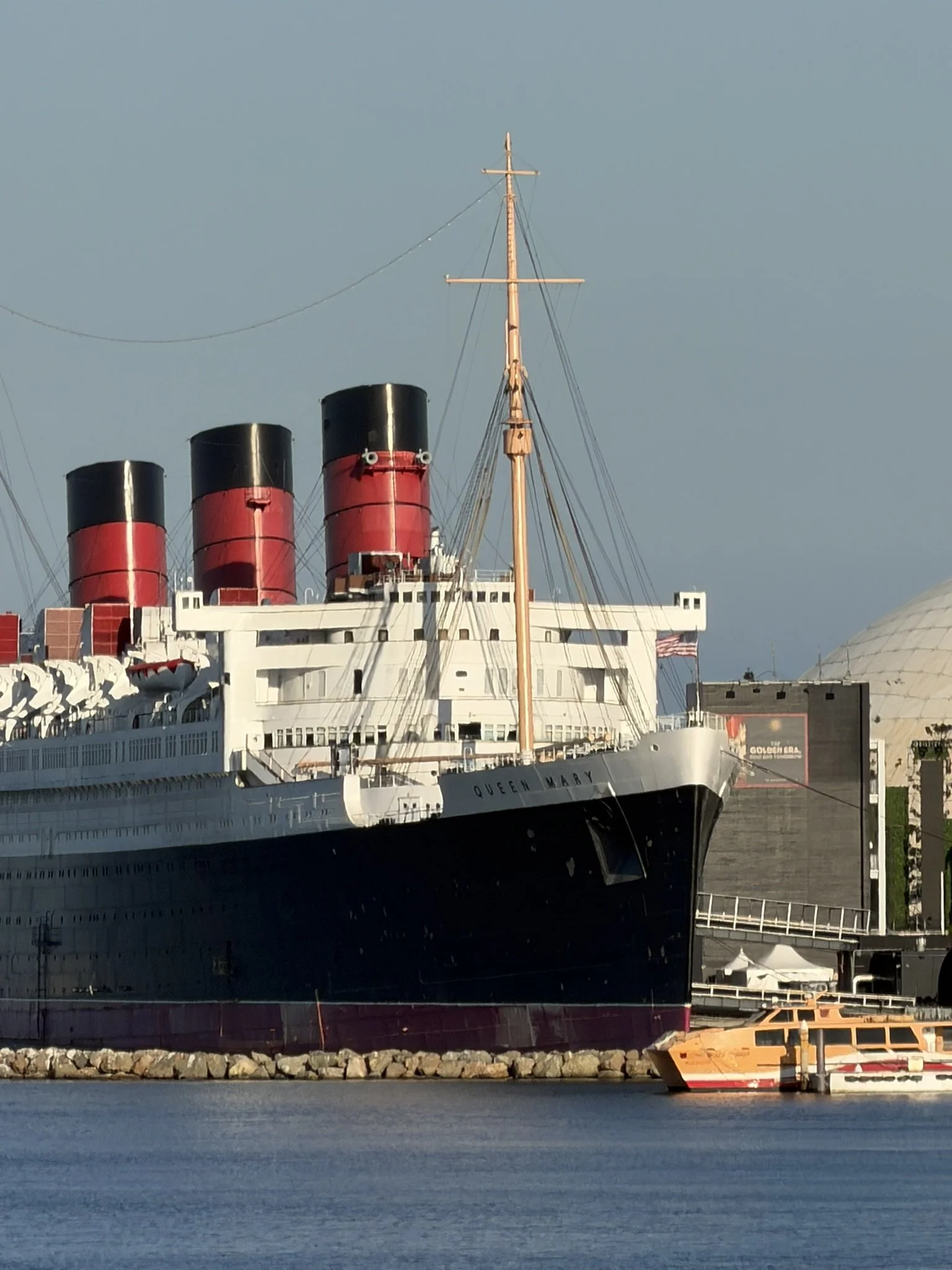
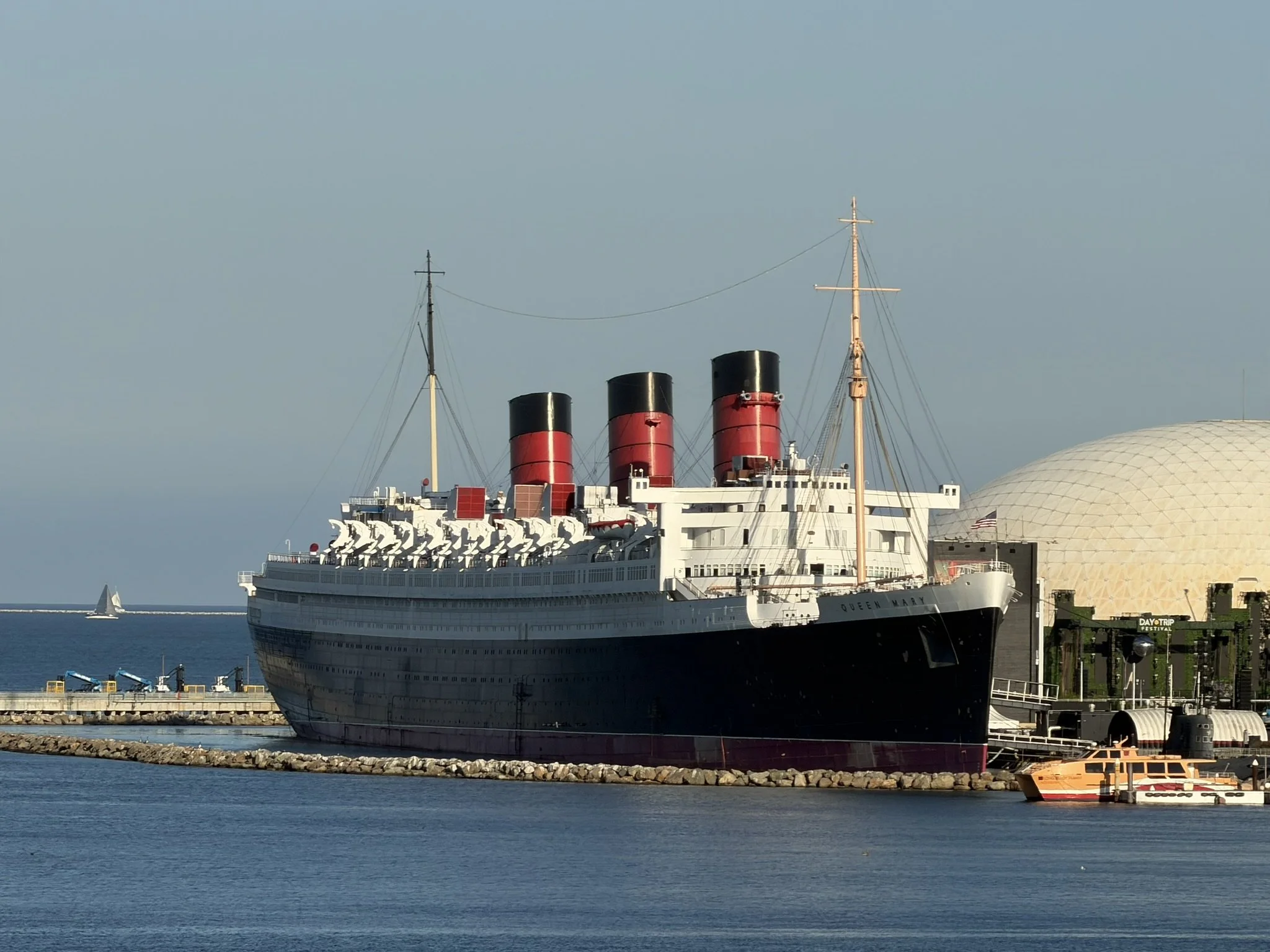
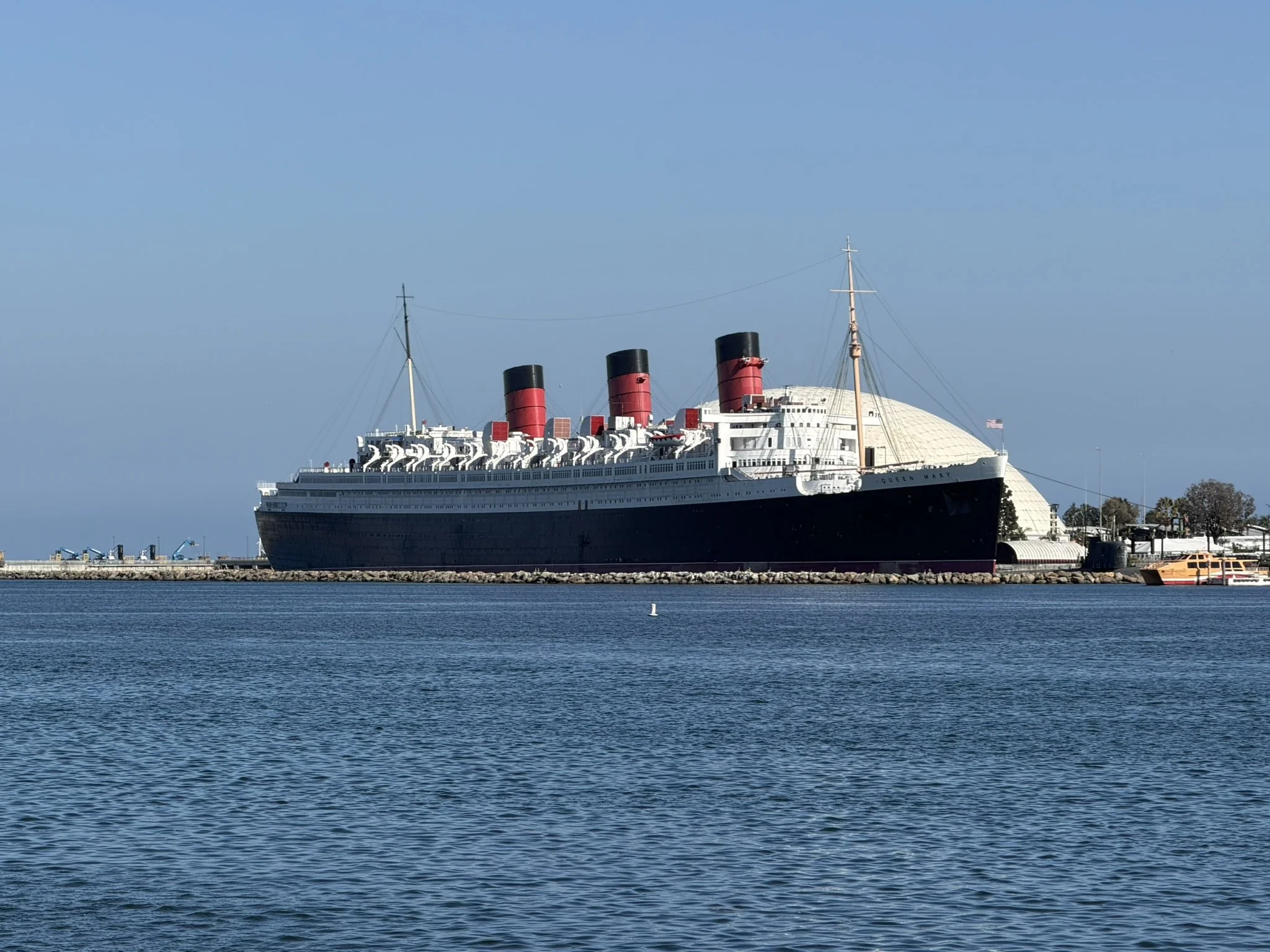
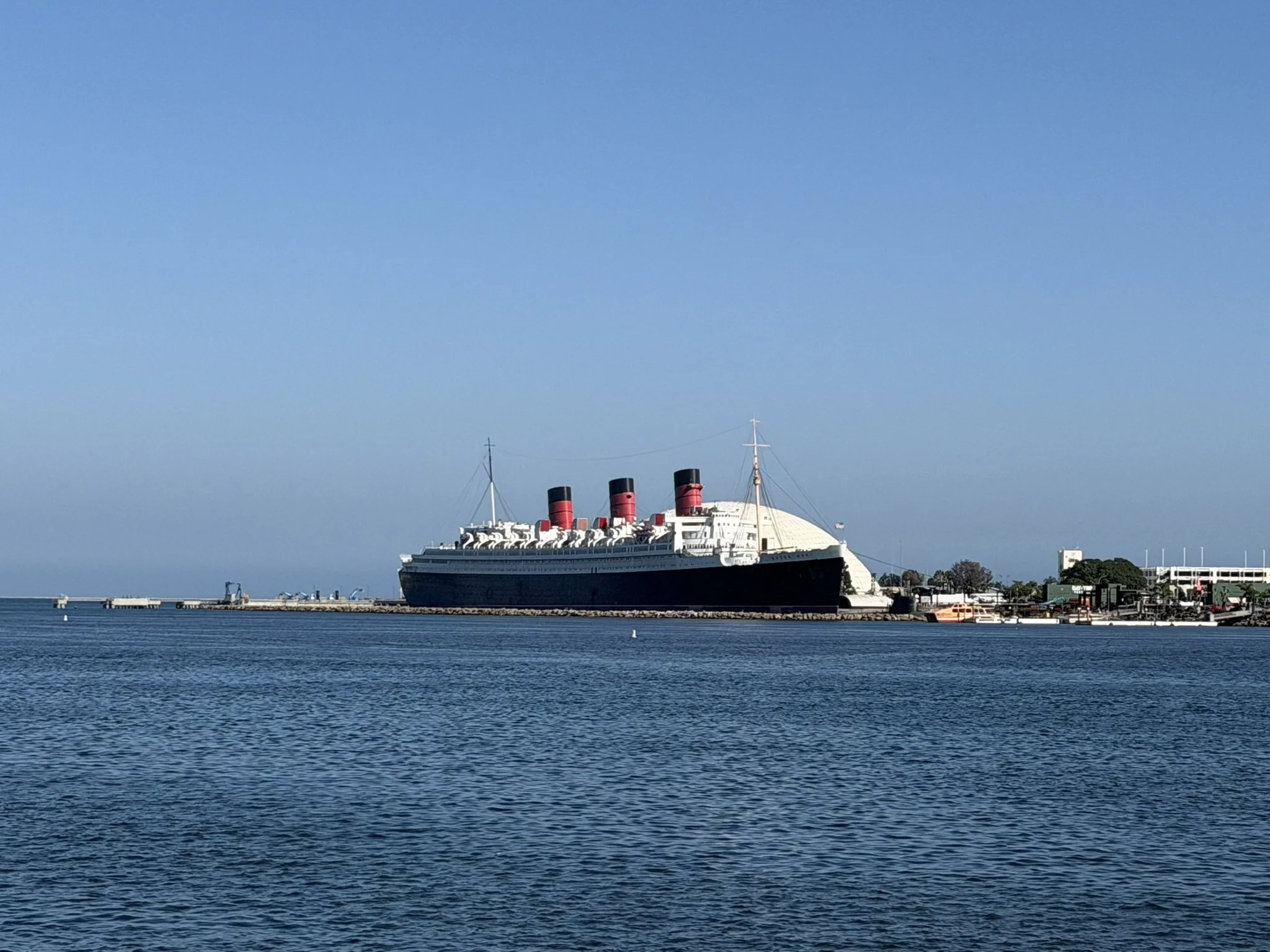
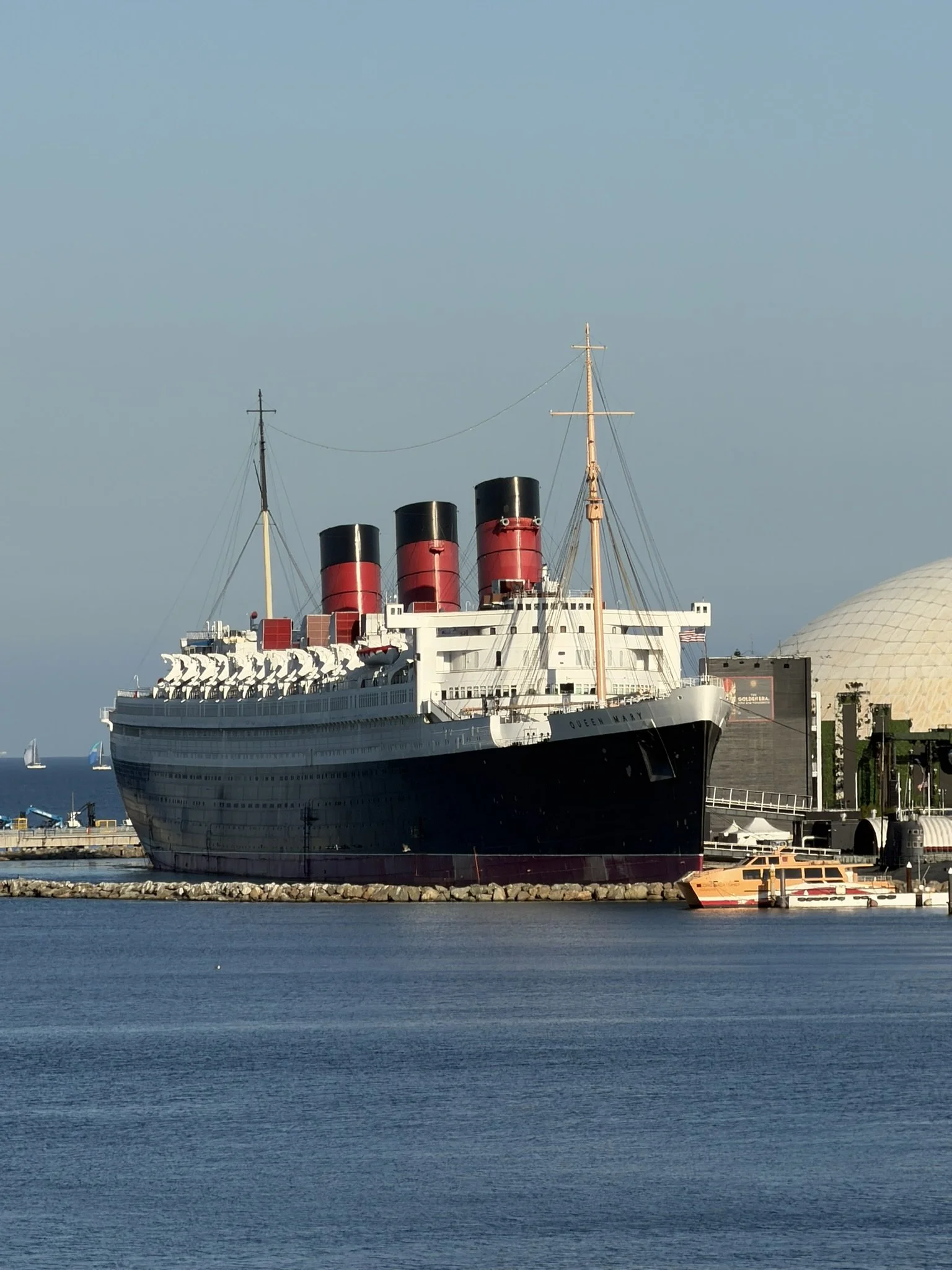
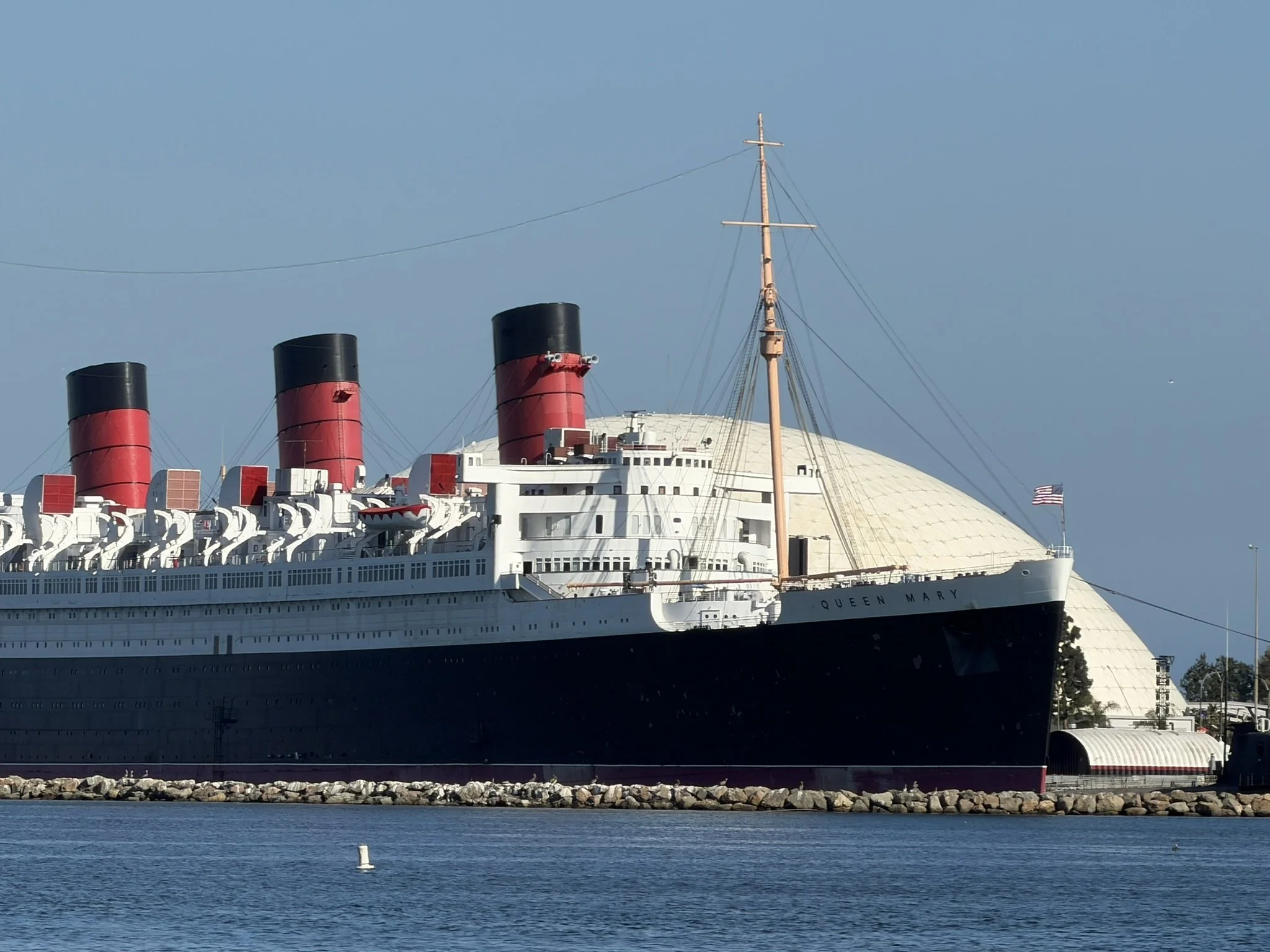
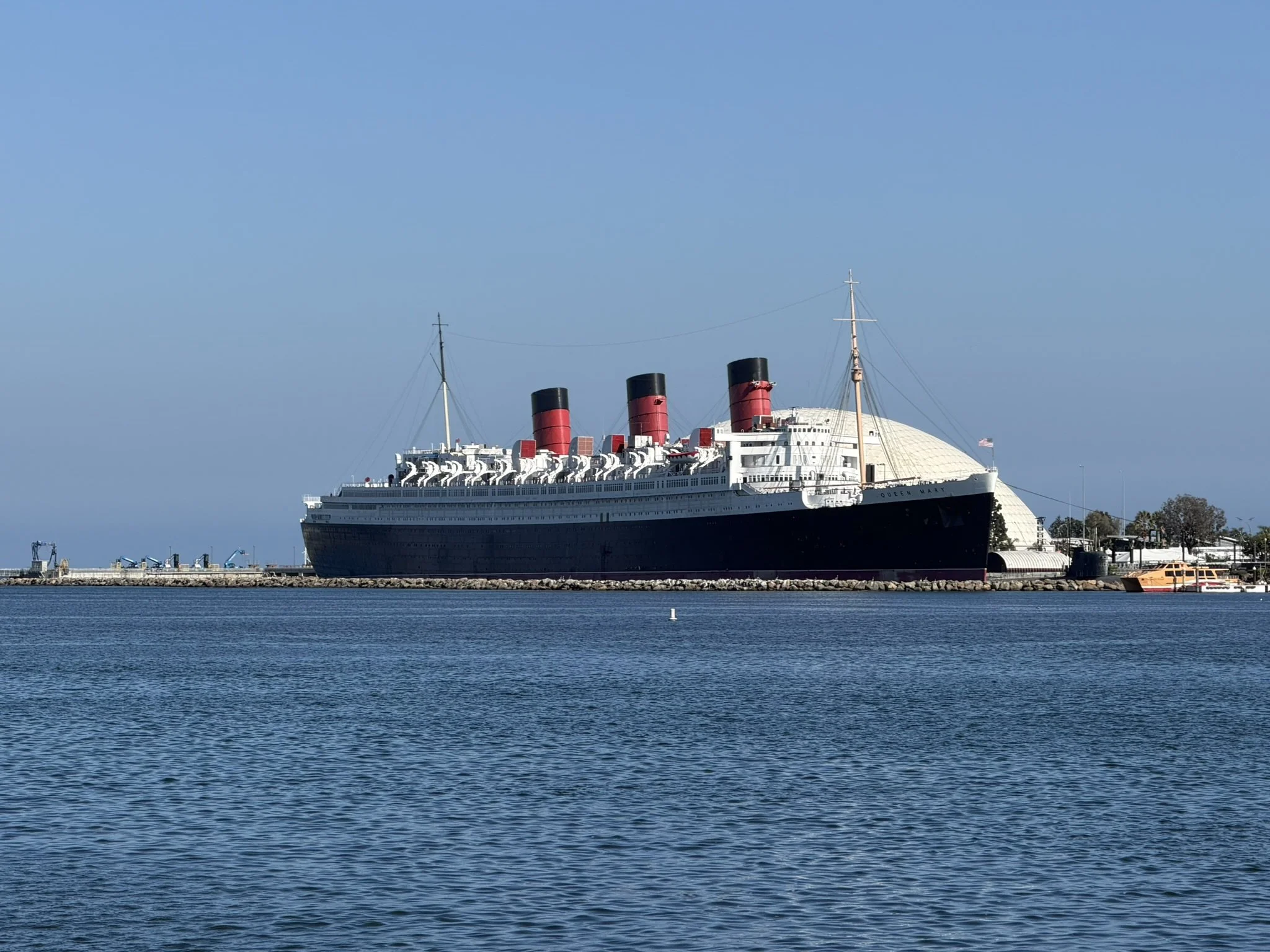
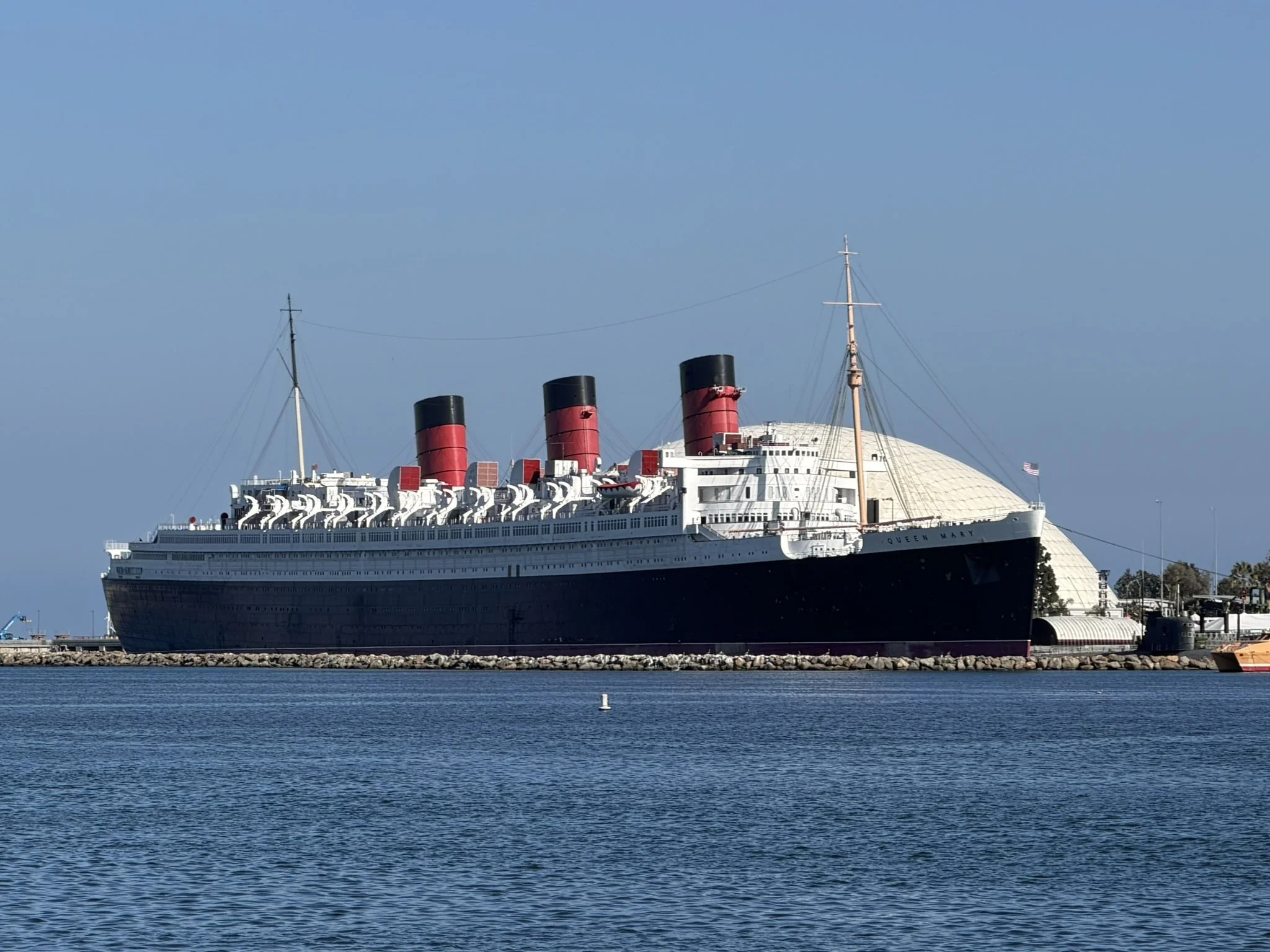
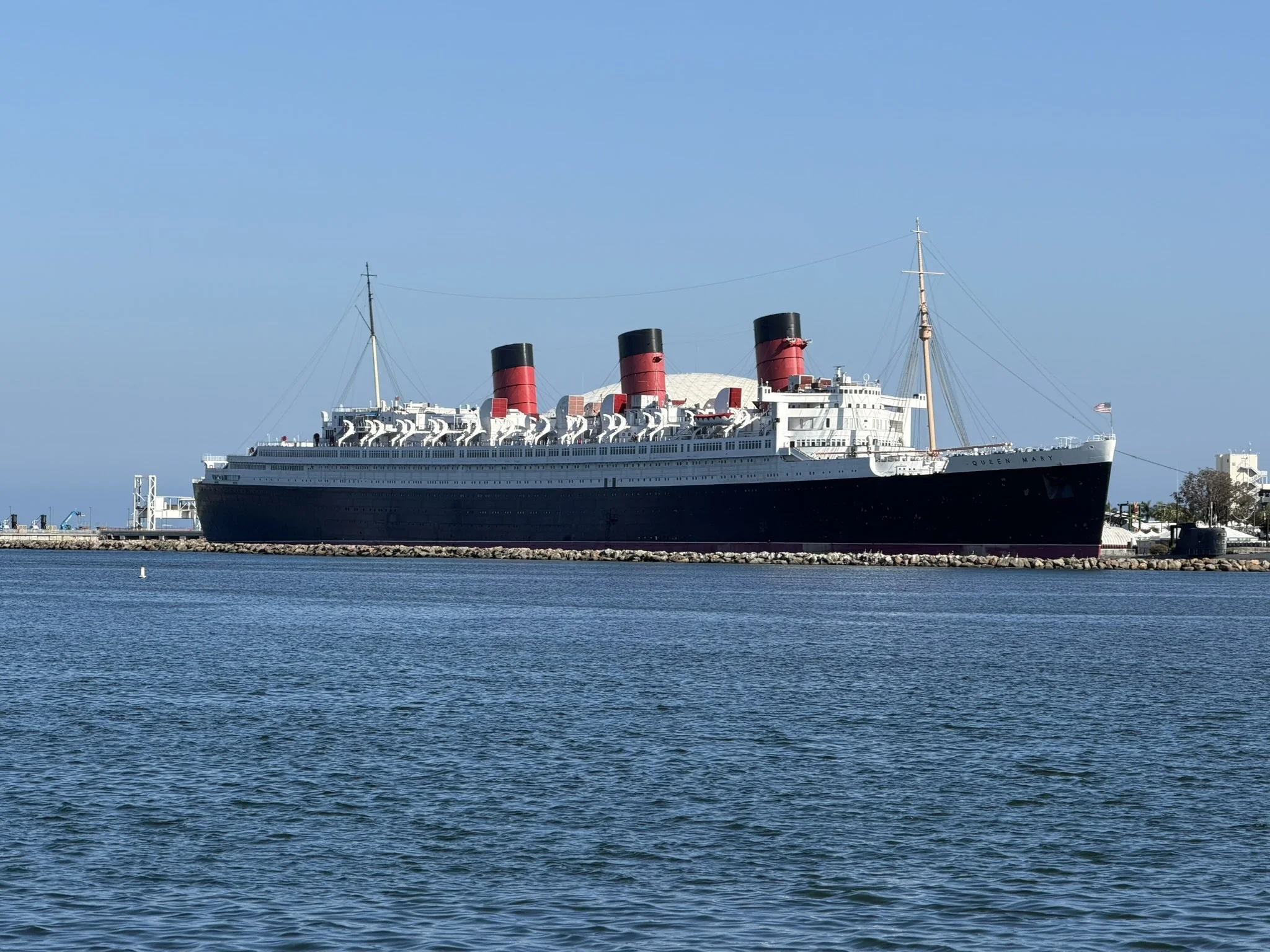
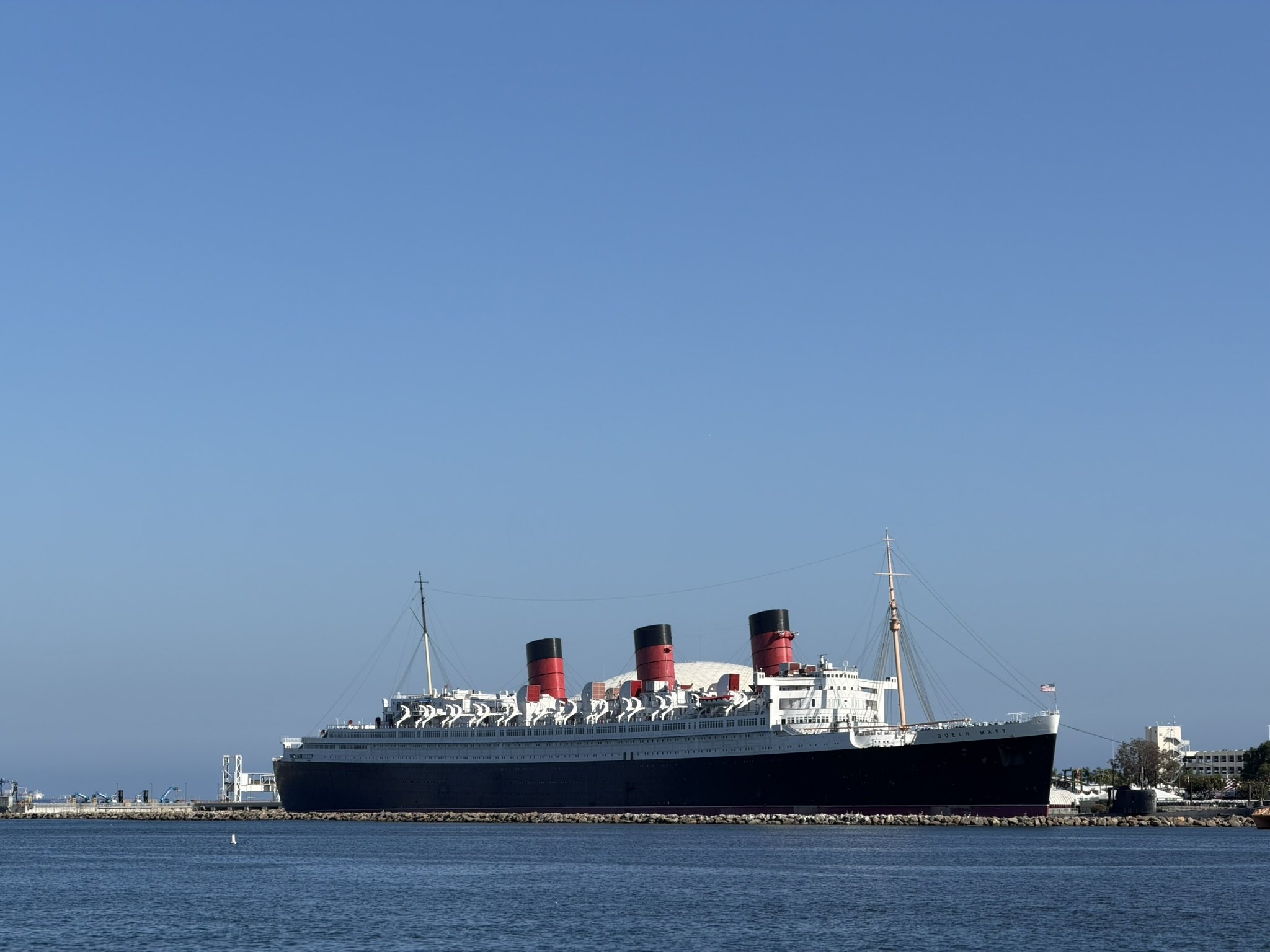
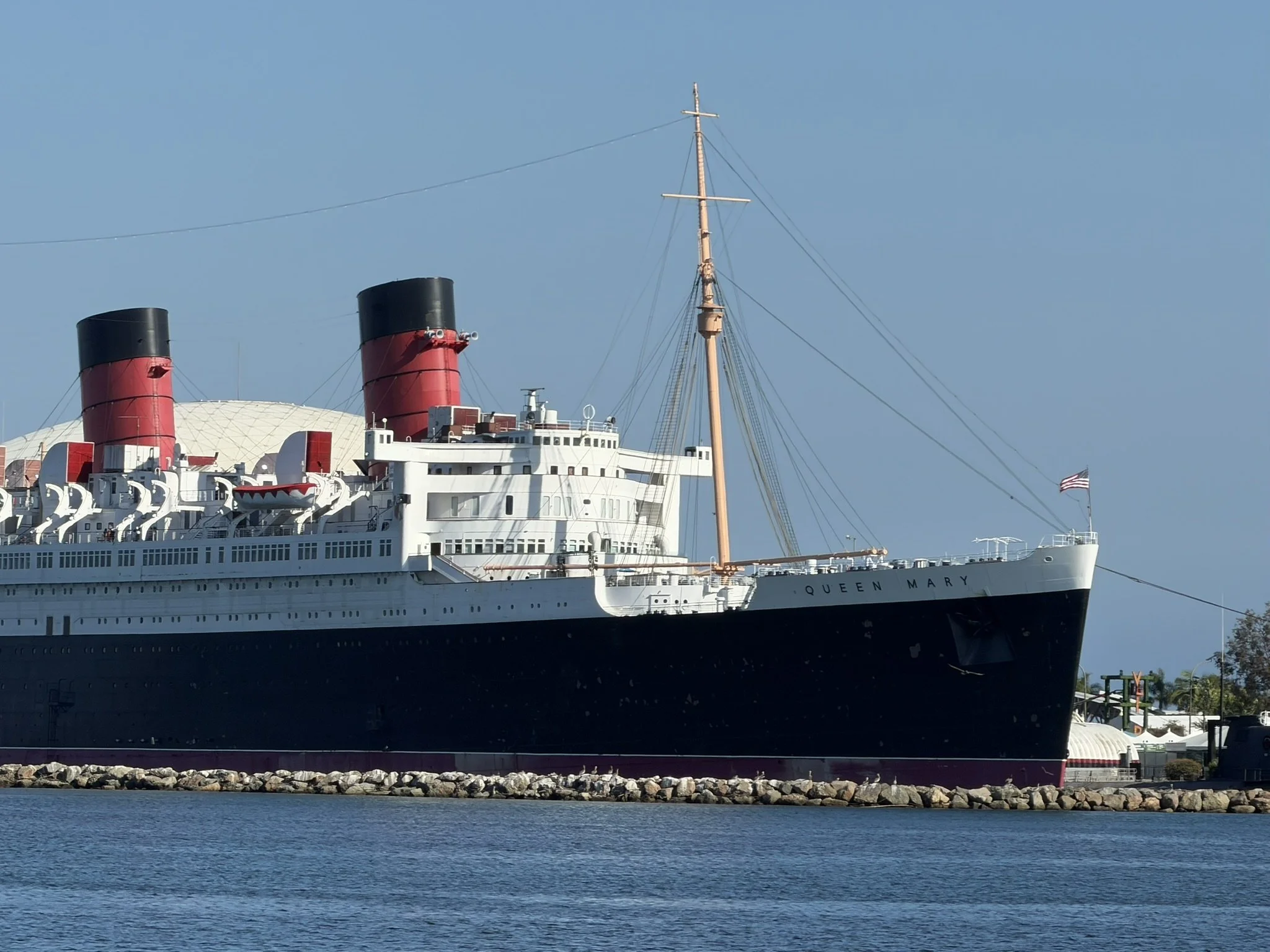
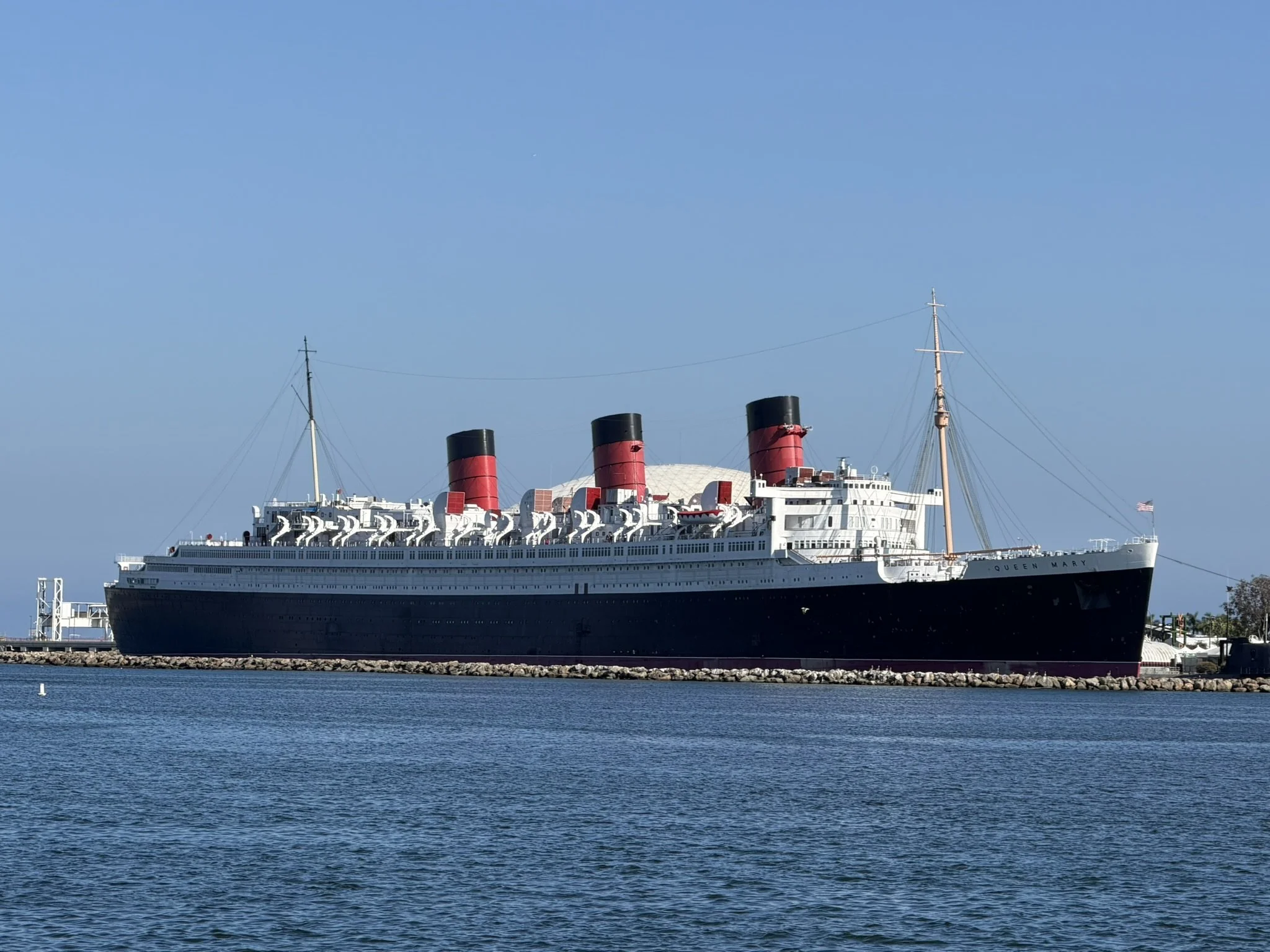
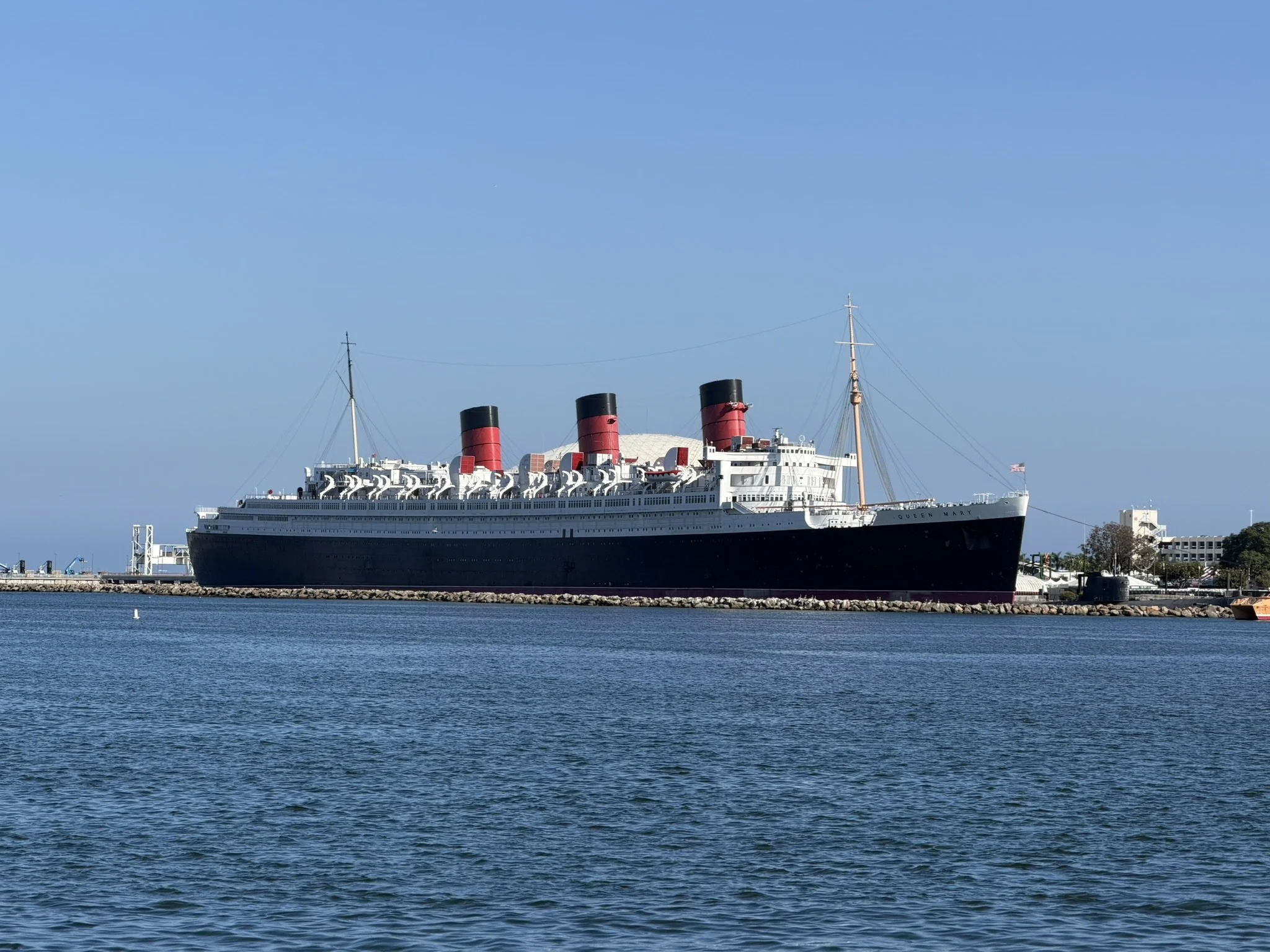
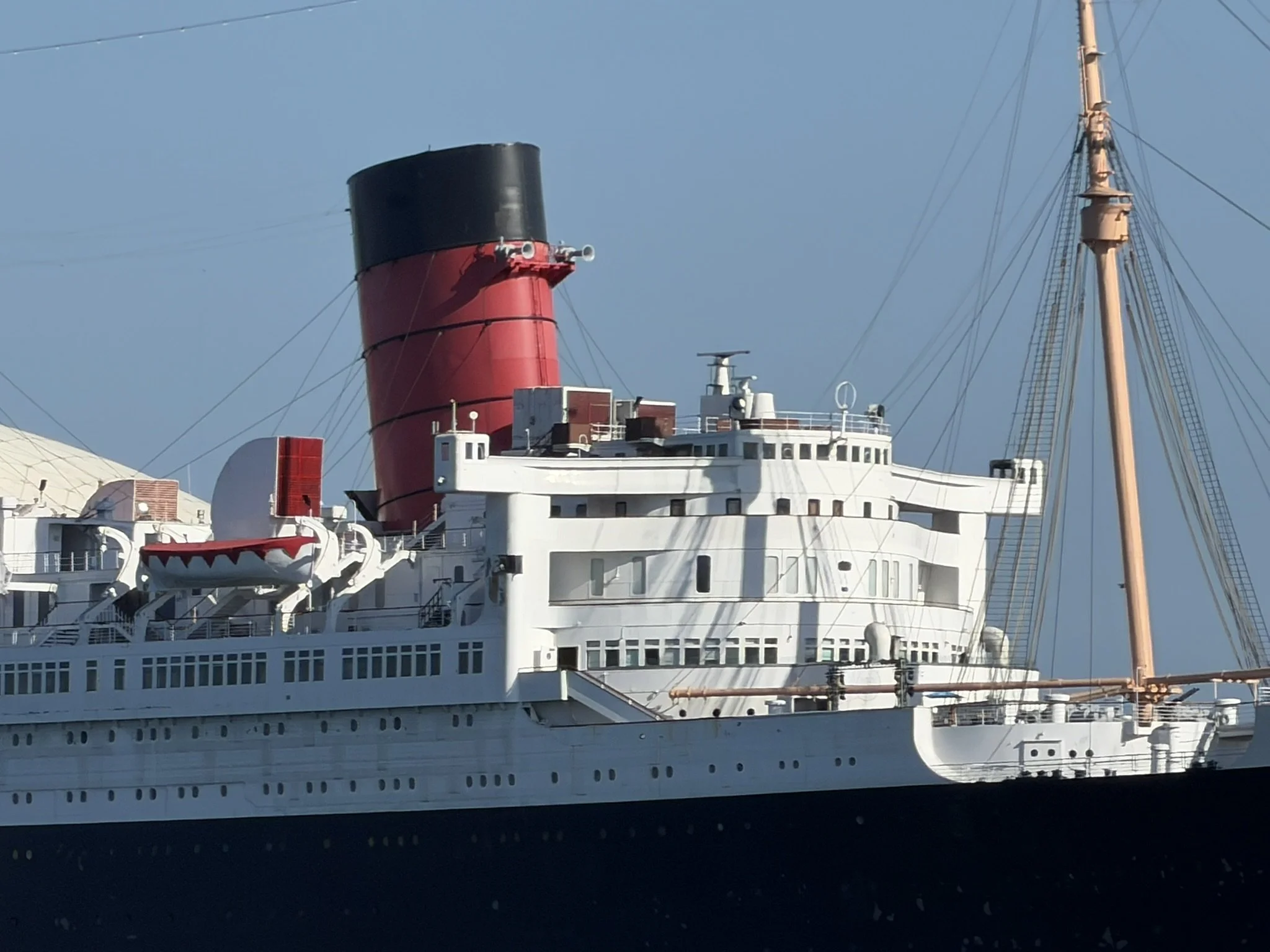
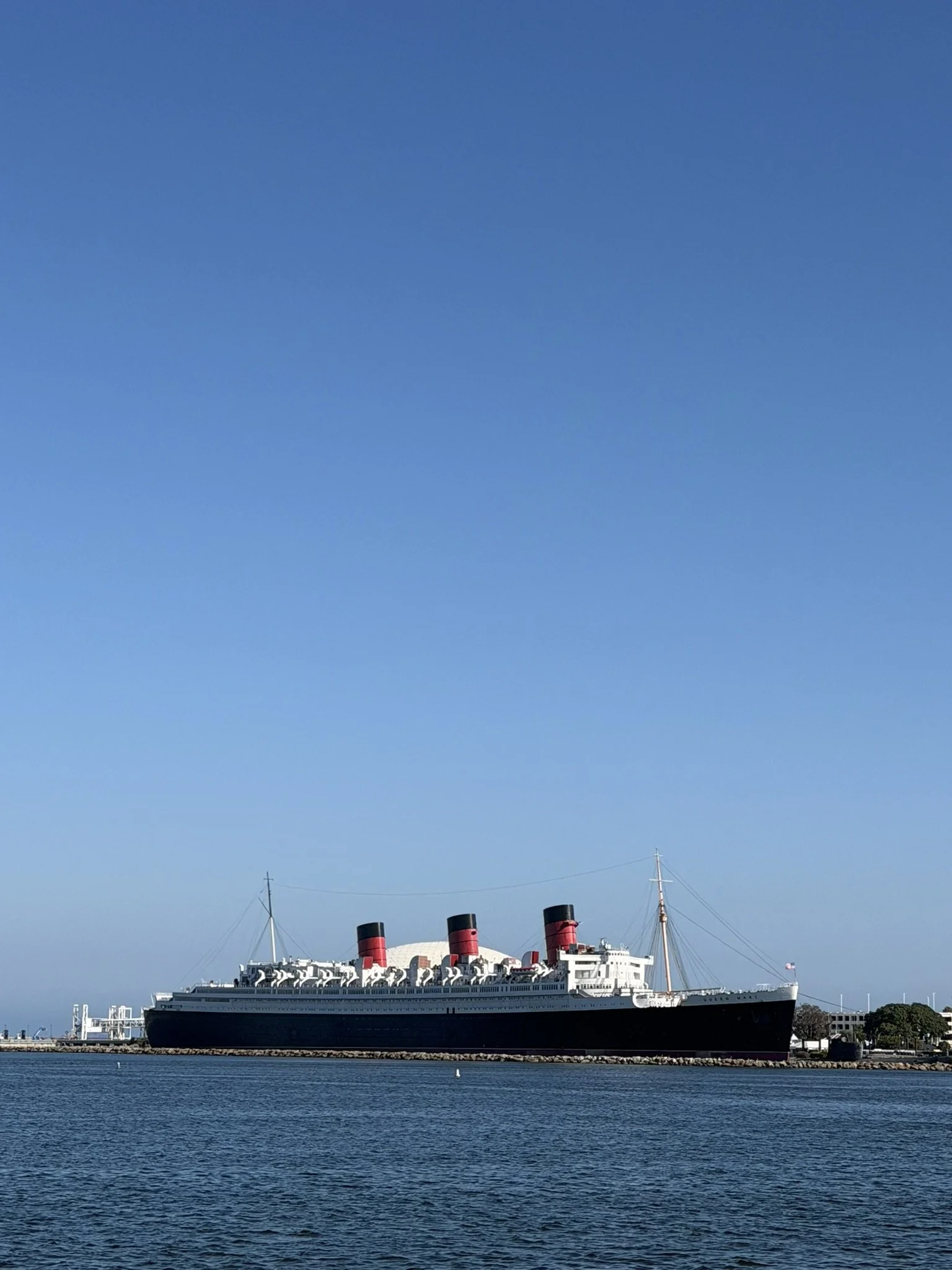
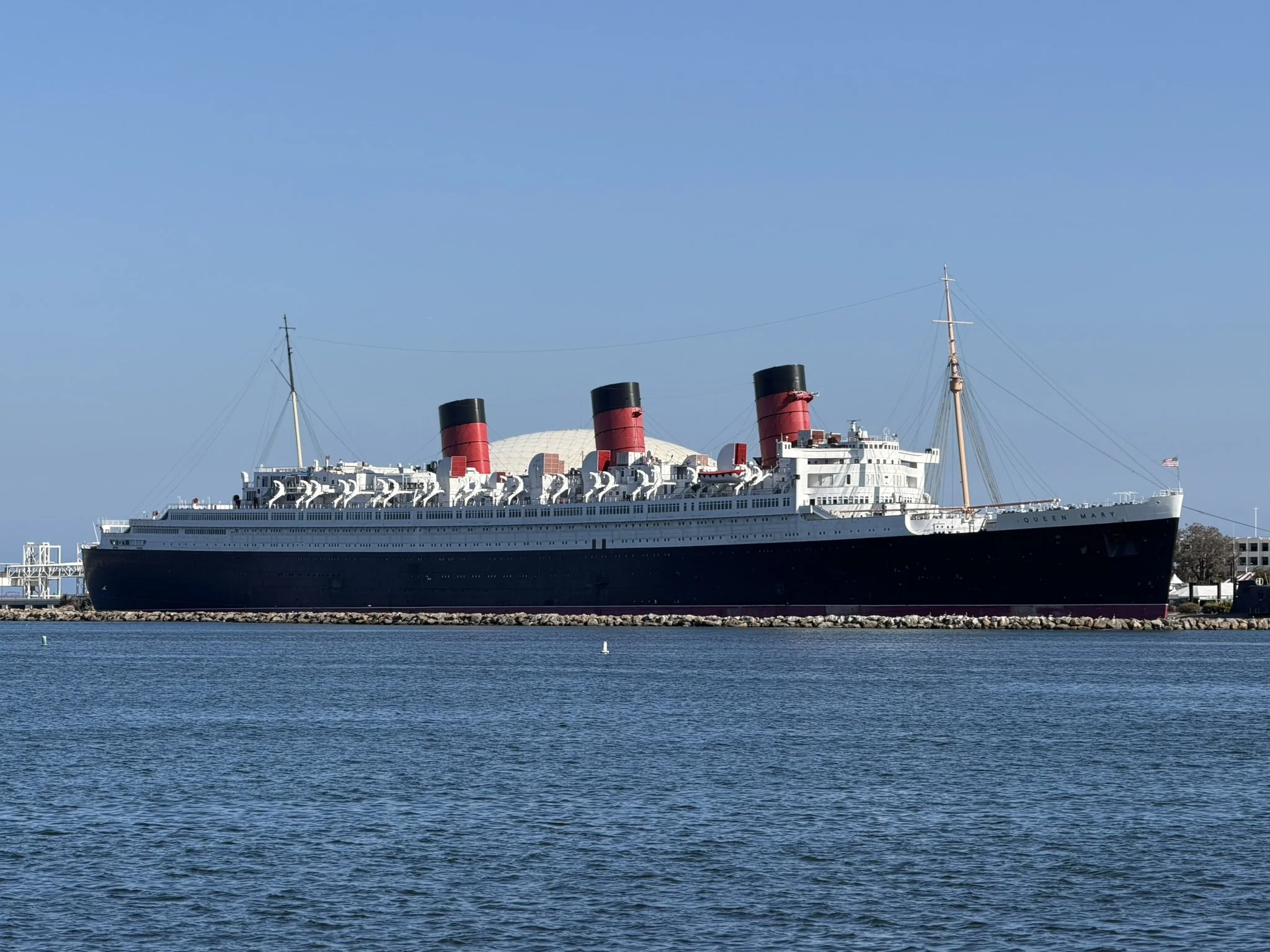
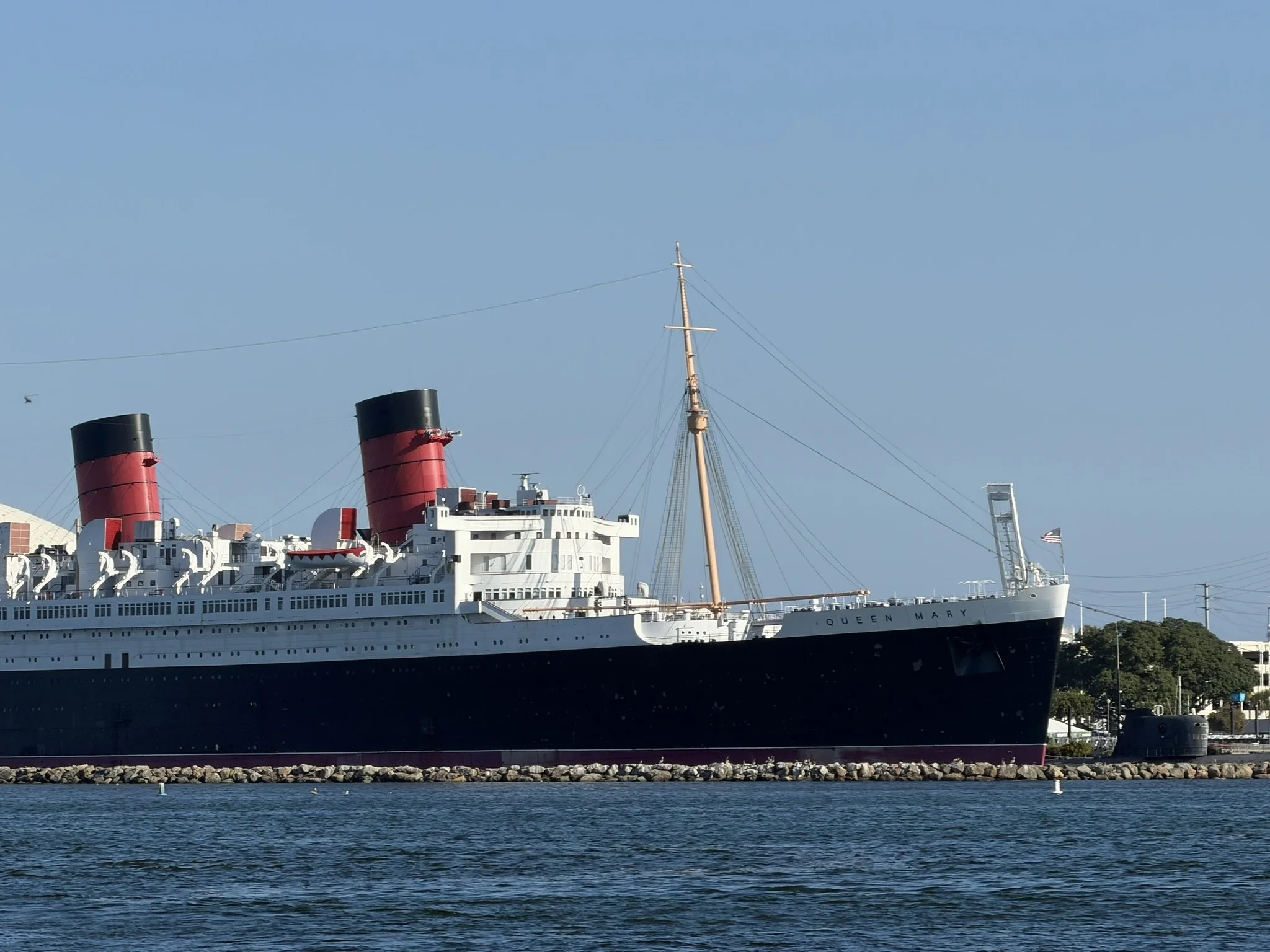
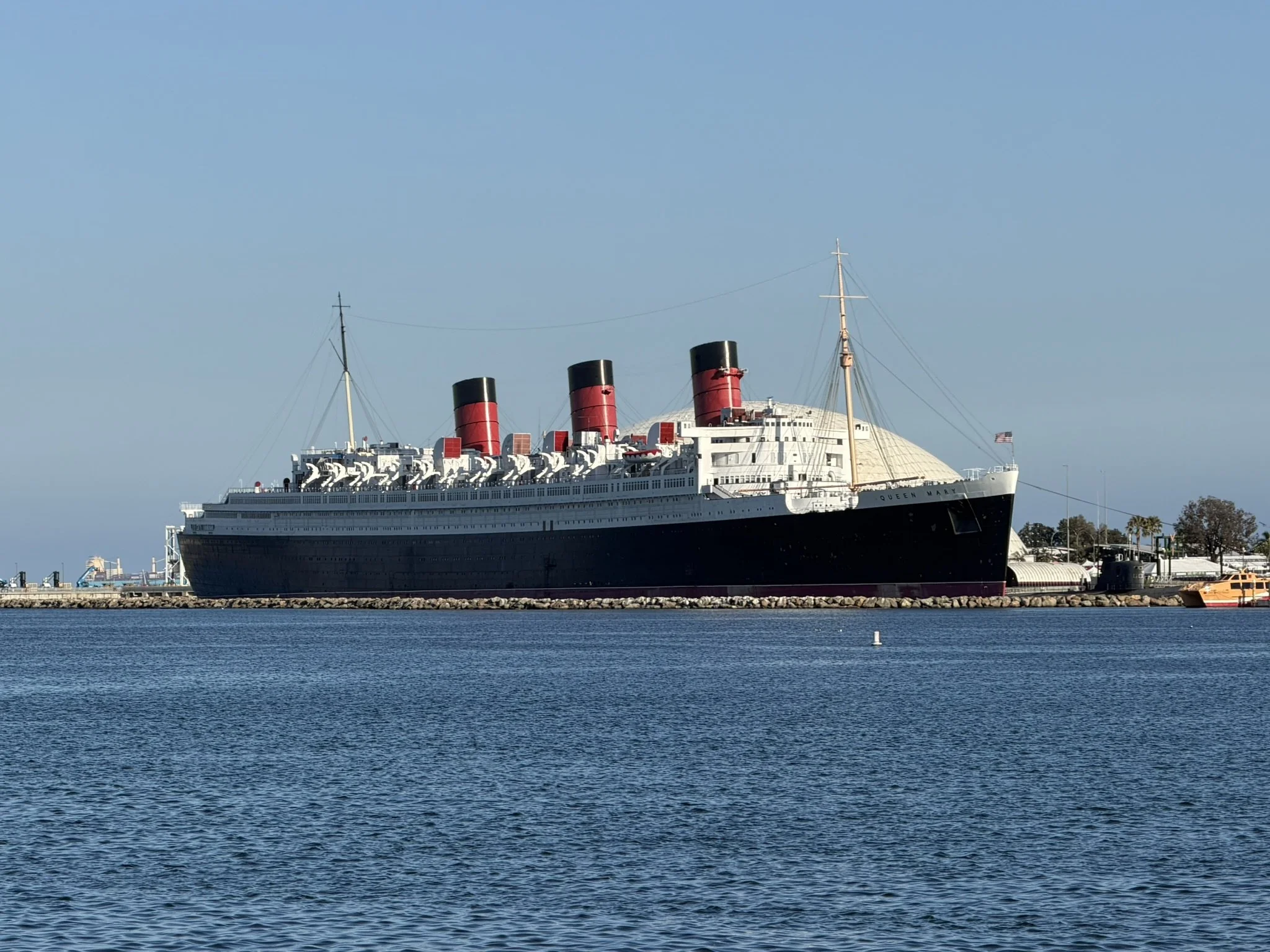
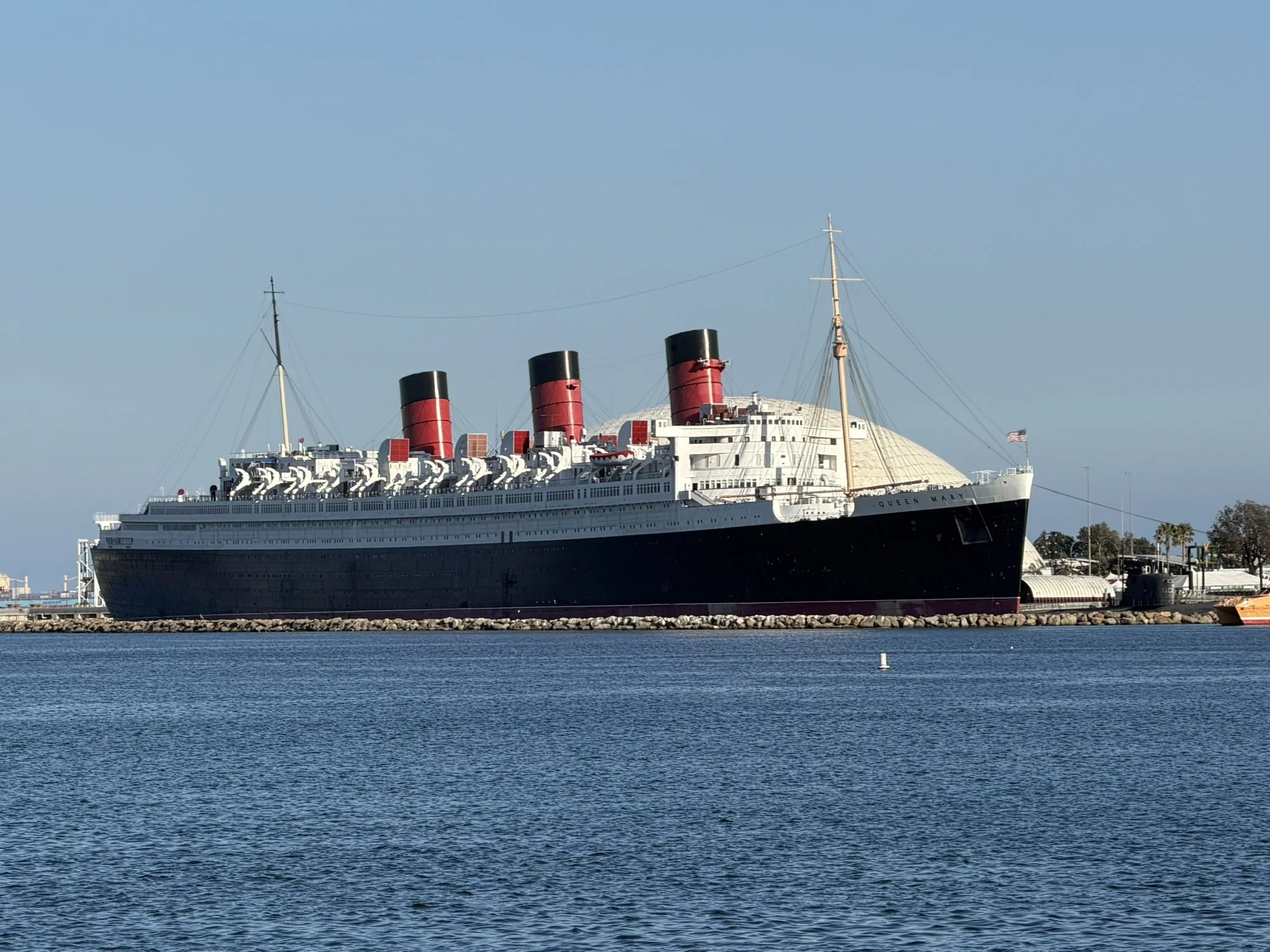
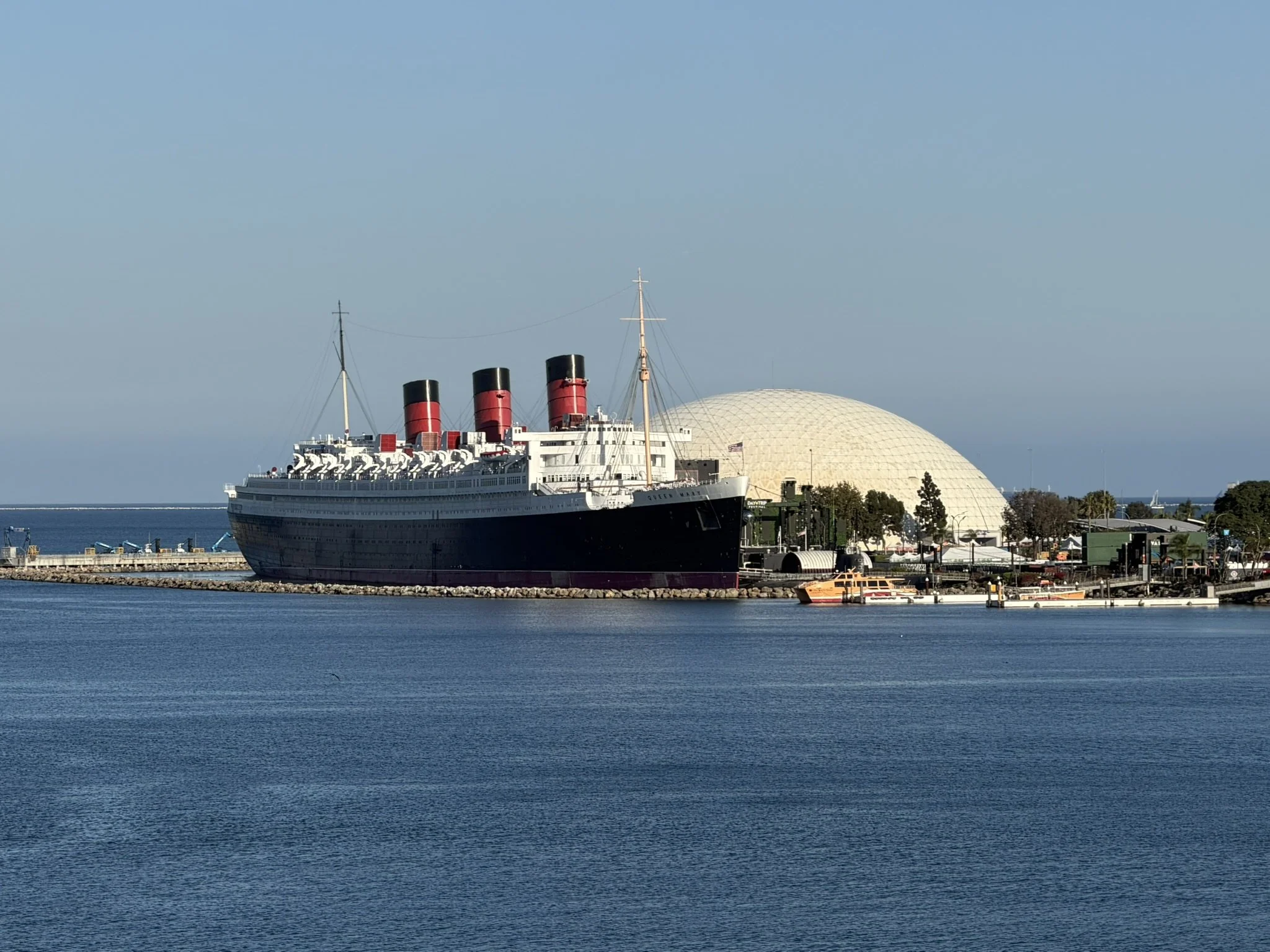
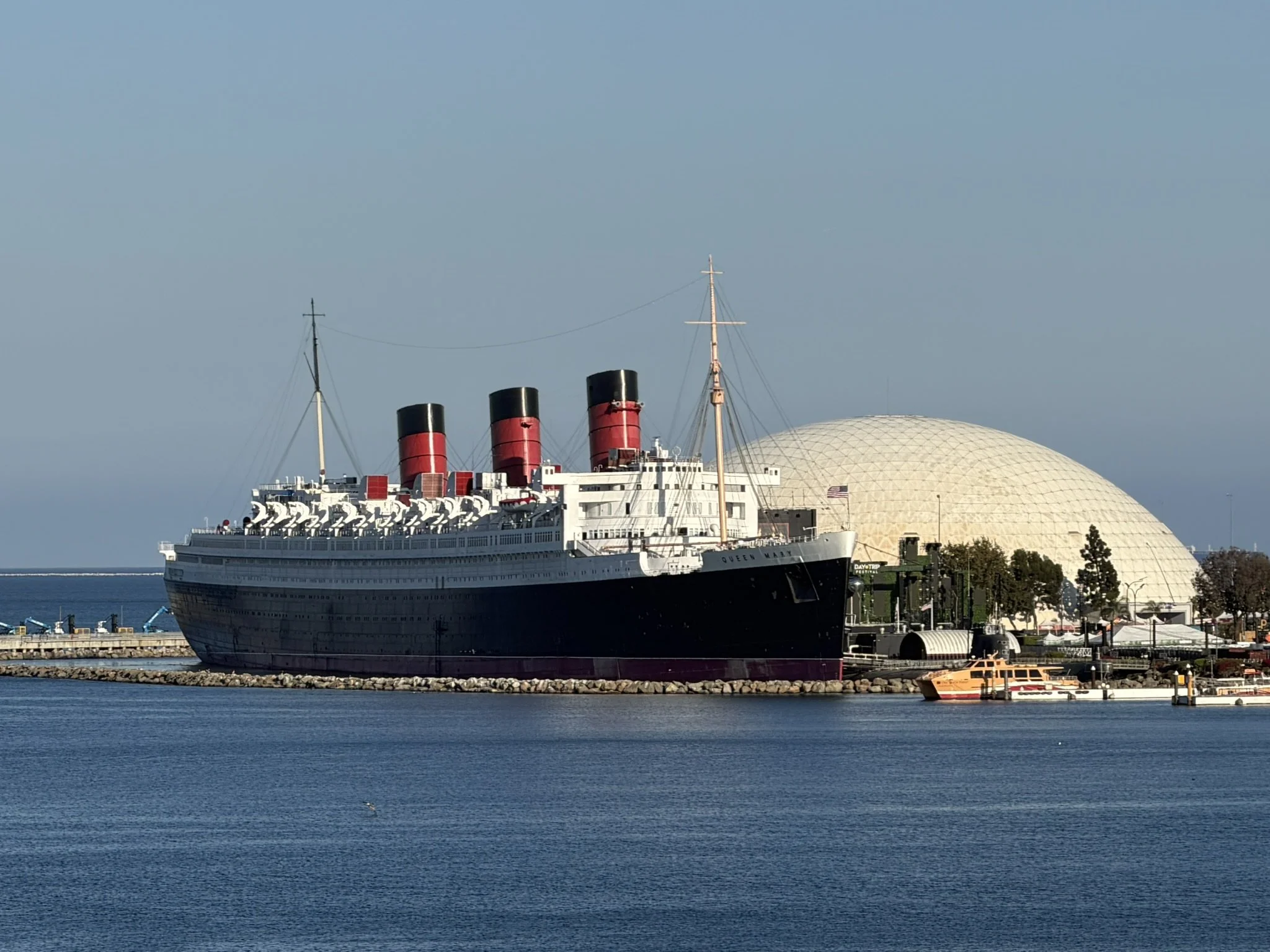
RMS Queen Mary is seen from across Long Beach Harbor on June 25, 2026, her three funnels and distinctive profile still defining the waterfront nearly six decades after her final arrival in California. Permanently moored in Long Beach since December 1967, the former Cunard liner has survived long after most of her contemporaries disappeared.
Built by John Brown & Company at Clydebank, Scotland, Queen Mary was launched in 1934 and entered passenger service for Cunard White Star in 1936. She was created for the prestigious North Atlantic route between Europe and New York and became one of the defining ocean liners of the prewar era.
Her career changed dramatically during World War II when she was converted for military service and used to transport Allied troops. After the war, Queen Mary returned to passenger service and operated alongside the newer Queen Elizabeth, giving Cunard two of the world's best-known transatlantic liners.
Increasing competition from jet aircraft eventually brought the ship's passenger career to an end. Queen Mary completed her final voyage in 1967, sailing from Southampton to Long Beach, where she began an entirely new chapter as a permanently preserved historic ship.
The June 25, 2026 views show Queen Mary from across the harbor, emphasizing the scale and proportions that made her one of the most recognizable passenger ships ever built.
Information List
Name: RMS Queen Mary
Operator: Cunard White Star / Cunard Line
Builder: John Brown & Company, Clydebank, Scotland
Launched: September 26, 1934
Entered Service: May 1936
Gross Tonnage: Approximately 81,237 GRT
Length: Approximately 1,019 feet / 311 meters
Beam: Approximately 118 feet / 36 meters
Service Speed: Approximately 28.5 knots
Original Service: North Atlantic passenger service
Wartime Role: Allied troop transport
Final Voyage: 1967
Current Location: Long Beach, California
Current Role: Preserved historic ship, hotel and attraction
Gallery Date: June 25, 2026
History and Features
Construction and Entry into Service:
Queen Mary was constructed by John Brown & Company at Clydebank on the River Clyde in Scotland.
She was launched on September 26, 1934, and named by Queen Mary, consort of King George V.
The ship entered service in May 1936 on the North Atlantic route.
Her introduction represented a major step in Cunard White Star's effort to compete for the fastest and most prestigious passenger service between Europe and New York.
Her combination of size, speed and Art Deco interiors made her one of the best-known passenger liners of her generation.
North Atlantic Service:
Queen Mary operated primarily between Southampton and New York, with European calls that formed part of Cunard's transatlantic service.
She competed directly with the great French liner Normandie during the late 1930s.
Queen Mary captured the Blue Riband for the fastest North Atlantic crossing during her early career.
Competition between the major European liners made speed, engineering and passenger comfort important symbols of national prestige.
The ship's regular passenger service was interrupted by the outbreak of World War II.
World War II:
Queen Mary was converted from a luxury passenger liner into a troop transport during World War II.
Her great size and speed allowed her to carry exceptionally large numbers of military personnel across long distances.
Wartime camouflage replaced her peacetime Cunard colors, contributing to the ship's association with the nickname “Grey Ghost.”
Her speed made her difficult for enemy submarines to intercept and allowed her to sail without the slower convoy arrangements required by many other vessels.
During the war, Queen Mary carried Allied personnel on voyages that formed an important part of the enormous transportation effort required by the conflict.
Return to Passenger Service:
Following the war, Queen Mary was extensively restored for civilian passenger service.
She returned to the North Atlantic route in 1947.
Together with Queen Elizabeth, she formed the core of Cunard's postwar express service.
The two ships allowed Cunard to maintain regular transatlantic departures while representing the final great generation of large British express liners.
Stabilizers were added during the 1950s to improve passenger comfort in rough seas.
Blue Riband:
Speed was an important part of Queen Mary's early reputation.
She captured the Blue Riband during the competitive prewar period of North Atlantic passenger service.
Her fastest-crossing record was ultimately surpassed by the American liner United States in 1952.
The rivalry among these ships reflected an era when crossing time remained an important measure of ocean-liner performance.
Art Deco Interiors:
Queen Mary was designed not only as transportation but as a showcase of British craftsmanship and design.
Her interiors incorporated extensive woodwork, murals, decorative panels and Art Deco detailing.
Public rooms were designed on a scale appropriate to one of the world's largest passenger ships.
Much of this interior character survives aboard the preserved ship today, providing an unusually complete connection with the passenger-liner era of the 1930s.
The End of Transatlantic Service:
By the 1960s, commercial jet aircraft had transformed travel between Europe and North America.
Passenger demand for scheduled ocean crossings declined as air travel became faster and increasingly accessible.
Operating large express liners became progressively more difficult economically.
Cunard ultimately withdrew Queen Mary from service in 1967 after more than three decades that included both passenger and wartime operations.
Final Voyage to Long Beach:
Queen Mary departed Southampton on her final voyage in October 1967.
Unlike her traditional transatlantic crossings, the final journey took the ship on a long route to her new home in California.
She arrived in Long Beach on December 9, 1967.
The City of Long Beach had purchased the ship for preservation and redevelopment rather than scrapping.
Her arrival began a second life that has now lasted considerably longer than her original passenger-service career.
Preservation in Long Beach:
Queen Mary has remained permanently moored in Long Beach since 1967.
Over the decades she has served as a hotel, visitor attraction, event venue and maritime landmark.
Preserving a passenger ship of her size has presented substantial financial and engineering challenges.
Despite those challenges, her survival makes it possible to experience spaces and design elements from an era in which the great ocean liners were among the most prominent forms of international transportation.
June 25, 2026 – Long Beach:
This gallery shows Queen Mary from across Long Beach Harbor on June 25, 2026.
The distant viewpoint emphasizes her overall profile rather than individual architectural details.
Her black hull, white superstructure and three red-and-black funnels remain immediately recognizable across the harbor.
The views also show how thoroughly the ship has become part of the modern Long Beach waterfront.
Nearly six decades after arriving in California, Queen Mary remains both a maritime landmark and a surviving physical connection to the great North Atlantic liners of the twentieth century.
Legacy:
Queen Mary is one of the most historically significant ocean liners preserved anywhere in the world.
Her career encompasses prewar transatlantic competition, World War II troop transportation, postwar passenger service and the decline of the traditional liner era.
Her preservation in Long Beach allows those different chapters to remain connected within a single surviving ship.
For Ocean Liner Photography, Queen Mary also holds particular importance because visits to the ship helped establish the interest in ocean liners that eventually developed into this collection.
OLP Social: Her three funnels and classic transatlantic liner profile remain unmistakable across the harbor, preserving a connection to the great passenger ships of the 1930s.