RMS QUEEN MARY
September 27, 2024 | Long Beach, California
Permanently berthed in Long Beach, California, Queen Mary serves as a hotel and historic attraction following her retirement from seagoing service in 1967. These photographs were taken on September 27, 2024, one day after the 90th anniversary of her launch and nearly 57 years after her arrival in Southern California.
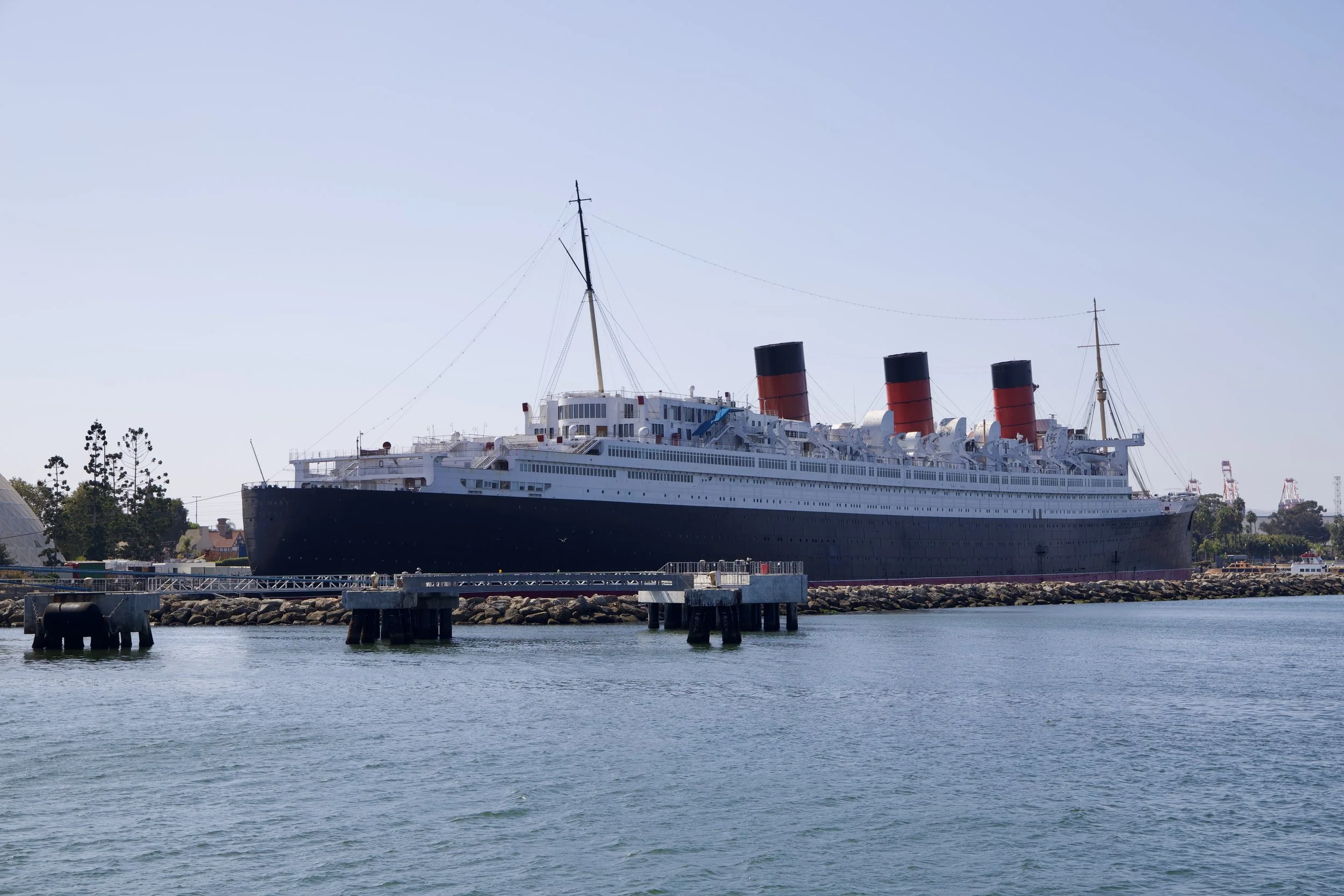
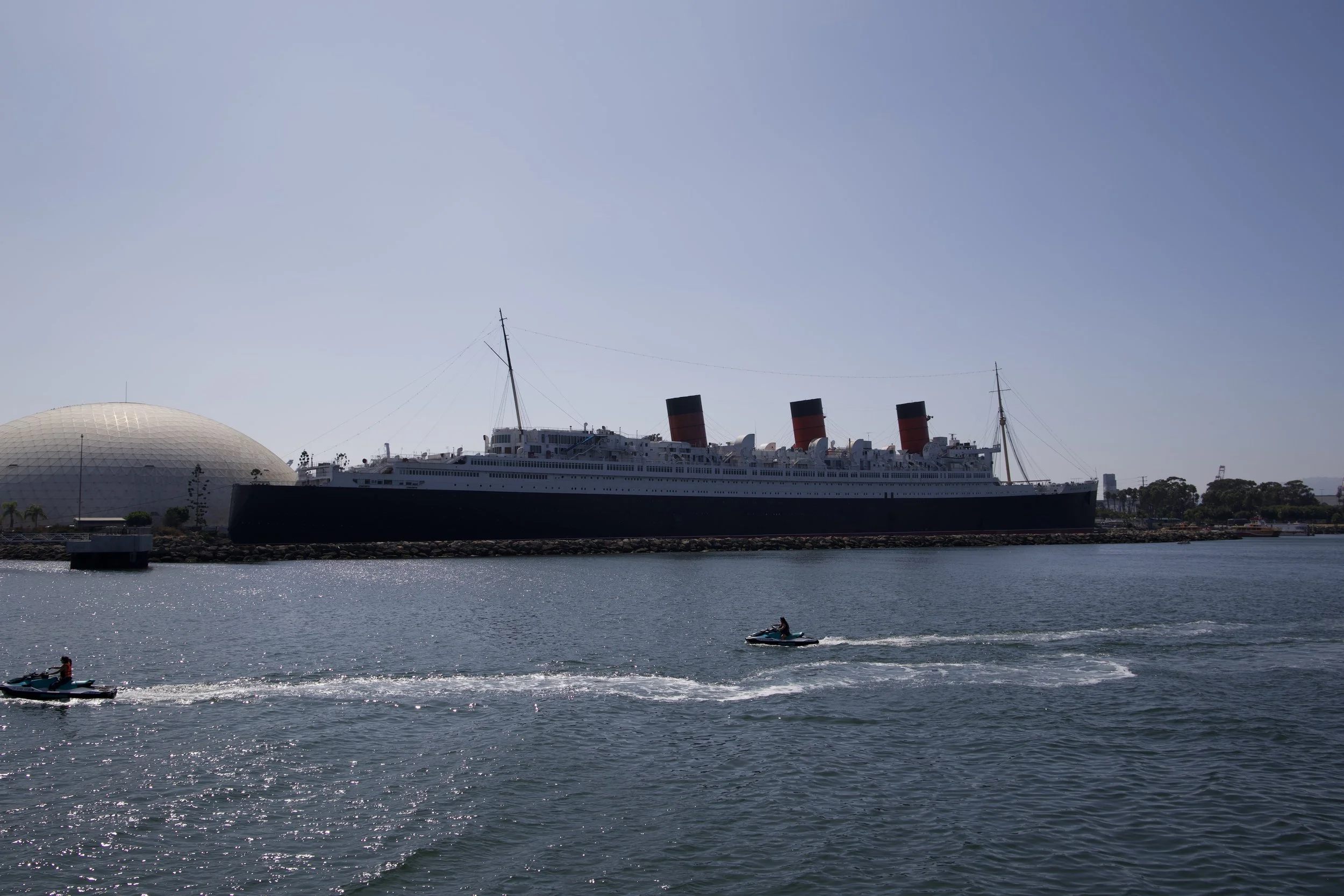
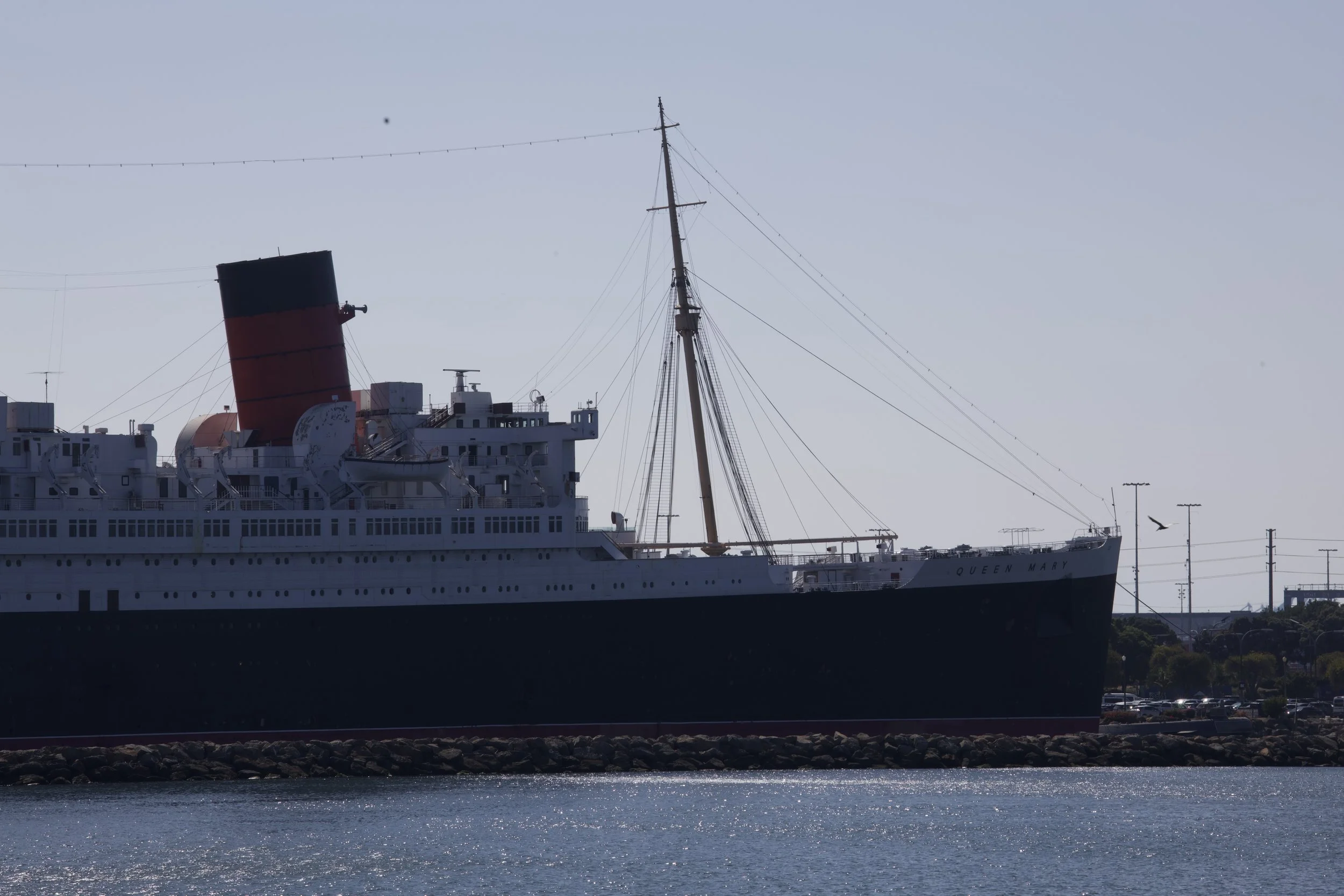
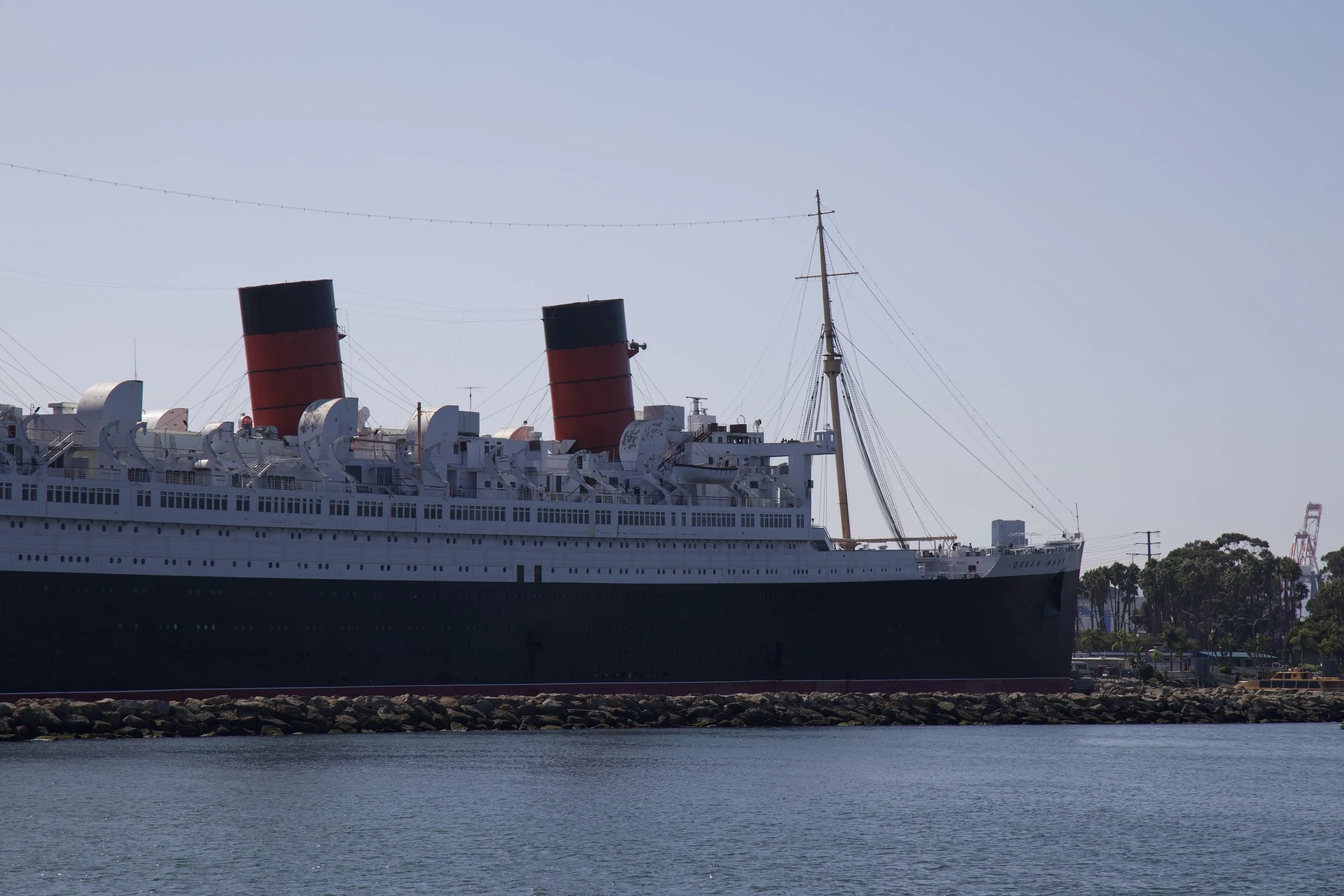
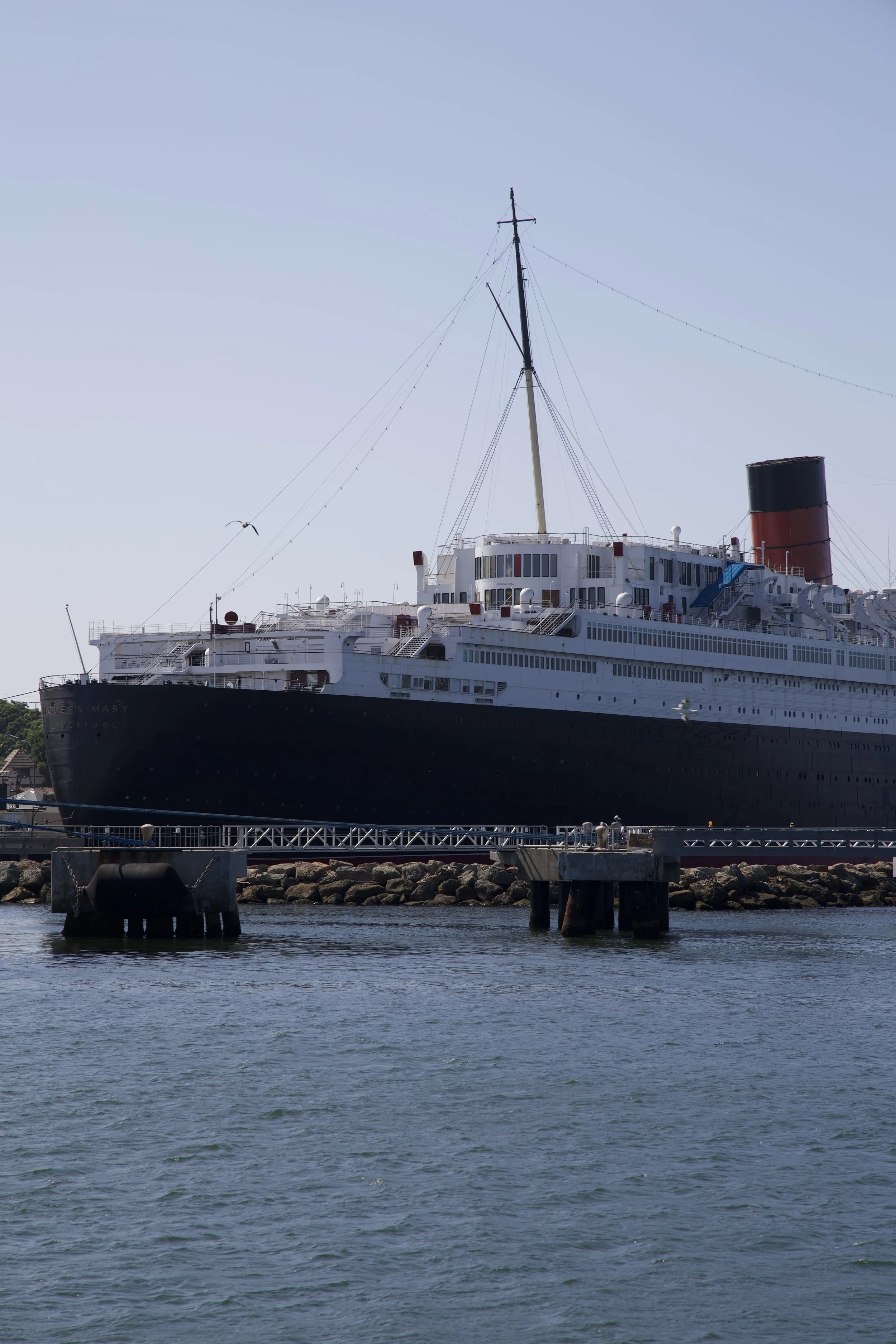
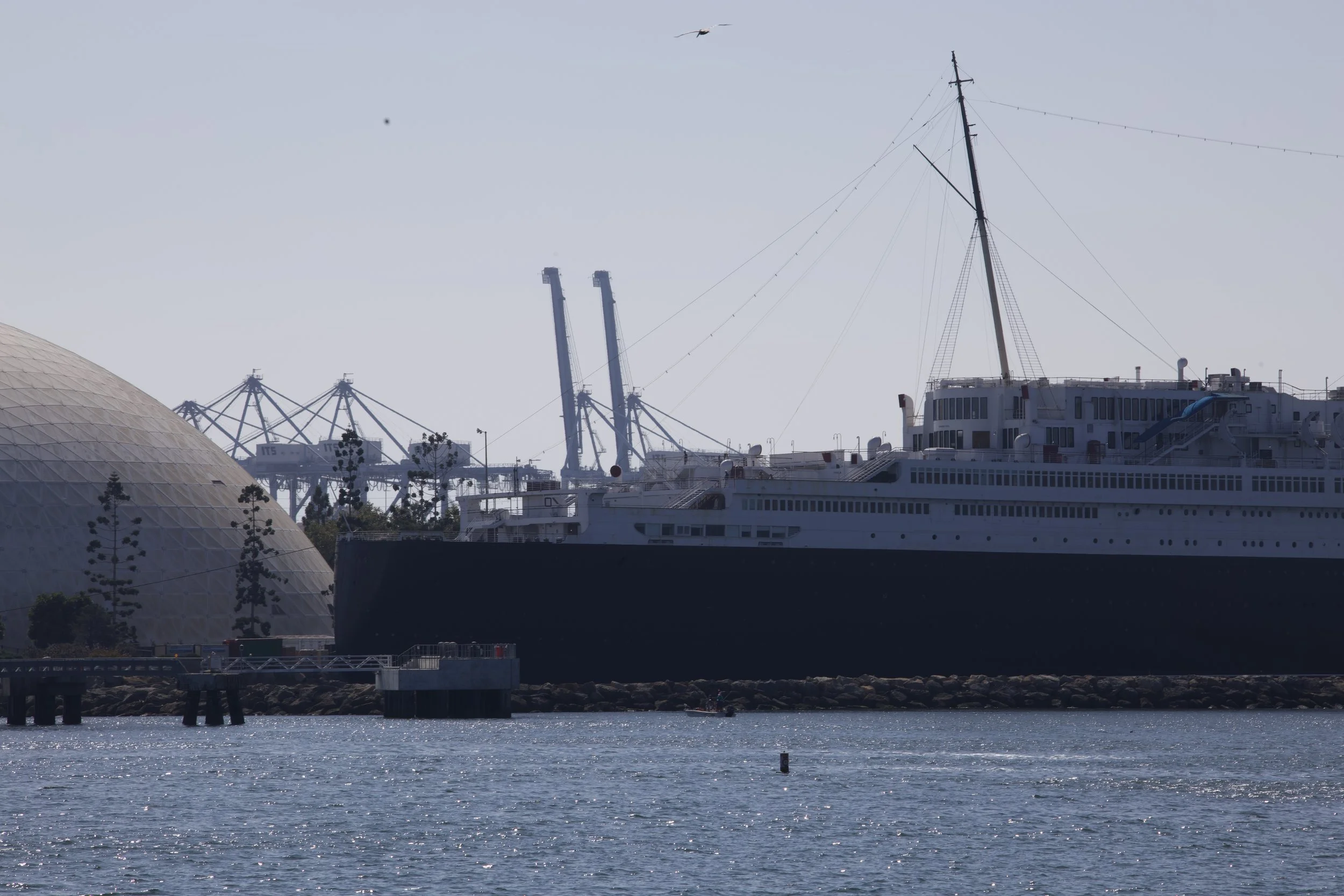
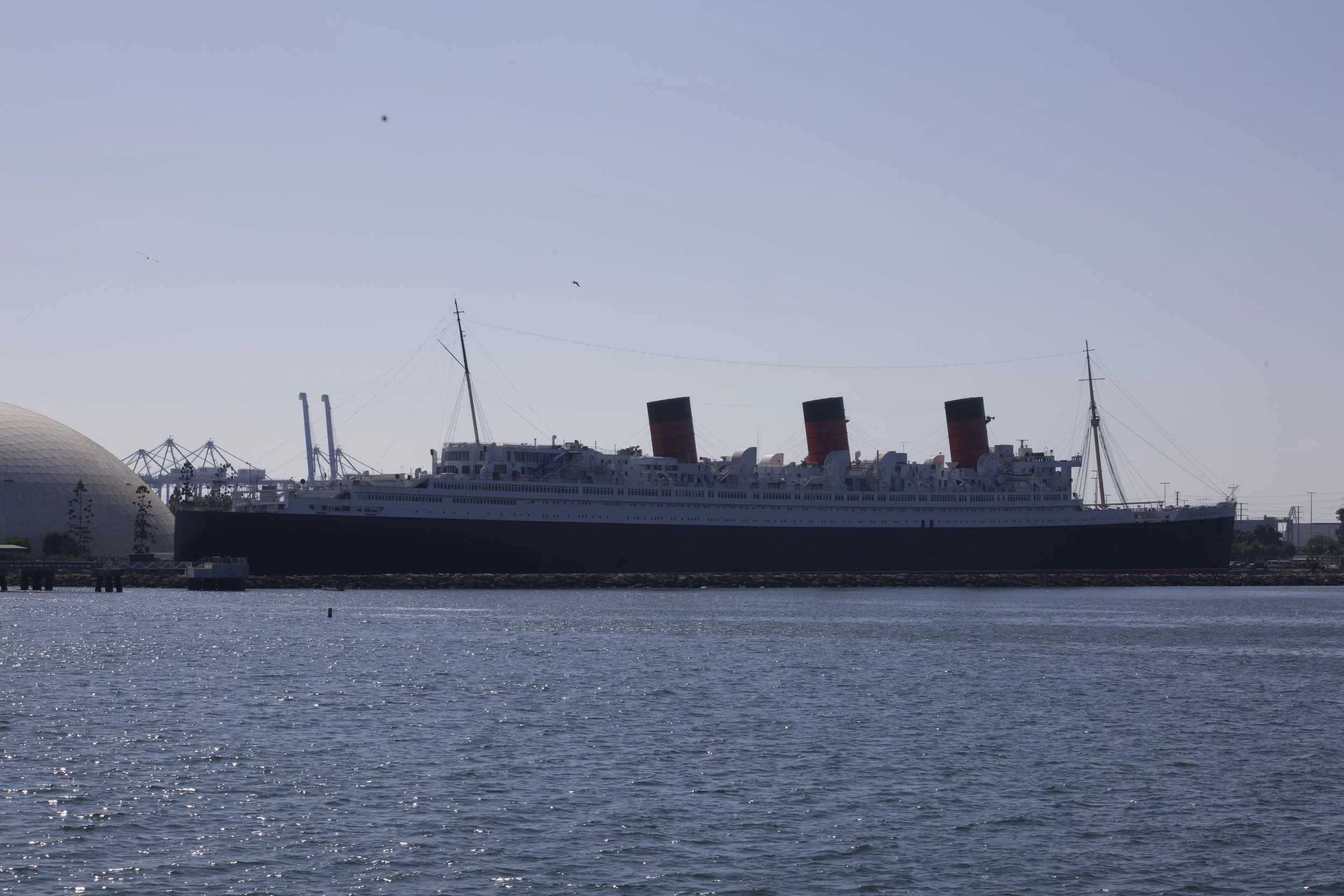
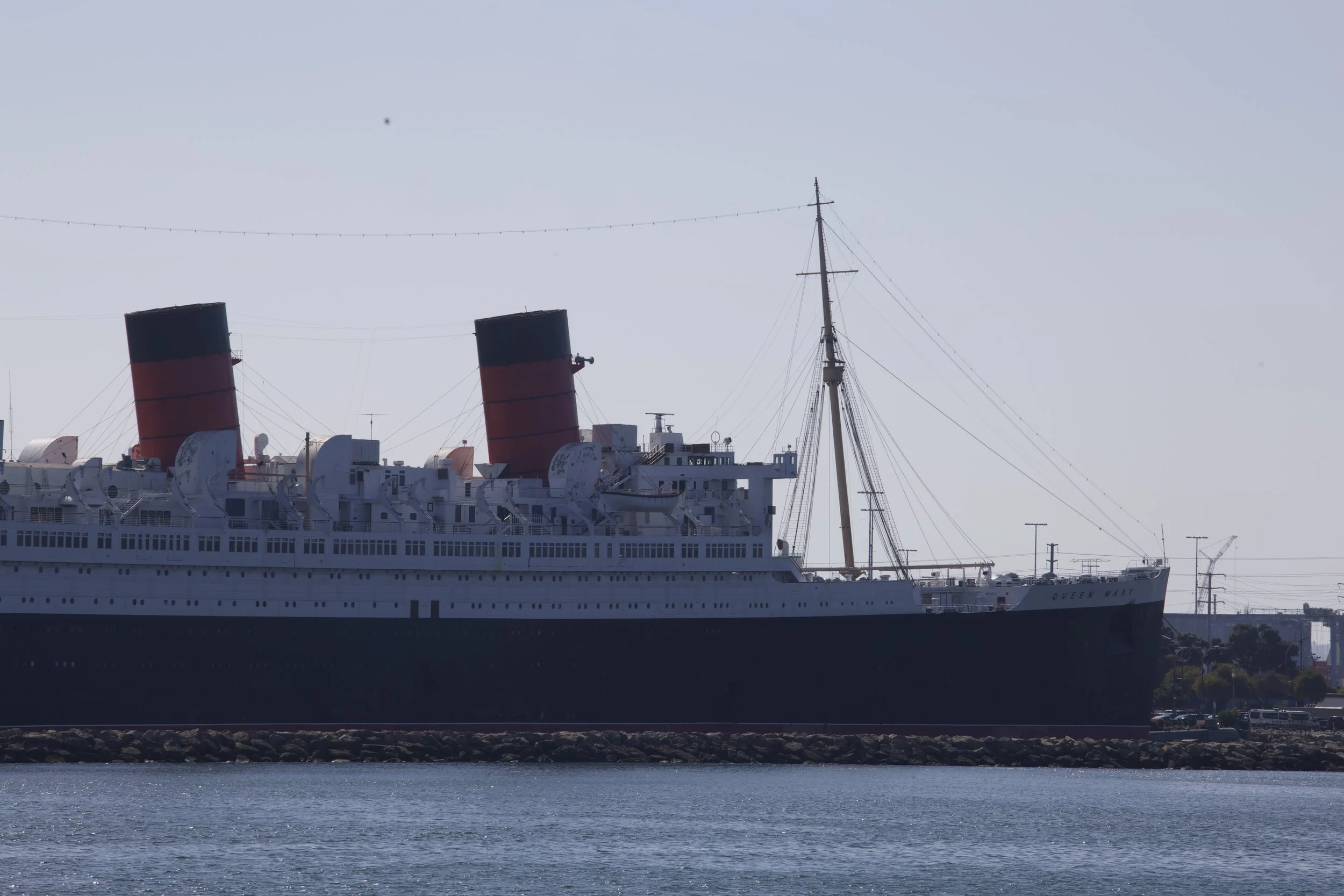
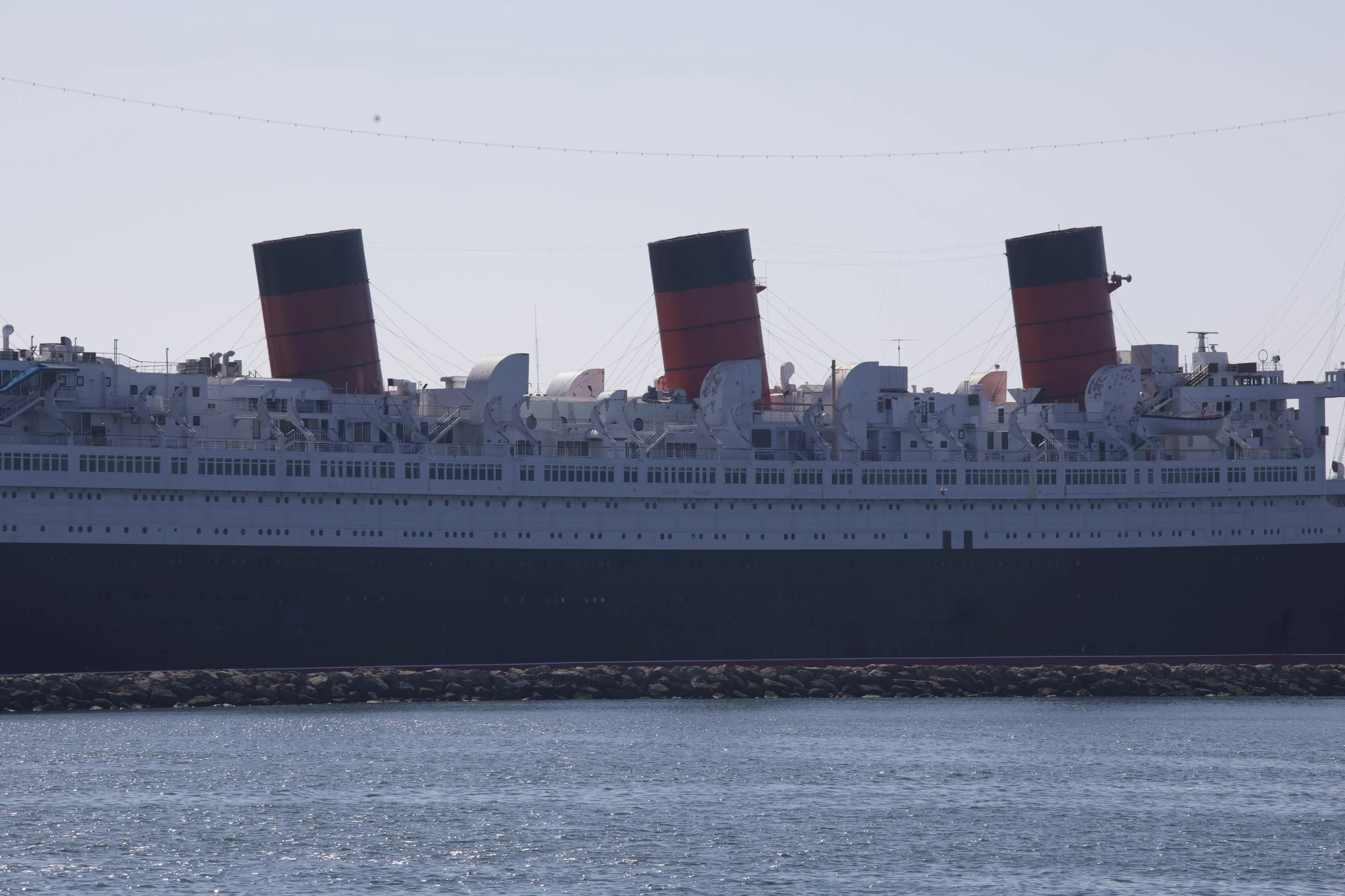
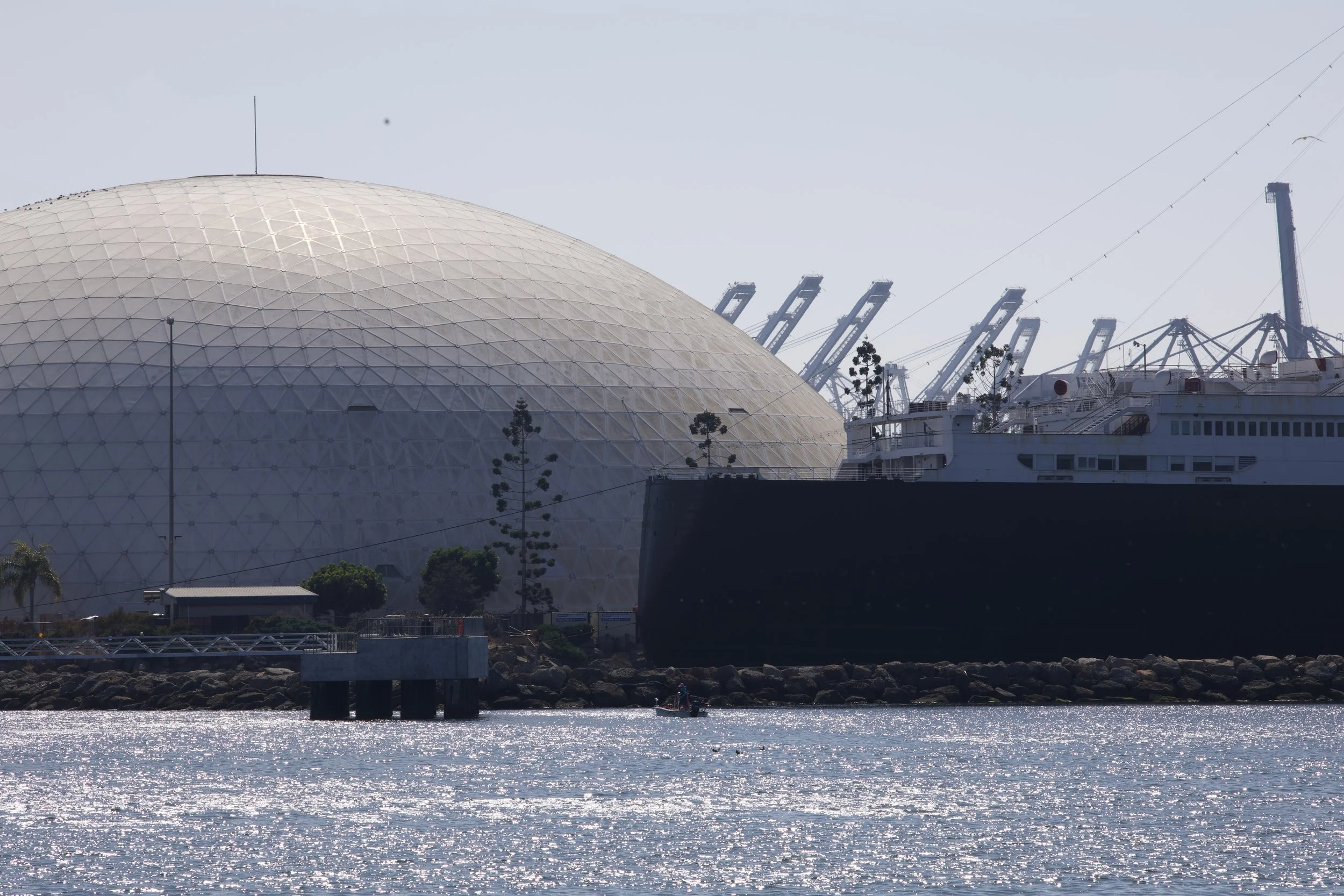
Queen Mary is permanently berthed in Long Beach, California, where she serves as a hotel and historic attraction following her retirement from seagoing service in 1967. These photographs were taken at her permanent home on September 27, 2024, one day after the 90th anniversary of her launch. Nearly 57 years had passed since the former Cunard liner arrived in Southern California, beginning a shoreside chapter that has lasted considerably longer than her working career at sea.
Built by John Brown & Company at Clydebank, Scotland, Queen Mary was named and launched on September 26, 1934. Completion followed in 1936, with her maiden voyage departing Southampton on May 27. Her seagoing career combined scheduled Atlantic crossings, wartime troop transport and a return to passenger service. Her size, speed and Art Deco interiors made her an important example of the great ocean liners built before the Second World War.
By the date of this gallery, hotel operations, tours and events had resumed following the ship’s broader reopening in June 2023. The City of Long Beach had resumed direct oversight and invested in repairs and preservation, supporting the liner’s continuing public use at her permanent berth. The September 2024 photographs connect that ongoing role with the anniversary of her launch, a separate milestone from her later entry into service.
Information List
Name: RMS Queen Mary
Type: Preserved ocean liner
Operator During Passenger Service: Cunard-White Star Line / Cunard Line
Owner at Gallery Date: City of Long Beach
Builder: John Brown & Company, Clydebank, Scotland
Keel Laid: December 1, 1930
Launched: September 26, 1934
Named By: Her Majesty Queen Mary
Maiden Voyage: May 27, 1936, Southampton to New York via Cherbourg
Length Overall: About 1,019 feet / 310.7 meters
Beam: About 118 feet / 36.1 meters
Gross Registered Tonnage: 81,237 GRT
Original Propulsion: Geared steam turbines driving four propellers
Service Speed: 28.5 knots
Retired from Seagoing Service: 1967
Arrival in Long Beach: December 9, 1967
Status at Gallery Date: Permanently berthed hotel and historic attraction
National Register Listing: April 15, 1993
Gallery Date: September 27, 2024
Gallery Location: Permanent berth, Long Beach, California
History and Features
Construction and the 1934 Launch:
John Brown & Company built Queen Mary at Clydebank, Scotland, under the original yard designation Job 534.
Construction began in 1930 but was interrupted by the economic difficulties of the Great Depression.
Work resumed in 1934, leading to the ship’s naming and launch on September 26 that year.
Her Majesty Queen Mary performed the naming ceremony, with King George V also present.
Maiden Voyage and Atlantic Service:
Queen Mary departed Southampton on May 27, 1936, beginning her maiden voyage to New York with a call at Cherbourg.
She arrived in New York on June 1, introducing the completed liner to the American end of her regular route.
During her early service, she competed with the French liner Normandie for the Blue Riband.
After regaining the Atlantic speed distinction in 1938, she retained it until United States surpassed her in 1952.
Scale, Machinery and Art Deco Design:
At more than 1,000 feet long and over 81,000 gross registered tons, Queen Mary was built on a scale suited to major Atlantic passenger service.
Geared steam turbines drove four propellers, supporting a service speed of 28.5 knots.
Her interiors combined decorative wood veneers, commissioned artwork and large public rooms associated with the Art Deco period.
The surviving spaces and fittings preserve an important part of the design history of passenger travel in the 1930s.
Wartime Service:
During the Second World War, Queen Mary was converted from passenger accommodation to troop transport duties.
Painted gray, she became widely known as the “Grey Ghost,” a name associated with her wartime appearance and speed.
Successive alterations allowed her to carry far greater numbers than her original passenger arrangement.
Across her wartime service, she transported more than 800,000 military personnel, making troop transport a major part of her history.
Return to Passenger Service:
Following wartime and repatriation duties, Queen Mary underwent extensive work to restore her passenger accommodation.
Furnishings were returned and public rooms reinstated before her first postwar passenger voyage in July 1947.
Together with Queen Elizabeth, she supported Cunard’s regular postwar Atlantic service.
Her remaining seagoing years connected the traditions of ocean-liner travel with the growing competition from transatlantic air services.
Retirement and a Permanent Home in Long Beach:
Queen Mary left Southampton on October 31, 1967, beginning her final voyage to Southern California.
She arrived in Long Beach on December 9, ending her working career at sea and beginning her permanent association with the city.
Conversion for stationary use introduced hotel accommodation, visitor facilities and exhibition spaces within the former liner.
Public tours began in 1971, establishing a new role at her permanent home that eventually lasted much longer than her original seagoing career.
Reopening and Preservation:
The City of Long Beach regained direct control of the ship in 2021 and undertook repairs supporting her return to public use.
Limited tours resumed in December 2022, followed by a broader reopening in June 2023.
By March 2024, the city reported expanded hotel operations, additional tours and continuing preservation projects.
Her National Register of Historic Places listing recognizes the ship’s significance in military, recreation and social history.
September 27, 2024 — Her Permanent Long Beach Berth:
This gallery features Queen Mary at her permanent berth one day after the 90th anniversary of her September 26, 1934 launch.
The anniversary relates to her naming and launch, with completion and the maiden voyage following in 1936.
Nearly 57 years had passed since her arrival in Long Beach, compared with roughly 31 years between entry into service and retirement.
These photographs show the preserved liner in her continuing role as a Long Beach hotel, historic attraction and maritime landmark.
OLP Social: Permanently berthed in Long Beach, this preserved ocean liner was photographed one day after the 90th anniversary of her launch in Scotland in September 1934.
OLP Social 2: Built by John Brown & Company in Scotland, she began her maiden voyage from Southampton in May 1936, starting a seagoing career that continued until 1967.
OLP Social 3: At 1,019 feet long and over 81,000 gross tons, she was built for Atlantic crossings at 28.5 knots, combining the scale and speed of a major passenger liner.
OLP Social 4: After arriving in December 1967, she had spent nearly 57 years in Long Beach by these photographs, longer than her entire working career at sea.