FREEWINDS
April 1, 2026 | Oranjestad, Aruba
The Freewinds made for an interesting sight in Oranjestad, Aruba, on April 1, 2026. Originally entering service as the Bohème in 1968, the ship has spent decades sailing the Caribbean and is one of the oldest passenger ships still in active service.
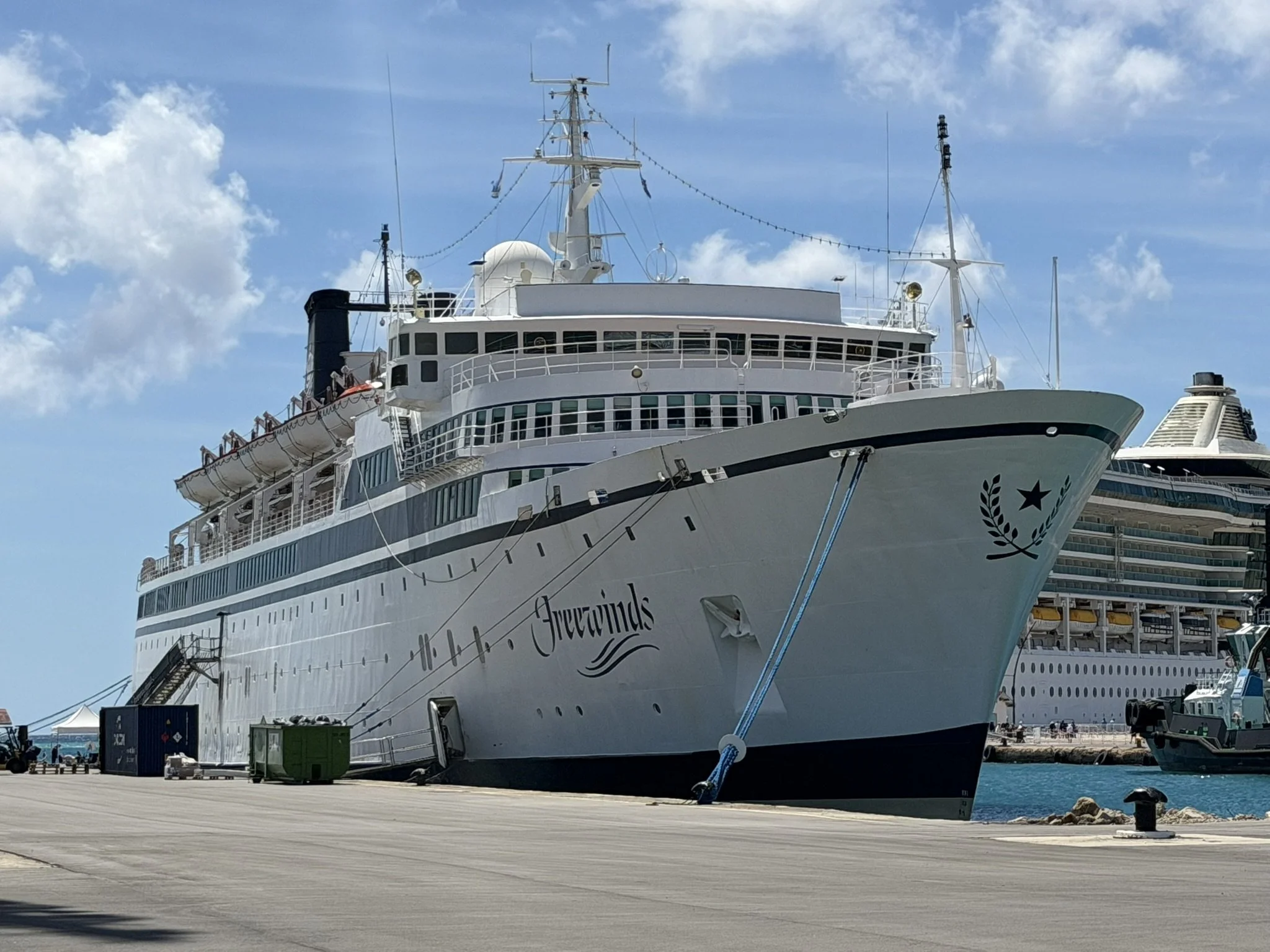
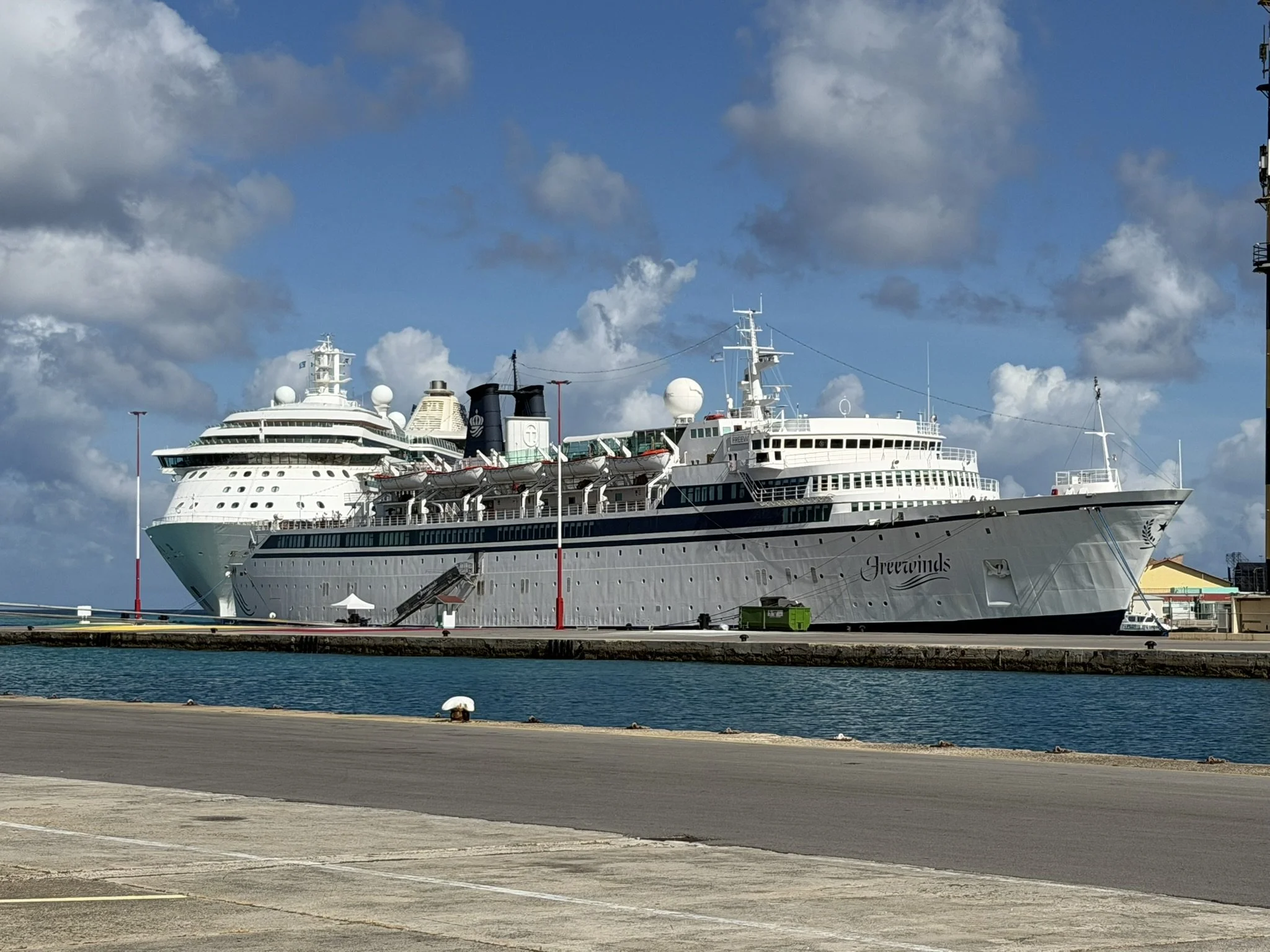
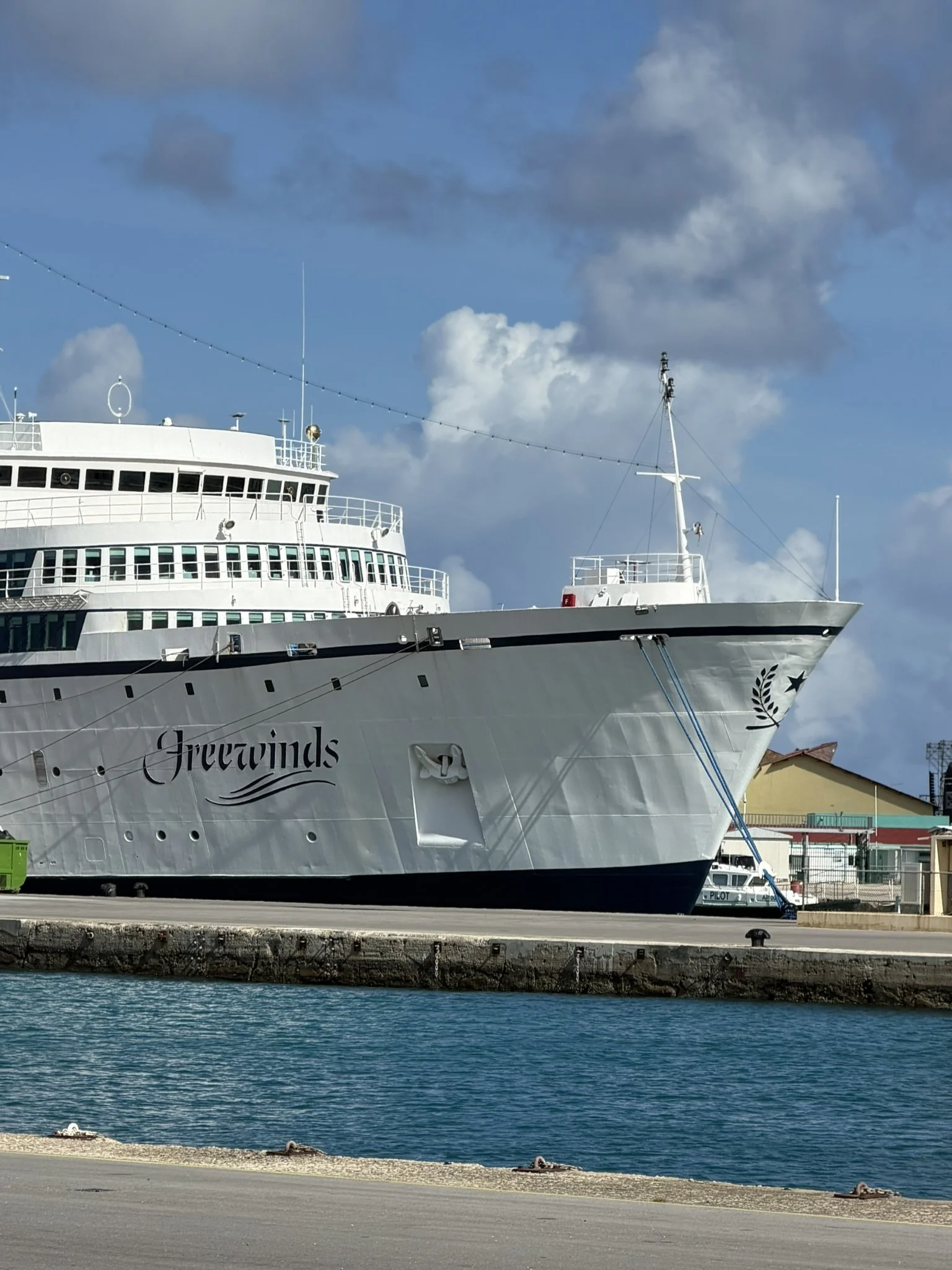
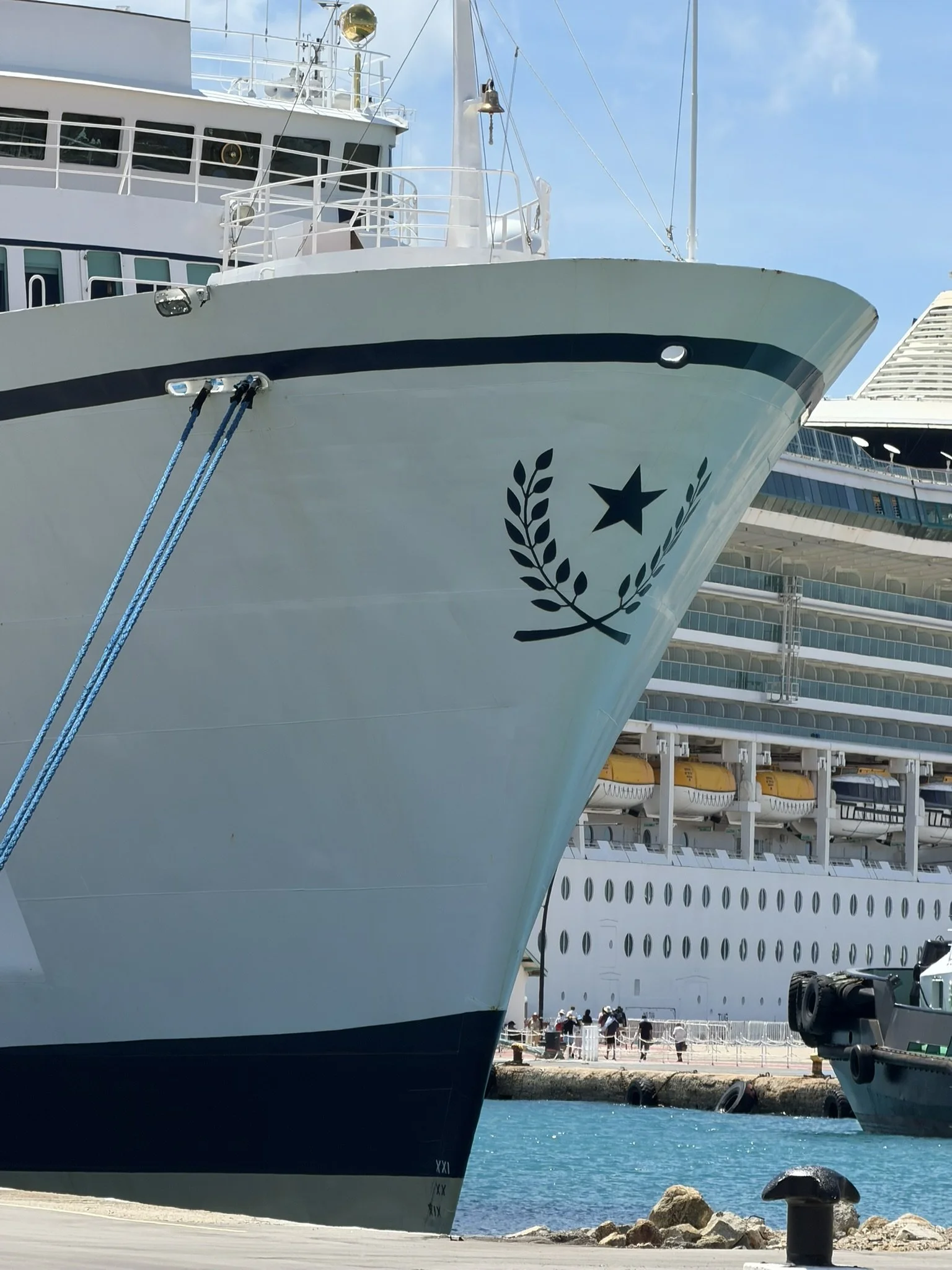
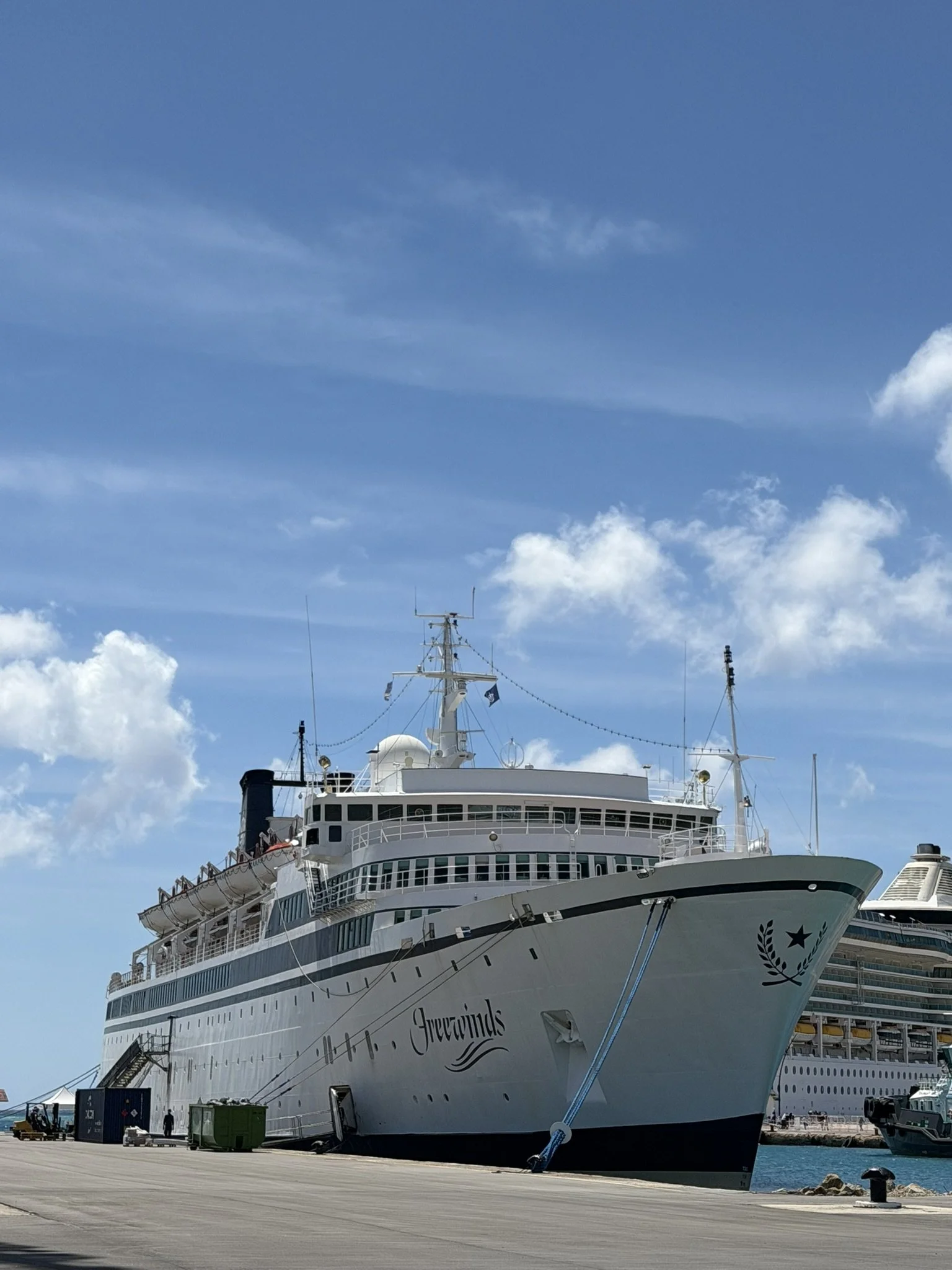
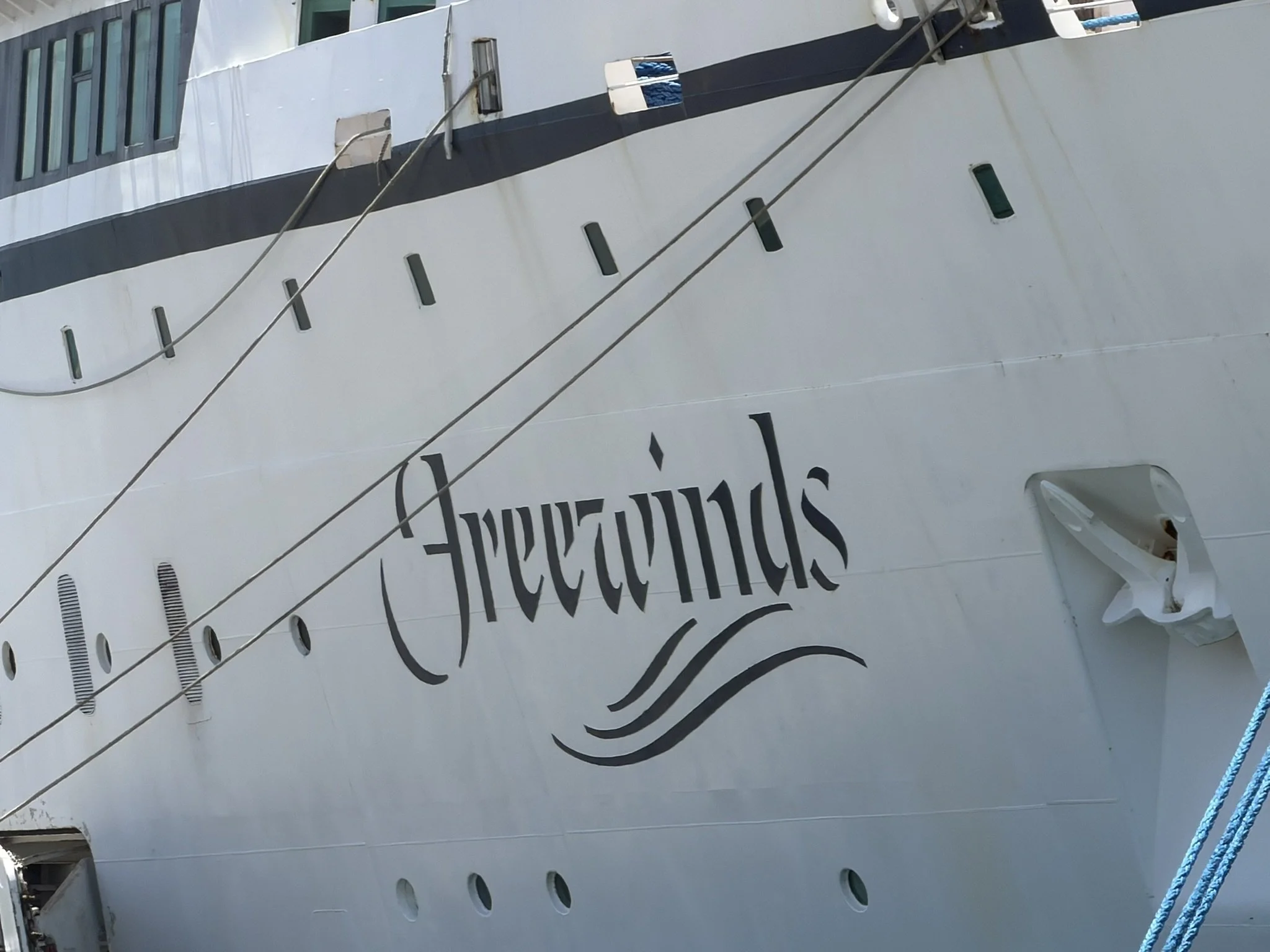
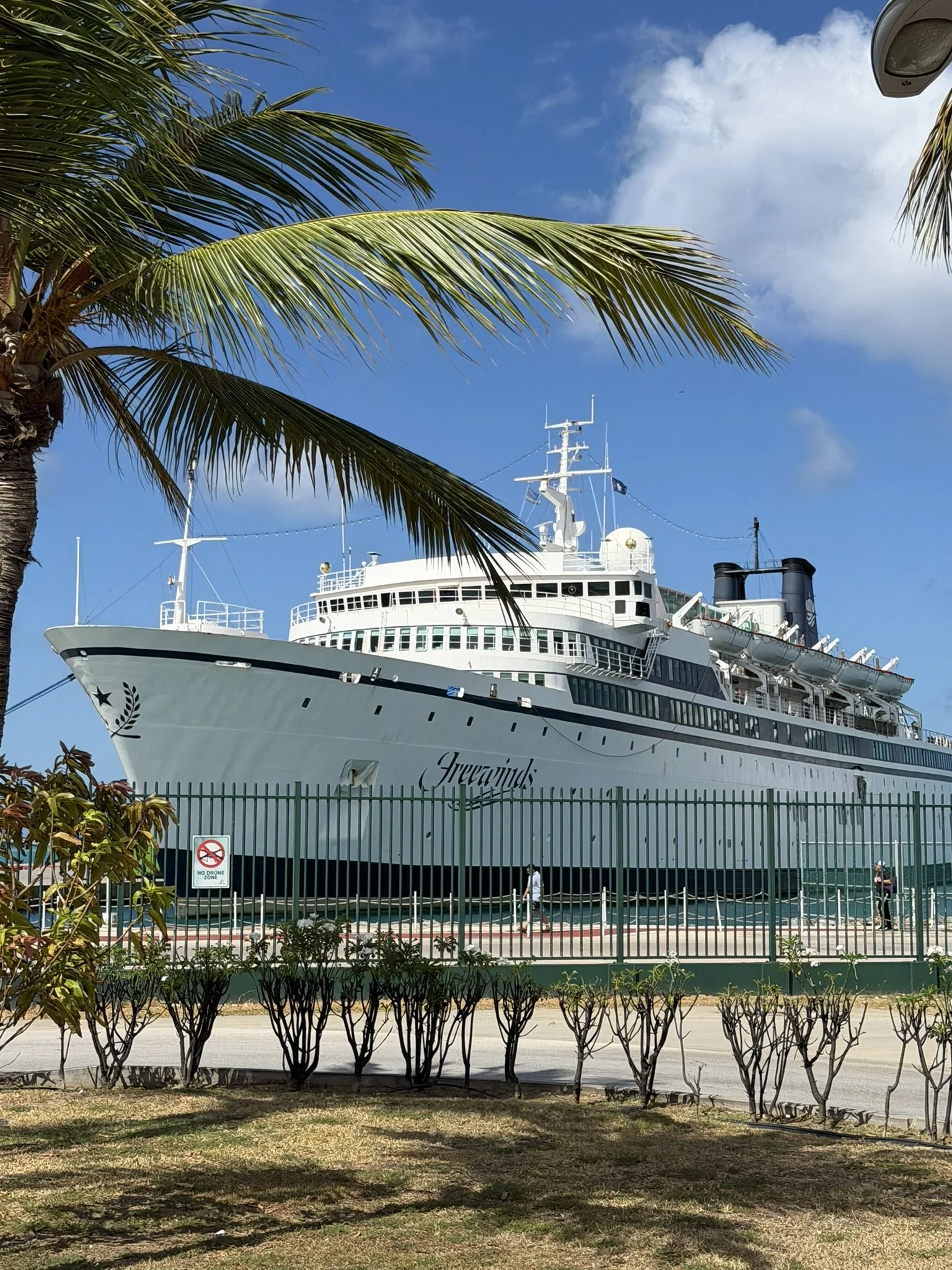
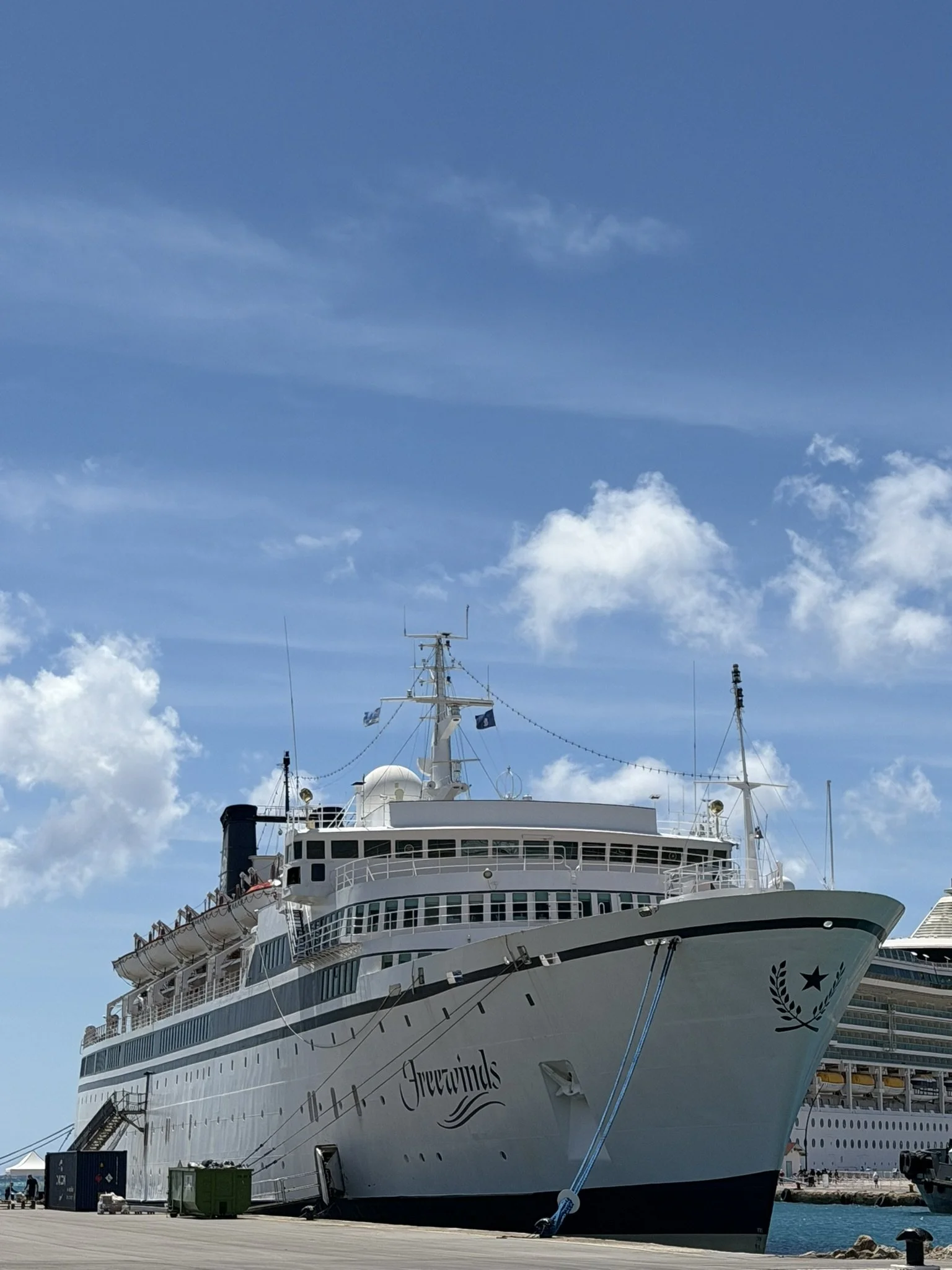
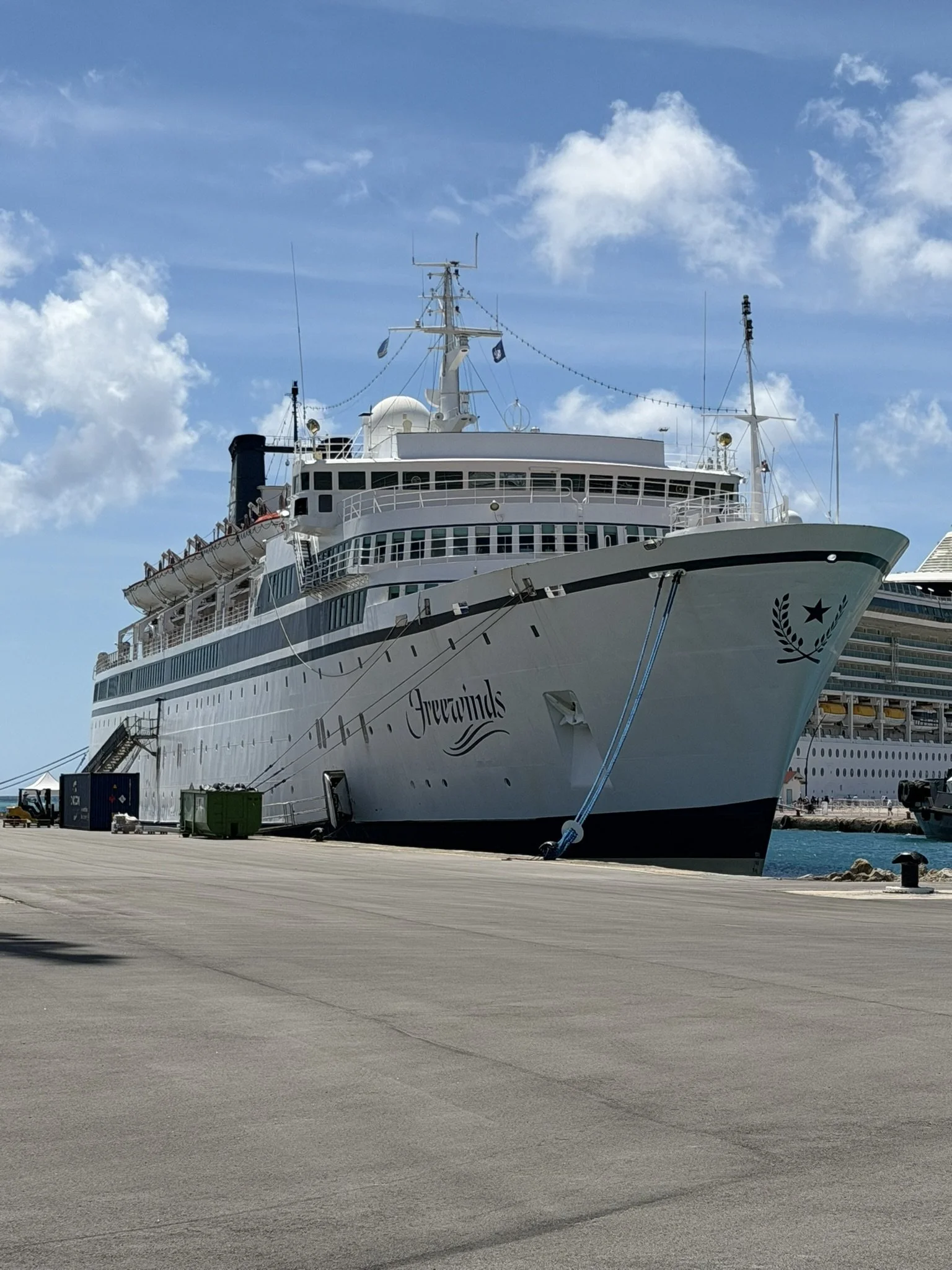
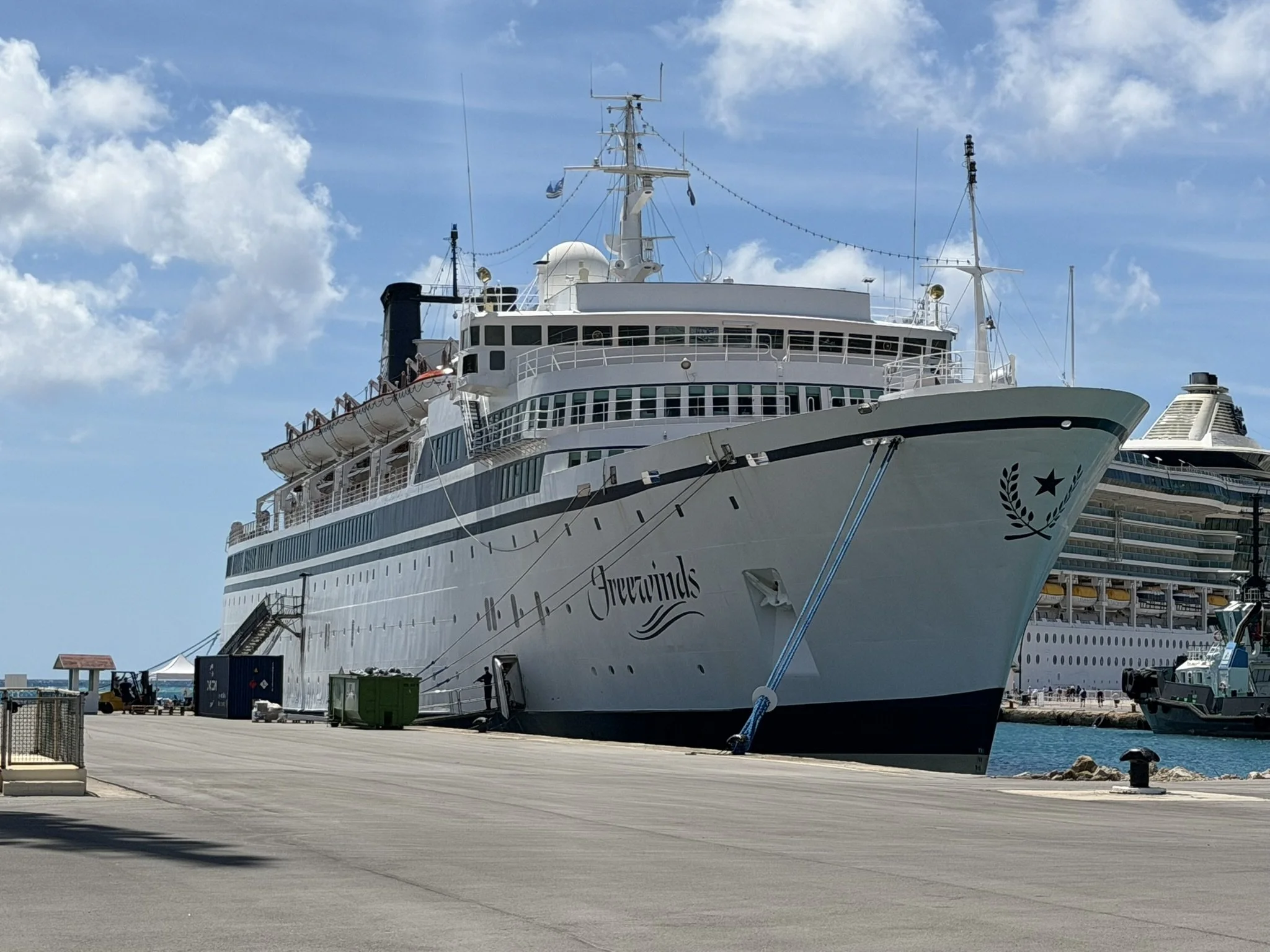
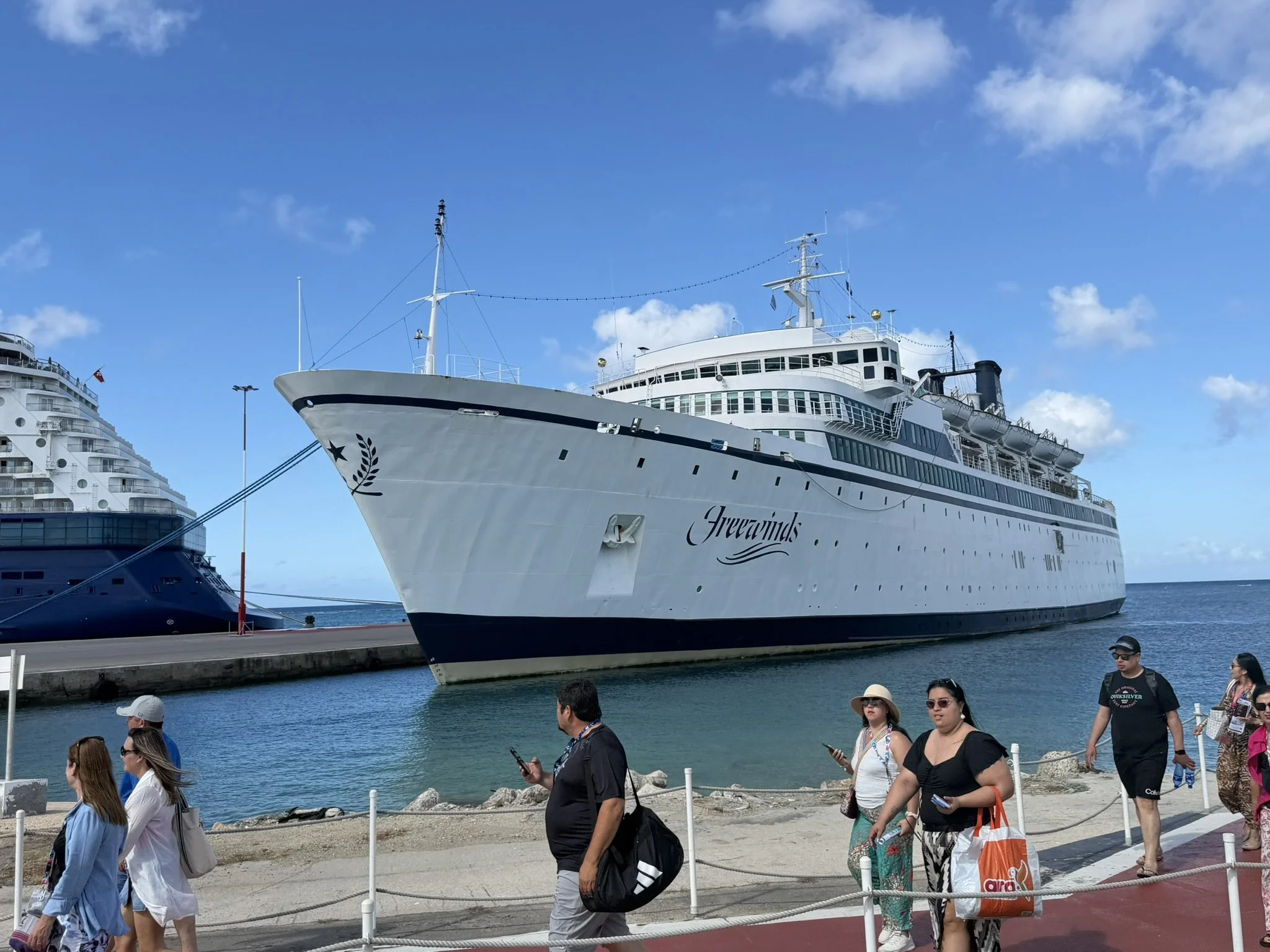
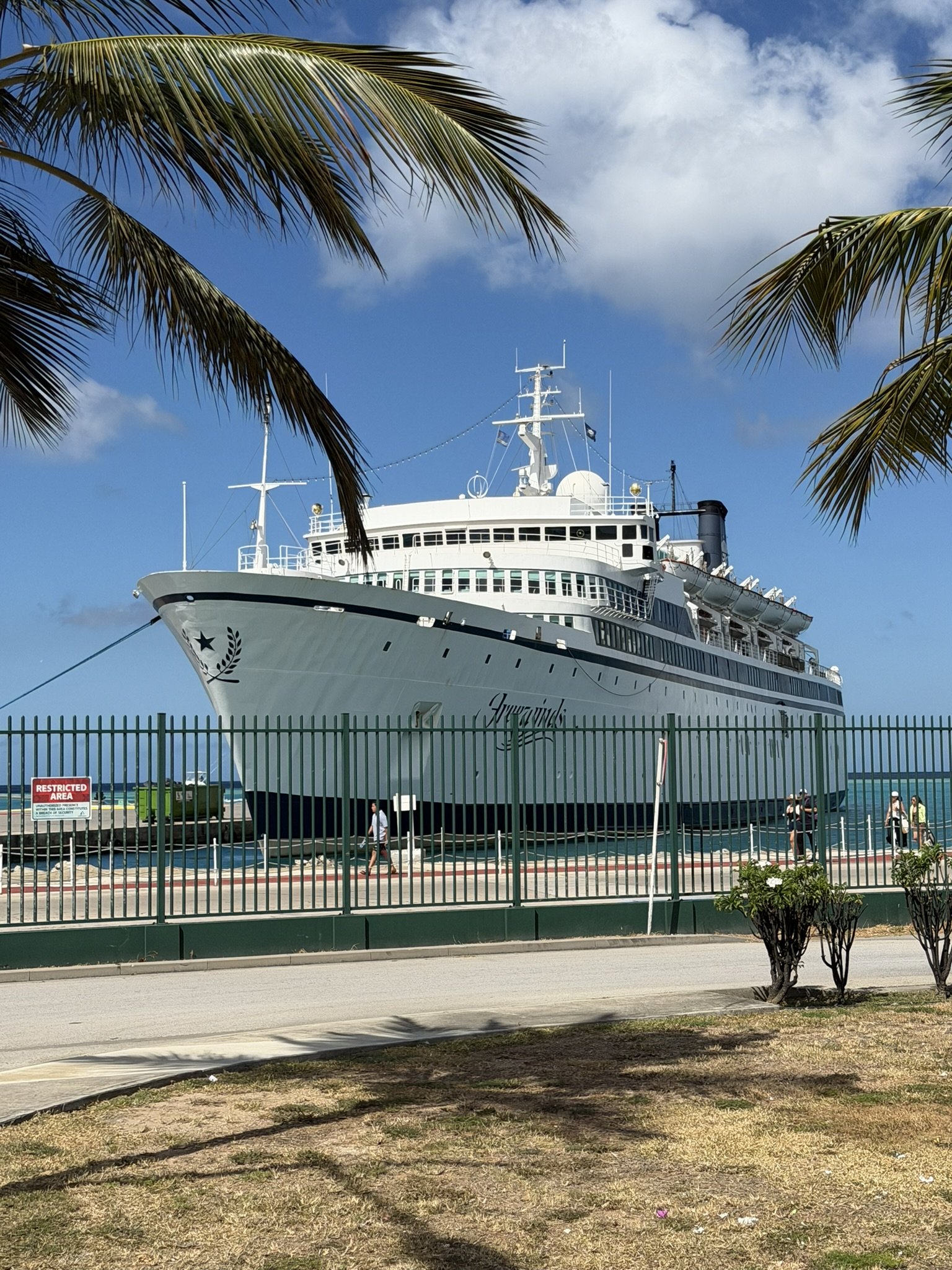
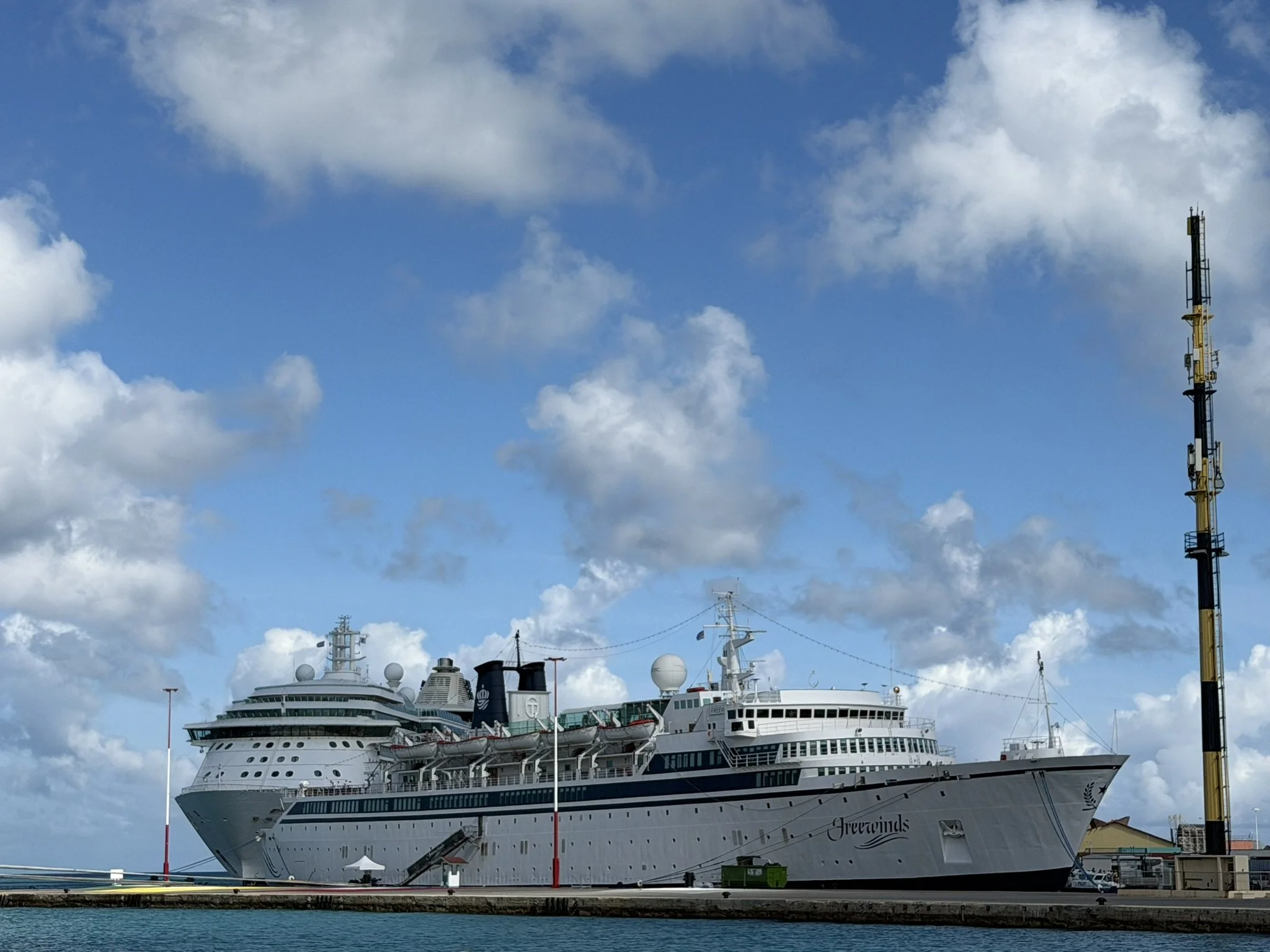
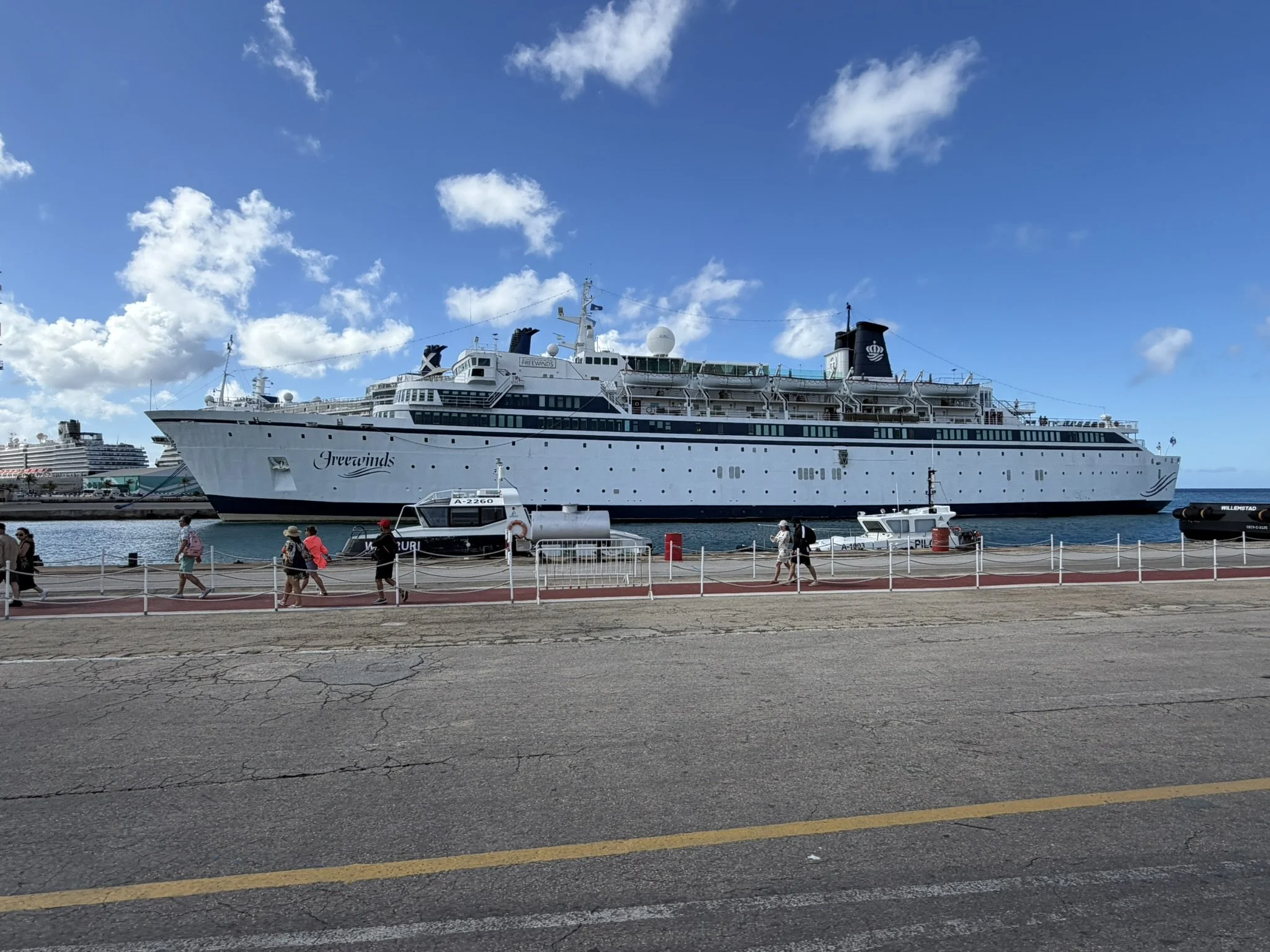
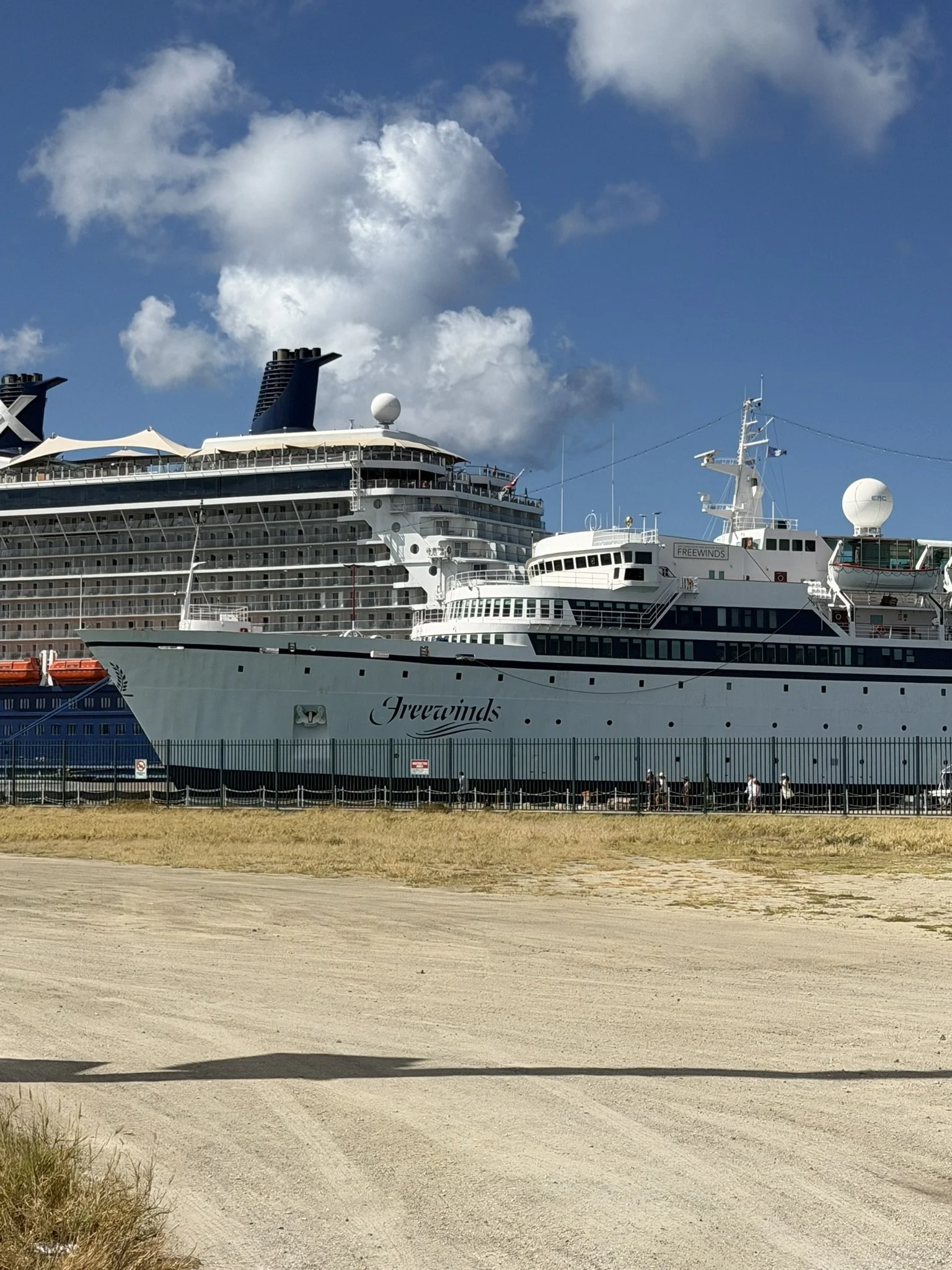
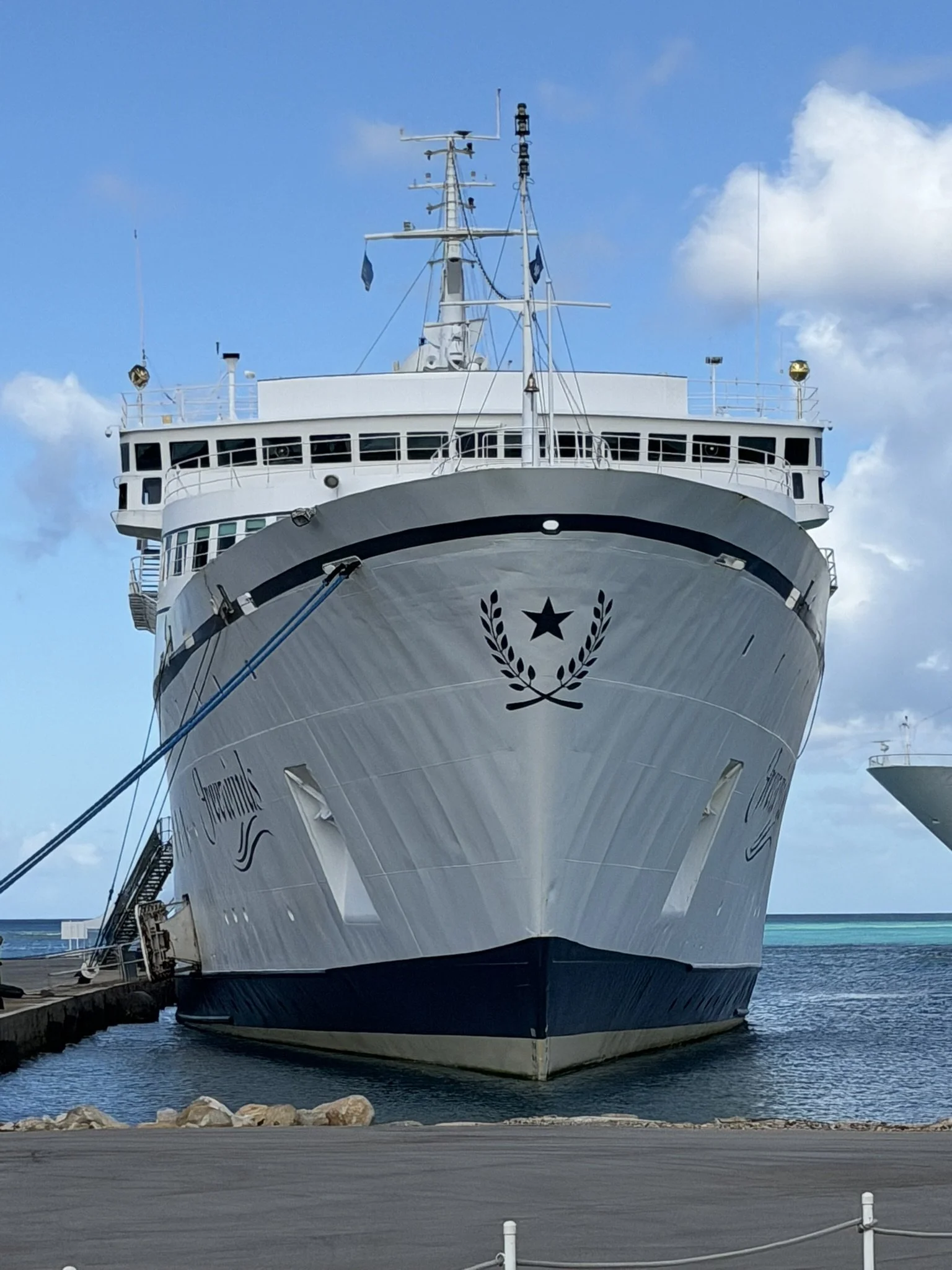
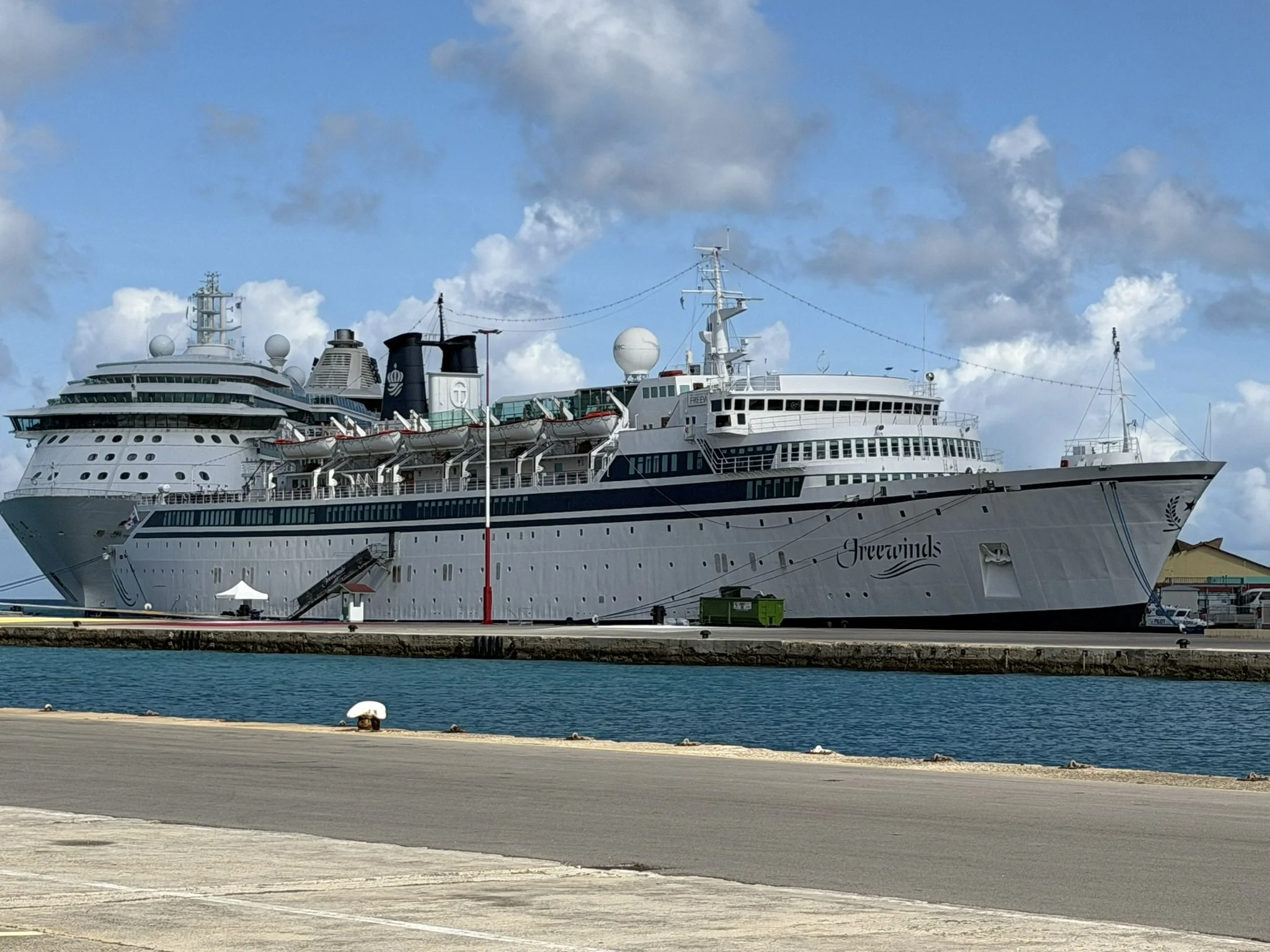
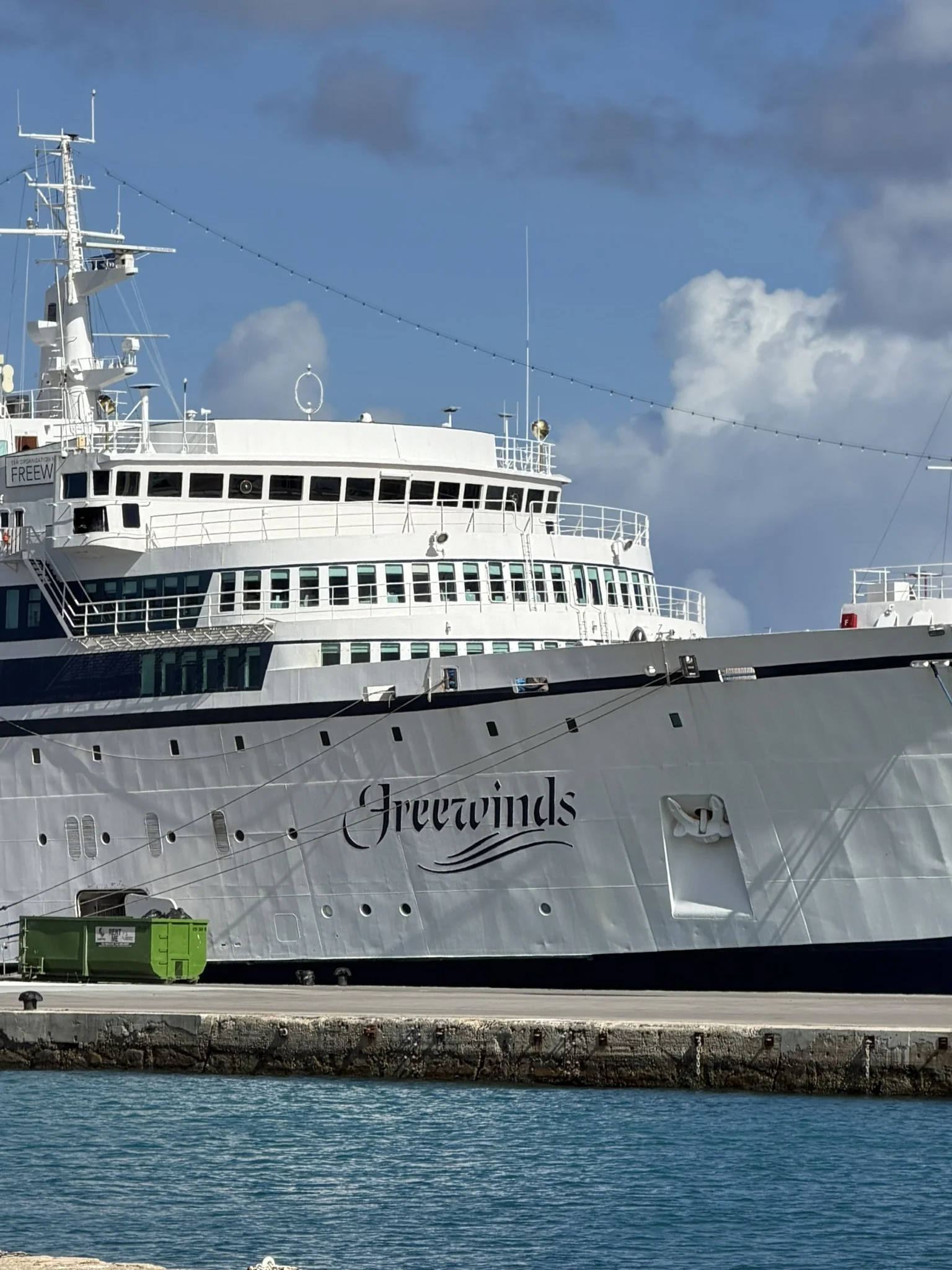
The Freewinds made for an interesting sight in Oranjestad, Aruba, on April 1, 2026. Originally entering service as the Bohème in 1968, the ship was later acquired for use by the Church of Scientology and has operated as its religious retreat and training ship since 1988. Now approaching six decades of service, she is one of the oldest passenger ships still in active use.
Built in Finland during the formative years of the modern cruise industry, Freewinds has experienced two very different careers. She spent her early years carrying vacationers through the Caribbean as Bohème before beginning a new chapter under her present name in the late 1980s.
Information List
Name: Freewinds
Former Name: Bohème
Year Launched: 1968
Shipyard: Wärtsilä Turku Shipyard, Turku, Finland
Yard Number: 1161
Length: 441 feet (134.3 meters)
Beam: Approximately 69 feet (21 meters)
Tonnage: 9,780 GT
Original Passenger Capacity: Approximately 540 passengers
Later Passenger Capacity: Approximately 360 passengers
Flag: Panama
IMO Number: 6810811
Current Use: Church of Scientology religious retreat and training ship
Home Port: Willemstad, Curaçao
Facilities Include: Religious training and counseling spaces, Starlight Cabaret, La Paloma Blanca lounge, library and bookstore, dining facilities, accommodations, and meeting spaces
History and Features
Launch and Design:
Freewinds was originally built as Bohème at the Wärtsilä Turku Shipyard in Turku, Finland.
She was launched on February 12, 1968, and constructed for Wallenius Lines for operation by the newly established Commodore Cruise Line.
Unlike many cruise ships of the era that began life as ocean liners, Bohème was purpose-built for cruising.
She was the first cruise ship constructed in Finland, beginning what would become a long and important relationship between Finnish shipyards and the international cruise industry.
At approximately 441 feet long and under 10,000 gross tons, she reflects the much smaller scale of purpose-built cruise ships of the late 1960s.
During her delivery voyage from Finland, Bohème struck an underwater obstruction in the Stockholm Archipelago and suffered hull damage. After repairs, she continued across the Atlantic to begin her Caribbean career.
Early Cruise History:
Bohème departed Miami on her first Caribbean cruise on December 7, 1968.
She became one of the pioneering ships of the developing Caribbean cruise industry, operating regular seven-night cruises from Miami.
Her itineraries included ports such as San Juan, St. Thomas, Puerto Plata, and Cap-Haïtien.
The ship helped establish year-round Caribbean cruising at a time when the passenger shipping industry was transitioning away from traditional transatlantic liner service.
Bohème was among the early cruise ships to regularly visit Puerto Plata in the Dominican Republic and Cap-Haïtien in Haiti.
She spent much of the 1970s operating Caribbean cruises for Commodore Cruise Line.
Service:
Bohème spent the majority of her early career operating Caribbean cruises from Miami.
In 1980, she traveled to the Blohm + Voss shipyard in Hamburg, West Germany, for significant work that included improvements to her air-conditioning system.
Ownership and operating arrangements changed during the early 1980s, although the ship continued sailing under the Bohème name.
During this period, she was associated with operators including Commodore Cruise Line, Saitecin Cruises, and SeaEscape.
By the middle of the 1980s, her career as a conventional vacation cruise ship was coming to an end.
The vessel was acquired by interests affiliated with the Church of Scientology and renamed Freewinds.
Following an extensive conversion, she entered service in her new role in 1988.
Since becoming Freewinds, the ship has primarily operated in the Caribbean and has regularly visited ports including Willemstad, Curaçao, and Oranjestad, Aruba.
Rather than operating as a conventional cruise ship, she serves as the home of the Church of Scientology's Flag Ship Service Organization and is used for religious services, training, counseling, conventions, and retreats.
As of September 2026, Freewinds remains in active service, with the Church of Scientology identifying Curaçao as her home port.
Conversion to Freewinds:
The former Bohème was acquired during the 1980s for use by organizations affiliated with the Church of Scientology.
She was renamed Freewinds and extensively renovated for her new purpose.
The ship began operating in her new role in 1988.
Freewinds became the home of the Flag Ship Service Organization.
Spaces originally designed for conventional cruise passengers were adapted for religious training, counseling, meetings, seminars, accommodations, and other organizational uses.
Despite the extensive interior changes, much of the ship's original 1968 exterior profile remains recognizable.
Refits and Upgrades:
The ship has undergone numerous repairs, renovations, and technical upgrades during her decades of service.
In 1980, while still operating as Bohème, she underwent work at Blohm + Voss in Hamburg that included major improvements to her air-conditioning system.
Following her acquisition in the 1980s, extensive renovations converted the former cruise ship for use as Freewinds.
A major restoration was undertaken ahead of her 20th anniversary in Scientology service.
The work included renovations throughout the ship's six decks along with significant technical improvements.
The bridge received updated digital navigation equipment, while engineering and other shipboard systems were modernized.
Following the work, Freewinds was rechristened in Curaçao in June 2008 to commemorate 20 years in her new role.
Continued maintenance and modernization have allowed the 1968-built vessel to remain operational decades beyond the service lives of many of her contemporaries.
Design and Features:
At approximately 441 feet long, Freewinds is dramatically smaller than modern cruise ships.
Her long, low superstructure and traditional profile provide a surviving example of early purpose-built cruise ship design.
Her relatively open decks and compact arrangement reflect an era when Caribbean cruising was still developing into a major vacation industry.
Following her conversion, passenger spaces were adapted to accommodate the ship's religious and organizational functions.
Facilities aboard Freewinds include the Starlight Cabaret, La Paloma Blanca lounge, library and bookstore, dining facilities, accommodations, meeting rooms, and areas used for religious counseling and study.
Many elements of the original Bohème remain visible in the ship's exterior design despite decades of alterations and upgrades.
Legacy:
Freewinds is a rare surviving example of the first generation of ships purpose-built specifically for the modern cruise industry.
As Bohème, she helped establish Commodore Cruise Line and participated in the growth of year-round Caribbean cruising during the late 1960s and 1970s.
Her construction in Finland also marked the beginning of what would become an important era of Finnish cruise ship building.
Her conversion to Freewinds in the 1980s gave the vessel a dramatically different second career.
She has now spent considerably more of her life operating as Freewinds than she did as Bohème.
Her continued operation nearly six decades after her 1968 launch makes her an increasingly unusual survivor from the early years of modern cruising.
The April 1, 2026 images from Oranjestad, Aruba, document the ship during this later chapter of her exceptionally long career.